How to fish a popper for schooling striped bass
There's nothing quite like the adrenaline rush of seeing a school of striped bass absolutely blow up on the surface, pushing baitfish into a frothing, chaotic frenzy. But witnessing that epic striper blitz and actually catching those fish are two different things, right? It can be incredibly frustrating to be right there, watching the action, and not getting a strike. This guide is all about helping you bridge that gap, focusing specifically on how to effectively fish a popper for schooling striped bass, turning those spectacular surface explosions into memorable hook-ups.
Decoding the Striper Blitz: Why Schooling Bass Hit Topwater
Understanding why striped bass school and how they feed on the surface is your first step to unlocking success with a popper. It’s not just random chaos; there's a method to their madness, driven by instinct and opportunity.
The Science Behind the Surface Frenzy: Understanding Baitfish Panic and Predator Instinct
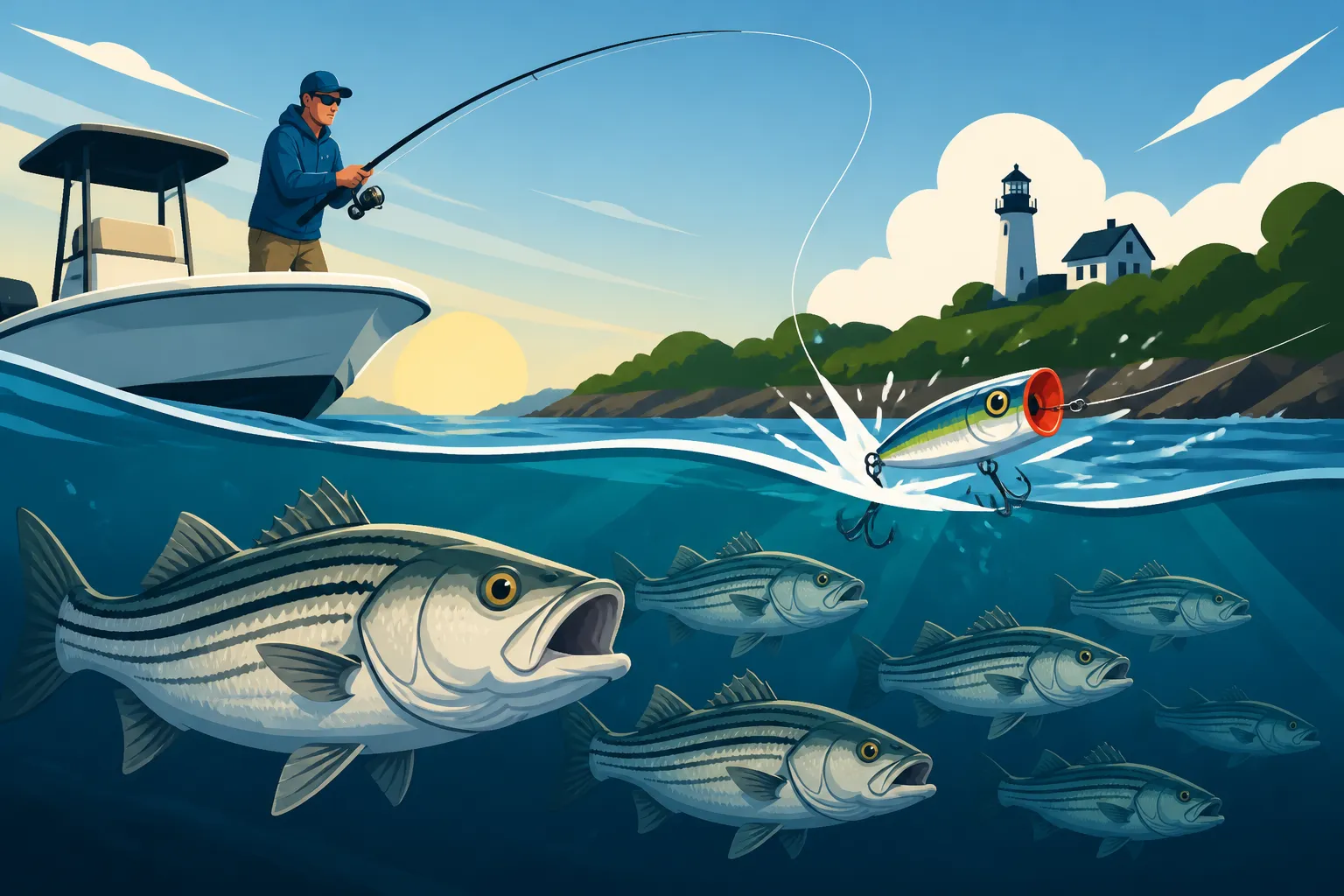
When you see a "striper blitz," what you're really witnessing is a highly coordinated, instinct-driven feeding event. Striped bass are apex predators, and they often work together to corral schools of baitfish, like bunker (menhaden) or silversides, up to the surface. They’ll drive them into a tight ball against the surface tension, trapping them. Once the bait has nowhere to go, the stripers erupt from below, slashing and crashing through the school. This creates an incredible amount of commotion, noise, and visual cues that we anglers pick up on. The bass aren't just eating; they're exploiting the easiest feeding opportunity possible, where the frantic baitfish are disoriented and vulnerable. Their predatory instinct kicks into overdrive, making them less cautious and more aggressive, which is exactly what we want when throwing a noisy, splashing popper. This is often when a Best Time of Day to Catch Striped Bass aligns with aggressive feeding.
Spotting the Signs: Birds, Boils, and Other Indicators
Learning to read the water and recognize the subtle (and not-so-subtle) signs of a schooling striper blitz is absolutely crucial. Often, the first thing you'll notice are birds. Gulls, terns, and ospreys are opportunists, and they'll quickly gather and dive into baitfish driven to the surface by stripers. If you see a swirling mass of birds, especially if they’re actively diving, it's a huge indicator that there's a feeding frenzy happening below. Beyond the birds, look for "boils" or "white water" on the surface – this is the actual physical disturbance caused by the stripers smashing into the bait. Sometimes, you'll even see the backs of the bass breaking the surface or flashes of their silver sides. Pay attention to the tide and current, as stripers often use these to their advantage to pin bait against structure or in current seams. Keep an eye out for nervous baitfish skipping across the surface, too; that's a sure sign something is chasing them from below.
Selecting Your Secret Weapon: The Right Popper for the Job
Once you've located the schooling stripers, choosing the right popper is paramount. It’s not a one-size-fits-all situation, as different conditions and baitfish sizes call for different presentations. You'll find a wide selection of poppers available, often on platforms like Amazon, from various reputable brands.
Popper Profiles: Chuggers, Pencils, and Walkers – When to Use Which
Poppers come in a few main styles, each with a distinct action:
- Chuggers (Cup-Faced Poppers): These poppers have a concave face that creates a loud "chug" or "pop" when retrieved sharply. They displace a lot of water, making a significant commotion. Chuggers are excellent for imitating a struggling baitfish, creating big splashes that can call fish in from a distance, especially in choppy water or when the stripers are highly aggressive and keyed into a noisy presentation. They're fantastic when the blitz is intense and the fish are less selective.
- Pencil Poppers: Characterized by their long, slender, cigar-like shape, pencil poppers are designed to be "walked" across the surface with a side-to-side sashay. This "walk-the-dog" action mimics a wounded or fleeing baitfish. They don't create as much splash as a chugger but offer a more subtle, erratic movement that can be incredibly effective when stripers are a bit more wary or when the baitfish are smaller. They cast like a dream, often flying long distances, which is helpful for reaching distant schools.
- Walkers (Stickbaits/Glidebaits): While not strictly "poppers" in the traditional sense, many anglers group topwater stickbaits and glidebaits into this category because they also provide a "walk-the-dog" action. They have less of a cupped face than chuggers, or none at all, relying purely on their side-to-side glide. These are often used when the stripers are feeding on very slender baitfish or when a more subdued, natural presentation is needed. They offer a more subtle disturbance than a chugger, but with the erratic, darting action that can trigger a strike from even finicky fish.
Matching the Meal: Size, Color, and Sound Considerations
The golden rule in fishing is "match the hatch," and it holds true for popper fishing. Take a moment to observe the size and color of the baitfish the stripers are feeding on. If you see small silversides jumping, a smaller, slender pencil popper in a silver or white color might be best. If it’s large bunker, a beefier chugger or pencil popper in green, black, or even a chartreuse might be more effective. A good starting point for a lot of situations in Long Island Sound is a 6-inch white or silver popper, but don't be afraid to experiment. When browsing online, like on Amazon, try to pick up a few different sizes and colors to cover your bases.
Color is often secondary to action and size, but it can make a difference on bright sunny days versus overcast conditions, or in clearer vs. stained water. White, silver, chartreuse, bone, and darker colors like black or olive are common and effective.
The "sound" of your popper also matters. A loud "chug" can attract attention from far away, but sometimes a more subtle "walk" or "splash" is needed if the fish are highly pressured or spooked. Consider the conditions: in calm water, a quieter presentation might be better, while in choppy conditions, a louder popper might be necessary to cut through the surface noise and grab attention.
Mastering the Art of the Popper Retrieve for Schooling Stripers
Once you've selected your popper, the real magic happens in the retrieve. It's not just about reeling in; it's about making that lure dance and mimic struggling bait. This takes practice, but the rewards are huge.
The Classic "Pop and Pause": Building the Foundation
The "pop and pause" retrieve is the bread and butter for popper fishing and your starting point. After casting your popper into or just beyond the feeding school, let it sit for a moment. This brief pause can be incredibly effective as it often mimics a stunned baitfish. Then, give your rod tip a sharp, downward twitch, reeling in the slack line as you do. This will make the popper "pop" or "chug," spitting water and making noise. Immediately after the pop, pause again. The length of the pause can vary from a split second to several seconds. Many times, the strike will come on the pause, as the bass track the "wounded" bait and then decide to strike when it appears vulnerable and motionless. Experiment with the force of your "pop" – sometimes a subtle splash is best, other times a big, aggressive chug. Remember, your rod tip should be pointed towards the water, allowing you to easily work the lure and set the hook. This technique is often discussed in broader guides like Best Lures for Striped Bass in Long Island Sound.
Dynamic Cadences: Varying Your Presentation for Reluctant Biters
While the pop and pause is fundamental, stripers aren't always looking for the same thing. Sometimes they're aggressive, sometimes they're a bit more finicky. This is where dynamic cadences come in.
- Walk-the-Dog: For pencil poppers and stickbaits, the "walk-the-dog" retrieve is key. Keep your rod tip pointed down and slightly to the side. Use a rhythmic, wrist-snapping motion while reeling in slack, causing the lure to zig-zag from side to side across the surface. This is a very realistic imitation of a fleeing or injured baitfish and can be incredibly effective when stripers are being a bit more selective. The key is to get a smooth, continuous side-to-side glide.
- The Machine Gun Pop: When stripers are in a full-blown feeding frenzy, you might need a more aggressive, continuous retrieve. Instead of pausing, try a rapid series of pops with short, quick twitches of the rod tip, reeling continuously to keep tension. This creates a constant commotion that can be irresistible to highly competitive, schooling bass.
- Slow Roll and Subtle Twitch: If the blitz dies down or the fish seem hesitant, try a slower, more subtle approach. Instead of a hard pop, try a gentle twitch that just barely makes the popper gurgle or splash. Combine this with longer pauses, mimicking a truly exhausted baitfish.
The important thing is to experiment. If one retrieve isn't working, don't be afraid to try another. Watch how the stripers are hitting the bait and try to mimic that action with your lure. Sometimes, a subtle change in cadence is all it takes to trigger a strike.
Casting Accuracy and Angle: Placing Your Popper Exactly Where It Needs To Be
Simply throwing your popper into the blitz isn't always the most effective strategy. Think about where the bait is being pushed and where the stripers are likely to ambush.
- Beyond the School: Often, casting your popper beyond the main school of feeding fish and retrieving it through the action can be highly effective. This makes your popper appear like a lone, fleeing baitfish attempting to escape the chaos, which can draw a strike from a larger, more dominant striper on the edges.
- Flanking the Action: Instead of casting directly into the center of the boil, try casting to the sides or just ahead of the moving school. Stripers will often patrol the edges, waiting for opportunities.
- Against the Current/Wind: If there's a current or wind, try casting upcurrent or upwind and letting the popper drift naturally into the feeding zone before you begin your retrieve. This can make your presentation look more natural.
- Quiet Entry: While poppers are meant to be noisy, a delicate cast that minimizes splash upon entry can sometimes be beneficial, especially if the fish are skittish. Drop it softly, let the rings dissipate, then begin your retrieve. Precision casting can be key to success, whether you're fishing from shore or from a boat.
Essential Gear for Topwater Striper Success
Having the right rod, reel, and line combination can make a huge difference in your ability to cast effectively, work your popper, and ultimately land those hard-fighting schooling stripers.
Rod and Reel Combinations: Matching Power and Sensitivity
For throwing poppers to schooling striped bass, you'll want a setup that offers a balance of casting power, lure control, and fighting ability.
- Rods: A medium-heavy to heavy power spinning rod, typically 7 to 9 feet in length, is ideal. The longer rod provides better casting distance, which is often crucial for reaching distant schools, and better leverage when fighting a strong striper. Look for a fast action rod, meaning the top third of the rod bends easily. This fast action gives you the sensitivity needed to work the popper with precision and the backbone to set the hook firmly into a striper’s tough mouth. For surfcasting, you might opt for even longer rods, up to 10-11 feet, for maximum casting distance. Brands like St. Croix, Tsunami, or even more budget-friendly options found on Amazon offer excellent choices in these categories.
- Reels: Pair your rod with a reliable spinning reel in the 4000 to 6000 series size. This size reel offers a good balance of line capacity, retrieve speed, and drag power. Make sure the reel has a smooth, powerful drag system, as schooling stripers can make blistering runs, especially when they first hit your lure. A high retrieve ratio is also beneficial, allowing you to quickly pick up slack line and keep pace with a fast-moving school or if a fish suddenly swims toward you. Saltwater-rated reels are a must for durability against the corrosive effects of saltwater.
| Gear Type | Recommended Characteristics | Why It Matters |
|---|---|---|
| Rod | 7-9 ft, Medium-Heavy/Heavy Power, Fast Action | Casting distance, lure control, hook setting power |
| Reel | 4000-6000 Series Spinning, Smooth/Strong Drag, High Retrieve Ratio | Line capacity, fighting power, quick slack uptake |
| Line | 30-50 lb Braided Line | Incredible casting distance, sensitivity, strength |
| Leader | 30-50 lb Fluorocarbon | Abrasion resistance, stealth, shock absorption |
| Lures | Chuggers, Pencil Poppers, Walkers (3-7 inches) | Versatility for different conditions and bait sizes |
Line and Leader Choices: The Critical Connection to Your Lure
Your line and leader are direct connections to the fish, so don't skimp here.
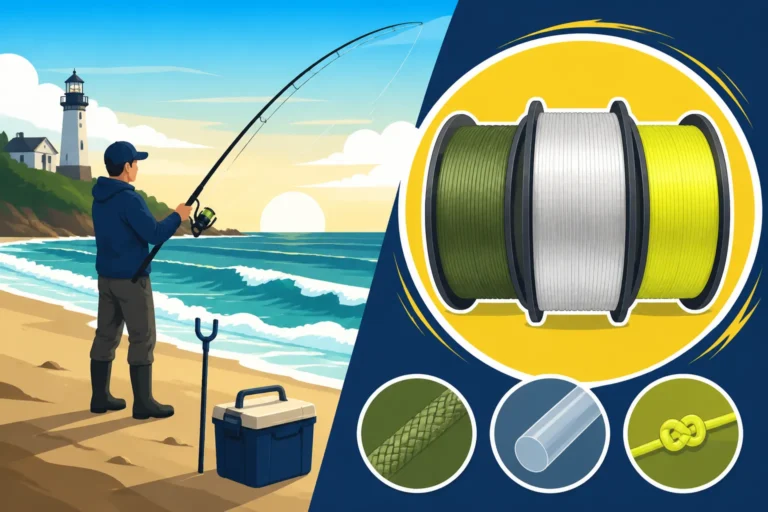
- Main Line (Braided): Braided line is almost universally preferred for popper fishing. It has virtually no stretch, which means every twitch of your rod tip is directly translated to the lure, giving you maximum control over its action. The lack of stretch also means incredibly sensitive bite detection and powerful hooksets. Furthermore, braided line casts much farther than monofilament of comparable breaking strength due to its thinner diameter. A 30 to 50 lb test braided line is a good all-around choice. PowerPro and Sufix are popular brands often available on Amazon.
- Leader (Fluorocarbon): While braid is excellent for your main line, it's highly visible in clear water and lacks abrasion resistance. This is where a fluorocarbon leader comes in. Tie a 2 to 4 foot section of 30 to 50 lb fluorocarbon leader to your braided mainline. Fluorocarbon is nearly invisible underwater, providing stealth, and offers superior abrasion resistance against rocks, mussel beds, and the rough mouths of striped bass. It also provides a bit of shock absorption, which can be helpful during violent strikes. Use a strong knot to connect your braid to your fluorocarbon leader, like an FG knot or an Albright knot. The Connecticut Circle Hook Requirement for Striped Bass is mainly for bait fishing, but using a heavy leader is always a good practice.
Responsible Angling During a Striper Blitz
A striper blitz can be an exhilarating experience, but it’s essential to remember our responsibility as anglers to protect the resource and ensure its health for future generations.
Minimizing Impact: Safe Handling and Quick Release
When you’re catching fish quickly during a blitz, the temptation can be to rush. However, taking a moment for careful handling dramatically increases the survival rate of released fish.
- Unhooking Tools: Have a pair of long-nosed pliers or a dehooker readily available. Striped bass often swallow lures deep, and quick, efficient unhooking minimizes damage.
- Minimize Air Exposure: If you plan to release a fish, try to keep it in the water as much as possible. A quick photo is fine, but avoid dragging the fish onto dry land or keeping it out of water for extended periods. Their gills are designed for water, not air.
- Support the Fish: If you must lift the fish for a photo, support its body horizontally, especially heavier fish. Avoid holding it solely by the jaw, which can damage its internal organs and spine.
- Revive If Necessary: If a fish seems sluggish after the fight, hold it upright in the water, facing into a gentle current, and move it slowly back and forth to help water flow over its gills until it regains its strength and swims away on its own.
- Barbless Hooks: Consider crimping down the barbs on your trebles or even switching to single inline hooks. This makes unhooking much easier and less damaging to the fish. Many anglers consider this a best practice, especially during a hot bite. This topic is sometimes covered in Striped Bass Catch and Release Survival Tips.
Respecting the Resource and Fellow Anglers
Fishing during a striper blitz can sometimes devolve into a chaotic scene if anglers aren't mindful of others.
- Maintain Distance: If you’re on a boat, give other boats and shore anglers ample space. Don’t motor directly into a school where others are already fishing; approach cautiously and slowly from the perimeter.
- Communicate: A simple wave or nod can go a long way in showing respect. If you’re drifting, be aware of other boats’ drifts.
- Take Only What You Need: While it’s exciting to catch multiple fish, adhere to all local regulations, including bag and slot limits. Connecticut has specific Connecticut Striped Bass Slot Limit and Season rules that you absolutely must follow. Consider taking only a few for the table and releasing the rest. This ensures that plenty of fish remain to replenish the population.
- Leave No Trace: Always pack out what you pack in. Dispose of any trash, including broken lines and lures, properly. Ghost fishing gear can continue to harm marine life long after you’ve left. Keeping our waters clean is vital for the health of the entire ecosystem and the future of striped bass fishing.
By mastering the techniques of popper fishing for schooling striped bass and practicing responsible angling, you'll not only enjoy incredible fishing experiences but also contribute to the conservation of this magnificent fish.
Disclaimer
This article is for general informational purposes only and does not constitute professional advice. Laws, prices and regulations vary by location and change over time. Consult a qualified professional for guidance on your specific situation.