Best technique for chunking bait for striped bass
Oh, the elusive striped bass! There's nothing quite like the thrill of a big striper hitting your line, but let's be honest, getting them to bite consistently can feel like cracking a secret code. Many anglers get frustrated trying various lures and methods, only to come up short. If you've been searching for a reliable way to entice those magnificent gamefish, especially the bigger ones, then you're in for a treat. This guide is all about mastering the art of chunking bait for striped bass, a tried-and-true technique that harnesses their powerful sense of smell and their insatiable appetite. We'll break down everything from understanding striper behavior to setting up your ultimate chunking spread, helping you turn those "almost" moments into memorable catches.
Understanding Striped Bass Behavior for Chunking Success
Before you even think about cutting bait, it's crucial to get inside the head of a striped bass. They're not just random wanderers; stripers are highly tuned predators with specific habits that dictate where and when they'll be on the prowl. When it comes to chunking, we're essentially creating a dinner bell for them, but you need to ring that bell in the right restaurant at the right time.
Where Stripers Hold When Feeding on Chunks
Striped bass are opportunists, always looking for an easy meal, and a scent trail of fresh cut bait is like a beacon. They'll position themselves in areas where they can expend minimal energy while waiting for food to come to them, or where they can ambush passing prey. When you're chunking, you're relying on that powerful sense of smell to draw them in. Think of it like this: your chunks are carried by the current, and stripers will station themselves down-current, waiting for that delicious scent to waft their way.
Look for areas with distinct structure. This includes prominent rock piles, sudden drop-offs into deeper channels, or ledges that create current breaks. These are classic ambush points where a striper can hang out of the main flow, conserving energy, while still being perfectly positioned to dart out and grab a passing meal. Eddies, those swirling pockets of calmer water often found on the down-current side of points or submerged structures, are also prime real estate. Baitfish will often congregate in these calmer zones, and larger stripers know it. Deep holes, especially those adjacent to shallower feeding flats, can hold big fish during periods of less activity, and a strong scent trail can coax them out. You might even find them staging in these deeper spots before moving into shallower water to feed, especially at night. Understanding Where to Find Striped Bass in Long Island Sound is paramount, as these locations are often where chunking truly shines.
When Stripers Are Most Receptive to Chunked Bait
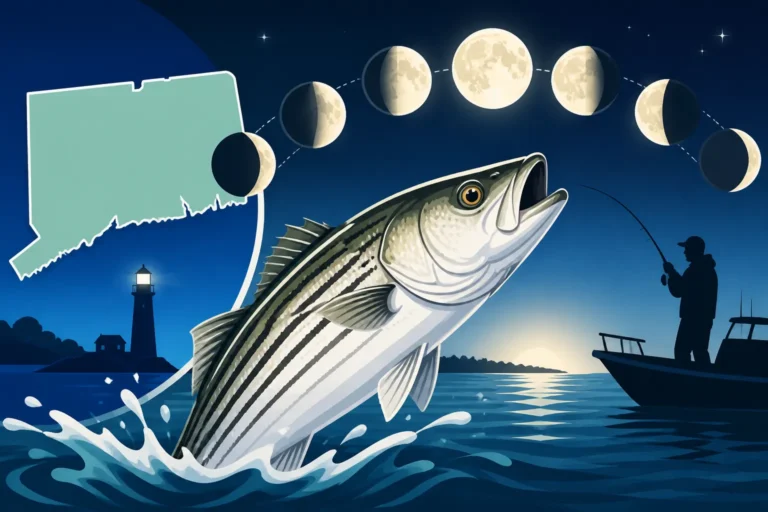
Timing, as they say, is everything in fishing, and chunking for stripers is no exception. While they can be caught any time, certain conditions drastically improve your odds. Striped bass are creatures of low light, which means dawn, dusk, and especially throughout the night, are often your golden hours for chunking. Under the cover of darkness, stripers feel more confident moving into shallower areas and are generally less wary. This is when they're actively hunting, and a robust chum slick can draw them in from surprising distances.
Beyond light conditions, the tide plays a monumental role. Stripers thrive on moving water. An incoming or outgoing tide creates current, which is essential for carrying the scent of your chum and chunks far and wide. Slack tide, while sometimes productive for very localized fish, generally sees a decrease in activity as the scent trail dissipates and fish become less active. Many seasoned chunkers prefer the last few hours of the outgoing tide and the first few hours of the incoming tide, as this is often when baitfish are being swept around, and stripers are actively feeding. You'll find that mastering the nuances of tidal movement is a crucial part of knowing the Best Time of Day to Catch Striped Bass. Cooler water temperatures, particularly in the spring and fall, also tend to make stripers more aggressive and willing to gorge on easy meals like chunks, as they're either bulking up after spawning or preparing for migration.
Essential Gear for Effective Striped Bass Chunking
You wouldn't bring a butter knife to a sword fight, and you certainly shouldn't bring inadequate gear to a serious chunking session for striped bass. These fish are powerful, and hooking into a large one requires a robust setup that can handle the fight, the current, and the often-heavy weights needed to get your bait down. Skimping on tackle here will lead to disappointment and lost fish, plain and simple.
Rods, Reels, and Line – The Foundation
When selecting your rod for chunking, think sturdy but sensitive. A good chunking rod is typically between 7 and 9 feet long, with a medium-heavy to heavy power rating and a fast action tip. The fast action allows you to feel those subtle pickup bites, while the heavy backbone provides the leverage needed to set a large circle hook and winch in a strong striper against the current. Many anglers find conventional rod and reel setups ideal for chunking due to their brute strength and superior cranking power, especially when dealing with heavy weights and strong currents. However, a large, robust spinning reel can also do the job, particularly for anglers who prefer that casting style.
For reels, whether conventional or spinning, capacity and drag are paramount. You'll want a reel that can hold at least 300 yards of line, and ideally more, especially if you're targeting big fish that might make long runs. The drag system must be smooth and powerful, capable of applying consistent pressure without locking up or becoming jerky, which can easily snap your line or pull the hook. Brands known for their reliable saltwater reels are a good starting point, and you can find a huge selection with customer reviews on Amazon to compare models. When it comes to line, braided main line in the 50-80 lb test range is the go-to for most chunkers. Its low stretch means excellent sensitivity for detecting bites, even at a distance or in strong current, and its thin diameter for its strength helps with casting and reducing current drag. You'll then want to attach a monofilament or fluorocarbon leader, typically 50-100 lb test and 3-6 feet long, to the braided main line. This leader provides abrasion resistance against sharp rocks and the striper's rough mouth, and the slight stretch of mono can absorb some shock during a head shake.
Terminal Tackle for Chunking Rigs
Your terminal tackle is where the magic happens – it's what connects your line to the fish. For striped bass chunking, simplicity and strength are key.
The single most important piece of terminal tackle for chunking, especially with the modern emphasis on conservation, is the circle hook. Not only are they mandated in many areas for striped bass when using bait, but they also significantly increase the chances of a solid hookup in the corner of the fish's mouth, minimizing gut hooks and increasing survival rates for released fish. You'll typically want large circle hooks, ranging from 8/0 to 12/0, depending on the size of your bait and the target fish. Always check Connecticut Striped Bass Circle Hook Requirement to ensure compliance with current regulations.
Next up are swivels and snaps. Heavy-duty barrel or ball-bearing swivels are essential to prevent line twist, especially when using a fish-finder rig or if your bait spins in the current. Match their strength to your leader material. Snaps are useful for quickly changing weights or rigs. For your leader material, as mentioned, 50-100 lb fluorocarbon or heavy monofilament is ideal. The length can vary, but 3 to 6 feet is a common sweet spot – long enough to offer some stealth and abrasion resistance, but not so long it becomes unwieldy to cast or manage.
Finally, let's talk about weights. You'll need enough weight to hold your bait on the bottom against the current. Pyramid, bank, or Sputnik sinkers are all popular choices, ranging from 3 ounces up to 10 ounces or more, depending on the current strength. The Sputnik sinker, with its deployable wires, is particularly effective at anchoring in strong currents or on sandy bottoms. A fish-finder rig, which uses a sinker slide, is the most common setup for chunking. This rig allows your main line to slide freely through a sleeve attached to your sinker, meaning the fish can pick up the bait and run without feeling the resistance of the heavy weight. This significantly increases your hook-up ratio, as stripers won't drop the bait immediately.
Bait Selection and Preparation
The success of chunking hinges almost entirely on the quality and type of your bait. Freshness is not just preferred; it's practically mandatory. Old, freezer-burned, or rancid bait simply won't have the potent scent trail needed to draw in stripers from afar.
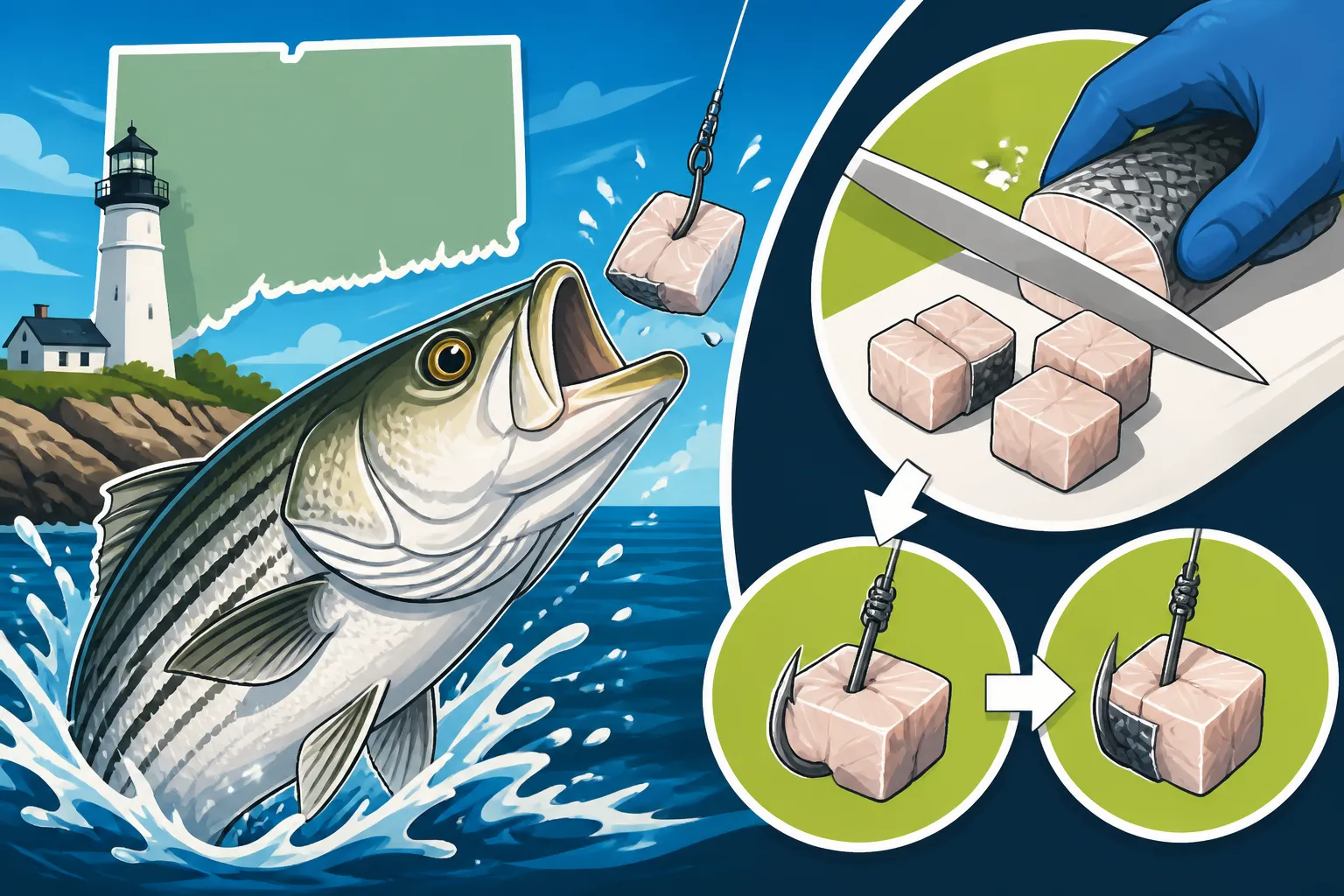
- Bunker (Menhaden): Hands down, bunker is the king of chunking baits in Connecticut waters. These oily baitfish release an incredible amount of scent when cut, driving stripers wild. Whether you catch them yourself with a cast net or buy them fresh or frozen, bunker is usually the top choice. When preparing bunker, you can cut them into "steaks" about 1-2 inches thick, or use head and tail sections. Each cut releases more of that irresistible oil. Learn more about Atlantic Menhaden as Forage Fish in Long Island Sound and why they're so vital to the striper diet.
- Mackerel: Another excellent oily bait, mackerel are also highly effective. Their firm flesh holds up well on the hook. Cut them into similar chunks or strips.
- Herring: Similar to bunker, herring are super oily and create a fantastic scent trail.
- Porgy (Scup): While not as oily as bunker, porgy can also be a productive chunking bait, especially if they are prevalent in the area you are fishing.
- Squid: Less oily than baitfish, but squid is tough, stays on the hook well, and is readily available. It can be a good secondary bait or used in conjunction with more oily chunks.
The key to preparation is clean cuts and keeping the bait cold. Use a sharp knife to ensure clean slices that expose the flesh and oil. Store your chunks in a cooler with ice to maintain their freshness throughout your trip. Some anglers even add a little rock salt to their chunks to firm them up and help preserve them, which can be particularly useful if you've ordered a large batch of frozen bait from Amazon or a local tackle shop.
Step-by-Step Chunking Techniques for Striped Bass
Now that you've got your gear and bait ready, let's get into the nitty-gritty of actually putting this technique into practice. Chunking isn't just about throwing bait overboard; it's a strategic process that involves careful positioning, a consistent chum slick, and thoughtful bait presentation.
Setting Up Your Chunking Spread
The first and most critical step is choosing your spot and anchoring correctly. As discussed, look for structure, current seams, or areas where you've seen baitfish. Once you've identified a promising location, you need to anchor up-current from where you expect the fish to be. This allows your chum and baited hooks to drift naturally down into the feeding zone. A good rule of thumb is to anchor about 50-100 yards up-current from the prime holding area.
For effective chunking from a boat, you might even consider a dual-anchor setup, using a bow anchor to hold your position and a stern anchor to keep your boat from swinging too much. This creates a stable platform for fishing and ensures your chum slick stays consistent. A stable boat helps your lines drift naturally and prevents tangles. Your goal is to create a "scent highway" leading directly to your baited hooks. Think about the direction and strength of the current – it's your best friend for spreading that irresistible aroma.
Anchoring, Current, and Bait Disbursement
Once you're anchored and stable, it's time to create your chum slick. This is the heart of the chunking operation. Your chum should consist of small, finely chopped pieces of the same bait you're using on your hook – often bunker. The goal isn't to feed the fish until they're full, but rather to tease them, to draw them in with the promise of a bigger meal. Consistency is more important than quantity. Start with a handful of chum, and then slowly and regularly dispense small amounts every few minutes. Imagine a steady stream of delicious particles drifting down-current, leading stripers right to your waiting hooks.
Many anglers use a weighted chum pot that can be lowered to various depths to create a more focused slick. If you're fishing in strong current, you'll need to dispense chum more frequently and possibly use larger pieces to ensure it reaches the desired depth before washing away. Pay close attention to the current's speed and direction. You want your chum to drift naturally, mimicking how wounded baitfish might float. If the current changes, you may need to adjust your chumming strategy or even reposition your boat. Remember, the chum is your advertisement; your baited hooks are the main course.
The Art of Presenting Your Chunked Bait
With your chum slick established, it's time to deploy your baited lines. This is where the "art" comes in. The most common and effective rig for chunking is the fish-finder rig, which allows the line to slide freely through the sinker. This means when a striped bass picks up your chunk, it feels minimal resistance from the weight, encouraging it to swallow the bait. Using a large circle hook, as previously mentioned, is crucial here. The fish will hook itself as it swims away with the bait, usually in the corner of its jaw.
You'll want to deploy multiple lines, if possible, staggering them at different depths and distances from the boat. Some lines can be free-lined with minimal weight, allowing the bait to drift more naturally with the chum slick, while others can have heavier weights to hold them directly on the bottom or near specific structure. Make sure your baited chunks match the size and appearance of your chum pieces as closely as possible. This creates a natural presentation that stripers won't question. Cast your rigs down-current, into or just outside the visible chum slick. Keep your rod in a holder with a clicker on, or in your hand, with the bail open or in free spool with the thumb on the line, ready to detect any subtle bites. When a striper takes the bait, let it run for a few seconds before slowly engaging the reel and letting the circle hook do its job. Avoid the aggressive "hook set" you might use with J-hooks; a slow, steady retrieve is all that's needed. You'll soon see why How to Catch Striped Bass in Long Island Sound often involves this very technique.
Common Challenges and Troubleshooting Your Chunking Strategy
Even with the best preparation, chunking isn't always smooth sailing. There will be days when unwanted guests crash the party, or when conditions just aren't cooperating. Knowing how to troubleshoot these common issues can save your trip and keep you catching stripers.
Dealing with Unwanted Species and Snags
One of the most frequent frustrations when chunking is dealing with "trash fish" or other species that aren't your target. In Connecticut waters, this often means pesky dogfish, which can quickly deplete your bait supply, or aggressive bluefish, which can chew through monofilament leaders in seconds. If bluefish are prevalent, you might consider adding a short section of heavy wire leader (about 6-12 inches) just above your hook. This will deter the bluefish, though it might make stripers a little warier too. If dogfish are the main nuisance, sometimes changing the size of your chunk, moving to a different depth, or even slightly repositioning your boat can help. They tend to be more active in certain areas and depths.
Snags are another common headache, especially when fishing around the prime rocky structures that stripers love. The best defense against snags is understanding the bottom contour of your fishing spot. Use a depth finder or even a weighted line without a hook to "feel" the bottom before deploying your fishing rigs. When fishing over rocky bottom, try to keep your bait just off the bottom, or use break-away sinkers that are designed to snap off if they get hung up, saving your main rig. Sometimes, a slight adjustment in casting distance or angle can put your bait into a less snag-prone lane. If you find yourself consistently getting snagged, it might be time to move to a slightly different spot, or switch to a rig that minimizes bottom contact.
Adjusting to Changing Conditions
The marine environment is constantly changing, and what worked an hour ago might not work now. Being able to adapt is a hallmark of a successful chunker. The most obvious change is the tide. As the tide shifts, the current speed and direction will change, directly impacting your chum slick and bait presentation. You might need to adjust your anchor, or at least re-position your lines to ensure they are still drifting naturally with the current. Sometimes, the fish will move with the tide, too.
Water temperature and clarity can also influence the bite. A sudden drop in temperature might slow the bite, requiring you to present your bait more slowly or fish deeper. Conversely, very clear water might make stripers more wary, necessitating lighter leaders or more subtle bait presentations. Heavy rain can muddy the water, which often concentrates stripers as they feel more secure in the reduced visibility and hunt by scent. This can actually be a boon for chunking. If the bite slows down, don't be afraid to experiment. Try different chunk sizes, vary the depth of your lines, or even switch up your bait type if you have options. Sometimes, simply moving 50 yards down the line can make all the difference. Always be mindful of the Connecticut Fishing Season Dates and Closures and local regulations, as these can also change and impact your strategy. Knowing What striped bass eat in Long Island Sound can give you an edge, allowing you to fine-tune your bait selection to what's naturally available.
Mastering the Striped Bass Chunking Game
| Component | Recommendation | Details |
|---|---|---|
| Rod | 7-9 ft Medium-Heavy to Heavy Power, Fast Action | Provides backbone for big fish, sensitive tip for subtle bites |
| Reel | Conventional or Large Spinning (300+ yd capacity) | Smooth, powerful drag system is crucial for fighting strong stripers |
| Main Line | 50-80 lb Braided Line | Low stretch for sensitivity, high strength, thinner diameter for casting |
| Leader | 50-100 lb Fluorocarbon or Monofilament, 3-6 ft | Abrasion resistant, adds a stealth factor, shock absorption |
| Hooks | 8/0 – 12/0 Circle Hooks | Essential for proper hook sets and ethical catch-and-release |
| Swivels | Heavy-duty Barrel or Ball-Bearing | Prevents line twist, ensures rig integrity under pressure |
| Sinkers | 3-10 oz Pyramid, Bank, or Sputnik | Match weight to current strength to hold bait on the bottom or near it |
| Bait | Fresh Bunker, Mackerel, Herring, Porgy | Oily baitfish are preferred for their strong scent trail |
| Chum | Finely chopped fresh baitfish | Creates a scent highway to draw stripers to your hooks |
| Rig Type | Fish-Finder Rig with Sinker Slide | Allows fish to pick up bait without feeling resistance from the weight |
Chunking for striped bass is a methodical yet incredibly rewarding technique that often yields some of the biggest fish. It's a game of patience, observation, and understanding the subtle nuances of the underwater world. By focusing on quality bait, appropriate gear, and strategic deployment of your chum and hooks, you're not just fishing; you're actively setting a trap for these magnificent predators. Remember to always prioritize fresh bait, maintain a consistent chum slick, and adapt your approach to the ever-changing conditions. Whether you're targeting a trophy for a photo or aiming to bring home some fresh fillets, this technique can be a game-changer. Just be sure to always check the Connecticut Striped Bass Slot Limit and Season and adhere to all fishing regulations. There's a lot more to learn about Best Time of Year to Fish in Connecticut, and chunking is a fantastic option through much of the season.
Disclaimer
This article is for general informational purposes only and does not constitute professional advice. Laws, prices and regulations vary by location and change over time. Consult a qualified professional for guidance on your specific situation.