Best charters for jigging for fluke
For many anglers, there’s nothing quite like the thrilling strike of a fluke hitting a jig. That sudden thud, the quick fight, and the promise of a delicious dinner make jigging for fluke a truly addictive pursuit. But finding the right charter in Connecticut that truly excels at this specific technique can feel like searching for a needle in a haystack. Many charters focus on bait fishing or general bottom fishing, and while they'll catch fluke, they might not offer the dedicated, technique-driven experience that jigging enthusiasts crave. This guide is here to help you navigate the waters, detailing what makes a top-notch fluke jigging charter and how to find one that will put you right on the fish.
Why Jigging for Fluke is So Effective in Connecticut Waters
Jigging for fluke isn't just a fun way to fish; it's incredibly effective, especially in the varied bottom structure of Long Island Sound. When you understand how fluke behave and how jigging plays into their predatory instincts, you'll quickly see why it's a technique worth mastering with a specialized charter.
Understanding Fluke Behavior and Habitat in Long Island Sound
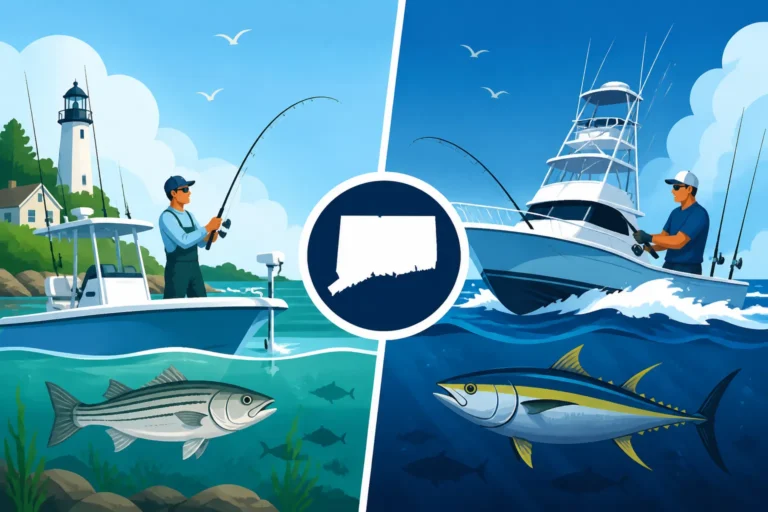
Fluke, also known as summer flounder, are masters of camouflage and ambush. They spend a lot of their time lying flat on the bottom, often partially buried in sand or mud, waiting for an unsuspecting meal to swim by. This predatory nature makes them prime targets for artificial lures that mimic injured baitfish or crustaceans. In Long Island Sound, you’ll find fluke moving between various depths throughout the season, but they generally prefer areas with sandy or muddy bottoms adjacent to structure, such as rocky outcroppings, mussel beds, channel edges, and even artificial reefs or wrecks. These spots provide cover and concentrate baitfish, creating perfect ambush points for hungry fluke.
As the water temperatures change, so do the habits of fluke. In the cooler waters of spring, they might be found in shallower, warming flats. As summer progresses and the inshore waters heat up, larger fluke often migrate to deeper, cooler channels and around underwater structures. A good charter captain, especially one focused on jigging, will have an intimate understanding of these seasonal movements and specific locations. They know exactly where the fish are holding and, crucially, how to get their jigs right in front of them. It's not just about finding fish; it's about presenting the lure in a way that triggers an aggressive strike. If you're looking to dive deeper into where these fish hang out, you might find our guide on Fluke Habits in Long Island Sound quite helpful.
The Advantages of Jigging Over Traditional Bait Fishing
While bait fishing with squid strips, spearing, or killifish is undeniably effective for fluke, jigging offers several distinct advantages that appeal to many anglers, particularly those who prefer a more active and engaging style of fishing.
First and foremost, jigging is an active pursuit. You're constantly working your lure, imparting action, and feeling for the slightest tap. This interaction keeps you more engaged in the fishing process rather than just waiting for a bite. Secondly, jigs, especially bucktails tipped with soft plastics or bait, allow you to precisely target specific depths and structures. If the fish finder shows fluke concentrated along a channel edge or a particular bump on the bottom, you can drop a jig right into that zone and work it meticulously. This precision can be incredibly effective when fluke are holding tight to structure.
Third, jigging allows you to cover more ground. A well-placed cast and retrieve, or a strategic drift, means your lure is moving through more potential fish-holding areas than a static bait rig. This can be a game-changer on days when fish are scattered or actively chasing bait. Finally, the strikes on a jig are often more aggressive and definitive. Fluke tend to hit a moving jig with conviction, making for an exciting fight. While bait fishing certainly has its place, many anglers find the dynamic nature of jigging to be more rewarding, especially when targeting larger "doormat" fluke. To really dial in your approach, check out Jigging for Fluke in Long Island Sound for more technique insights.
What Makes a Charter Great for Jigging Fluke?
Not all fishing charters are created equal, especially when you're looking for a specific technique like jigging for fluke. A truly great jigging charter in Connecticut will have a combination of the right gear, an experienced captain with hyper-local knowledge, and a reputation built on success and angler satisfaction.
Essential Gear and Boat Setup for Jigging Success
The quality and suitability of the gear on board make a massive difference for a dedicated fluke jigging trip. You’re not just looking for any old rod and reel; you need setups that are optimized for jigging. This means light to medium-light spinning or conventional rod and reel combos, often spooled with braided line for sensitivity, and a fluorocarbon leader for abrasion resistance and stealth. The rods should have a sensitive tip to detect subtle bites, but enough backbone to handle a powerful fluke. The reels should be smooth and reliable, capable of handling repeated drops and retrieves.
Beyond the rod and reel, a top-tier jigging charter will have a diverse selection of jigs readily available. This includes various weights of bucktails (from 1/2 oz for shallower drifts to 3 oz or more for deeper water and stronger currents), in a range of colors like white, chartreuse, pink, and glow. They'll also likely have a good stock of soft plastic trailers, such as Berkley Gulp! grubs, swimming mullets, or fluke belly strips, to tip the jigs.
The boat itself also plays a role. Good fish finders (sonars) are crucial for identifying bottom structure, baitfish schools, and even individual fluke. Ample deck space is also a plus, allowing multiple anglers to cast, drift, and jig comfortably without getting tangled. Look for charters that specifically mention light tackle, jigging, or targeting fluke with artificials in their descriptions. Platforms like FishingBooker are great for this, as you can often filter by technique or read detailed descriptions of what each captain specializes in.
The Captain's Expertise and Local Knowledge
This is perhaps the most critical component of a successful fluke jigging charter. Anyone can motor out to a general area, but a truly excellent captain possesses an encyclopedic knowledge of Connecticut's Long Island Sound and its fluke population. This isn't just about knowing where the fish might be; it's about knowing exactly where they are on a given tide, at a specific water temperature, and under particular weather conditions.
Their expertise will manifest in several ways:
- Reading the Bottom: They'll know every reef, wreck, rock pile, channel edge, and subtle contour where fluke like to hide. They can interpret their sonar display to pinpoint these structures and identify bait concentrations.
- Understanding Tides and Currents: Long Island Sound is heavily influenced by tides and currents. A skilled captain knows how to position the boat for the optimal drift, ensuring your jigs are presented naturally and effectively. They know which tides turn on the bite and which ones make fishing difficult.
- Jigging Techniques: While they'll encourage you to experiment, a good captain can provide invaluable instruction on proper jigging techniques – whether it's a sharp snap, a slow drag, or a gentle bounce. They can help you adapt your presentation based on the conditions and the fluke's mood.
- Adapting to Conditions: Weather, bait presence, and fish activity change constantly. A veteran captain can quickly adapt, moving to new spots, changing tactics, or adjusting jig weights to keep you on the fish.
When researching, pay close attention to reviews where anglers specifically praise the captain's ability to find fish and their knowledge of jigging techniques. Don't hesitate to call a charter and ask directly about their experience with jigging for fluke.
Finding Reputable Fluke Jigging Charters
So, how do you find these gem charters that specialize in putting you on fluke with jigs? It takes a little homework, but it's worth the effort.
- Online Search & Directories: Start with a broad search. Websites like FishingBooker are fantastic resources because they list numerous charters, often with detailed profiles, photos, and, most importantly, user reviews. You can often filter by location (e.g., Niantic, Old Saybrook, Norwalk), and even by target species and preferred techniques. Look for captains who explicitly mention "light tackle fluke," "bucktailing," or "jigging for summer flounder."
- Word of Mouth & Local Bait Shops: Sometimes the best recommendations come from other anglers. Talk to people at local marinas or bait and tackle shops; they often have the inside scoop on who’s hot and who specializes in what.
- Read Reviews Carefully: When sifting through reviews, look beyond just "caught fish." Seek out comments that specifically mention the captain's skill in finding structure, their knowledge of jigging, and their willingness to teach and guide. A charter that consistently gets rave reviews for their fluke trips is a strong contender.
- Ask Questions: Don't be shy! Call the charter captain directly. Ask about the type of rods and reels they provide, their typical jigging methods, and what kind of fluke fishing conditions they prefer. A captain who is passionate about jigging will be happy to discuss it.
- Look for Specialization: While many charters are generalists, some truly specialize. If a captain primarily promotes fluke jigging trips, that's a good sign they've invested in the right gear, spots, and techniques for that specific pursuit. For general guidance on choosing a charter, our article How to Choose a Connecticut Fishing Charter can offer some broader advice.
Here's a quick comparison of what to look for:
| Feature | General Charter (might offer fluke) | Dedicated Fluke Jigging Charter |
|---|---|---|
| Rods/Reels | Heavy bottom fishing gear, maybe. | Light, sensitive jigging setups. |
| Jig Selection | Limited, mostly for bait rigs. | Wide array of bucktails, soft plastics. |
| Captain's Focus | Any fish biting that day, bait. | Actively seeking fluke-holding structure. |
| Boat Positioning | General drifts over flat bottom. | Precise drifts over specific humps, channels. |
| Instruction | Basic, if requested. | Proactive teaching of jigging techniques. |
| Fish Finder Use | Locating bait or general bottom. | Pinpointing individual fish, bottom features. |
Preparing for Your Connecticut Fluke Jigging Trip
You've found the perfect charter, now it's time to get ready! Knowing what to expect and how to prepare will ensure you have a comfortable, successful, and most importantly, fun day on the water.
Best Time of Year and Conditions for Jigging Fluke
The fluke season in Connecticut typically runs from late spring through early fall, with specific dates set by regulations. Generally, the prime time for jigging fluke in Long Island Sound tends to be from late May through September.
- Spring (May-June): As water temperatures rise, fluke move into shallower bays and flats. Jigging can be excellent as they feed aggressively after the colder months.
- Summer (July-August): This is often peak season. While some fluke may move to deeper, cooler water, many larger "doormats" are still accessible around structure and in deeper channels. Early mornings and late afternoons can be particularly productive.
- Fall (September-October): As water cools, fluke begin their migration out of the Sound, often concentrating in deeper channels and around major points before heading offshore. This can be a fantastic time for big fish if you hit the migration right.
Beyond the time of year, certain conditions can make for a better jigging experience. Less wind and manageable currents are ideal, as they allow for better boat control and a more natural jig presentation. Strong winds make it hard to feel bites and keep your jig on the bottom. Tides are also crucial; often, a moving tide is best as it encourages fluke to feed and positions them along current breaks. However, the exact ideal tide (incoming vs. outgoing, or even slack water around structure) can vary by spot and the captain's preference. Best Time of Year to Fish in Connecticut can give you a broader overview of seasonal fishing in the state. Always check the current Connecticut Fluke and Summer Flounder Regulations before your trip to be aware of size and bag limits.
What to Bring and What to Expect on Board
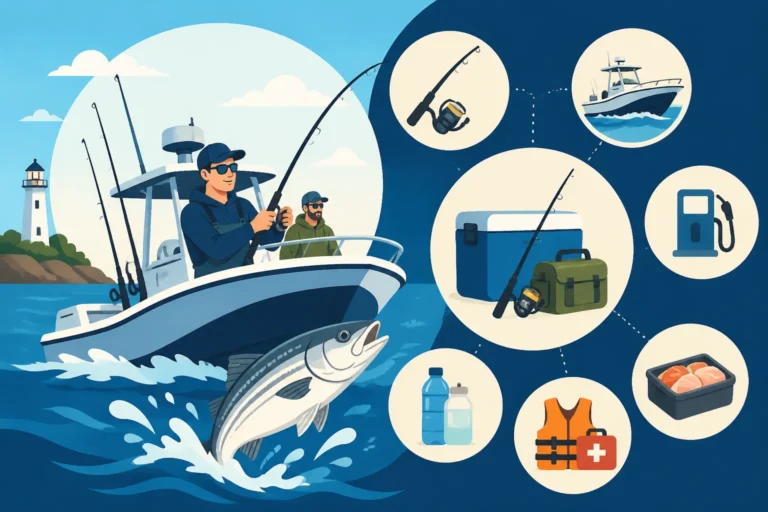
Even if your charter provides all the fishing gear, there are still some essentials you'll want to bring for a comfortable day on the water:
- Layered Clothing: Coastal weather can change rapidly. Bring layers, including a rain jacket, even if the forecast looks clear.
- Hat and Sunglasses: Protection from the sun is crucial. Polarized sunglasses will also help you spot subtle movements in the water.
- Sunscreen: Don't forget it, even on cloudy days. The sun reflecting off the water can be intense.
- Non-Slip Shoes: Boat decks can be wet and slippery.
- Food and Drinks: Most charters don't provide meals. Pack a cooler with your preferred snacks and beverages.
- Camera: To capture those memorable catches!
- Small Cooler for Your Catch: If you plan on keeping fish, bring a cooler to transport them home. Many charters will clean and bag your fish for you, but confirm this beforehand.
- Motion Sickness Medication: If you're prone to seasickness, take preventative measures before you board.
- Gratuity: It's customary to tip the mate (if there is one) and captain for their hard work.
What to Expect:
A good fluke jigging charter will usually provide high-quality rods and reels specifically suited for the technique, along with a variety of jigs and often Gulp! or other bait to tip them. The captain and crew will be attentive, helping you with knots, untangling lines, and offering advice on jigging techniques. They'll also handle the boat expertly, positioning you over productive areas. Most will clean and bag your catch at the end of the trip, but it's always good to ask about this service when booking. For a general checklist, consider reading What to Bring on a Connecticut Fishing Charter.
Techniques You Might Learn or Use
While jigging for fluke seems straightforward, there are nuances that a good charter captain can teach you. You'll likely use or refine several techniques:
- Vertical Jigging: This involves dropping your jig straight down to the bottom, lifting it a few feet, and letting it fall back. The goal is to imitate a fleeing or wounded baitfish. The lift can be a sharp snap or a gentle twitch, depending on what the fish prefer that day. You'll want to maintain contact with the bottom, but not drag it endlessly, as that can lead to snags.
- Casting and Retrieving: Especially in shallower areas or when targeting specific structure, casting your jig out and retrieving it with a hopping or bouncing motion can be incredibly effective. This allows you to cover a wider area.
- Bouncing the Bottom / Drifting: As the boat drifts, you'll let your jig hit the bottom, then lift it slightly (maybe 6-12 inches) and let it fall again as the boat moves. This "bouncing" action keeps the jig in the strike zone and makes it look like a natural prey item. Many anglers also like to add a teaser fly a foot or two above their jig to mimic a small baitfish trying to escape.
- The "Doormat" Retrieve: For really large fluke, sometimes a slower, more deliberate retrieve with longer pauses can entice a strike. These big fish aren't always in a hurry.
- Using Scent and Trailers: Tipping your jig with a piece of natural bait (like squid or a strip of fluke belly) or a scented soft plastic (like Berkley Gulp!) can significantly increase your strike rate. The captain will typically have these on board.
- Feeling the Bite and Setting the Hook: Fluke bites can range from a subtle "tick" to a hard thump. A light, sensitive rod and braided line are essential for feeling these bites. When you feel that tap, a quick, firm sweep of the rod tip is usually all it takes to set the hook.
A dedicated jigging charter captain will be an excellent resource for refining these techniques, helping you adjust to the current conditions, and teaching you how to effectively work your lure to entice those elusive doormats. Remember, practice makes perfect, and a day on a good charter is a fantastic way to learn from the pros! You can often find a great selection of experienced captains and read reviews on their specialized techniques on sites like FishingBooker.
Disclaimer
This article is for general informational purposes only and does not constitute professional advice. Laws, prices and regulations vary by location and change over time. Consult a qualified professional for guidance on your specific situation.