Best Charters Out of Norwalk Connecticut
Finding the perfect fishing charter in a bustling coastal town can feel like navigating a maze, especially when you're dreaming of a day out on the water but are unsure where to start. Norwalk, Connecticut, with its prime location on Long Island Sound, offers a fantastic array of fishing opportunities, but knowing which charter is right for you, what to expect, and how to prepare is key to a successful trip. This comprehensive guide will walk you through everything you need to know about booking and enjoying the best fishing charters operating out of Norwalk, ensuring your time on the water is memorable, productive, and hassle-free.
Why Norwalk is a Premier Fishing Hub on Long Island Sound
Norwalk isn't just a pretty coastal city; it's a genuine hotspot for anglers looking to tap into the rich fisheries of Long Island Sound. Its strategic position offers immediate access to diverse habitats, making it a favorite launching point for charter captains and recreational fishermen alike. It's truly a place where the urban meets the wild, providing unparalleled angling experiences without having to travel far offshore.
Strategic Location and Diverse Fishery
Norwalk's location along the northern shore of Long Island Sound is nothing short of ideal. The city boasts a complex coastline with tidal rivers, expansive salt marshes, rocky ledges, and deep channels, all contributing to an incredibly diverse marine ecosystem. This means that depending on the season and your target species, captains can easily navigate to prime fishing grounds for a variety of popular game fish. You're not just limited to one type of fishing; whether you prefer shallow water action or heading out to deeper reefs, Norwalk has it all within easy reach. The presence of significant estuaries like the Norwalk River further enriches the local waters, acting as nurseries and feeding grounds that attract baitfish, which in turn draw in larger predatory species.
This ecological diversity translates directly into a broader range of fishing opportunities. Anglers departing from Norwalk can find themselves targeting migratory species like striped bass and bluefish that patrol the coastline, or venturing to rocky bottoms for blackfish and black sea bass. The protected nature of the Sound often means calmer waters compared to the open ocean, making it a more comfortable experience for those prone to seasickness or families with young children. Charter captains based here have spent years, even decades, learning the nuances of these specific waters, from subtle current breaks to hidden rock piles and mussel beds that hold fish. Their intimate knowledge of the local contours and feeding patterns is truly invaluable, and it's a huge reason why Norwalk stands out as a fishing destination.
Ease of Access and Marina Infrastructure
One of the often-underestimated benefits of fishing out of Norwalk is the excellent infrastructure it offers. The city is easily accessible from major highways, making it convenient for anglers traveling from across Connecticut and even neighboring states like New York. You won't spend hours driving down winding country roads just to reach the dock. Upon arrival, Norwalk's marinas are well-equipped, providing ample parking, fuel, tackle shops, and often, even restaurants for a pre-trip breakfast or a post-trip celebratory meal. This convenience is a huge factor, especially when you're trying to wrangle kids and gear before a dawn departure.
The marinas themselves are home to a strong fleet of charter boats, from nimble center consoles perfect for light tackle action to larger, more stable vessels capable of handling bigger groups or choppier conditions. These facilities are generally well-maintained and provide safe, easy boarding for passengers, which is crucial for a smooth start to any fishing trip. Best Fishing Charters in Connecticut often highlight towns with good infrastructure, and Norwalk definitely fits the bill. The local community also has a deep appreciation for its maritime heritage, fostering a supportive environment for fishing enthusiasts. When you book a charter out of Norwalk, you're not just getting a boat and a captain; you're leveraging a whole ecosystem designed to support a fantastic day of fishing.
What to Expect from Norwalk Fishing Charters
Embarking on a fishing charter is an exciting prospect, but knowing what to anticipate can really help manage expectations and ensure a truly enjoyable experience. Norwalk's charters generally offer a high standard of service, tailored to various preferences and skill levels. However, understanding the specifics of target species, trip durations, and what's included will allow you to choose the perfect outing.
Target Species and Seasonal Opportunities
The beauty of Norwalk's location is the wide variety of fish you can target throughout the year, with specific species peaking in different seasons. This means that no matter when you visit, there's usually something biting!
- Spring (April-May): As the waters warm up, migratory species like Striped Bass Fishing in Long Island Sound begin to arrive. These early season stripers are often eager biters. Winter flounder can also be a popular target, providing some delicious table fare.
- Summer (June-August): This is prime time for a diverse range of species. Striped bass are still strong, often found in rips and around structure. Fluke Fishing in Long Island Sound becomes excellent, with charters targeting these flatfish over sandy bottoms. Bluefish arrive in force, offering aggressive strikes and a thrilling fight. Black Sea Bass Fishing in Connecticut also kicks into high gear, especially around deeper reefs and wrecks.
- Fall (September-November): Many consider autumn the best fishing season. Striped bass and bluefish engage in their "fall run," feeding aggressively before migrating south. This is also the peak season for Blackfish (Tautog) Fishing in Connecticut, a challenging but rewarding species found around rocky areas and mussel beds. Scup (porgy) provide consistent action and are great for family trips.
When speaking with a Norwalk charter captain, they'll be able to give you the most current information on what's biting best. Don't be shy about asking what their primary targets are for your chosen dates. Remember to also be aware of Connecticut Fishing Season Dates and Closures for specific species, as these regulations are in place to protect fish populations.
Types of Charters Offered (Half-Day, Full-Day, Private, Shared)
Norwalk charters cater to a variety of schedules and budgets, offering flexible options to suit different groups. Understanding these formats can help you pick the best fit for your adventure.
- Half-Day Charters: These are typically 4-5 hours long and are fantastic for families, beginners, or those with limited time. They offer enough time to get to the fishing grounds, catch some fish, and get back without feeling rushed or overwhelmed. Many find half-day trips perfect for introducing kids to fishing, as shorter durations keep their attention better. They are also often more budget-friendly.
- Full-Day Charters: Ranging from 7-9 hours, full-day trips allow for more travel time to farther fishing grounds and more fishing time overall. This is where you can really target specific trophy fish, try different techniques, or go after multiple species. Serious anglers or groups looking for a more immersive experience often opt for a full-day trip. These trips often provide a more relaxed pace on the water, allowing for deeper exploration of various fishing spots.
- Private Charters: This is when you book the entire boat for your group, whether it's two people or six (depending on the boat's capacity). Private charters offer the ultimate flexibility in terms of target species, fishing locations, and departure times (within reason). You get personalized attention from the captain and mate, making it ideal for special occasions, corporate outings, or a group of dedicated anglers. You can set the agenda, within the captain's expert advice, and truly customize your day.
- Shared (Open Boat) Charters: If you're an individual angler, a pair, or a small group not looking to book an entire boat, shared charters are a great option. On these trips, you pay per person and join other anglers on the boat. It's a more economical way to experience a charter and a fantastic opportunity to meet fellow fishing enthusiasts. While you might not have as much control over the itinerary, captains on shared trips are usually adept at putting everyone on fish. Best Shared Fishing Charters in Connecticut often depart from active ports like Norwalk.
It's worth discussing with the charter operator whether you prefer a private or shared experience and how long you want to be on the water. Many boats specialize, so finding the right fit for your group size and fishing goals is crucial.
Gear, Bait, and Licensing: What's Provided and What You Need
One of the biggest advantages of booking a fishing charter is that you usually don't need to bring much of your own gear. Norwalk charters are typically well-equipped to handle all your angling needs, taking a significant burden off your shoulders.
Most reputable charters provide high-quality rods, reels, and tackle appropriate for the target species. They'll also supply all the necessary bait, whether it's live bunker for striped bass, squid for fluke, or green crabs for blackfish. This is a huge cost-saver and ensures you're using gear that's properly maintained and effective for local conditions. The captain and crew will also handle rigging your lines, instructing you on proper technique, and even removing fish from hooks and netting your catch. This makes it incredibly easy for beginners or those who don't want to deal with the messy parts of fishing. What Gear a Connecticut Charter Provides is a common question, and generally, you can expect all the essentials.
Regarding licensing, a major relief for many anglers is that you typically do NOT need to purchase your own Connecticut fishing license when fishing on a licensed charter vessel. The vessel itself operates under a blanket license that covers all passengers. However, it's always wise to confirm this with your specific charter captain when booking, as policies can vary or regulations might change. It's a fantastic perk that simplifies the process, especially for out-of-state visitors. You still need to adhere to all state and federal regulations regarding size limits, bag limits, and seasons for the fish you catch, but your captain will be an expert on all of these rules.
Key Factors to Consider When Choosing a Norwalk Charter
Selecting the right fishing charter can make or break your trip. With several excellent options available out of Norwalk, it’s important to know what qualities to look for beyond just the price tag. You want a captain and crew who are not only skilled but also passionate about providing a great experience.
Captain's Experience and Local Knowledge
This is perhaps the most critical factor. A captain with years of experience fishing Long Island Sound, specifically out of Norwalk, possesses an invaluable understanding of the local waters. They know the currents, the tides, the seasonal movements of baitfish, and the specific structures where different species congregate. A seasoned captain can quickly adapt to changing conditions, finding fish even on tough days. They've spent countless hours on the water, compiling a mental map of productive spots, from hidden reefs to subtle channels.
Beyond just knowing where the fish are, an experienced captain understands how to catch them. They'll guide you on the best baits, lures, techniques, and retrieve speeds. Moreover, a good captain prioritizes safety above all else. They'll be intimately familiar with their vessel, equipped with all necessary safety gear, and capable of navigating any conditions that might arise. Don't hesitate to ask about a captain's experience level or how long they've been operating out of Norwalk. Word-of-mouth and online reviews can also offer great insights into a captain's reputation and expertise. After all, you're investing in their knowledge and skill to lead you to the fish!
Boat Features and Comfort
The vessel itself plays a huge role in your comfort and enjoyment, especially on longer trips. Consider the type of boat, its size, and the amenities it offers.
- Size and Stability: Larger boats generally provide a more stable ride, which can be a blessing on choppier days or if anyone in your group is prone to seasickness. However, smaller, faster boats might be able to reach certain shallow-water spots that bigger vessels cannot. Think about your group size and comfort preferences.
- Deck Space: Is there enough room for everyone to fish comfortably without constantly bumping elbows? Adequate deck space is crucial for an enjoyable experience, particularly if you have multiple lines in the water simultaneously.
- Amenities: Does the boat have a clean, functioning head (restroom)? This is often a non-negotiable for family trips. Is there a shaded area or cabin to escape the sun or a sudden rain shower? Does it have a good sound system, or comfortable seating? Some boats offer advanced electronics like fish finders and radar, which, while standard on most charters, can vary in sophistication. What to Expect on a Connecticut Fishing Charter often details these amenities. If you have specific needs or preferences, always ask the charter operator beforehand. A comfortable boat enhances the entire fishing experience.
Booking and Communication
The process of booking your charter should be straightforward and transparent. Good communication from the charter company or captain is a sign of professionalism and reliability.
When you're ready to book, look for charters that offer clear pricing, availability, and policies regarding deposits and cancellations. Many modern charter services, like those found on platforms such as FishingBooker, provide detailed listings for Norwalk charters, including photos of the boat, species targeted, trip types, and direct booking options. FishingBooker can be a great resource for comparing different captains and boats side-by-side, reading reviews from past clients, and easily communicating with captains before committing.
Once booked, a good captain or their booking agent will keep you informed about weather conditions, meeting times, and any specific items you might need to bring. They should be responsive to your questions and willing to offer advice for your trip. Don't underestimate the value of prompt, clear communication; it sets the tone for a smooth and enjoyable experience from start to finish. When you're spending your hard-earned money and precious leisure time, you deserve to feel confident and well-informed about your upcoming adventure.
Top Species to Target with Norwalk Charters
One of the great joys of fishing from Norwalk is the incredible variety of game fish that call Long Island Sound home. Depending on the season and your preference, you can target hard-fighting predators or delicious table fare. Your charter captain will know exactly where to find them and what techniques will be most effective.
Striped Bass and Bluefish
Ah, the kings of Long Island Sound! Striped bass and bluefish are arguably the most popular targets for anglers out of Norwalk, and for good reason. They are plentiful, aggressive, and put up a fantastic fight.
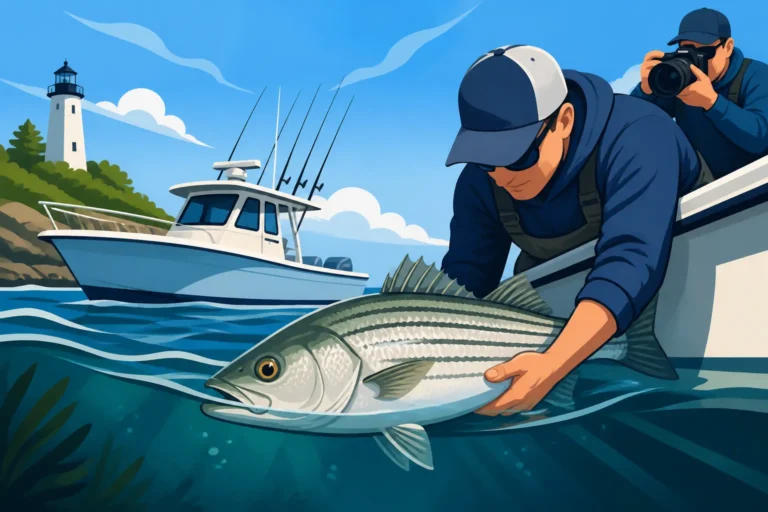
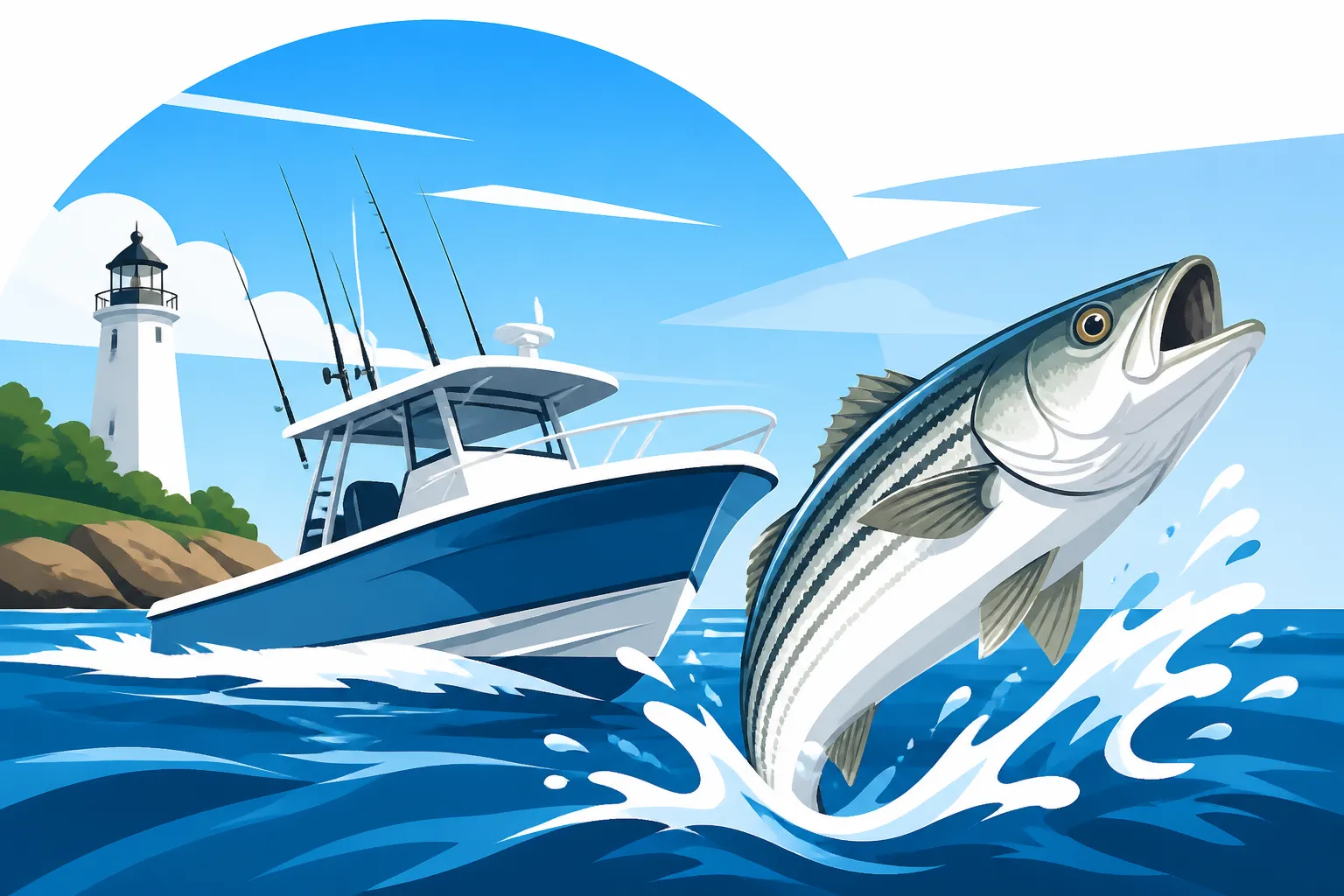
Striped Bass are magnificent fish, known for their powerful runs and impressive size. They migrate into Long Island Sound in spring and stay through the fall, often following schools of baitfish like bunker (menhaden) and herring. Norwalk charters target stripers using a variety of methods, including live bait (especially bunker), chunks of bait on the bottom, trolling tube-and-worm rigs, or casting artificial lures like topwater plugs, swim shads, or jigs around rips, rocky points, and structure. Early mornings and evenings, particularly around tide changes, are often the most productive times. A good captain will know the specific currents and bottom contours near Norwalk that hold these trophy fish. Catching a "keeper" striped bass within the slot limit is a true thrill, and even smaller "schoolie" stripers provide exciting action on light tackle. Many anglers also enjoy the challenge of catch-and-release fishing for these powerful creatures.
Bluefish are the other main predator in the Sound, often found in the same areas as stripers. They are fiercely aggressive, fight incredibly hard, and are notorious for their razor-sharp teeth, which can quickly shred soft plastic lures. Bluefish typically arrive a bit later than stripers in the late spring and stay through the fall. Charters often target them with metal jigs, poppers, or by trolling spoons. When a school of bluefish is on the feed, the action can be non-stop and absolutely exhilarating. They are perfect for anglers looking for consistent, hard-hitting bites. While perhaps not as coveted as striped bass for table fare by some, smaller "snapper" bluefish are excellent grilled, and the sheer fight of a large chopper blue is an experience in itself. Many anglers find the intense, adrenaline-pumping action of bluefish invaluable.
Fluke (Summer Flounder) and Black Sea Bass
For those who prefer bottom fishing and the prospect of a delicious seafood dinner, fluke and black sea bass are excellent choices from Norwalk. These species are abundant and provide consistent action during their respective seasons.
Fluke, also known as summer flounder, are highly prized for their tender, flaky white meat. They are a quintessential summer target in Long Island Sound, typically found over sandy or muddy bottoms, often near structure or changes in depth. Norwalk charters primarily target fluke by drifting bait and jigs. A classic setup involves a bucktail jig tipped with a strip of squid or a piece of Berkley Gulp, fished close to the bottom. The trick is to keep your bait in the "strike zone" as the boat drifts, often requiring precise jigging motions. Captains will position the boat to drift over known fluke haunts, such as channels, edges of shoals, and underwater depressions. The bite can be subtle, a gentle tug or a sudden weight, but once hooked, fluke offer a spirited fight with headshakes and strong pulls. Fluke Habits in Long Island Sound describes their preference for specific bottom types and structures. They are a fantastic species for all skill levels, offering both fun and a delicious reward.
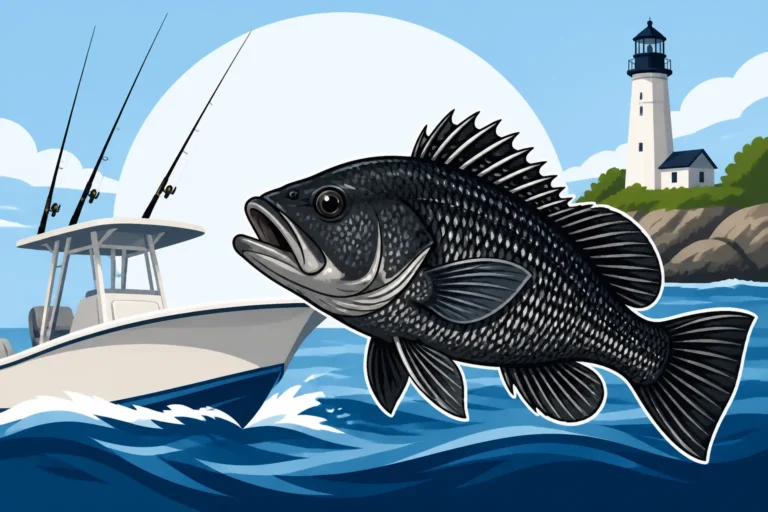
Black Sea Bass are another incredibly popular and highly sought-after bottom fish in Connecticut waters. They are beautiful, dark-colored fish with firm, white meat that is universally regarded as excellent eating. Black sea bass prefer rocky bottoms, wrecks, reefs, and other hard structure where they can hide and ambush prey. Norwalk charters target them using bait (squid, clam, crabs) fished on high-low rigs or by jigging with metal or soft plastic jigs. The season for black sea bass in Connecticut is typically open during specific windows, so it's essential to check Connecticut Saltwater Fishing Regulations by Species before planning your trip. When you find a good black sea bass spot, the action can be fast and furious, with multiple hook-ups. They are tenacious fighters for their size, and their quick, sharp bites make for an engaging fishing experience.
Blackfish (Tautog) and Scup (Porgy)
Rounding out the popular bottom-dwelling species available from Norwalk are blackfish and scup, offering unique challenges and consistent action.
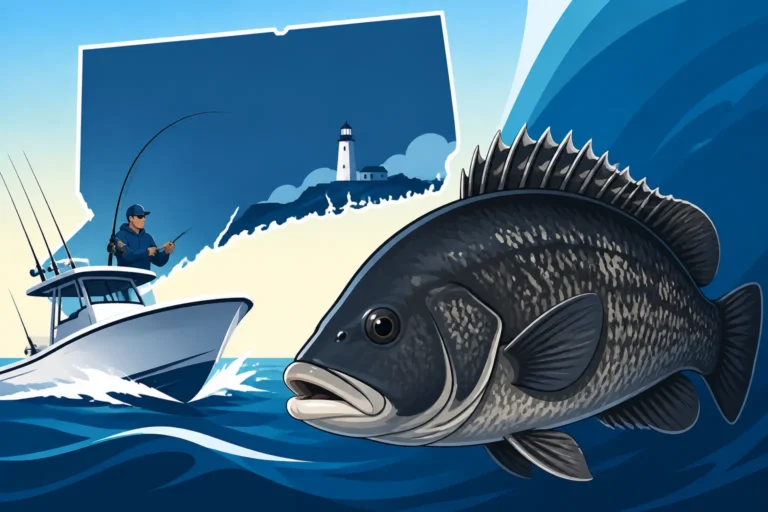
Blackfish, or tautog, are legendary for their incredible fighting power and their preference for rocky, snag-filled environments. These fish are masters of their domain, often found clinging to mussel beds, oyster reefs, rock piles, and submerged structures. They have powerful jaws and teeth designed to crush shellfish and crabs, which are their primary food source and the preferred baits used by anglers. Green crabs and Asian crabs are typically threaded onto stout hooks and presented directly into the fish's rocky lair. Catching blackfish is often described as a game of "chess" with the fish, requiring patience, quick reflexes to detect the subtle bite, and brute strength to pull them away from the snags. The season for blackfish is typically in spring and, more prominently, in the fall, offering some of the most exciting and challenging bottom fishing available. Blackfish Habits Around Structure reveals just how tough these fish can be. They are also highly prized for their firm, white meat.
Scup, commonly known as porgy, are often overlooked but provide excellent, consistent action and are fantastic eating fish. These schooling bottom feeders are found over various bottom types, including sand, mud, and rubble, often in large aggregations. They are generally caught using small hooks baited with pieces of clam, squid, or seaworms fished on a bottom rig. Scup are prolific biters, making them an ideal target for beginners, children, or anyone looking for constant action. You can often catch dozens of scup in a single trip, filling coolers quickly. While they don't grow as large as striped bass or blackfish, their cooperative nature and delicious taste make them a highly enjoyable target. They are a perfect choice for a relaxed family outing, offering plenty of opportunities for everyone on board to reel in a fish.
Preparing for Your Norwalk Fishing Adventure
A successful fishing trip isn't just about catching fish; it's also about being prepared for the elements and having the right mindset. Taking a few simple steps before you board your Norwalk charter can significantly enhance your experience.
Essential Items to Bring
While your charter will provide the fishing gear and bait, there are several personal items that you should definitely bring along to ensure your comfort and safety. Think layers, sun protection, and hydration.
- Sun Protection: Long hours on the water, even on cloudy days, can lead to serious sunburn. Bring a wide-brimmed hat, sunglasses (polarized ones are great for spotting fish!), and plenty of reef-safe sunscreen.
- Appropriate Clothing: Dress in layers! Even on a warm summer day, it can be significantly cooler on the water due, to sea breezes. A waterproof jacket is always a good idea, as unexpected showers can pop up. Comfortable, non-slip shoes are also essential for safety on a wet deck.
- Food and Drink: Most charters do not provide meals. Pack plenty of water, soft drinks, and snacks. A small cooler with ice for your provisions is often permitted and appreciated. If you're on a full-day trip, a packed lunch is a must.
- Medication: If you take any prescription medication, don't forget it. If you're prone to motion sickness, take preventative medication (like Dramamine or Bonine) before you board, as it's far more effective when taken ahead of time.
- Camera: You'll want to capture those memories, whether it's a trophy fish or a beautiful sunrise over Long Island Sound. Make sure it's waterproof or in a protective case.
- Small Backpack/Dry Bag: To keep your personal items organized and dry.
- Cooler for Your Catch (Optional): While some charters have ice, bringing your own cooler with ice in your car is smart for transporting your fillets home. Most captains or mates will clean and bag your catch for you at the end of the trip, making transport easy. This is a common practice covered in What to Bring on a Connecticut Fishing Charter.
Understanding Weather and Water Conditions
The weather on land can be very different from conditions on Long Island Sound. It's important to have a realistic understanding of how weather and water conditions can impact your trip.
Weather: Always check the marine forecast, not just the inland forecast, for your trip date. Pay attention to wind speed and direction, as these are the biggest factors influencing sea conditions. A good captain will monitor the forecast closely and make the call to cancel or reschedule if conditions are unsafe or too uncomfortable. Respect their decision; it's always for your safety and enjoyment. Even if the forecast is sunny, strong winds can whip up considerable chop.
Water Conditions: Tide plays a significant role in saltwater fishing. Certain species bite better on an incoming tide, others on an outgoing, and some prefer slack tide. Your captain will use their knowledge of the tides to position the boat in the most productive spots. Water temperature also influences fish behavior and where they might be found. While you don't need to be an expert on these, understanding that they are dynamic factors that impact fishing will help you appreciate the captain's strategy. Be prepared for the boat to move and drift throughout the day, and follow all safety instructions.
Etiquette and Tipping
Knowing the unspoken rules of charter fishing helps ensure a smooth and enjoyable trip for everyone, including the crew.
Respect the Crew and Boat: Listen carefully to the captain's safety briefing and any instructions from the mate. They are there to help you catch fish and stay safe. Keep the deck tidy, and treat the boat's equipment with care. If you have questions about technique, don't hesitate to ask! The crew is usually happy to offer advice.
Tipping: It is customary and highly appreciated to tip the mate (and often the captain if they're also serving as the mate) at the end of a successful trip. A general guideline is 15-20% of the charter fee, assuming good service. They work hard to ensure you have a great day, from baiting hooks and netting fish to cleaning your catch. This is a crucial part of their income. Always have cash on hand for this purpose. You can learn more about Tipping Etiquette for Connecticut Fishing Charters.
Sharing Space: On shared charters, be mindful of other anglers. Don't cast over their lines, and be prepared to reel in quickly if a fish is hooked by someone else to prevent tangles. Patience and cooperation make for a more pleasant experience for everyone.
Navigating the Booking Process for Norwalk Charters
Booking a fishing charter should be an exciting part of the anticipation, not a source of stress. Knowing how to research, communicate, and understand the terms will help you secure the perfect Norwalk fishing adventure.
Researching and Comparing Options Online
The first step in booking your Norwalk charter is doing your homework. There are numerous excellent captains and boats operating in the area, and each might offer a slightly different experience.
Start by looking at online platforms and direct websites for charters operating out of Norwalk. Pay close attention to reviews from previous customers. These provide invaluable insights into the captain's demeanor, the boat's condition, the fishing success rates, and the overall experience. Look for patterns in reviews – are people consistently praising the captain's patience with kids, or their ability to find trophy fish? Websites like FishingBooker are incredibly useful for this stage. They aggregate multiple charter listings, allowing you to filter by location, target species, trip duration, and even specific boat amenities. You can see photos of the boats, read detailed descriptions of the trips offered, and compare prices all in one place.
While browsing, consider what type of experience you're truly seeking. Are you after a specific species like Black Sea Bass Fishing in Connecticut, or are you happy to catch whatever's biting? Is this a hardcore fishing trip for experienced anglers, or a more relaxed, family-friendly outing? Matching your expectations with what a charter typically offers is key to a satisfying trip. Don't rush this research phase; a little extra effort here can lead to a much better experience on the water.
Communicating with Captains and Confirming Details
Once you've narrowed down your options, direct communication with the captain or their booking agent is the next crucial step. Don't be afraid to ask questions! A good captain will welcome your inquiries and provide clear, concise answers.
Key questions to ask might include:
- What species are you primarily targeting during my chosen dates, and what techniques will we use?
- What's the typical duration of the trip, and what time does it usually depart/return?
- Is bait, tackle, and ice included?
- What's the maximum number of passengers the boat can comfortably accommodate?
- What's your policy on adverse weather? How are cancellations and reschedules handled?
- Do I need to bring my own Connecticut fishing license? (Though as mentioned, typically no for licensed charters.)
- Are there any specific items you recommend I bring (or avoid bringing)?
Clear communication helps prevent misunderstandings and ensures everyone is on the same page. If you're using a platform like FishingBooker, you can often message captains directly through the platform, making it easy to get your questions answered before you book. This direct line of communication is vital for customizing your trip or clarifying any uncertainties you might have.
Understanding Deposits and Cancellation Policies
Before you finalize any booking, make sure you thoroughly understand the deposit requirements and the charter's cancellation policy. These can vary significantly from one operator to another.
Deposits: Most Norwalk charters will require a deposit to secure your booking, especially for private charters or during peak season. This deposit protects the captain's time and resources. Ensure you understand how much is required, when it's due, and what payment methods are accepted.
Cancellation Policies: This is a critical point. Life happens, and sometimes plans change, or adverse weather intervenes. A reputable charter will have a clear policy on cancellations due to weather (captain's discretion) versus client cancellations.
- Weather Cancellations: If the captain determines that conditions are unsafe or too poor for fishing (e.g., high winds, heavy seas, severe thunderstorms), they will usually offer to reschedule your trip or provide a full refund of your deposit. This is standard practice and demonstrates the captain's commitment to safety.
- Client Cancellations: If you need to cancel for personal reasons, there will usually be a specific timeframe within which you can do so for a full or partial refund. Cancelling last-minute often results in forfeiture of your deposit, as the captain likely turned away other bookings for your slot. Make sure you read the fine print before committing, so there are no surprises down the line. Knowing these policies upfront will give you peace of mind and help you plan your trip with confidence.
| Trip Type | Typical Duration | Ideal For | Pricing Model | Common Targets | Key Considerations |
|---|---|---|---|---|---|
| Half-Day | 4-5 hours | Families, beginners, shorter schedules | Per boat or per person | Striped Bass, Bluefish, Fluke | Less travel time, quicker action, good introduction |
| Full-Day | 7-9 hours | Serious anglers, multiple species, deeper water | Per boat or per person | Striped Bass, Black Sea Bass, Tautog | More time to explore, target larger fish, more immersive |
| Private | Flexible | Customizable, groups, special occasions | Per boat | Any seasonal species | Personalized attention, set your own agenda |
| Shared (Open) | Flexible | Individuals, small groups, budget-friendly | Per person | Varies by trip | Meet other anglers, less control over itinerary |
Disclaimer
This article is for general informational purposes only and does not constitute professional advice. Laws, prices and regulations vary by location and change over time. Consult a qualified professional for guidance on your specific situation.