Best crappie lakes in Connecticut
Finding the best crappie lakes in Connecticut can feel like a real treasure hunt. Many anglers get frustrated trying to pinpoint those elusive schooling fish, especially when some bodies of water seem to hold them in abundance while others are barren. This comprehensive guide is here to cut through that frustration, revealing Connecticut's top crappie havens and providing the essential techniques you need to fill your cooler with these delicious panfish.
Understanding Crappie in Connecticut Waters
Crappie are incredibly popular panfish, cherished by anglers for their aggressive bite and delicious white meat. But they're not just found anywhere; understanding their behavior and habitat preferences is key to consistently locating them. In Connecticut, you'll primarily encounter two species, each with subtle differences that can influence where and how you target them.
Identifying Crappie Species: Black vs. White Crappie
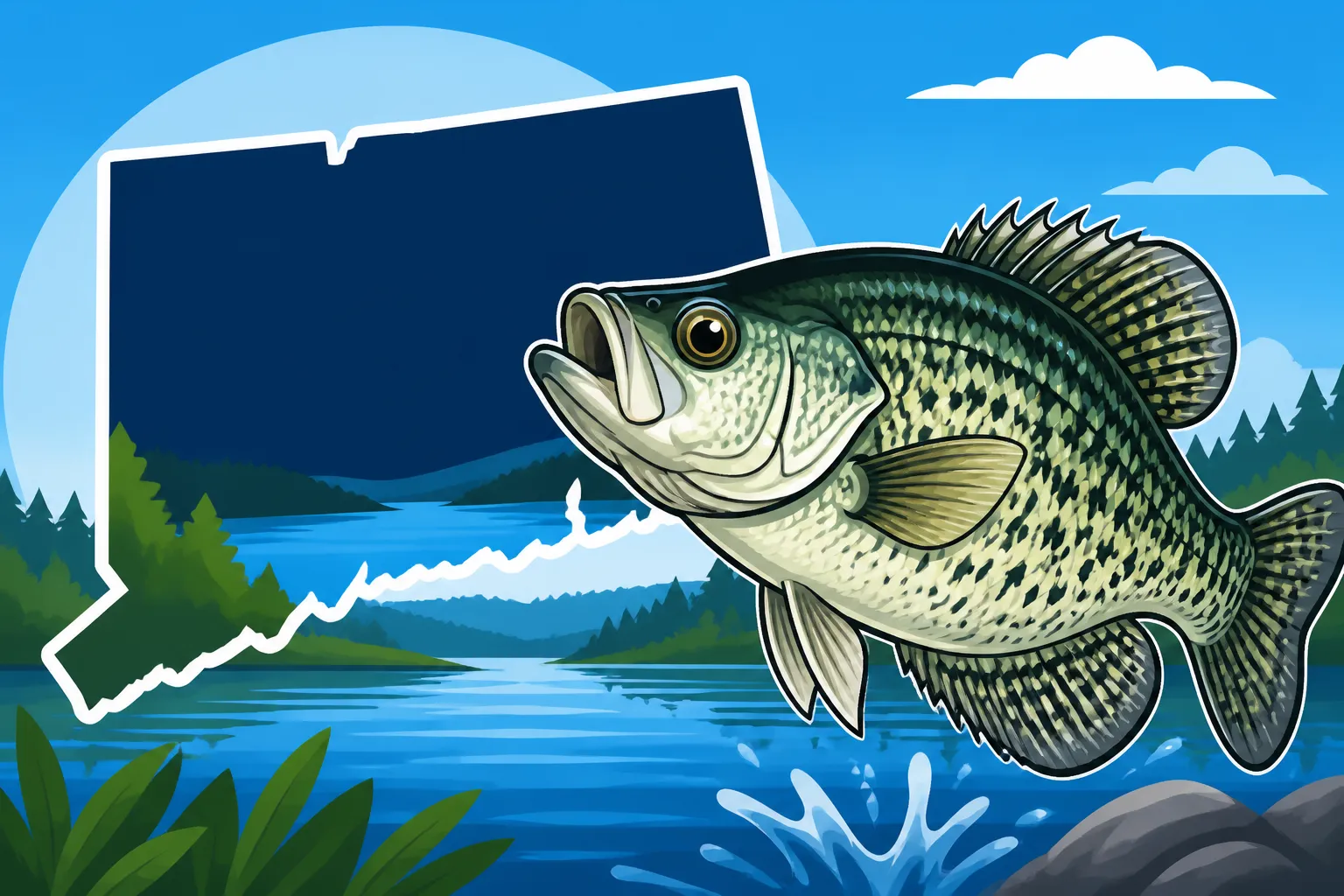
While often lumped together, black crappie and white crappie are distinct species, though they frequently coexist in the same waters. The easiest way to tell them apart is by their dorsal fin spines: black crappie typically have 7-8 dorsal spines, while white crappie usually have 5-6. Beyond that, black crappie tend to have an irregularly patterned, speckled body, almost like someone splattered paint on them, and they generally prefer clearer, cooler water with more submerged vegetation and structure. They are often found in deeper parts of lakes or around brush piles.
White crappie, on the other hand, usually exhibit a more uniform body color with distinct vertical bars or stripes, especially when they're actively feeding. They are more tolerant of turbid (murky) water and often thrive in larger, shallower impoundments and river backwaters. While both species are schooling fish, white crappie might be found in slightly larger, more active schools, especially in open water. Knowing which species is more prevalent in a particular lake can help you fine-tune your approach, but generally, techniques that work for one will work for the other.
Crappie Behavior and Habitat Preferences
Crappie are masters of relating to structure. Think about any submerged brush piles, fallen trees, old dock pilings, rock formations, or even bridge abutments — these are crappie magnets. They use these structures for cover, ambush points for baitfish, and as congregation areas, especially during cooler water temperatures. During the warmer months, they might suspend in open water, chasing schools of baitfish, making them a bit more challenging to locate without good sonar.
Their behavior is also highly influenced by the seasons. In spring, as water temperatures rise into the 50s and 60s Fahrenheit, crappie move into shallower waters to spawn. They'll seek out protected coves, flooded timber, or areas with dense aquatic vegetation. This is often when they are most accessible to shore anglers or those fishing from smaller boats. As summer progresses, they retreat to deeper, cooler water, often suspending over structure or congregating at thermoclines. Fall sees them schooling up again, feeding aggressively in preparation for winter, often moving closer to creek channels or deep structure. During winter, especially if ice forms, they'll hold in deep basins or around main lake points, usually suspended off the bottom. If you're looking for panfish throughout the year, understanding these seasonal movements is crucial for successful outings, whether you're targeting crappie or trying your hand at general Panfish Fishing in Connecticut.
Top Crappie Lakes and Ponds Across Connecticut
Connecticut boasts several fantastic lakes and ponds that hold healthy populations of crappie. While some might be known more for bass or trout, the savvy angler knows where to find the slab crappie. We're going to break down some of the best spots, moving from west to east across the state, giving you a regional perspective on where to cast your line.
Western Connecticut Hotspots
When it comes to Western Connecticut, a few names always come up for crappie, and for good reason. These larger lakes offer diverse habitats that crappie absolutely love, making them prime targets for anglers.
Candlewood Lake
Candlewood Lake is Connecticut's largest lake and a phenomenal multi-species fishery, including some truly impressive crappie. While often lauded for its bass fishing, the crappie population here is robust, with both black and white crappie present. Anglers often find success targeting crappie around the lake's abundant submerged timber, old foundations, and numerous dock structures, particularly in the larger coves. During the spring spawn, the shallower coves and protected areas, especially those with brush, are hotbeds of activity. As summer heats up, crappie will suspend over deeper humps and channels. Many anglers find great success using live minnows fished under a bobber or small jigs tipped with a grub. For a deeper dive into this fishery, you might want to check out our detailed Candlewood Lake Fishing Guide. Local charter services found on platforms like FishingBooker often know the prime crappie spots that casual anglers might miss, especially when the fish are suspended.
Lake Lillinonah
Just downstream from Candlewood, Lake Lillinonah is another jewel in Western Connecticut for crappie. This impoundment of the Housatonic River is known for its steep drop-offs, submerged timber, and deep river channels, all of which are ideal crappie habitat. Lillinonah tends to hold larger crappie on average, with some impressive slabs being pulled out each year. Focus your efforts around fallen trees along the banks, the numerous bridge pilings, and any significant changes in depth. Like Candlewood, spring is prime time in the shallow coves, but don't overlook fishing deeper structures during the summer and fall. Small jigs, particularly in chartreuse or white, work wonders here, as do small spinnerbaits.
Central Connecticut Gems
Moving into the central part of the state, we encounter a few more excellent crappie fisheries, each with its own unique character and reliable crappie action. These lakes offer a mix of sizes and environments, providing ample opportunity for crappie enthusiasts.
Lake Zoar
Lake Zoar, another impoundment on the Housatonic River, provides excellent crappie fishing, particularly for black crappie. This lake features extensive stretches of rocky shoreline, deep channels, and plenty of submerged brush, especially in its upper reaches. Crappie here are often found congregating around the various islands and rock piles. During the spring, anglers will find success in the protected coves and around any fallen trees. In summer, they tend to drop into the deeper sections, suspending over the old river channel or around bridge structures. FishingBooker can sometimes help connect you with local guides who specialize in Zoar's crappie, especially if you're looking to learn the ropes quickly. If you're keen to explore this water body further, consult our comprehensive Lake Zoar Fishing Guide.
Coventry Lake
Coventry Lake, a roughly 377-acre natural lake in Tolland County, is known for its healthy populations of both black and white crappie. The lake has good structure in the form of submerged weed lines, rock piles, and some deeper basins. Crappie tend to relate to these features throughout the year. Spring sees them in the shallower sections of the northern end and protected coves. During the warmer months, they'll often suspend over deeper weed edges or gather around the central basin's deeper humps. Small plastic jigs, 1/16 to 1/32 ounce, are extremely effective here, especially when vertically jigged or slowly retrieved. Live minnows are also a consistent producer, particularly when the bite is tough.
Eastern Connecticut Favorites
Eastern Connecticut, with its beautiful rolling hills and quaint towns, also holds some fantastic crappie fishing opportunities. These lakes, though sometimes smaller, are often brimming with healthy crappie populations that are eager to bite.
Gardner Lake
Gardner Lake, located in Salem, Bozrah, and Montville, is a sizable natural lake known for its clear waters and diverse fish population, including a strong crappie presence. Both black and white crappie are caught here regularly, and they often grow to impressive sizes. The lake features extensive submerged vegetation, rocky points, and some deeper holes, all providing excellent crappie habitat. Look for crappie around the weed lines, especially where they drop off into deeper water. In spring, the shallower bays and coves are excellent. During the colder months, crappie will suspend over the deeper basins. Light tackle, using small jigs or minnows under a float, is the go-to method. For broader information on fishing throughout the state, our article on Connecticut Fishing Regulations Explained can offer valuable insights before you head out.
Mashapaug Lake
Situated within Bigelow Hollow State Park in Union, Mashapaug Lake is another excellent choice for crappie in Eastern Connecticut. This beautiful lake offers pristine waters and a healthy crappie population that often goes unnoticed by anglers focused on other species. Crappie here relate to the lake's varying depths, submerged trees, and weed beds. The deeper sections of the lake and areas with significant underwater structure are key throughout the year. Ice fishing for crappie on Mashapaug can be particularly productive, with anglers often setting up tip-ups with minnows or jigging with small spoons. If you're planning a trip to this region, you can often find local bait shops or even guides through resources like FishingBooker who have up-to-date information on crappie movements.
Essential Techniques for Successful Crappie Fishing
Catching crappie consistently requires a specific approach, focusing on light tackle and presenting small baits or lures effectively. They're not brute fighters, but they are incredibly fun to catch, and once you find a school, the action can be non-stop.
Rods, Reels, and Line for Crappie
When it comes to crappie, think light, lighter, and lightest. A sensitive setup is paramount because crappie often have a very subtle bite, sometimes feeling like nothing more than a slight tap or just "weight" on the line.
The Perfect Rod and Reel Setup
For crappie, a light to ultralight spinning rod, typically 5 to 7 feet long, is ideal. The rod blank should have a soft tip that flexes easily, allowing you to detect those light bites and providing enough give to prevent tearing the hook out of their papery mouths. A fast action tip is often preferred for jigging, as it gives you sensitivity and quick hook-setting power. Pair this with a small, lightweight spinning reel (sizes 500 to 1000) that balances well with the rod. The reel should have a smooth drag system, which is crucial for handling larger crappie without breaking your light line. When considering a comprehensive view of freshwater targets, remember that crappie are often found in similar habitats to bass, so checking out the Best Bass Fishing Lakes in Connecticut might reveal additional crappie spots too.
Choosing the Right Line
Line choice is equally important. Most crappie anglers opt for monofilament or fluorocarbon lines in the 2 to 6-pound test range.
- Monofilament: This is a popular choice due to its stretch, which acts as a shock absorber, and its affordability. It also floats, which can be an advantage when fishing with bobbers.
- Fluorocarbon: While more expensive, fluorocarbon offers less stretch, excellent sensitivity, and is nearly invisible underwater, making it great for clear water conditions. It also sinks, which can be beneficial for getting small jigs down quickly.
- Braided Line (with leader): Some anglers prefer braided line for its extreme sensitivity and no-stretch properties, especially in deeper water. However, its visibility and lack of stretch can be a disadvantage directly to a lure. If using braid, tie on a 2-4 foot fluorocarbon leader using an Alberto or FG knot to provide the invisibility and some shock absorption.
Best Baits and Lures
Crappie are not particularly picky, but presenting something small and appealing is key. They primarily feed on small baitfish, insects, and crustaceans, so your offerings should mimic these food sources.
Live Bait Supremacy
When the bite is tough or you're just looking for consistent action, live bait is hard to beat for crappie.
- Minnows: Small live minnows, usually 1 to 2 inches long, are the undisputed champion. Hook them lightly through the lips or just behind the dorsal fin to keep them lively. Fish them under a bobber at various depths, or slow troll them behind the boat.
- Worms/Maggots: While not as universally effective as minnows for larger crappie, small pieces of nightcrawler or a few waxworms or mealworms can be very effective, especially for smaller crappie and other panfish. They are excellent choices if you're exploring Best Techniques for Panfish in Connecticut more broadly.
Artificial Lure Tactics
Artificial lures can be incredibly effective and offer the advantage of not needing to keep live bait alive.
- Jigs: This is probably the most versatile crappie lure. Small lead-head jigs, ranging from 1/32 to 1/8 ounce, tipped with soft plastic bodies are deadly. Popular plastic body styles include tiny tubes, grubs, swimbaits, and small curly-tailed worms. Colors like chartreuse, white, black, and various glitter combinations are often productive. Vary your retrieve, from a slow steady reel to a subtle jigging motion.
- Tiny Spinnerbaits/Underspins: Small spinnerbaits with single or tandem blades, or underspins (a jig head with a small spinner blade beneath it), can be excellent for covering water and triggering aggressive strikes, especially in slightly stained water.
- Blade Baits and Spoons: For deeper-holding crappie, small blade baits or vertical jigging spoons can be very effective. Drop them down to the desired depth and use short, sharp lifts and drops.
Seasonal Strategies for Crappie
Knowing where crappie are likely to be throughout the year is perhaps the most crucial element to success. Their movements are highly predictable based on water temperature and spawning cycles. For specific seasonal planning, remember to consult our guide on Connecticut Fishing Seasons by Month.
Spring Spawn Frenzy
As ice thaws and water temperatures climb into the 50s Fahrenheit (typically late March through May in Connecticut), crappie move shallow to spawn. This is arguably the easiest time to catch them. Focus on protected coves, shallow flats with submerged timber, lily pad fields, and brush piles in 2-8 feet of water. Fan-casting small jigs or minnows under a slip bobber in these areas will often lead to fast action. You can often see the fish or their beds in clearer water.
Summer Deep Water Holds
Once spawning is over and water temperatures rise into the 70s, crappie retreat to deeper, cooler water. They'll often suspend over creek channels, deep brush piles, offshore humps, or around bridge pilings at depths of 10-25 feet or more. A good fish finder becomes invaluable here. Look for schools of baitfish, and crappie won't be far behind. Vertical jigging small spoons or slow trolling live minnows or jigs at precise depths are effective strategies.
Fall Aggregation and Feeding
As autumn arrives and water temperatures begin to cool (late September through November), crappie start to school up again and feed heavily in preparation for winter. They often move back into shallower water during the day, particularly near main lake points or creek channel bends with access to deeper water. They will also be found around submerged structure, much like in the spring, but often slightly deeper. This is a great time for casting small jigs or slow trolling minnows.
Ice Fishing Action
If you're brave enough to venture out onto the hard water, Connecticut's frozen lakes can offer fantastic crappie ice fishing opportunities, usually from late December through February. Crappie will often congregate in deep basins, around submerged weed lines, or over main lake points. They typically suspend anywhere from a few feet off the bottom to halfway up the water column. Small jigging spoons, tiny tungsten jigs tipped with a grub or a single maggot, or small minnows on tip-ups are the most productive methods. Always check ice conditions carefully before venturing out.
Crappie Lakes and Key Features in Connecticut
To help you get started, here's a quick summary of some of the top crappie lakes in Connecticut, highlighting what makes them special for these speckled beauties.
| Lake Name | Primary Crappie Species | Key Features & Structure | Best Season | Recommended Techniques |
|---|---|---|---|---|
| Candlewood Lake | Black, White | Submerged timber, docks, deep coves, humps | Spring, Fall | Live minnows, small jigs |
| Lake Lillinonah | Black, White | Deep river channels, fallen trees, bridge pilings | Spring, Fall | Small jigs, live minnows |
| Lake Zoar | Black | Rocky shorelines, deep channels, submerged brush | Spring, Fall | Small jigs, live minnows |
| Coventry Lake | Black, White | Submerged weed lines, rock piles, deep basins | All Year | Small plastic jigs, minnows |
| Gardner Lake | Black, White | Extensive vegetation, rocky points, deep holes | Spring, Fall | Light tackle jigs, bobber/minnow |
| Mashapaug Lake | Black, White | Submerged trees, varying depths, weed beds | Spring, Ice | Jigging spoons, minnows on tip-ups |
| Bantam Lake | Black | Weed beds, fallen trees, shallow coves | Spring, Fall | Small jigs, bobber/minnow |
| Lake Saltonstall | Black | Deep structure, humps, sharp drop-offs | Summer, Fall | Vertical jigging, live minnows |
| East Twin Lake | Black | Clear water, deep humps, submerged structure | Summer, Fall | Light jigs, live minnows |
| Lake McDonough | Black | Deep water, submerged wood, rocky areas | Summer | Trolling small jigs, drop-shot |
This table provides a great starting point for your crappie adventures. Remember that conditions can change, so always be willing to adapt your approach. FishingBooker can also be a valuable resource if you're looking to book a guided trip to one of these lakes to quickly learn the local nuances.
Disclaimer
Please be aware that fishing regulations, including creel limits, minimum lengths, and season dates for crappie and other species, are subject to change by the Connecticut Department of Energy and Environmental Protection (DEEP). Always consult the most current official Connecticut Angler’s Guide before heading out on the water to ensure compliance with all state and local regulations. This guide provides general information and recommendations, but it is the angler's responsibility to adhere to all applicable laws.