Best largemouth bass ponds in Connecticut
It can be incredibly frustrating to sift through lists of massive lakes and popular rivers when all you really want to find are those smaller, quieter gems – the ponds – where you can truly connect with some hard-fighting largemouth bass. Connecticut, often lauded for its trout streams and exciting saltwater opportunities, sometimes has its fantastic pond fishing overlooked. This guide is here to change that, revealing some of the best largemouth bass ponds tucked away across the state, giving you the insider scoop on where to cast your line for a memorable freshwater adventure.
Why Connecticut's Ponds Offer Prime Largemouth Bass Action
Connecticut might be a small state, but it boasts an incredible diversity of fishing opportunities, and its network of ponds stands out as a true haven for largemouth bass enthusiasts. Unlike vast lakes where bass can be spread out across miles of water, ponds often concentrate fish in more manageable areas, making them incredibly rewarding to explore. The unique characteristics of these smaller bodies of water create ideal conditions for bass to thrive, often leading to impressive catches right in your local area.
The Ideal Habitat for Hard-Fighting Bass
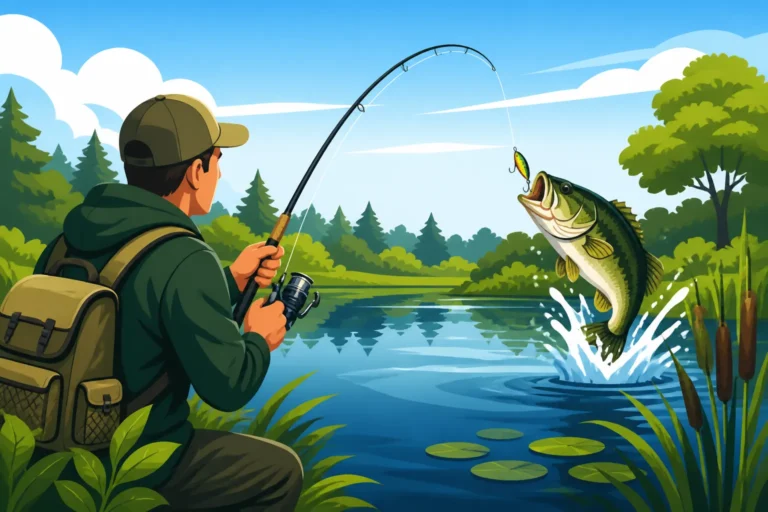
Ponds, by their very nature, tend to be shallower and more sheltered than larger lakes. This creates a warmer water column in the spring and summer, which is exactly what largemouth bass prefer for their metabolism and spawning. You’ll often find these ponds teeming with aquatic vegetation – lily pads, submerged grasses, cattails along the banks – which serve as perfect ambush points for bass. Combine this with fallen trees, rocky outcrops, and old docks, and you've got a bass paradise. These structures provide essential cover for bass to hide from predators, escape the sun, and, most importantly, lie in wait for unsuspecting prey. The abundance of forage fish, like shiners, killifish, and various panfish, also contributes to the health and size of the largemouth populations in these smaller, self-contained ecosystems.
Stocking Efforts and Natural Reproduction
While many think of trout when it comes to state stocking programs, the Connecticut Department of Energy and Environmental Protection (DEEP) also plays a crucial role in managing and maintaining healthy warmwater fisheries, including largemouth bass, in many public ponds. Beyond direct stocking, many of Connecticut's ponds boast robust, naturally reproducing populations of largemouth bass. These self-sustaining ecosystems mean that even without constant human intervention, the bass are thriving, growing, and providing consistent fishing opportunities year after year. The beauty of these natural cycles means you're often targeting fish that are truly at home in their environment, making for a more challenging and satisfying fight. Keeping an eye on local conservation efforts and understanding the unique biological profile of each pond can significantly enhance your fishing experience and contribute to the longevity of these precious resources.
Unearthing Connecticut's Top Largemouth Bass Pond Destinations
Finding the "best" pond is often a subjective endeavor, but some spots consistently produce quality largemouth bass due to their habitat, access, and management. Connecticut is dotted with these fantastic fisheries, from the western hills to the eastern plains. Remember that conditions can change, so always check local regulations before heading out.
Western Connecticut's Hidden Pond Treasures
The western part of Connecticut, with its rolling hills and picturesque towns, holds several excellent ponds for largemouth bass fishing. These spots often offer a serene backdrop to your angling adventures.
Ball Pond (New Fairfield)
Tucked away in New Fairfield, Ball Pond is a local favorite that might not be as widely known as its larger neighbor, Candlewood Lake, but it holds its own for bass. This smaller body of water is roughly 100 acres and offers fantastic shoreline cover with lily pads, docks, and submerged timber. The bass here are known for being chunky and aggressive, often hitting topwater lures with explosive force during the early morning and late evening hours in summer. Access is primarily through a town beach area, which can be busy in peak summer, so planning your visit during off-peak times or seasons is a good strategy. The relatively clear water in Ball Pond often makes finesse techniques shine, but don't shy away from throwing larger swimbaits along the deeper edges of weed lines.
Squantz Pond (New Fairfield)
While technically a larger lake, Squantz Pond often fishes more like an oversized pond for bass anglers, especially in its shallower coves and along its extensive weed lines. Located within Squantz Pond State Park, it offers excellent public access with boat launches and ample shore fishing opportunities. The largemouth bass here grow to impressive sizes, feasting on abundant forage. Anglers frequently target the areas around the island and the various points and drop-offs that transition from shallow weed beds to deeper water. While it's also known for trout, particularly if you consult the Squantz Pond trout fishing spots guide, the bass fishing in the warmer months is exceptional. You'll find plenty of opportunities for flipping jigs into thick cover or working spinnerbaits along the edges of submerged vegetation.
Central Connecticut's Productive Pond Fisheries
The central region of Connecticut, with its blend of urban and suburban landscapes, surprisingly offers some truly fantastic and accessible largemouth bass ponds. These spots are often just a short drive from major population centers, making them ideal for quick trips.
Black Pond (Middlefield)
Often confused with other "Black Ponds" in the state, the one in Middlefield is a gem for largemouth bass. It's a modest-sized pond, offering a more intimate fishing experience. Its appeal lies in its diverse structure, including rocky bottoms, submerged timber, and healthy weed beds. The bass here can be elusive, but when you find them, they're typically good-sized and put up a strong fight. Access is somewhat limited, which helps keep fishing pressure down, adding to its charm. Kayaks and canoes are ideal for exploring its various nooks and crannies. Pay close attention to sudden depth changes and any fallen trees, as these are classic ambush points for the pond's resident largemouth.
Lake Wintergreen (Hamden)
Located in Hamden, Lake Wintergreen is a city-owned reservoir that offers excellent largemouth bass fishing in a surprisingly natural setting. This nearly 200-acre body of water is often overlooked, but it's known to produce some hefty bass. The lake features extensive coves, rocky shorelines, and plenty of submerged structure, making it a versatile fishery. While boating is restricted to electric motors or car-topped vessels, it provides a peaceful environment for targeting bass. Shore anglers also have good access along certain sections, particularly near the dam and park areas. It’s a great spot to practice your casting accuracy, flipping jigs into tight cover or working soft plastics along the bottom contours.
Eastern Connecticut's Bass-Rich Pond Havens
Journeying to eastern Connecticut reveals a landscape dotted with numerous ponds and smaller lakes that consistently produce quality largemouth bass. These areas, often surrounded by state forests and rural beauty, provide a fantastic escape for anglers.
Hopeville Pond (Griswold/Jewett City)
Hopeville Pond, situated within Hopeville Pond State Park, is a fantastic destination for bass anglers of all skill levels. As detailed in the Hopeville Pond Fishing Guide, this pond offers excellent public access with boat launches and ample shoreline fishing opportunities. It's a reasonably sized pond, around 130 acres, with plenty of varied structure, including coves, weed beds, and submerged features. Largemouth bass thrive here, growing to respectable sizes. The shallower northern end, rich with vegetation, is particularly productive during the warmer months, while deeper areas near the dam hold fish during colder periods. It’s an ideal spot for throwing spinnerbaits and crankbaits to cover water, or slowing down with a Texas-rigged worm to probe specific targets.
Pachaug Pond (Griswold)
At over 800 acres, Pachaug Pond is one of Connecticut's larger freshwater bodies, but much of its character, especially for bass fishing, still feels very much like an expansive pond. Its irregular shape, numerous coves, and vast stretches of aquatic vegetation make it an incredible largemouth bass factory. Located in Griswold, it's a popular spot, but its size allows anglers to spread out. You'll find excellent opportunities for flipping and pitching jigs into thick lily pads and grass mats, or working topwater frogs over the slop. There's good public access with a boat launch, making it easy to get out and explore its many bass-holding features. The sheer volume of cover makes it an exciting challenge for even experienced bass anglers.
Here’s a quick overview of some of these fantastic largemouth bass ponds in Connecticut:
| Pond Name | County | Size (Acres) | Key Features | Primary Access |
|---|---|---|---|---|
| Ball Pond | Fairfield | 100 | Shoreline cover, docks, submerged timber | Town beach access |
| Squantz Pond | Fairfield | 270 | State park, coves, weed lines | Squantz Pond State Park |
| Black Pond | Middlesex | 120 | Rocky bottom, timber, weed beds | Limited public access (car-top) |
| Lake Wintergreen | New Haven | 180 | Coves, rocky shore, submerged structure | City park access (electric only) |
| Hopeville Pond | New London | 130 | State park, varied structure, coves | Hopeville Pond State Park |
| Pachaug Pond | New London | 800 | Large, diverse coves, heavy vegetation | Public boat launch |
While these are fantastic pond options, don't overlook larger bodies of water like Mashapaug Lake best fishing access in Union, which, while classified as a lake, offers excellent pond-like bass fishing in its shallower bays and coves. Similarly, Gardner Lake best fishing spots in southeastern Connecticut is another larger body of water that has many attributes of a big bass pond in its less-traveled areas.
Gearing Up for Success: Tactics and Tackle for Pond Largemouth
Successfully targeting largemouth bass in Connecticut's ponds requires a thoughtful approach to gear and techniques. Ponds, with their often dense cover and varied depths, demand versatility from anglers. Having the right tools and knowing how to use them effectively can make all the difference between a slow day and a banner catch.
The Right Rods, Reels, and Lines for Pond Action
For pond largemouth, a medium-heavy power rod, typically in the 6'6" to 7'6" range, will be your workhorse. This provides enough backbone to pull bass out of heavy cover like lily pads or submerged brush, while still offering enough sensitivity to detect subtle bites. Both baitcasting and spinning setups have their place. A baitcaster is excellent for pitching and flipping into tight spots and handling heavier lures, while a spinning reel excels at lighter presentations and longer casts, especially with weightless soft plastics.
When it comes to line, you'll want to choose based on your presentation. For flipping and pitching heavy cover, 30-50 lb braided line is fantastic for its strength and abrasion resistance. If you're using exposed hook baits in more open water, 10-15 lb fluorocarbon offers good sensitivity and invisibility. Monofilament, in the 12-17 lb range, is a versatile choice for topwater baits due to its buoyancy. Having a spool of each or separate setups allows you to adapt quickly to changing conditions.
Lures and Baits That Get Bites
Largemouth bass in ponds are opportunistic eaters, so having a diverse selection of lures is key. Soft plastics are indispensable; Texas-rigged worms, creature baits, and jig-and-trailer combos are fantastic for probing dense cover. Colors like green pumpkin, black and blue, and junebug are perennial favorites. Topwater lures like frogs, poppers, and walking baits create exciting explosions when fished over matted vegetation or along shorelines during low-light conditions.
For covering water and enticing aggressive fish, spinnerbaits and ChatterBaits are excellent choices, especially when retrieved near weed edges or submerged timber. Small crankbaits that dive to different depths can also be highly effective for working along drop-offs or over submerged structure. Remember the principles outlined in Best Technique for Largemouth Bass in Connecticut Ponds – matching your lure size and action to the prevalent forage in the pond can dramatically increase your success rate. Don't be afraid to experiment; sometimes the most unexpected lure can trigger a strike.
Seasonal Strategies and Pond Structure
Understanding how bass relate to structure and cover throughout the seasons is paramount for pond fishing success. In spring, as water temperatures rise, bass move to shallower spawning areas. This is when you'll find them in protected coves and flats, often near emergent vegetation. Knowing When largemouth bass spawn in Connecticut helps you anticipate their movements and adjust your tactics. During this time, slower presentations with soft plastics or subtle crankbaits often work best.
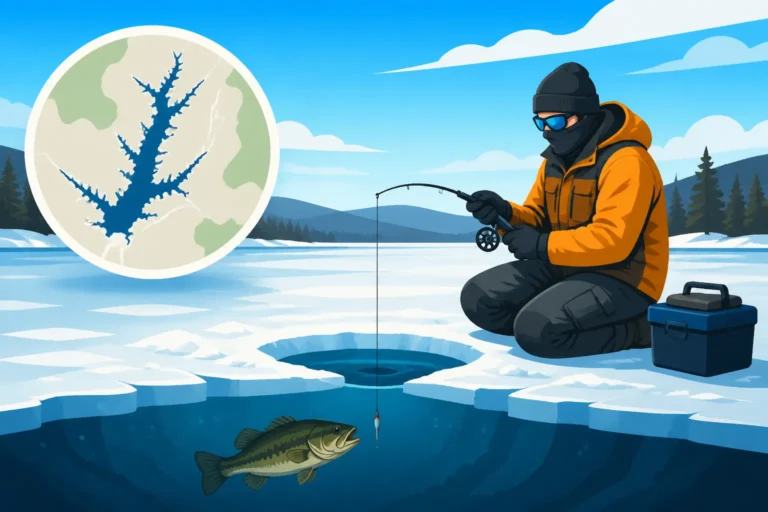
As summer heats up, bass will seek refuge in deeper water or dense overhead cover like lily pads, docks, and overhanging trees. Topwater frogs fished over matted vegetation at dawn and dusk can be incredibly productive. Flipping jigs into shaded pockets is also a killer tactic. In fall, bass become more aggressive as they feed heavily before winter, often schooling up and chasing baitfish. This is a great time for moving baits like spinnerbaits and crankbaits, covering more water to locate active fish. During winter, bass retreat to the deepest, most stable water, where slow-moving jigs and blade baits can sometimes entice a bite through the ice.
Planning Your Trip: Access, Regulations, and Local Knowledge
Embarking on a largemouth bass pond adventure in Connecticut is more than just grabbing your rod and reel. A little bit of planning, understanding the rules, and tapping into local wisdom can elevate your experience from a simple outing to a truly rewarding fishing expedition.
Navigating Public Access and Permit Requirements
Connecticut offers a generous amount of public fishing access, with many excellent bass ponds located within state parks, state forests, or town-owned properties. However, it's crucial to understand the access rules for each specific body of water. Some ponds allow gas motors, while others restrict them to electric-only or even only car-top boats like kayaks and canoes. Shoreline access can vary greatly too. Always check the Connecticut DEEP's website for specific details on your chosen pond, as regulations can change.
Of course, before you even think about wetting a line, you'll need a valid Connecticut fishing license. Our comprehensive Connecticut Fishing License Guide for 2026 is an invaluable resource, breaking down everything you need to know about purchasing one, including various license types and durations. You'll also want to understand How Much Does a Connecticut Fishing License Cost to ensure you're prepared. It's also wise to be familiar with the broader Connecticut Fishing Regulations Explained, as these cover everything from daily creel limits and minimum sizes to specific gear restrictions that might apply to certain waters. And don't forget the practical side: understanding how to effectively carry your license, whether by Printing or Carrying a Digital Fishing License in Connecticut, is essential to avoid any on-the-water hassles.
Utilizing Local Resources and Information
While online resources are great, there's no substitute for local knowledge when it comes to finding the hottest bites or understanding the nuances of a particular pond. Stop by a local tackle shop in towns near your chosen pond, like those in New Fairfield for Ball Pond, or Griswold for Hopeville Pond. These shops are often treasure troves of real-time information, from the best baits and lures to current water conditions and recent catch reports. Anglers love to share their passion, and a friendly chat can yield invaluable insights.
Online fishing forums and social media groups dedicated to Connecticut fishing are another excellent resource. You can often find discussions about specific ponds, recent stocking updates, and even tips from experienced anglers. While many pond adventures are self-guided, if you're looking to explore larger bodies of water or want to learn specific techniques from a pro, services like FishingBooker can help you connect with experienced guides across Connecticut. Many of these guides also have deep knowledge of the state's smaller bass waters and can provide personalized instruction. Keeping an eye on the Connecticut Fishing Seasons by Month or searching for the Best Time of Year to Fish in Connecticut will also help you plan your visit for optimal fishing conditions. A bit of homework combined with local intel will significantly increase your chances of a successful largemouth bass outing.
Disclaimer
The information provided in this guide is for general informational purposes only and is subject to change. Always consult the official Connecticut Department of Energy and Environmental Protection (DEEP) website for the most current fishing regulations, licensing requirements, and specific pond rules before planning your fishing trip. Fishing conditions, access, and species availability can vary.