Best pickerel ponds in Connecticut
There's nothing quite like the sudden, aggressive strike of a chain pickerel, especially when you're just enjoying a peaceful day at one of Connecticut's many beautiful ponds. But finding those elusive spots where pickerel truly thrive can be a real headache, with many seemingly promising waters turning up nothing. This guide is here to cut through the guesswork, sharing some of the best pickerel ponds in Connecticut where you can reliably hook into these toothy, exciting predators.
Why Pickerel are So Much Fun to Chase and Frustrating Too!
Pickerel are often underrated, but any angler who's spent time targeting them knows the thrill they bring. They're fierce, opportunistic predators, and their aggressive nature makes for some truly exciting fishing. Yet, they can also be maddeningly particular, especially in certain conditions or waters.
The Thrill of the Strike and the Weedy Hideouts
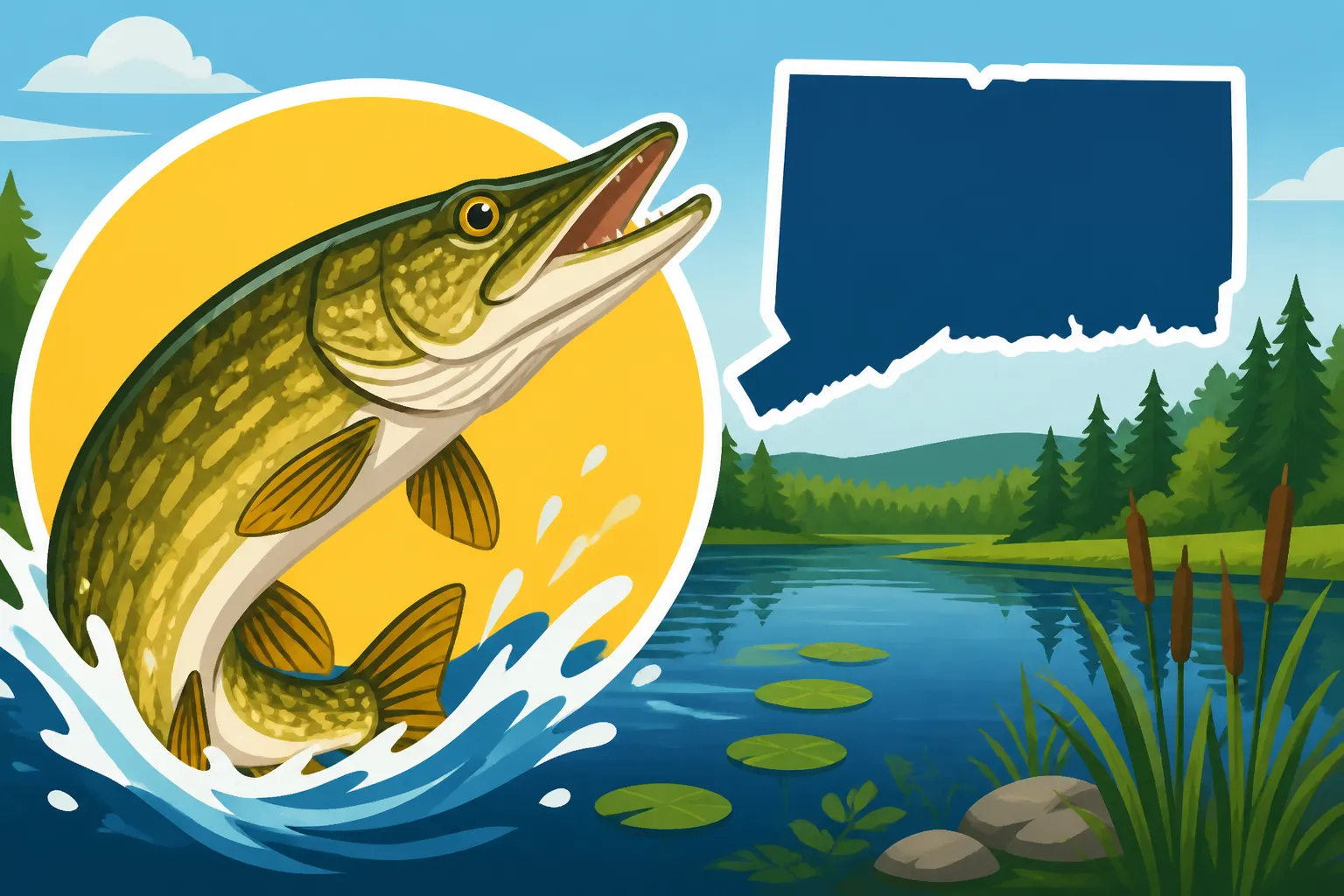
That explosive strike of a pickerel is something special. One moment, you're reeling in your lure, enjoying the quiet ripple of the water, and the next, your rod nearly gets ripped from your hands. It's an adrenaline rush that keeps you coming back for more. They're often found lurking in dense weed beds, around submerged timber, or along lily pad fields, perfectly camouflaged and ready to ambush unsuspecting baitfish. This makes fishing for them a real treasure hunt, requiring careful presentation and a keen eye for structure. You might cast to a seemingly empty patch of water, only for a bronze streak to dart out and annihilate your lure. Understanding where Chain Pickerel Habits in Connecticut Ponds is key to consistently finding them.
Understanding Pickerel Habits: What Makes Them Tick?
Pickerel are members of the pike family, and they share many of the same predatory instincts. They're ambush predators, meaning they prefer to lie in wait rather than actively chase down their prey over long distances. Their long, slender bodies and camouflaged markings are perfectly adapted for blending into aquatic vegetation. They'll often hold tight to cover, waiting for a minnow, frog, or even a smaller fish to swim by. This means that when you're targeting pickerel, you really need to think like one. Where would you hide if you were a slender predator in a pond, waiting for dinner to swim by? Usually, it's those edges of weed lines, the shadows of fallen trees, or the deeper pockets within a field of lily pads. They're not particularly picky eaters; in fact, What Chain Pickerel Eat in Connecticut Ponds can vary widely from smaller fish to insects and even small rodents if they fall in the water.
Top Pickerel Ponds and Lakes Across Connecticut
Connecticut is blessed with a fantastic network of freshwater bodies, many of which hold robust populations of chain pickerel. While some are well-known, others are smaller, quieter gems that offer fantastic action.
Eastern Connecticut Hotspots
Eastern Connecticut boasts a collection of ponds and lakes that are absolute havens for pickerel. These waters often have extensive shallow areas with abundant aquatic vegetation, which is exactly what pickerel love.
One standout is Mashapaug Lake in Union. This is a fairly large lake with plenty of coves, weed lines, and shallow flats perfect for pickerel to hide and hunt. You'll find good numbers of fish here, and they can get to a decent size. Early morning or late afternoon, casting parallel to weed beds with spoons or spinnerbaits, often produces aggressive strikes. Another excellent option is Hopeville Pond in Griswold. This pond is part of Hopeville Pond State Park, offering easy access, and its relatively shallow nature with lots of cover makes it a prime pickerel destination. It's a fantastic spot for both boat and shore anglers looking to tangle with these aggressive fish. Additionally, Gardner Lake in Salem is a deep, sprawling body of water, but its many coves and rocky shores also hold some impressive pickerel, especially where submerged timber or lily pads provide cover. When exploring these larger bodies of water, checking out local resources or even seeing if guides are listed on platforms like FishingBooker can sometimes reveal hyper-local hot spots within the main lake.
Central and Western Connecticut Gems
Moving west, you'll find equally productive pickerel waters. These areas might have a different character, often with more rocky structure alongside the vegetation, offering diverse habitats.
Bantam Lake in Litchfield, Connecticut's largest natural lake, is not just known for its pike; it's also a fantastic pickerel fishery. The lake has extensive shallow areas, particularly in the North Bay and near the mouth of the Bantam River, which are prime pickerel habitat. You can also explore the numerous coves and the edges of its various islands. For those looking for a slightly smaller, yet still productive, option, Lake Lillinonah (shared by Newtown, Bridgewater, and Brookfield) offers excellent pickerel opportunities, particularly in its many shallow coves and riverine sections that feed into the main lake. The fluctuating water levels can sometimes concentrate fish, making them easier to target. Another great spot is Lake Zoar, also part of the Housatonic River system. Its coves and backwaters are less affected by boat traffic and provide excellent cover for pickerel. Both Lillinonah and Zoar can be fished effectively from shore in many areas, but a boat or kayak will certainly expand your access to prime pickerel real estate.
Small, Overlooked Ponds Worth Exploring
Sometimes the best pickerel fishing isn't in the big, well-known lakes, but in the smaller, unassuming ponds that often get overlooked. These can be goldmines, particularly if they have good weed growth and are less pressured.
Many smaller town ponds, farm ponds, and even beaver ponds tucked away in state forests hold surprisingly healthy pickerel populations. Places like Pine Acres Pond in Goshen or various unnamed ponds within Pachaug State Forest can offer solitude and excellent action. These spots often aren't heavily stocked or publicized, meaning the fish might be less wary. To find these hidden gems, local knowledge is often invaluable. Strike up conversations at local tackle shops, check out small access points you might drive past, or consult detailed topographical maps that show smaller bodies of water. Remember, pickerel thrive Where Chain Pickerel Live in Connecticut in diverse environments, so even a seemingly insignificant pond can hold some true fighters. Sometimes, looking at smaller, independently run guide services (perhaps found through resources like FishingBooker that list local experts) might lead you to someone who knows these lesser-known spots like the back of their hand.
Here's a quick look at some top pickerel ponds and their general characteristics:
| Pond/Lake Name | Location | Primary Habitat Type | Best Access Method | Notes |
|---|---|---|---|---|
| Mashapaug Lake | Union | Extensive weed beds, coves | Boat, Kayak, Limited Shore | Good size pickerel, less pressure in northern coves. |
| Hopeville Pond | Griswold | Shallow, dense vegetation | Boat, Kayak, Shore | State park access, family-friendly, consistent action. |
| Gardner Lake | Salem | Deep sections, many coves | Boat, Kayak, Limited Shore | Look for weed lines and submerged timber in coves. |
| Bantam Lake | Litchfield | North Bay, river mouth, coves | Boat, Kayak, Ice (winter) | Excellent year-round, known for pike but great pickerel action. |
| Lake Lillinonah | Newtown/Brookfield | Shallow coves, river sections | Boat, Kayak, Some Shore | Good numbers, particularly in backwaters and protected areas. |
| Lake Zoar | Monroe/Southbury | Coves, feeder creeks | Boat, Kayak, Some Shore | Less crowded than Lillinonah, look for structure in coves. |
| Pachaug State Forest Ponds | Voluntown | Small, overgrown, remote | Kayak, Canoe, Shore (hike-in) | Seek out solitude and potentially unpressured fish; requires exploration. |
Gear Up for Pickerel: What You'll Need
You don't need a ton of fancy gear to catch pickerel, but having the right setup can make a huge difference in your success and enjoyment. Their sharp teeth mean you need to think about your leader material, and their preference for cover dictates your lure choices.
Rods, Reels, and Line: Keeping It Simple
For pickerel, a medium-light to medium power spinning rod, about 6'6" to 7' long, is ideal. This gives you enough backbone to cast lures and fight fish, but still has enough tip sensitivity to feel those subtle takes (though pickerel strikes are often anything but subtle!). Pair it with a 2500 or 3000 size spinning reel spooled with 8-12 lb monofilament or fluorocarbon line. Monofilament is a good, affordable choice, offering some stretch which can be forgiving when a pickerel makes a sudden run. Fluorocarbon offers less stretch and more abrasion resistance, which can be useful around heavy cover.
However, the most crucial part of your line setup for pickerel is the leader. Because of their incredibly sharp teeth, a direct tie to your main line will almost certainly result in bite-offs. You must use a steel, fluorocarbon (at least 20-30 lb test, 12-18 inches long), or heavy monofilament leader. Steel leaders offer the best bite protection, but some anglers prefer fluorocarbon for its lower visibility. Don't skimp on this; it's the difference between landing a fish and losing a prized lure to a toothy grin.
Lures and Baits That Pickerel Can't Resist
Pickerel are not known for being overly finicky, which means a variety of lures can be effective. The key is often presentation and targeting the right areas.
- Spoons: Classic weedless spoons like a Johnson Silver Minnow (often tipped with a pork rind or soft plastic trailer) are killer for pickerel. They flutter enticingly and can be retrieved through heavy cover without snagging. Silver, gold, and red/white are always good color choices.
- Spinnerbaits: These are another excellent choice for covering water and fishing through weeds. The flash and vibration mimic baitfish, drawing strikes from aggressive pickerel. Chartreuse, white, and black/blue are popular colors.
- Inline Spinners: Mepps or Rooster Tail spinners are simple yet incredibly effective. A steady retrieve near weed edges or submerged timber often results in a strike.
- Soft Plastics: Jerkbaits (like a Zoom Fluke), swimbaits, and even Texas-rigged worms can be productive, especially when fished slowly around structure.
- Live Bait: If allowed, live minnows or shiners fished under a bobber or on a simple bait rig are absolute pickerel magnets. Just be sure to check the local Connecticut Fishing Regulations Explained for any restrictions on bait use in specific waters. The Best Bait for Chain Pickerel in Weed Beds is often whatever is local and easy for them to ambush.
- Jigs: For ice fishing, the Best Jig for Winter Pickerel Through the Ice often involves a vertical jigging spoon or a weighted soft plastic grub.
Essential Accessories for a Successful Trip
Beyond your rod and reel, a few key items will make your pickerel fishing trip more productive and enjoyable.
- Pliers/Forceps: This is absolutely non-negotiable. Pickerel have rows of small, needle-sharp teeth that can make hook removal tricky and dangerous for your fingers. Long-nose pliers or specialized fishing forceps are essential for safe de-hooking.
- Nippers/Scissors: For cutting line and leader material.
- Tackle Box: Keep your lures, spare leaders, and tools organized.
- Polarized Sunglasses: These are incredibly helpful for spotting weed lines, submerged structure, and even cruising fish, especially in shallower ponds.
- Net: A landing net can be very useful for controlling a feisty pickerel boat-side or bank-side, especially if you plan on releasing it.
- Cooler with Ice: If you plan to keep any pickerel (check Connecticut Trout Limit and Possession Rules and other species-specific regulations, though pickerel often have generous limits), a cooler will keep them fresh.
- First-Aid Kit: Small cuts and scrapes are part of fishing, and dealing with pickerel teeth can sometimes lead to nicks. Better safe than sorry!
Strategies for Success: Landing More Pickerel
Pickerel are eager biters, but understanding how to approach different types of water and conditions will significantly increase your catch rates.
Reading the Water and Targeting Structure
Pickerel are creatures of cover. Your primary strategy should always revolve around identifying and fishing structure.
- Weed Edges: This is pickerel heaven. Cast parallel to the edges of submerged weed beds or lily pads, allowing your lure to run right along the "seam" where the weeds meet open water. This is a classic ambush point.
- Submerged Timber: Fallen trees, stumps, and brush piles offer excellent cover. Cast beyond the structure and retrieve your lure so it passes right through or over it. Be prepared for a strike as soon as your lure clears the cover.
- Drop-offs: While pickerel love shallow water, they'll also relate to sharp drop-offs, especially if there's cover nearby. These areas can be productive during hotter parts of the day when fish might retreat to deeper, cooler water.
- Inflows/Outflows: Where a small stream or culvert flows into a pond, or where water exits, can create current and attract baitfish, in turn attracting pickerel.
- Docks and Pilings: Man-made structures also provide shade and cover. Work your lures around and under docks.
Remember, pickerel often stack up in these prime locations. If you catch one, there's a good chance more are nearby. Make several casts to the same area from different angles before moving on.
Techniques for Different Seasons
Pickerel fishing can be a year-round affair in Connecticut, with successful techniques changing with the seasons. Consult the Connecticut Fishing Seasons by Month for a broader view of what's biting when.
- Spring: As waters warm, pickerel become very active. They'll be found in shallower areas, often around emerging weed growth. Spinnerbaits, spoons, and soft plastic jerkbaits retrieved at a medium pace are highly effective. This is a great time to cover water and look for active fish.
- Summer: During the heat of summer, pickerel might retreat to deeper weed lines or shady areas, especially during midday. Early morning and late evening can be more productive in the shallows. Topwater lures can be exciting at dawn and dusk. Flipping jigs or soft plastics into dense cover can also work.
- Fall: As temperatures cool, pickerel enter a feeding frenzy, bulking up for winter. They'll be aggressive and often found in similar areas as spring, though sometimes slightly deeper as aquatic vegetation begins to die back. Large spoons, crankbaits, and even larger soft plastics can be very effective. This is often the Best Time of Year to Fish in Connecticut for aggressive pickerel.
- Winter (Ice Fishing): Ice fishing for pickerel is a popular activity in Connecticut. Tip-ups baited with live shiners or minnows are incredibly effective. When jigging, the Best Techniques for Winter Pickerel involve small jigging spoons, flashy lures, or soft plastics with a slow, erratic retrieve near the bottom or suspended in the water column. Always check ice conditions and follow safety guidelines as outlined in the Ice Fishing in Connecticut guide.
Catch and Release Best Practices for Pickerel
While pickerel are often kept for the table, many anglers choose to release them. Practicing good catch and release techniques ensures these feisty fish can fight another day.
- Minimize Fight Time: Get the fish in quickly to reduce stress.
- Use Barbless Hooks: Pinching down barbs on your hooks makes removal much easier and less damaging.
- Handle With Care: Avoid touching their eyes or gills. If possible, keep the fish in the water while de-hooking. If you must remove it from the water, support its body horizontally.
- Pliers are Your Friend: As mentioned, long-nose pliers or forceps are essential for quick and safe hook removal, protecting both you and the fish.
- Revive Properly: If the fish seems sluggish, hold it gently in the water, facing into any current, until it regains strength and swims away on its own.
A Note on Regulations and Safety
Before you head out, it's always critical to be aware of the rules and to prioritize safety on the water.
Understanding Limits and Special Regulations
Connecticut has specific regulations for fishing, including limits on the number and size of fish you can keep, as well as season dates for certain species. While pickerel generally have fairly liberal limits, it's crucial to check the current Connecticut Fishing Regulations Explained or the annual Connecticut Angler's Guide. These guides will also detail any special regulations for specific bodies of water, which might include gear restrictions or specific catch limits. Don't forget, you'll also need a valid fishing license. Make sure you understand the requirements outlined in the Connecticut Fishing License Guide for 2026 before you cast your first line.
Staying Safe on the Ice and Open Water
Whether you're in a boat or on the ice, safety should always be your top priority.
- Open Water Safety: If you're using a boat or kayak, ensure you have all required safety equipment, including personal flotation devices (PFDs). Familiarize yourself with the Connecticut required boat safety equipment checklist. Always tell someone where you're going and when you expect to return. Be mindful of weather changes and strong winds.
- Ice Safety: If you're ice fishing, never go alone, and always check ice thickness thoroughly before venturing out. General guidelines suggest at least 4 inches of clear, solid ice for safe foot travel. Be aware of pressure cracks, areas around inlets/outlets, and springs, which can thin the ice. Carry safety equipment like ice picks, a rope, and a whistle. The Connecticut Cold Water Life Jacket Rule (October to May) isn't just for open water; it's a good idea to wear a PFD when ice fishing too.
Disclaimer
The information provided in this guide is for general informational purposes only and is not intended as legal advice or an exhaustive list of all regulations. Fishing regulations, conditions, and fish populations can change. Always consult the official Connecticut Department of Energy and Environmental Protection (DEEP) website or the latest Connecticut Angler's Guide for the most up-to-date and accurate information before planning your fishing trip.