Best rod setup for surfcasting striped bass
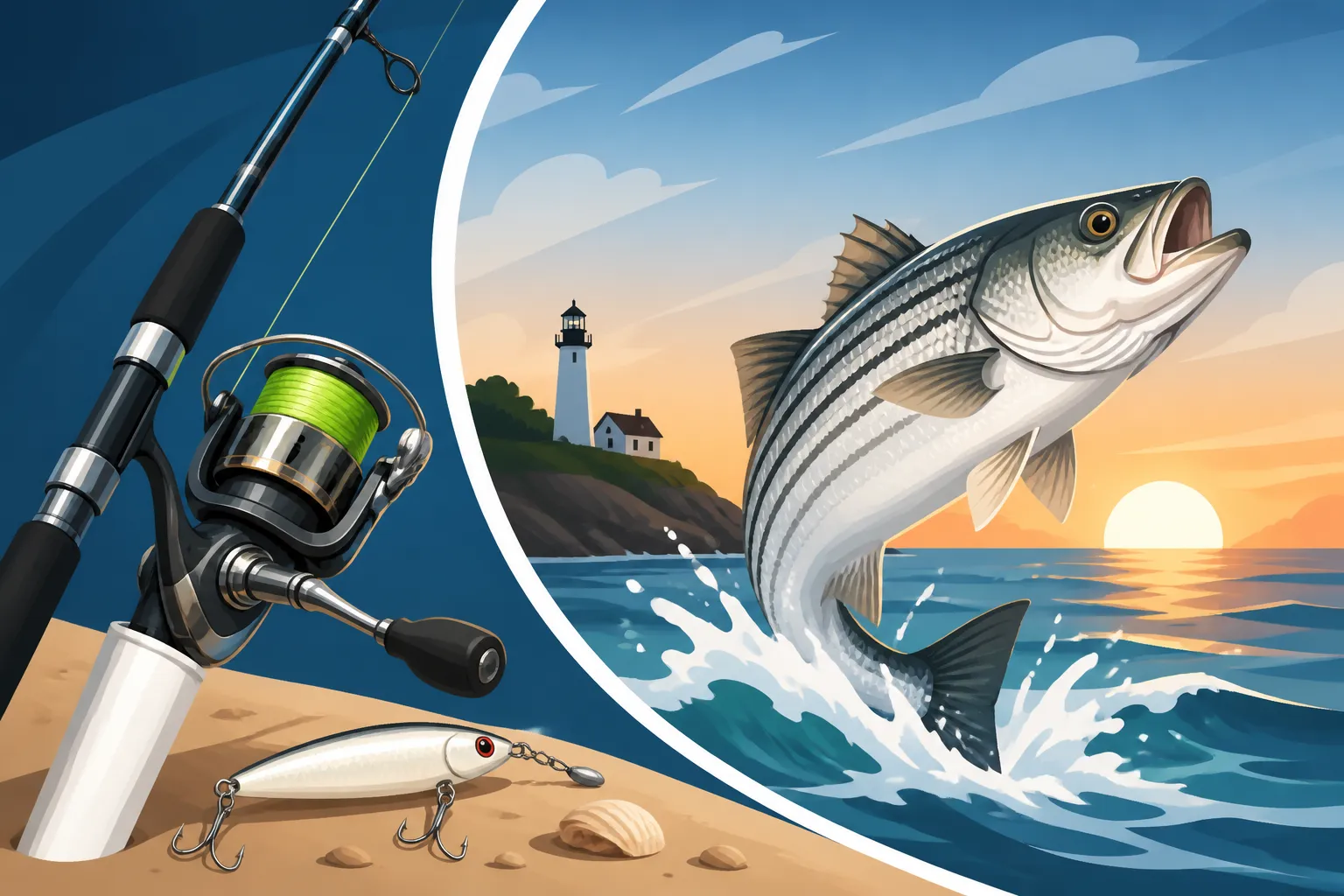
Anyone who's spent a chilly dawn on a Connecticut beach, casting into the churning surf, knows the unique thrill and challenge of chasing striped bass from shore. It’s not just about showing up with a rod; it's about having the right rod setup, one that can launch a heavy lure into the wind, stand up to the relentless saltwater spray, and most importantly, muscle in a powerful striper through crashing waves. This guide is all about helping you put together a surfcasting setup that won't let you down when that big one hits, ensuring you're prepared for the rugged beauty and demanding nature of the Long Island Sound shoreline.
Understanding the Demands of Surfcasting for Striped Bass
Surfcasting for striped bass isn't your average pond fishing. It's a battle against the elements, often requiring long hours, intense casting, and the strength to handle truly formidable fish in challenging conditions. Your gear needs to be up to the task, or you'll quickly find yourself outmatched and frustrated.
The Power and Range Needed
Imagine standing on a windswept beach, the waves pounding at your feet. You spot a distant boil of baitfish or a subtle rip in the current that screams "striper!" To reach that spot, you need a rod that can launch a heavy plug or a bait rig a significant distance. This isn't just about how far you can cast, but how accurately you can place your offering where the fish are holding, often against a stiff breeze. A powerful rod with the right action allows you to load up your cast, generating the momentum needed to send your lure soaring.
Beyond casting, once a striped bass hits, you're not just fighting the fish; you're fighting the ocean. Strong currents can pull your line, waves can steal slack, and a large striper can make powerful runs that test every component of your tackle. Your rod needs enough backbone to turn a fish away from structure, prevent it from running into breaking waves that can snap your line, and ultimately, bring it within reach for landing. Without sufficient power and range in your setup, you'll feel every bit of that struggle, and sometimes, you'll simply lose the fight before it really begins.
Durability Against Salt and Sand
The surf environment is incredibly harsh. Saltwater is relentlessly corrosive, attacking everything from reel bearings to rod guides. Sand gets everywhere – in your reel, in your rod ferrules, even in your waterproof pockets. It grinds away at components, causing premature wear and tear. You might spend all day meticulously cleaning your gear, only to have the salt creep into every crevice and the sand find its way into your reel's drag system.
Because of this constant assault, durability isn't a luxury; it's a necessity. You need a reel with sealed bearings and a watertight drag system. Your rod guides should be corrosion-resistant, typically made with stainless steel frames and ceramic inserts. Even small components like hook keepers and reel seats need to be robust and built to withstand the punishing effects of the marine environment. Trying to save a few dollars on less durable gear will almost always lead to costly replacements or frustrating equipment failures when you can least afford them – like when that trophy striper is on the other end of the line.
Choosing Your Surf Rod for Striped Bass
The rod is the backbone of your surfcasting setup. It's what translates your casting energy into distance and provides the leverage to fight a fish. Picking the right one is crucial.
Rod Length and Action
For striped bass surfcasting in Connecticut, you'll typically find anglers wielding rods ranging from 9 to 12 feet, sometimes even longer for specialized applications. Why so long? Primarily, it's for casting distance. A longer rod allows for a longer sweep during your cast, generating more tip speed and thus propelling your lure or bait further out into the strike zone. If you're fishing from open beaches like Hammonasset or Harkness, where you need to reach distant sandbars or rips, a longer rod (10-12 feet) can be a huge advantage. However, if you're often fishing tighter spots, like jetties or rocky points where overhead casting might be restricted, a slightly shorter rod (9-10 feet) might offer better maneuverability without sacrificing too much casting power.
The action of the rod refers to where it bends under pressure. For surfcasting, a moderate-fast to fast action is generally preferred. A fast action rod bends mostly in the tip section, offering excellent sensitivity for detecting subtle bites and quick hook sets. This is fantastic when you're working artificial lures and need to feel every bump and tick. A moderate-fast action rod will bend further down the blank, providing a bit more forgiveness during the cast and fight. It loads more deeply, which can be beneficial for lobbing heavier baits without snapping your line. It also offers a smoother, more parabolic bend that can absorb the shocks of a surging striper and help prevent hooks from pulling out. The key is finding a balance that suits your preferred fishing style and the types of lures or baits you'll be using.
Rod Power and Lure Weight Range
Rod power refers to the amount of force it takes to bend the rod. For striped bass, you'll want something in the medium-heavy to heavy power range. This isn't because you're necessarily trying to winch in every fish, but because you need to effectively cast a wide array of lures and baits that often weigh a significant amount. A rod with insufficient power won't be able to properly load up and cast a 2-ounce metal lip plug or a hefty chunk of bunker. Attempting to do so will feel sluggish, reduce your casting distance, and put undue stress on the rod, potentially leading to breakage.
Most surf rods will have a recommended lure weight range printed on the blank. For striped bass, look for rods rated to handle lures from about 1 to 5 ounces, or even 2 to 8 ounces for heavy bait fishing. This versatility allows you to throw everything from smaller bucktails and soft plastics to larger swimming plugs, poppers, or even a rigged eel. Having a rod that can handle this range means you're prepared for different conditions and striper feeding behaviors. You can often find excellent, durable surf rods in these ranges, perfect for chasing Striped Bass Fishing in Long Island Sound, whether you're shopping in person or looking for options on Amazon.
Material Matters
Surf rods are typically constructed from graphite, fiberglass, or a composite blend of the two. Each material has its own characteristics:
- Graphite (Carbon Fiber): These rods are generally lighter and more sensitive than fiberglass. They tend to have faster actions, which is great for feeling subtle bites and making quick hook sets, especially when working artificial lures. Graphite rods offer excellent backbone for fighting strong fish. However, they can be more brittle than fiberglass and thus more susceptible to breaking if high-sticked or improperly handled. If you prioritize sensitivity and a lighter feel for casting all day, a quality graphite rod is a strong contender.
- Fiberglass: Known for its incredible durability and flexibility, fiberglass rods are often heavier and have a slower, more parabolic action. They excel at lobbing heavier baits and absorbing the shock of powerful fish runs. While less sensitive than graphite, their forgiving nature makes them less prone to snapping under stress. Many old-school surfcasters still swear by fiberglass for its robustness, especially when fishing rocky terrain where knocks and bumps are inevitable.
- Composites (Graphite/Fiberglass Blend): These rods aim to offer the best of both worlds. They combine the sensitivity and lighter weight of graphite with the durability and shock absorption of fiberglass. Many modern surf rods are composites, providing a versatile option that performs well across various techniques and conditions. This blend often strikes a good balance for the average surfcaster who wants a rod that's tough but still has good feel and casting performance.
Selecting the Perfect Reel for Surf Stripers
Your reel is just as critical as your rod. It holds your line, manages your casts, and, most importantly, provides the drag needed to fight powerful striped bass.
Spinning vs. Conventional
This is often a personal preference, but for most surfcasters, a spinning reel is the go-to choice, especially for casting artificial lures.
- Spinning Reels: These are user-friendly, make casting easier (especially in windy conditions or with lighter lures), and are less prone to backlashes. The open-faced design allows for quick adjustments and easy line management. For the majority of surfcasting situations, particularly when casting plugs, poppers, or soft plastics, a robust saltwater spinning reel is hard to beat. They allow for quick retrieve and easy manipulation of lures, which is essential for presenting many of the Best Lures for Striped Bass in Long Island Sound.
- Conventional Reels (Baitcasters): Conventional reels offer superior cranking power and can handle extremely heavy lines and baits. They are often favored by bait fishermen who are casting heavy weights and chunks of bunker, especially if they are targeting truly monster fish. They require more skill to cast without backlashing, particularly in the wind, but once mastered, they can offer incredible control and retrieve strength. Some experienced surfcasters will use conventional reels for specific bait-fishing scenarios, but for general lure casting, they are less common in the surf than spinning reels.
Size and Line Capacity
For striped bass surfcasting, you're going to need a reel that can hold a significant amount of line and deliver plenty of drag pressure. Look for spinning reels in the 6000 to 10000 series, or even larger if you anticipate encountering true giants or need extra line capacity for long runs. A larger spool diameter helps with casting distance by reducing line coil memory and friction.
The line capacity is paramount. Striped bass are strong, and they can make powerful, sustained runs, especially in current. You want enough line on your spool to weather these runs without getting spooled. For example, a reel capable of holding at least 250-300 yards of 40-50 lb braided line is a good starting point. Having ample line allows you to let the fish run when necessary, tiring it out without fear of running out of spool. Check out reputable brands for these sizes, many of which are readily available through large online retailers like Amazon.
Durability and Sealing
This loops back to the harsh saltwater environment. A quality surf reel needs excellent sealing to protect its internal components – especially the drag system and bearings – from salt, sand, and spray. Look for reels explicitly marketed as "saltwater" or "sealed." Many manufacturers now offer sealed drag systems that prevent water and grit from compromising their smooth operation, which is critical for maintaining consistent pressure during a fight.
Corrosion-resistant materials are also non-negotiable. An aluminum body and rotor are common, often treated with special coatings to resist saltwater's damaging effects. High-quality stainless steel bearings are also a must. Investing in a well-sealed, corrosion-resistant reel will pay dividends in longevity and performance, saving you money and headaches in the long run.
The All-Important Line and Leader Setup
The line is your direct connection to the fish. Choosing the right type, strength, and leader is crucial for both casting performance and fighting power.
Braided Line for Distance and Strength
For the vast majority of surfcasters targeting striped bass, braided line has become the undisputed champion for the main line. Here's why:
- Incredible Strength-to-Diameter Ratio: Braid is significantly stronger for its diameter compared to monofilament. This means you can use a thinner line that has less wind resistance, leading to much longer casts. A 30-50 lb braided line has a diameter similar to 8-12 lb mono, yet offers immense breaking strength.
- Zero Stretch: Unlike monofilament, braid has virtually no stretch. This provides unparalleled sensitivity. You can feel every bump, every rock, every subtle pickup of your lure, and, of course, the most delicate of bites from a striped bass, especially crucial during Night Fishing for Striped Bass in Connecticut. This also translates to powerful, instant hook sets, even at extreme distances.
- Durability: While it can fray on sharp rocks, braid is generally very durable and holds up well against repeated casting and retrieves.
For surfcasting stripers, a good starting point is 30 lb test braided line on a 6000-8000 size reel, and 40-50 lb test on larger reels (9000-10000 series). This provides plenty of strength for fighting powerful fish and breaking free from snags, while still allowing for excellent casting distance. You can find a huge selection of reputable braided lines in various colors and strengths on Amazon.
Monofilament for Shock Absorption and Stretch
While braid is king for the main line, monofilament line still has its place, especially as a leader material or, for some, even as backing on the reel.
- Shock Absorption: The stretch in monofilament can be an advantage. When a big striper hits hard or makes a sudden lunge, the stretch acts as a shock absorber, helping to prevent hooks from pulling out or your line from snapping under sudden pressure. This is particularly useful when fishing with plugs that have treble hooks, as the stretch can cushion the impact and keep the fish pinned.
- Abrasion Resistance: Quality monofilament leaders can offer surprisingly good abrasion resistance, which is valuable when fishing around rocks, mussel beds, or other abrasive structures.
- Knot Tying: Monofilament is generally easier to tie complex knots with, and many anglers feel more confident in mono-to-mono connections.
Some anglers prefer to put a layer of inexpensive monofilament as backing on their spool before filling the rest with braid. This serves a few purposes: it helps prevent the braid from slipping on the bare arbor of the spool, and it fills up some space, making expensive braided line go further.
Leader Materials and Connections
A good leader is absolutely essential in surfcasting for striped bass. It serves several critical functions:
- Abrasion Resistance: The leader is the part of your line that will be in direct contact with the fish's abrasive mouth, sharp gill plates, and any underwater structure. You need a material that can withstand this abuse.
- Stealth: Especially in clear water or during daylight hours, a more subtle leader material can reduce visibility to wary fish.
- Protection for Main Line: It acts as a sacrificial buffer, protecting your expensive braided main line from wear and tear.
Fluorocarbon and heavy monofilament are the two primary choices for leaders.
- Fluorocarbon: This material is almost invisible underwater due to its refractive index being very close to that of water. It also offers excellent abrasion resistance. It's often preferred when targeting finicky fish or in clear water conditions. Fluorocarbon can be a bit stiffer and sometimes harder to knot, but its stealth properties are unmatched.
- Heavy Monofilament: Often called "shock leader," this is typically a thicker, more robust monofilament line, usually 40-80 lb test. It offers superb abrasion resistance and excellent shock absorption. It's often the preferred choice when casting very heavy lures or baits, as it helps absorb the casting shock that could otherwise snap your main line.
Connecting your leader to your main line is one of the most important knots you'll tie. Strong, streamlined knots are critical for maintaining line strength and allowing the knot to pass smoothly through your rod guides during casting. Popular choices include:
- FG Knot: This is considered one of the strongest and most streamlined braid-to-leader knots. It can be challenging to learn but is well worth the effort for its reliability.
- Alberto Knot (Modified Albright): Another strong and relatively compact knot, easier for many to tie than the FG.
- Uni-to-Uni Knot: A simple and reliable knot, though it can be a bit bulkier than the others.
The length of your leader will vary. For artificial lures, a leader of 3-6 feet is common, allowing for good lure action. For bait fishing, especially with a fish-finder rig, you might use a shorter leader of 18-36 inches. Your leader strength should also be chosen carefully. A common setup might involve 30-40 lb braid with a 40-60 lb fluorocarbon or mono leader. This combination provides a good balance for landing powerful fish, especially during Best Techniques for Fall Striped Bass when the biggest fish are often on the move. Don't forget to practice your knots at home – a failed knot means a lost fish!
Essential Terminal Tackle and Accessories
Having the right rod, reel, and line is fundamental, but your terminal tackle and accessories are what complete your setup and make your time on the beach productive and enjoyable.
Lures and Baits
While this guide focuses on the rod setup, it's worth a quick mention that your lure or bait choice will dictate some aspects of your casting. For artificial lures, a good surfcasting setup should be able to comfortably throw:
- Plugs: Metal lip swimmers, pencil poppers, darters, and various plastic swimmers are staple striper lures. They come in weights from 1 oz to 4 oz+.
- Soft Plastics: Often rigged on jig heads or unweighted, these imitate eels, sand eels, or baitfish. Weights can vary widely.
- Bucktails: Simple yet incredibly effective, bucktail jigs in various weights (from 1/2 oz to 3 oz+) can imitate squid or baitfish.
For natural baits, which often require heavier sinkers and a sturdier presentation:
- Chunks: Cut sections of bunker, mackerel, or other oily baitfish.
- Clams: Especially effective in the early spring or after storms.
- Eels: Live or rigged eels are classic big striper baits, particularly productive during Best Time of Day to Catch Striped Bass around dusk or after dark.
Your rod's lure weight rating should align with the typical weights of the lures or baits you intend to use most often.
Hooks and Swivels
Don't skimp on terminal tackle. It's the weakest link if chosen poorly.
- Hooks: Use strong, sharp, corrosion-resistant hooks. For bait fishing, a sharp circle hook is often mandatory for striped bass to ensure a jaw-hook and promote catch and release survival. For artificial lures, ensure the treble hooks or single hooks are stout enough to handle a big fish. Replace rusty or dull hooks immediately.
- Swivels: High-quality barrel or ball-bearing swivels are essential for preventing line twist, especially when using spinning lures or casting repeatedly. Look for black or dark-colored swivels to minimize flash. Test their strength and ensure they are appropriately rated for your line and target fish.
Waders, Pliers, and Other Necessities
Beyond the core fishing tackle, a few accessories are absolutely vital for comfortable and safe surfcasting:
- Surf Waders: Neoprene or breathable waders are crucial for staying dry and warm in the chilly Connecticut surf. They allow you to wade out to distant sandbars or reach areas inaccessible from the dry beach. Always wear a wading belt to prevent your waders from filling with water if you take a spill.
- Long-Nose Pliers/Braid Scissors: Essential for removing hooks safely from fish, cutting heavy leaders, and dealing with snags. Make sure they are saltwater-resistant.
- Headlamp: If you plan on doing any Night Fishing for Striped Bass in Connecticut, a reliable headlamp with red light options (to preserve night vision) is non-negotiable.
- Surf Bag: A specialized bag worn over your shoulder to hold lures, leaders, and tools, keeping them easily accessible while you're in the water.
- Sand Spike: A rod holder that you can push into the sand, allowing you to set your rod down while you re-bait, tie knots, or just take a break.
- Fish Grips/Lip Grips: These are extremely helpful for safely handling larger striped bass, especially for quick release. They reduce harm to the fish and protect your hands from sharp hooks or gill plates.
- Measuring Tape/Scale: To verify compliance with Connecticut Striped Bass Slot Limit and Season and for personal records.
You'll find many of these crucial accessories, from pliers to specialized surf bags, by browsing trusted online retailers like Amazon. Having the right gear, both on your rod and on your person, truly makes a difference in your effectiveness and enjoyment when fishing for striped bass along our beautiful shoreline.
Crafting Your Ideal Connecticut Surfcasting Setup
Ultimately, the "best" rod setup for surfcasting striped bass is a personal decision, shaped by your preferences, budget, and the specific locations you fish most often. But by understanding the key components – a durable, powerful rod, a sealed, high-capacity reel, strong braided line with a robust leader, and reliable terminal tackle – you can assemble a formidable outfit that gives you the confidence to tackle any striper the Connecticut surf throws your way.
Here’s a quick overview to summarize the considerations:
| Component | Key Considerations | Typical Specs for Striped Bass Surfcasting |
|---|---|---|
| Rod Length | Casting distance, maneuverability | 9 to 12 feet |
| Rod Action | Sensitivity, casting forgiveness, fighting power | Moderate-Fast to Fast |
| Rod Power | Ability to cast lures/baits, fight fish | Medium-Heavy to Heavy |
| Lure Weight | Range of lures/baits you'll throw | 1 to 5 oz (or 2 to 8 oz for heavy bait) |
| Rod Material | Weight, sensitivity, durability | Graphite, Fiberglass, or Composite |
| Reel Type | Ease of casting, cranking power | Spinning (most common) or Conventional (bait) |
| Reel Size | Line capacity, drag power | 6000-10000 series (Spinning) |
| Reel Durability | Resistance to salt/sand, longevity | Sealed bearings, watertight drag, corrosion-resistant |
| Main Line | Casting distance, strength, sensitivity | 30-50 lb Braided Line |
| Leader Material | Abrasion resistance, stealth, shock absorption | 40-80 lb Fluorocarbon or Heavy Monofilament |
| Hooks | Strength, sharpness, corrosion resistance | Appropriately sized, strong circle or treble hooks |
| Accessories | Safety, comfort, convenience | Waders, pliers, headlamp, surf bag, sand spike |
Remember, a well-balanced setup feels like an extension of yourself, allowing you to focus on the nuances of the water, the tides, and the subtle signs of feeding fish. Take the time to research, choose wisely, and then get out there and enjoy the incredible surfcasting opportunities Connecticut has to offer. Whether you're targeting big stripers in the rips or smaller schoolies closer to shore, being prepared is half the battle.
Disclaimer
This article is for general informational purposes only and does not constitute professional advice. Laws, prices and regulations vary by location and change over time. Consult a qualified professional for guidance on your specific situation.