Best year-round trout fishing in Connecticut
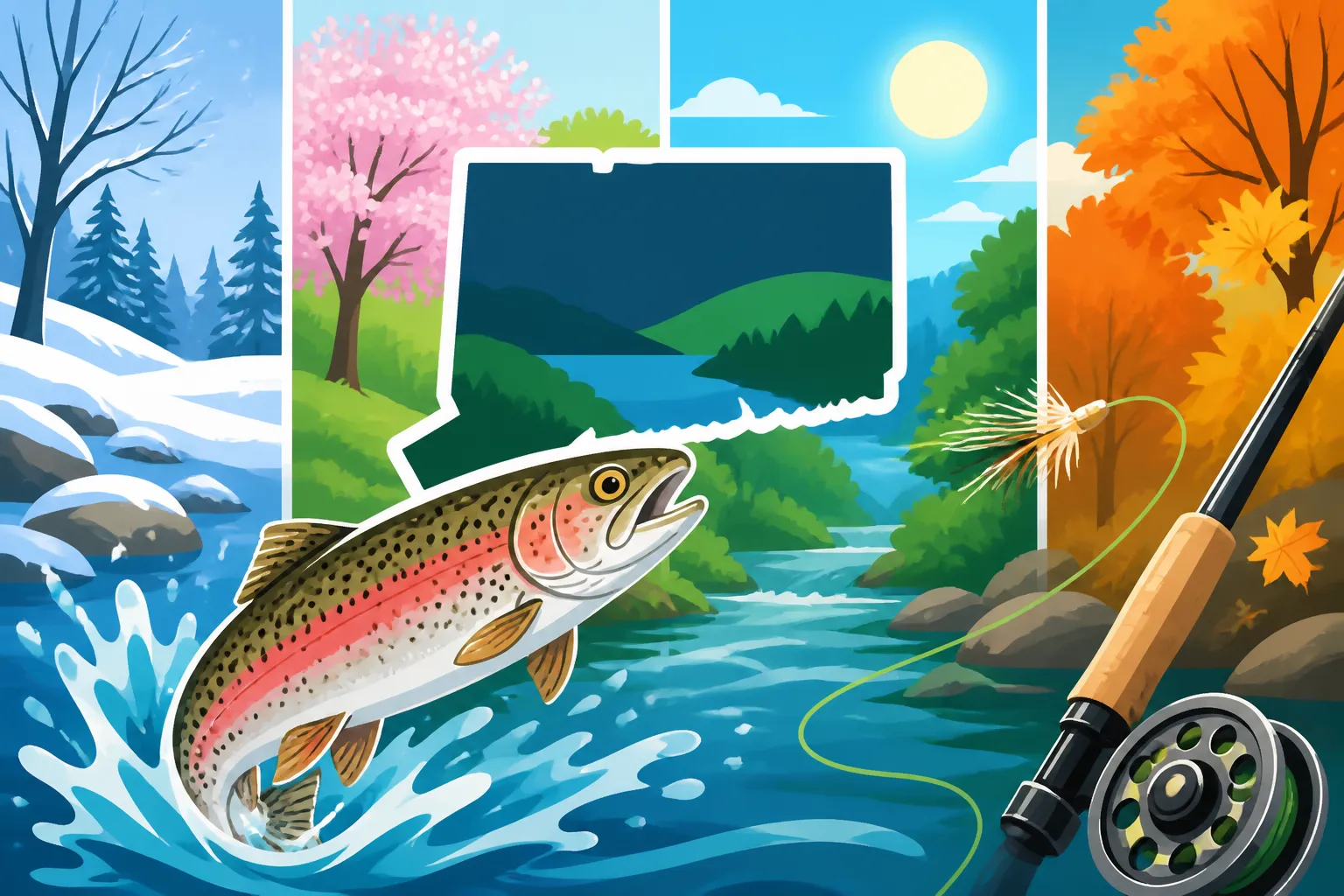
It's a common lament among trout anglers in Connecticut: as the leaves turn and winter approaches, many believe that prime trout fishing opportunities simply vanish. We pack away our fly rods and spinning gear, dreaming of next spring's opening day. But what if I told you that in our beautiful state, the pursuit of trout doesn't have to end when the temperatures drop? This guide is here to shed light on how you can enjoy incredible, consistent trout fishing in Connecticut, all year long, breaking free from the seasonal slump.
Understanding Year-Round Trout Opportunities in Connecticut
The idea that trout fishing is strictly a spring and fall affair is deeply ingrained, and for good reason—those are certainly peak seasons. However, Connecticut's diverse waterways and robust fisheries management programs create fantastic opportunities for anglers willing to adapt. The truth is, trout are present in many of our rivers, streams, and lakes throughout the entire year, just waiting for you to find them.
The Myth of "Season's End"
For many years, the concept of a strict "trout season" dominated the thinking of anglers. You fished hard from April through June, maybe again in the fall, and then the rods were hung up until next spring. This mindset, while traditional, overlooks the significant advancements in fishery management and the natural resilience of trout populations in certain environments. The traditional "opening day" concept mainly applies to smaller, heavily stocked streams that might warm up too much in summer or freeze solid in winter, making year-round survival difficult for trout.
But many of Connecticut's larger, cooler waters, especially those with consistent flows or deeper pools, don't follow this pattern. These areas provide stable habitats where trout can not only survive but thrive year-round. It's about shifting our perception from a short sprint of intense fishing to a marathon of consistent, rewarding angling across all four seasons.
Stocking Programs and Holdover Trout
The Connecticut Department of Energy and Environmental Protection (DEEP) plays a crucial role in supporting year-round trout fishing. While spring and fall stockings are well-known, these efforts also contribute to a population of "holdover" trout—fish that survive past their initial stocking period. These holdovers adapt to their environment, often growing larger and becoming more elusive, offering a thrilling challenge to experienced anglers.
Beyond the general stocking, specific areas are managed to sustain trout populations throughout the year. Trout Management Areas (TMAs), like those on the Farmington and Housatonic Rivers, are often stocked more frequently and have special regulations designed to protect these fish, ensuring a healthier, more stable population for year-round angling. You can find detailed information on these efforts in our guide on Connecticut Trout Season and Stocking Rules. These proactive management strategies mean that you're not just relying on the luck of the draw; you're fishing in waters specifically designed to support continuous trout presence.
Prime Locations for Four-Season Trout Action
When it comes to year-round trout fishing in Connecticut, not all waters are created equal. Certain rivers, streams, and lakes stand out as consistent performers, offering reliable angling regardless of the month. These locations typically share characteristics like stable water temperatures, ample oxygen, and protective regulations.
Trophy Trout Management Areas
Connecticut's Trophy Trout Management Areas (TMAs) are truly the jewels in the crown of year-round trout fishing. These sections of rivers, managed with specific regulations often including catch-and-release or restricted harvest, are designed to grow and maintain a population of larger, wilder-acting trout. The most famous examples are undoubtedly the Farmington River and the Housatonic River.
The Farmington River, particularly its West Branch, is renowned nationwide for its exceptional trout fishing. Thanks to its tailwater characteristics (meaning water released from a deep reservoir, the Barkhamsted Reservoir), it maintains remarkably stable, cool temperatures even during the dog days of summer. This consistent temperature regime allows trout to remain active and healthy when other streams become too warm. Anglers often find success here with fly fishing or light tackle, targeting impressive brown and rainbow trout. For a deeper dive into this incredible fishery, check out our Farmington River West Branch Trout Fishing guide. Similarly, the Housatonic River offers fantastic year-round opportunities, especially in its TMA sections, which benefit from cold-water releases from the Candlewood Lake power generation. These waters can hold significant numbers of large trout, providing a consistent challenge. Our Housatonic River Fishing Guide has more details on accessing this fishery.
Tailwater Fisheries and Deep Lakes
Beyond the marquee TMAs, other tailwater fisheries and deep, cold lakes offer reliable year-round trout action. Tailwater sections of rivers, like parts of the Naugatuck River below dams, receive cooler water from reservoir outflows, which is critical for trout survival in warmer months. These areas can be overlooked gems, offering excellent fishing away from the crowds of the more famous rivers. They often require a bit more exploration but can yield fantastic results.
Furthermore, several of Connecticut's deeper lakes and ponds can sustain trout populations throughout the year. Lakes like Squantz Pond, East Twin Lake, and even deeper sections of larger bodies like Candlewood Lake often have thermal refuges where trout can retreat to cooler water when surface temperatures rise. In winter, these lakes can offer incredible ice fishing opportunities for trout. While a good depth finder is helpful for locating these fish, understanding the lake's topography and seeking out deep pockets or spring-fed areas can significantly increase your chances of success. It’s a completely different experience from river fishing, requiring different tactics, but equally rewarding.
Adapting Your Approach for Different Seasons
Successfully catching trout year-round in Connecticut means being a versatile angler. What works in April might utterly fail in August or January. Understanding how trout behave in varying water temperatures and conditions is key to consistent success. This means adjusting your baits, lures, flies, presentation, and even your fishing times.
Winter Strategies for Ice and Open Water
Winter trout fishing is a quiet, often solitary pursuit that can be incredibly rewarding. When the ice is safe, popular spots like Mashapaug Lake, Coventry Lake, and even Bantam Lake can offer excellent hardwater opportunities for stocked and holdover trout. Jigging with small spoons, soft plastics, or tiny jigs tipped with bait like mealworms or maggots can be deadly. You'll want to target areas where trout might cruise, often along drop-offs or near submerged structure. Remember to always prioritize safety when venturing onto the ice. For those who prefer open water, the major TMAs like the Farmington and Housatonic Rivers remain productive. Trout tend to hold in deeper, slower pools during winter to conserve energy. Small nymphs, tiny streamers, or even simple PowerBait or worms drifted slowly can entice a bite. Patience is paramount, and stealth is crucial, as fish are often sluggish and easily spooked in cold, clear water. Consider checking our guide on Ice Fishing in Connecticut for more specific tips.
Spring and Fall Transition Tactics
These "shoulder" seasons are often considered prime trout fishing times, and for good reason. The water temperatures are generally ideal, and trout are active, feeding aggressively. In spring, after the initial stocking, fish are often hungry and less wary. Traditional baits like worms, mealworms, and corn work wonders, as do small spinners (e.g., Rooster Tails, Mepps) and spoons. Fly anglers will find success with nymph patterns, imitating the emerging insects. As the season progresses and hatches become more prolific, dry fly fishing can be exceptional. Our Spring Trout Fishing Techniques for Connecticut Streams article provides more specific methods.
Fall offers a similar burst of activity as trout prepare for winter, with brown trout becoming particularly aggressive as they near their spawning period. Streamers, imitating baitfish, are highly effective, especially for larger browns. Nymphing remains a staple, and small emergers or dry flies can work on warmer days. Focus on areas with good cover and structure, as trout are often hiding from predators and waiting for an easy meal. The fish are often in peak condition, making for some truly memorable catches.
Summer's Challenge and Opportunity
Summer can be the most challenging time for trout fishing in Connecticut, especially in smaller streams and rivers where water temperatures can become dangerously high for trout. However, this is where year-round locations truly shine. In tailwater fisheries like the Farmington and Housatonic, the consistent cold water allows trout to remain active. The key is to fish during cooler parts of the day—dawn, dusk, or even at night—and to seek out shaded areas, deep pools, or oxygenated riffles. Fly anglers often switch to terrestrial patterns (imitating grasshoppers, ants, or beetles) or small caddis and mayfly imitations. Spinning gear can still be effective with small, subtle lures like dark-colored inline spinners or tiny jigs.
For those venturing onto deeper lakes, summer means targeting trout that have retreated to the cooler depths. Trolling with spoons or small crankbaits at various depths, or still fishing with bait (like shiners or worms) off the bottom in deep areas, can be highly productive. It's vital to remember that trout are stressed by warm water, so if you're practicing catch and release, handle fish minimally, get them back into the water quickly, and avoid fishing for them in dangerously warm conditions. You can even find local guides through platforms like FishingBooker who specialize in summer trout strategies for our deeper lakes and rivers, ensuring you're fishing responsibly and effectively.
Essential Gear and Regulations for Year-Round Trout
Being prepared with the right equipment and a clear understanding of the rules is paramount for successful and responsible year-round trout fishing in Connecticut. A little foresight can prevent frustration and ensure you're compliant with all regulations.
Must-Have Tackle for Diverse Conditions
For year-round trout fishing, versatility in your tackle setup is a huge advantage. A good all-around spinning rod, typically in the 6-foot to 7-foot range with a light to medium-light action, paired with a reliable spinning reel spooled with 4-6 lb test monofilament or fluorocarbon line, will serve you well for most scenarios. This setup allows for casting small spinners, spoons, jigs, and natural baits. For fly anglers, a 4-weight or 5-weight rod, 8.5 to 9 feet long, is a versatile choice, capable of handling dry flies, nymphs, and smaller streamers. Having a selection of tippet sizes (from 3X to 6X) is also crucial for adapting to different conditions and fly patterns.
Beyond the rod and reel, a tackle box stocked with a variety of offerings is key. Small inline spinners (Mepps, Panther Martin, Rooster Tail), small spoons (Phoebe, Kastmaster), and tiny jigs are great for spinning. For fly fishing, a good assortment of nymph patterns (Pheasant Tail, Hare's Ear, Prince Nymph), dry flies (Caddis, Adams, Elk Hair Caddis, terrestrials), and small streamer patterns (Woolly Bugger) will cover most hatches and feeding preferences. Don't forget terminal tackle like small swivels, split shot, and hooks (sizes 8-14 for general trout fishing). Waders are also an absolute must for accessing prime spots in rivers and streams, allowing you to move freely and position yourself effectively. And when researching fishing guides for specialized year-round techniques, you might find options on FishingBooker that include all necessary gear, which can be a great way to try new methods without a significant upfront investment.
Navigating Connecticut's Trout Regulations
Understanding and adhering to Connecticut's fishing regulations is non-negotiable for year-round trout anglers. First and foremost, anyone aged 16 or older needs a valid Connecticut fishing license. If you plan to fish for trout, salmon, or char, you'll also need to purchase an annual Connecticut Trout and Salmon Stamp, Explained, which is an additional endorsement to your license. Both can be purchased online through the DEEP website or at many local bait and tackle shops. You can learn all about it in our comprehensive Connecticut Fishing License Guide for 2026.
Specific regulations for Trout Management Areas and other special regulation waters are critical to understand. These areas often have different creel limits, size restrictions, and sometimes even specific tackle requirements (e.g., artificial lures only, fly fishing only, catch and release). Always consult the current Connecticut Angler's Guide, published annually by DEEP, or check the DEEP website for the most up-to-date rules for your chosen fishing spot. For instance, the daily trout limit can vary significantly depending on whether you are in a TMA or general open waters. Ignoring these rules can lead to significant penalties, so make it a habit to always check before you cast. Many anglers even consult resources like FishingBooker to confirm that any charter they book adheres strictly to local regulations, ensuring a legal and ethical fishing experience.
Key Year-Round Trout Fishing Locations and Characteristics
| Location | Type of Water | Primary Trout Species | Key Year-Round Factor | Typical Summer Conditions | Winter Fishing Potential | Special Regulations |
|---|---|---|---|---|---|---|
| Farmington River (W. Branch TMA) | Tailwater River | Brown, Rainbow | Cold, stable water from reservoir release | Remains cool and fishable | Excellent open water, often ice-free | Catch & Release/Artificial Lures Only sections; size/creel limits vary |
| Housatonic River (TMA sections) | Tailwater River | Brown, Rainbow | Cold water from hydropower generation | Remains cool and productive | Excellent open water, potential for steelhead-style fishing | Catch & Release/Artificial Lures Only sections; seasonal closures in summer for some parts |
| East Twin Lake | Deep Lake | Brown, Rainbow | Significant depth provides thermal refuge year-round | Trout move to deeper, cooler water | Good ice fishing for holdovers | General statewide lake regulations apply |
| Squantz Pond | Deep Lake | Brown, Rainbow, Brook | Deep, clear water with good oxygen | Trout seek thermal refuge in deep water | Good ice fishing for stocked and holdover trout | General statewide lake regulations apply |
| Naugatuck River (Select Tailwaters) | Tailwater River | Brown, Rainbow | Cooler water releases from upstream dams | Fishable in cooler sections | Open water fishing can be good | Some sections may have special regulations; check DEEP guide |
Note: Always consult the current Connecticut Angler's Guide for the most up-to-date regulations before fishing any of these locations.
Disclaimer
Please be aware that fishing regulations, conditions, and fish populations can change. Always consult the latest Connecticut Department of Energy and Environmental Protection (DEEP) fishing guide and local advisories before heading out. Safety should always be your top priority when on or near the water.