Best winter fishing spots in Connecticut
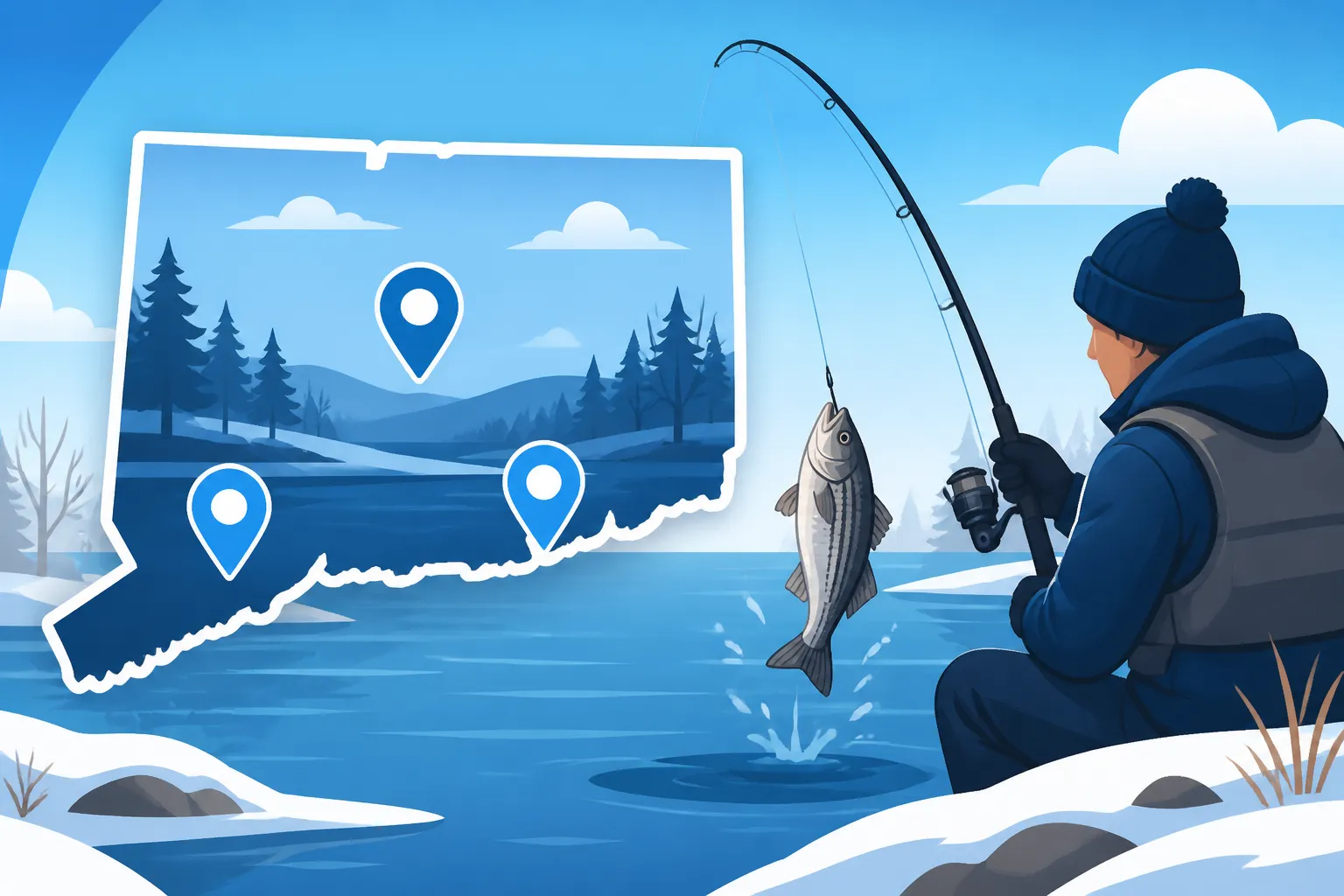
Oh, the thought of fishing in the dead of winter in Connecticut often conjures images of frozen fingers and desolate landscapes. Many anglers simply hang up their rods once the leaves fall, assuming there’s nothing to be caught until spring. But I’m here to tell you that’s a misconception! With the right approach and knowledge, Connecticut offers some incredible, albeit chilly, winter fishing experiences. This guide is all about revealing those hidden gems and productive waters, whether you’re looking to brave the ice or find flowing water.
Embracing the Chill: Prime Ice Fishing Lakes and Ponds
When the lakes and ponds across Connecticut finally get that solid cap of ice, a whole new world of angling opens up. Ice fishing isn't just a way to pass the time; it's a dedicated pursuit, and our state has some fantastic hardwater destinations. Just remember, safety is paramount, and you should always understand How thick ice needs to be to fish safely in Connecticut.
Large Lakes for Pike and Panfish
Connecticut boasts several large lakes that are phenomenal for ice fishing, offering a chance at larger game fish like Northern Pike, as well as plenty of panfish action. These bodies of water tend to attract a crowd, but for good reason – the fishing can be superb.
First on the list is Candlewood Lake, a true jewel in western Connecticut. While it's famed for its bass fishing during warmer months, under the ice, it becomes a hotspot for yellow perch, crappie, and even impressive Northern Pike. Anglers often target the deeper coves and structure, looking for schools of baitfish. Pike can be found lurking around weed beds and drop-offs, making tip-ups a popular choice, baited with large shiners or suckers. For perch and crappie, tiny jigs tipped with wax worms or small plastics fished in 15-30 feet of water can be incredibly productive. The sheer size of Candlewood means you'll have plenty of ground to cover, but concentrating on known fish-holding structures or areas where you’ve had success in open water can give you a head start. Always check local access points before heading out, as some areas may have specific rules for ice fishing. If you're planning a trip to this magnificent body of water, our comprehensive Candlewood Lake Fishing Guide can give you even more insights, even though it focuses on the warmer months, the structure remains the same!
Then there's Bantam Lake in Litchfield, another excellent choice, particularly if you're chasing those toothy Northern Pike. Bantam is known for producing some truly hefty pike, and the ice fishing season is prime time for them. Many anglers set up multiple tip-ups, spreading them out to cover more territory, often using large live bait. Beyond pike, Bantam offers consistent action for yellow perch, bluegill, and calico bass (black crappie). The lake’s shallower, weedy areas are often productive for panfish, while the edges of deeper channels are where bigger pike tend to cruise. The key here, as with any large body of water, is to move until you find the fish. Don't be afraid to drill a dozen holes until you hit a productive spot. You might even consider using a portable fish finder to locate schools of bait or deeper structure before committing to a hole.
Further south, Lake Lillinonah offers some great winter opportunities, particularly for panfish and even largemouth bass, though bass are typically catch-and-release during the colder months. This impoundment of the Housatonic River holds a healthy population of yellow perch, crappie, and sunfish. Look for areas with submerged timber or rock piles, as these provide excellent cover for panfish. While not as renowned for pike as Bantam or Candlewood, Lillinonah can surprise you with a nice pickerel or even a solid largemouth. Again, safety is crucial on any large lake, especially those with current like Lillinonah, so always stay vigilant and know the ice conditions.
Smaller Ponds and Trout Management Areas
While the big lakes get a lot of attention, don't overlook Connecticut's myriad of smaller ponds and even certain sections of Trout Management Areas (TMAs) for winter fishing. These can often be easier to access, safer to fish due to quicker, more consistent ice formation, and still hold plenty of fish.
Many of Connecticut's state-stocked ponds freeze over quite reliably, offering excellent opportunities for panfish and often residual trout from fall stockings. Ponds like Hopeville Pond in Griswold, Mansfield Hollow Lake near Mansfield, or Rogers Lake in Lyme can provide fast action for yellow perch, bluegill, and black crappie. These smaller bodies of water are perfect for a family outing on the ice or for anglers just getting into the sport. They're typically less intimidating than the vastness of Candlewood or Bantam. Check the Connecticut Interactive Trout Stocking Map, Explained for ponds that received a good autumn stocking; while trout might be a bit lethargic under the ice, they can still be caught on small jigs or lures, especially if fished near the bottom or suspended in the water column. Always consult the Connecticut Fishing Regulations Explained for specific rules regarding trout harvest on these ponds during winter.
Some of our designated Trout Management Areas (TMAs) on smaller rivers and streams can also provide ice fishing, particularly in slow-moving sections or impoundments. While the main flow of a river like the Farmington might stay open, side channels or small, stillwater sections within a TMA might freeze over. These spots can hold trout and even smallmouth bass that have moved into slower water for the winter. However, fishing these areas under ice requires extreme caution due to potential hidden currents, so it's often best to stick to well-known, consistently frozen small ponds unless you're very familiar with the specific waterway. The appeal of these areas, though, is the potential for some truly quality fish that have had more time to grow.
| Connecticut Winter Fishing Spots (Ice Fishing Focus) | Primary Target Species | Key Features / Considerations |
|---|---|---|
| Candlewood Lake (Danbury/New Fairfield) | Northern Pike, Yellow Perch, Crappie | Large, deep lake. Diverse structure. Can have varying ice conditions. Popular for tip-ups. |
| Bantam Lake (Litchfield/Morris) | Northern Pike, Yellow Perch, Bluegill | Known for trophy pike. Shorter drive for central CT anglers. Weedy areas hold panfish. |
| Lake Lillinonah (Newtown/Southbury) | Yellow Perch, Crappie, Largemouth Bass | Riverine lake. Submerged timber. Currents can make ice conditions variable in spots. |
| Hopeville Pond (Griswold) | Panfish, Stocked Trout | Smaller, reliable ice. Good for families/beginners. Check stocking reports. |
| Mansfield Hollow Lake (Mansfield/Chaplin) | Panfish, Pickerel, Bass | Good all-around pond. Often good panfish action. |
| Coventry Lake (Coventry) | Panfish, Bass, Pickerel | Good shoreline access. Reliable freezing. |
Keeping the Lines Wet: Open Water River and Tailwater Fishing
Even when much of the state is locked in ice, Connecticut has remarkable open-water fishing opportunities, especially in its renowned river systems. These spots remain unfrozen due to warmer dam releases or strong currents, offering a unique chance to target trout and sometimes even bass when most other freshwater is inaccessible. Remember to wear appropriate cold-weather gear, including a PFD, as the Connecticut Cold Water Life Jacket Rule (October to May) is in effect for good reason.
Farmington River's Winter Trout Haven
When people talk about winter open-water fishing in Connecticut, the Farmington River is almost always the first name that comes up. Specifically, the West Branch of the Farmington River, a designated Trophy Trout Management Area, is an absolute sanctuary for anglers during the colder months. The magic here lies in the bottom-release dams at the Stillwater and Hogback reservoirs. These dams release water from the deeper parts of the lakes, which are warmer than the surface water, keeping the river flowing and ice-free for miles downstream, even on the coldest days.
This consistent, relatively warmer water creates a stable environment where brown trout, rainbow trout, and brook trout remain active. Fly fishing is particularly popular here, with anglers often employing nymphing techniques, dead-drifting small weighted flies like tiny Pheasant Tails, Prince Nymphs, or caddis larvae patterns. Streamers can also entice larger, aggressive trout. The stretch from the Goodwin Dam in Riverton all the way down to the Route 219 bridge in New Hartford is productive. Access points are abundant, including areas near the People's State Forest, Riverton, and the various pull-offs along Route 318 and Route 44. You'll often find dedicated anglers here even on days with single-digit temperatures, a testament to the river's reliability. It’s also crucial to be aware of specific regulations for this incredible fishery, as detailed in our guide on Farmington River West Branch Trout Fishing, which emphasize catch-and-release for many sections.
The Farmington offers an incredible challenge and reward during winter. You might not catch a lot of fish, but the ones you do hook are often strong, healthy, and beautiful. The scenery alone, with snow-dusted banks and steam rising off the river, is worth the trip. Just make sure to dress in layers, have reliable waders (and understand cold water safety), and pack a thermos of hot coffee or tea.
Housatonic River for Trout and Smallmouth
Another powerhouse river offering fantastic winter fishing is the Housatonic River. While portions of it can freeze, particularly in slower sections, significant stretches often remain open, providing diverse opportunities for trout and even smallmouth bass. Downstream of Falls Village, the Housatonic flows with enough vigor to resist freezing in many spots. This area, also a designated Trout Management Area, holds a mix of brown and rainbow trout, offering similar nymphing and streamer opportunities to the Farmington. Access can be found in towns like Cornwall, Kent, and Bull's Bridge.
Further south, the lower Housatonic, particularly below the Derby Dam, provides a different kind of winter fishery. Here, you might find holdover smallmouth bass that have moved into deeper, slower pools. While they'll be lethargic, slow presentations with jigs, Ned rigs, or subtle jerkbaits can sometimes coax a bite. The river's estuary, where it meets Long Island Sound, can also hold migratory species like white perch and even some resident striped bass that remain in the brackish water through the winter, though catching them can be tough. For those looking to explore this magnificent waterway, our general Best Fishing Rivers in Connecticut article offers a great overview.
However, the Housatonic, especially its upper sections, can have powerful currents and is prone to rapid water level changes, particularly after winter rains or snowmelt. Always check river flows before heading out, and be extremely cautious when wading. The allure of winter fishing on the Housatonic is the chance for a truly wild-feeling experience, often with fewer anglers than in the peak seasons. This can lead to some truly memorable catches if you're prepared for the conditions.
Coastal Charms: Long Island Sound Winter Action
While inland waters often get all the attention for winter fishing, don't forget about the robust opportunities in Long Island Sound. The big saltwater doesn't freeze (except for shallow protected coves sometimes), and some species remain active and available, offering a different kind of challenge and reward. This is where you might need to bundle up for a boat ride, but the rewards can be significant. Our extensive Long Island Sound Fishing Guide can give you an overview of the area, but let's dive into the specifics for winter.
Targeting Hard-Fighting Blackfish (Tautog)
One of the most popular and persistent winter fisheries in Long Island Sound is for blackfish, also known as tautog. While their season often peaks in the fall, in Connecticut, the tautog season can extend into early December and sometimes even January, depending on the specific year's regulations and fishing pressure. These incredibly strong, structure-oriented fish are a blast to catch, and winter often means bigger fish move into deeper, more accessible areas.
Tautog are primarily found around rocky reefs, wrecks, mussel beds, and other hard structure in deeper water. Popular areas include the breakwaters around New Haven and Bridgeport, the rocky ledges off Madison and Guilford, and deeper wrecks throughout the Sound. Anglers typically target them from boats, anchoring directly over the structure. Green crabs are the bait of choice, often halved or quartered and presented on a bottom rig or a specialized tog jig. The bite can be subtle, but once hooked, these fish pull like trucks! The colder water tends to concentrate them, and with fewer boats on the water, you might have prime spots all to yourself. However, it's vital to check the latest Connecticut Fishing Regulations Explained for tautog, as daily limits and size restrictions are strictly enforced and can change annually. If you're serious about targeting these tough fighters, our detailed guide on How to Catch Blackfish in Connecticut provides excellent tips and techniques.
Winter Flounder and Scup Opportunities
While not as common or consistent as the fall bite, the early winter months can still offer a chance at winter flounder and even some scup (porgy) in Long Island Sound. Winter flounder, true to their name, are cold-water tolerant and will seek out deeper, softer bottom areas like mudflats and channels as water temperatures drop.
You'll typically find them in the deeper sections of estuaries and harbors, or channels at the mouths of major rivers like the Connecticut River. These fish aren't aggressive feeders in winter, so a patient approach with small baits like seaworms, clams, or mussels fished directly on the bottom is key. A simple flounder rig with a spreader bar and small hooks usually does the trick. While the catch rates might be lower than in spring, landing a thick, flavorful winter flounder in December is a special treat.
Scup, on the other hand, are typically a summer and fall staple, but some smaller individuals might linger in deeper pockets or migrate out to offshore reefs in early winter. Catching them usually means fishing similar bottom structure to tautog, often with small pieces of clam or squid. Both winter flounder and scup require careful attention to local regulations regarding size and bag limits, as these can vary. These fisheries offer a quieter, more contemplative form of fishing, often from an anchored boat, allowing you to truly soak in the peaceful, crisp winter air on the Sound.
Essential Gear and Safety for Connecticut Winter Fishing
Venturing out for winter fishing in Connecticut, whether on hardwater or open water, demands more than just your usual fishing tackle. The cold, unpredictable conditions mean that proper preparation for your own safety and comfort is just as important as knowing where the fish are biting.
Layering Up and Essential Safety Equipment
The most critical aspect of winter fishing is staying warm and dry. This means dressing in layers. Start with a base layer of moisture-wicking material (not cotton!), add insulating mid-layers like fleece or wool, and top it off with a waterproof and windproof outer shell. A good quality hat, gloves, and waterproof, insulated boots are non-negotiable. Many anglers swear by ice fishing specific suits, often called "float suits," which provide both warmth and buoyancy in case of an accidental plunge.
For ice fishing, safety equipment is paramount. You absolutely need ice picks, which are worn around your neck and used to pull yourself out of the water if you fall through. A spud bar or ice chisel is essential for testing ice thickness as you move across the lake. A throw rope or rescue rope is vital for helping others. If you're going out on a larger lake, a portable ice shelter can provide much-needed respite from the wind and cold. Always let someone know where you're going and when you expect to return. This is especially true if you are exploring new fishing spots.
For open-water river or coastal fishing in winter, the danger of cold water immersion is very real. Even a brief fall into frigid water can lead to hypothermia rapidly. Therefore, a personal flotation device (PFD) or life jacket is absolutely essential. As mentioned earlier, Connecticut has specific Life Jacket Requirements for Connecticut Boaters for cold water periods, typically from October 1 to May 31. Many boaters and waders opt for self-inflating PFDs or full cold-water immersion suits. Waders should always wear a wading belt to minimize water entry if they slip.
Checking Conditions and Planning Your Trip
Beyond personal gear, intelligent planning is key to a successful and safe winter fishing trip. This means always checking the weather forecast meticulously. Look not just at air temperature, but also wind chill, precipitation, and especially wind speed, which can make a calm day feel brutal on the water. For ice fishing, track several days of temperatures to understand ice formation trends. The Connecticut Department of Energy and Environmental Protection (DEEP) often provides updates on ice conditions for popular lakes, but these should always be supplemented with your own on-site checks.
Before heading out, research access points and parking. Some boat launches or access roads may not be plowed in winter, limiting your options. Be aware of any special winter regulations that might apply to a particular body of water, as these can differ from summer rules. A reliable source for up-to-date information is the official CT DEEP website, which publishes the annual Reading the Connecticut Fishing Guide with all relevant rules and maps.
If you’re unsure about navigating winter conditions or want to maximize your chances, consider hiring a local guide. Platforms like FishingBooker list experienced charter captains and fishing guides who specialize in winter outings. They'll know the safest spots, the best techniques for the conditions, and provide much of the specialized gear you might need. A guide can be an invaluable resource, especially for tackling challenging conditions on open-water rivers or for deep-water tautog fishing on Long Island Sound. Whether it's finding the quiet nooks of the Farmington River or venturing out on the crisp Sound for blackfish, FishingBooker can connect you with experts.
Disclaimer
Fishing, like all outdoor activities, carries inherent risks. Always prioritize safety, understand and follow all local and state regulations, and be prepared for changing weather conditions. The information provided in this guide is for informational purposes only, and conditions can vary. We recommend checking current conditions and regulations with the Connecticut Department of Energy and Environmental Protection (CT DEEP) before any outing.