Do Connecticut Lakes Have Northern Pike?
Northern pike populations in Connecticut lakes and the Connecticut River, featuring Bantam Lake as a prime fishing location.
Know what’s on the line.
Gamefish and panfish profiles — identification, behavior, feeding habits, and species-specific strategies for every catch.
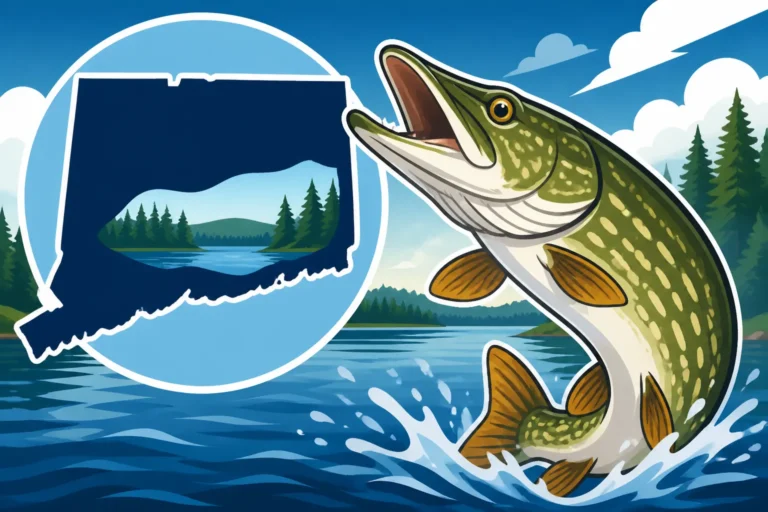
Northern pike populations in Connecticut lakes and the Connecticut River, featuring Bantam Lake as a prime fishing location.
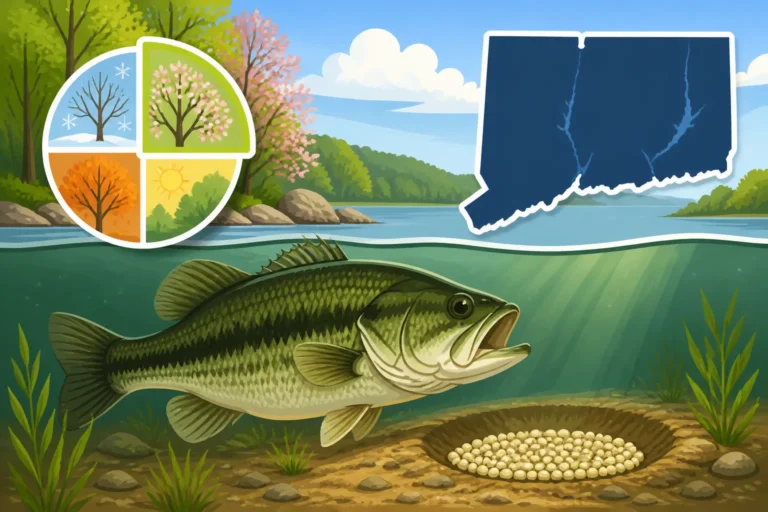
Largemouth bass spawning in Connecticut depends on water temperatures triggering males to build shallow nests and guard fry.
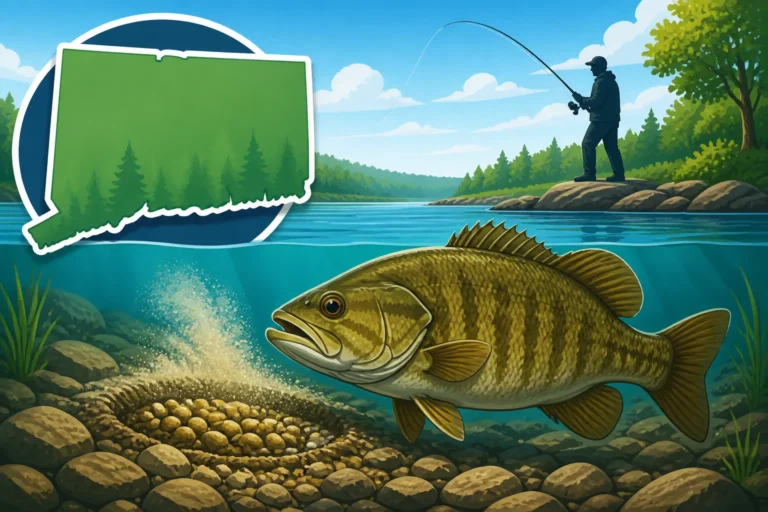
Connecticut smallmouth bass spawning occurs from May through June when water temperatures reach fifty-five to sixty-five degrees.
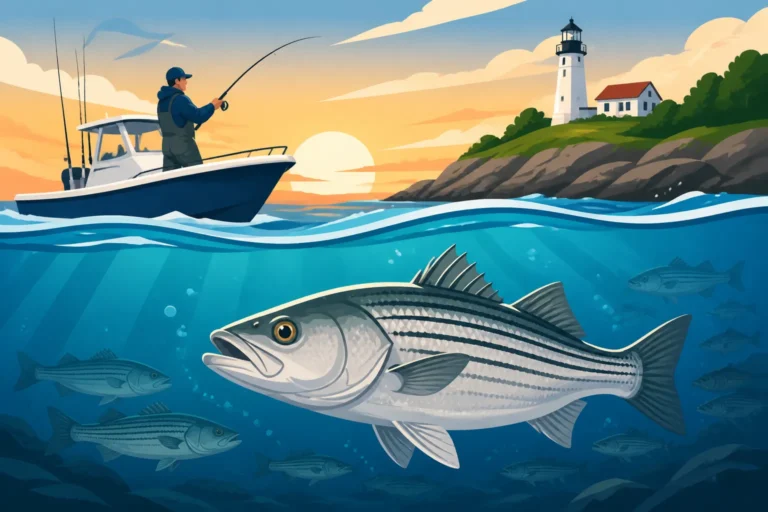
Striped bass migrate into Long Island Sound starting in late March as water temperatures rise, bringing schoolies and larger migratory fish.
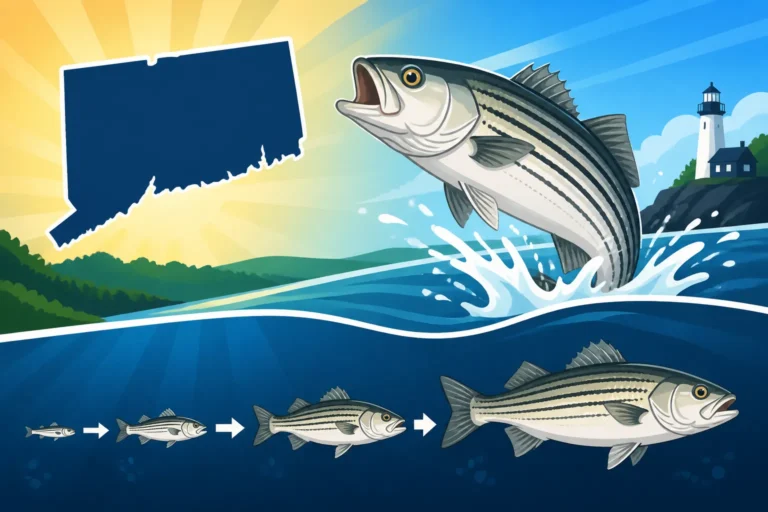
Striped bass growth rates, spanning from one to ten years, determine the typical length and weight of fish in Connecticut.
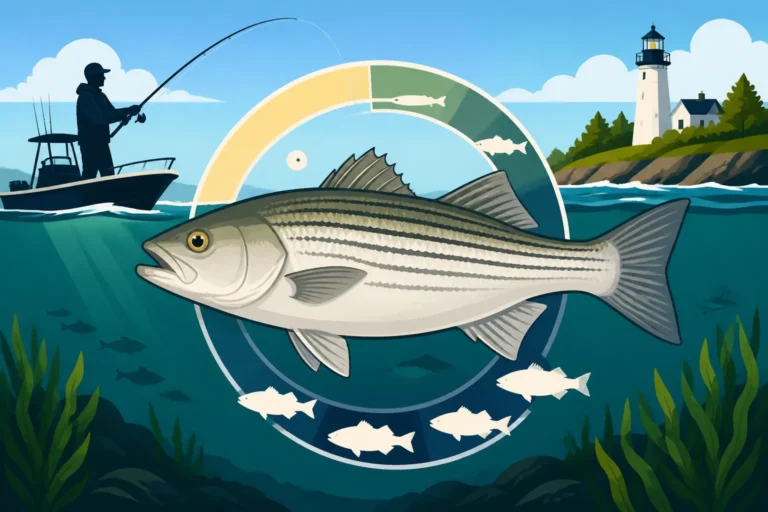
Striped bass lifespan details the typical age ranges, growth stages, and survival factors for fish in Connecticut waters.
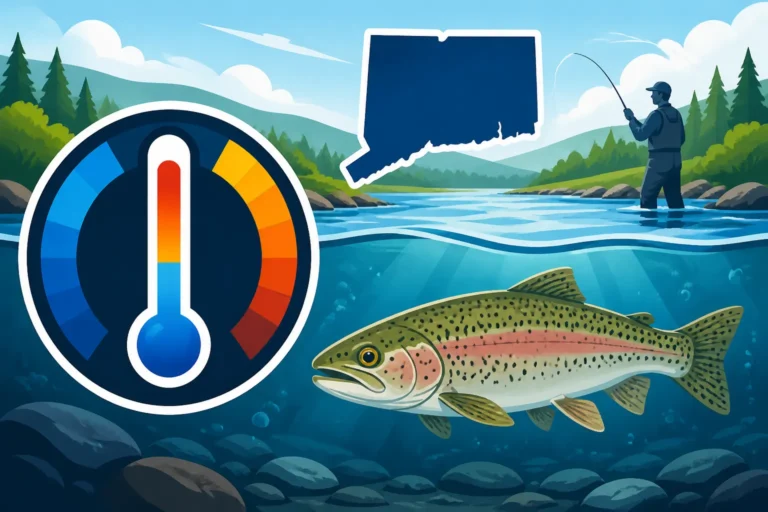
Optimal water temperature ranges and lethal heat limits for brook, brown, and rainbow trout in Connecticut streams.
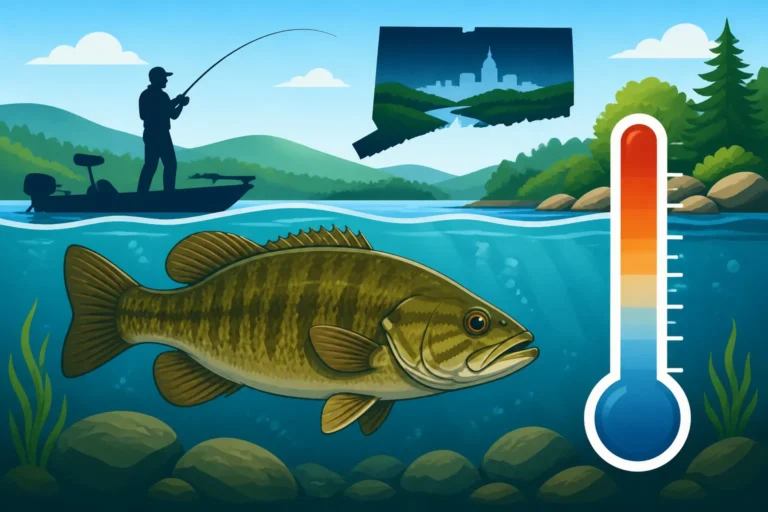
Smallmouth bass prefer water temperatures from sixty to seventy degrees Fahrenheit for optimal metabolism and feeding activity.
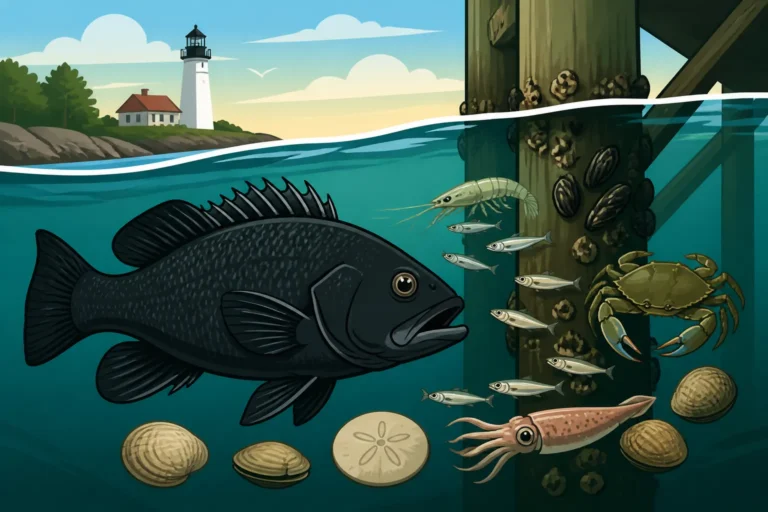
Connecticut blackfish eat bottom-dwelling invertebrates like crabs, shellfish, and worms found around rocky structures, wrecks, and mussel beds.
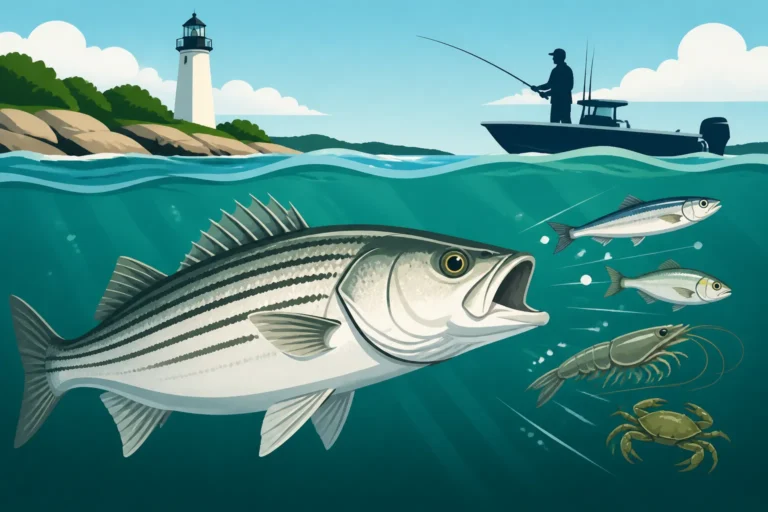
Striped bass in Long Island Sound feed on protein-rich Atlantic menhaden, bay anchovies, silversides, and sand eels.