Chain Pickerel Habits in Connecticut Ponds
There's nothing quite like the sudden, aggressive strike of a chain pickerel, especially when you're just enjoying a peaceful day on a Connecticut pond. But sometimes, finding these toothy torpedoes can feel like a guessing game. It's frustrating when you know they're in a pond, but they just aren't cooperating. This guide will peel back the curtain on the intriguing habits of chain pickerel in Connecticut ponds, helping you understand where they hide, what they eat, and how they behave throughout the year, so you can increase your chances of a successful and exciting catch.
Understanding Connecticut's Chain Pickerel
The chain pickerel, or Esox niger, is a fascinating freshwater fish that calls many of Connecticut's ponds and lakes home. Often overlooked in favor of its larger pike cousins or more popular bass species, the pickerel is a formidable predator in its own right and provides a thrilling fight on light tackle. For many of us, catching a pickerel is an unexpected bonus when targeting other species, but once you understand them, you might find yourself seeking them out specifically.
Identifying the Chain Pickerel
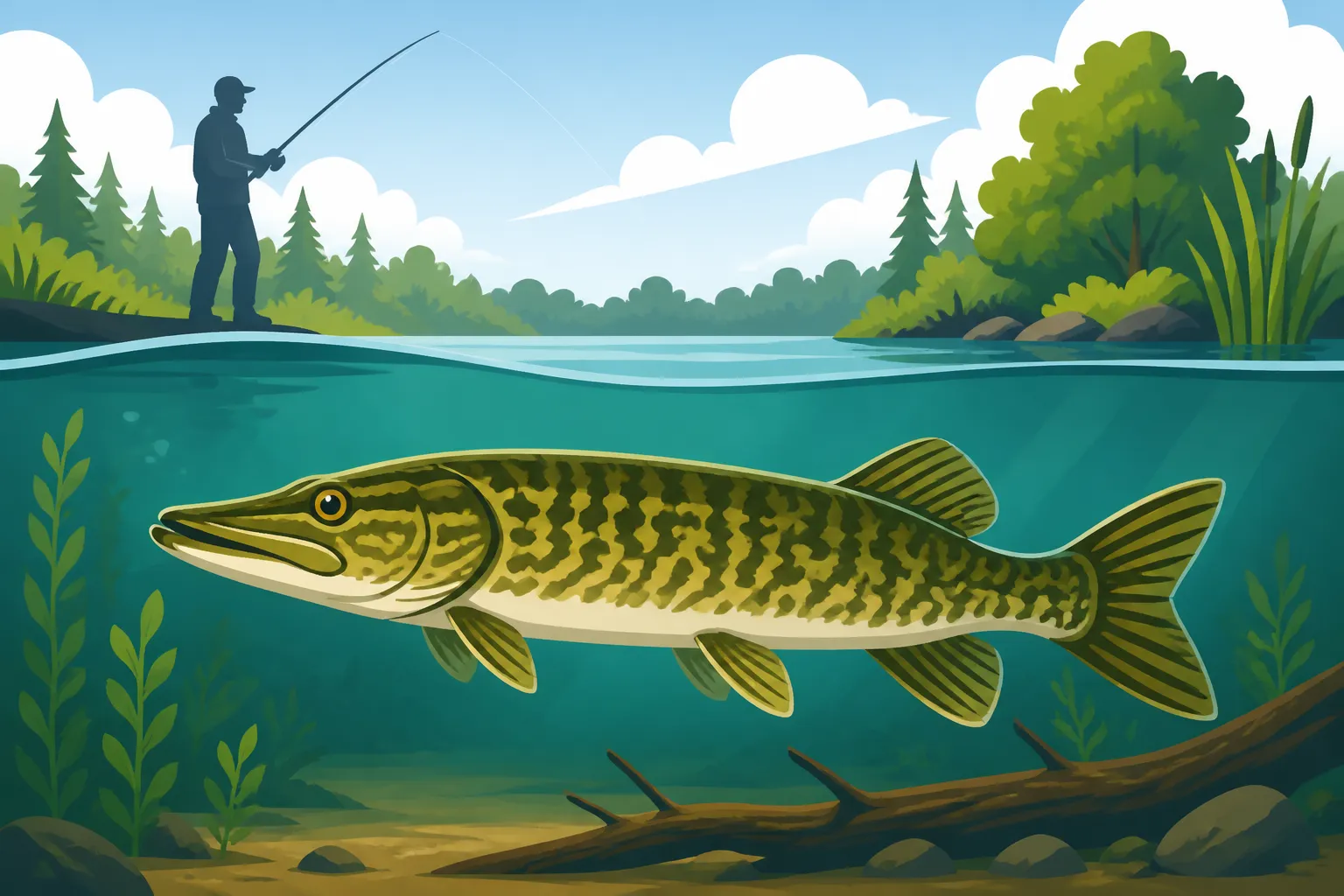
Spotting a chain pickerel is usually pretty straightforward once you know what to look for. They have a distinctive, elongated body shape, much like a torpedo, which is built for speed and ambush attacks. Their coloring is typically a beautiful greenish-yellow on the back, fading to white on the belly, but the real giveaway is the intricate, chain-like pattern of dark markings along their sides. This pattern is where they get their "chain" name from, and it's quite unique. They also have a duckbill-shaped snout packed with sharp, backward-pointing teeth—a clear sign of their predatory nature. Their dorsal fin is set far back on their body, closer to their tail, which helps them accelerate rapidly from a standstill. Don't confuse them with their northern pike cousins; pickerel typically have fully scaled gill covers, while pike have only partially scaled ones.
Natural Habitat and Preferred Waters
Chain pickerel are quite adaptable, but they certainly have their favorite spots. In Connecticut, you'll primarily find them thriving in shallow, weedy areas of ponds, lakes, and slow-moving rivers. They absolutely love dense vegetation like lily pads, submerged grasses, and brush piles. Think of any pond you've fished that has extensive weed beds or fallen timber; chances are, pickerel are lurking there. These environments offer perfect camouflage for their ambush hunting style and provide plenty of cover from both predators and prey. They generally prefer clear to slightly turbid water and can tolerate a wide range of water temperatures, which is why they remain active even into the colder months. You won't typically find them in fast-flowing, rocky trout streams; they much prefer the calm, vegetated sanctuaries of a pond.
The Pickerel's Role in the Ecosystem
As voracious predators, chain pickerel play a crucial role in the aquatic ecosystems of Connecticut ponds. They help regulate populations of smaller fish, amphibians, and even insects, ensuring a healthier balance in the food chain. By preying on abundant smaller species like minnows, sunfish, and juvenile perch, they prevent any one species from becoming overpopulated. This is especially true in ponds where they might be one of the top predators. However, their aggressive nature also means they can impact populations of other game fish, especially young bass or trout. Understanding their place in the food web helps us appreciate their ecological value, even if they sometimes snatch a bait intended for a different fish! They're just doing their job, after all.
Where to Find Chain Pickerel in Connecticut Ponds
Locating chain pickerel in Connecticut ponds is less about luck and more about understanding their preferred real estate. These fish are masters of camouflage and ambush, which means they'll position themselves in specific structures that offer both cover and a strategic vantage point for hunting. If you've ever struggled to pinpoint them, it's likely because you weren't looking in the right "neighborhoods."
Key Habitat Features
When you're out on a pond, keep an eye out for these prime pickerel hangouts. Firstly, dense weed beds are absolutely critical. Think thick patches of lily pads, cattails, or submerged hydrilla. Pickerel will lie completely still within these weeds, blending in perfectly, waiting for an unsuspecting meal to swim by. They often prefer the edges of these weed lines, where they can dart out into open water to strike. Secondly, fallen timber, brush piles, and submerged logs offer similar ambush points and cover. These structures break up the current (if any) and provide shade, which pickerel appreciate. Thirdly, changes in bottom contour, like sharp drop-offs or submerged humps adjacent to shallow flats, are also productive. While pickerel are primarily shallow-water dwellers, they'll use these deeper transition zones to move between feeding areas or escape extreme temperatures. Finally, any kind of man-made structure like docks, pilings, or old tires can attract them, as they offer similar cover.
Consider a sunny summer day on a pond in eastern Connecticut. You might find pickerel tucked deep into the shadier parts of extensive lily pad fields, right up against the bank. Or perhaps, near a cluster of submerged cedar trees where they can ambush baitfish moving along the edge. The more structure and cover, the better for a pickerel.
Pond Types and Pickerel Distribution
Connecticut boasts a diverse array of ponds, and chain pickerel can be found in many of them, though they certainly have their preferences. They thrive in what we often call "warm water" ponds—those with abundant vegetation and typically shallower depths, which warm up quickly in the spring and stay warm through the summer. These are often the same ponds where you'll find healthy populations of largemouth bass and various panfish. Less commonly, you might encounter them in the deeper, colder oligotrophic lakes, but usually only in the shallower, vegetated coves.
For instance, many state park ponds across Connecticut, like those in Hopeville Pond State Park or Mashapaug Lake, offer ideal conditions for pickerel. These water bodies often have extensive shallow flats, numerous weed beds, and plenty of shoreline cover, making them prime pickerel territory. You'll find them widely distributed, from the quiet waters of eastern Connecticut to the ponds nestled in the Litchfield Hills. If a pond has good cover and a healthy forage base, it's a good bet for pickerel.
Seasonal Movements within Ponds
Like many fish, chain pickerel exhibit seasonal patterns in their movements, though they tend to be less dramatic than migratory species.
- Spring: As the ice melts and water temperatures begin to rise, pickerel become very active. This is often tied to their spawning season (more on that later). They'll move into the very shallowest, warmest areas of a pond, often right up against the banks or in flooded grassy areas. This makes them relatively easy to target for early season anglers. They're recovering from winter and preparing to reproduce, so their appetites are strong.
- Summer: During the heat of summer, pickerel will retreat slightly from the absolute shallowest water, especially during the brightest parts of the day. They'll still be in cover, but they might hold in denser weed beds in slightly deeper water (3-8 feet), or seek out shaded areas under overhanging trees or docks. Early morning and late evening can be prime feeding times as they move back into shallower edges. Look for them along the thermocline if it exists in deeper ponds, but generally, they'll stick to the upper, warmer water column within their preferred cover.
- Fall: As water temperatures cool down, pickerel become incredibly active again. They'll often feed aggressively, bulking up for the coming winter. You'll find them often in similar locations to spring, on weed edges and around structure, but they might range a bit more widely in search of schooling baitfish. This can be one of the best times of year to target larger pickerel, as they are less pressured and actively feeding.
- Winter (Ice Fishing): Chain pickerel are fantastic ice fishing targets in Connecticut! They remain active under the ice, often holding in or near green weed beds that still produce oxygen. They'll patrol the edges of these weed lines, waiting for unsuspecting minnows. They're less prone to slowing down significantly in cold water compared to some other species, making them a reliable catch through the ice. Ice Fishing in Connecticut can be a truly rewarding experience, especially when you're pulling up feisty pickerel.
Chain Pickerel Feeding Habits and Diet
The chain pickerel's feeding habits are a testament to its design as an efficient freshwater predator. You won't find them delicately sipping insects from the surface; these fish are built for power and surprise. Understanding what and how they eat is key to choosing the right baits and techniques. Many an angler has been startled by the sudden violent strike of a pickerel, mistaking it for a larger game fish, only to find this toothy, slender creature on the end of their line.
Ambush Predators by Nature
This is the core of the pickerel's hunting strategy. They are not active cruisers that chase down prey over long distances. Instead, they position themselves perfectly within dense cover—be it weeds, submerged timber, or even shadows—and wait. With their elongated body and fins set far back, they can unleash incredible bursts of speed from a standstill. When an unsuspecting baitfish, frog, or even a smaller mouse passes by, the pickerel explodes from its hiding spot, engulfing its prey with those sharp teeth. The strike is often incredibly fast and aggressive, meant to stun or capture the prey before it has a chance to react. This is why you often get such a jarring hit when fishing for them; they commit fully to the attack. This ambush style also explains why they are so closely associated with heavy cover and why casting to the edges and pockets of such areas is often so effective.
Preferred Prey Species
Chain pickerel are opportunistic carnivores, meaning they'll eat pretty much anything they can catch and fit into their mouths. However, they definitely have favorites. Their primary diet consists of smaller fish, which make up the bulk of their meals. This includes common prey species found in Connecticut ponds such as:
- Minnows: Various species of minnows are a staple.
- Juvenile Perch: Small yellow perch are often abundant and easy targets.
- Sunfish: Bluegill, pumpkinseed, and other small sunfish are frequently on the menu.
- Small Bass: Unfortunately, young largemouth and smallmouth bass can also become pickerel prey.
Beyond fish, they will readily consume:
- Frogs: A frog swimming across the surface is an irresistible meal.
- Salamanders: If available, these amphibians are also targeted.
- Insects: Larger insects, particularly those that fall into the water, can be taken.
- Crayfish: While perhaps not as common as for bass, pickerel won't pass up a crayfish.
This diverse diet means that a wide range of artificial lures and natural baits can be effective. Knowing What Chain Pickerel Eat in Connecticut Ponds can give you a significant advantage in bait selection.
Impact of Water Conditions on Feeding
Water conditions play a big role in pickerel feeding activity, just like with most fish.
- Temperature: Pickerel are generally tolerant of a wide range of temperatures, but they become most active in water temperatures from the mid-50s to the low 70s Fahrenheit. In very cold water (near freezing), their metabolism slows, but they still feed. In very warm summer water (mid-80s+), they might become more lethargic and seek deeper, cooler water or dense shade.
- Clarity: While pickerel can hunt in slightly turbid water, they generally prefer moderate to clear conditions where their eyesight can be used effectively for ambush. In very muddy water, their ambush strategy might be less effective, and they may rely more on sensing vibrations.
- Light Conditions: Pickerel are typically visual feeders, so they are most active during daylight hours. Overcast days can be excellent, as the reduced light allows them to feel more comfortable moving closer to open water edges without being as exposed. Early morning and late evening, when light is lower but visibility is still good, are also prime feeding times. Night fishing for pickerel is not typically as productive as it can be for other species like striped bass.
- Barometric Pressure: Like many predators, stable or slowly falling barometric pressure can often trigger feeding activity, while rapidly falling pressure (before a storm) or very high, stable pressure can make them less willing to bite. These are general trends, of course, and a hungry pickerel might bite regardless!
Spawning and Reproduction in Connecticut Ponds
Understanding the spawning habits of chain pickerel in Connecticut ponds is crucial for appreciating their life cycle and for anglers who want to respect their reproductive efforts. Unlike some other fish that create elaborate nests, pickerel have a somewhat simpler, yet effective, approach to procreation. This period is a fascinating window into their annual rhythm.
Timing and Conditions for Spawning
Chain pickerel typically spawn early in the spring, often as soon as the ice melts and water temperatures begin to climb. In Connecticut, this usually occurs between late March and early May, depending on the specific pond and the severity of the winter. They are one of the earliest fish to reproduce in many freshwater systems. The ideal water temperature for spawning generally falls within the range of 40-55 degrees Fahrenheit (4-13 degrees Celsius).
They are drawn to very shallow, flooded grassy areas or dense submerged vegetation for spawning. Think of those areas of a pond that are just a foot or two deep, with plenty of dead grass, cattail stalks, or other plant matter from the previous season. These shallow zones warm up quickly under the spring sun, providing the perfect nursery conditions for their eggs. This early timing means they are often done spawning before many other popular game fish, giving their young a head start.
Spawning Behavior and Nesting
Pickerel don't build elaborate nests like bass do. Instead, they are what's known as "broadcast spawners." During the spawning period, multiple males will typically escort a larger female into the shallow, vegetated areas. The female will then release her eggs, which are sticky and adhere to the submerged vegetation, detritus, and plant stems. The males will simultaneously release their milt, fertilizing the eggs in the water column. This process can happen over several days, with females potentially releasing eggs in batches.
The sticky nature of the eggs is a critical adaptation; it keeps them suspended among the vegetation, safe from sinking into the silt and relatively hidden from predators. There is no parental care once the eggs are laid; the adults simply return to deeper waters, leaving the survival of their offspring to chance and the protective cover of the weeds. This lack of parental guarding makes the sheer volume of eggs produced vital for species survival.
Juvenile Development and Survival
Once fertilized, the eggs will hatch within a week to ten days, depending on water temperature. The newly hatched pickerel fry are tiny and, for a short period, will remain attached to vegetation by an adhesive organ on their heads, feeding off their yolk sacs. Once their yolk sacs are absorbed, they become free-swimming and immediately begin to feed on microscopic zooplankton and other small invertebrates.
As they grow, their diet shifts quickly to larger prey, including insect larvae and the fry of other fish species, including their own kind if food is scarce. The dense vegetation that protected their eggs continues to offer crucial cover for the developing juveniles, shielding them from larger predators like bass, larger pickerel, and wading birds. However, the survival rate from egg to adulthood is naturally very low, as is the case with most fish species. Many succumb to predation, disease, or environmental factors. Those that do survive grow relatively quickly, becoming efficient little predators themselves by the end of their first year. This entire cycle is a delicate balance, where the vegetated habitat of Connecticut ponds is absolutely critical for the pickerel's success.
Behavior and Angling Considerations
So, you're ready to tangle with a chain pickerel? That's fantastic! These fish offer a unique challenge and a lot of fun, especially when you understand their aggressive nature and how to exploit it. Don't let their relatively smaller size compared to a muskie or pike fool you; they can put up a surprisingly spirited fight.
Aggressiveness and Fight
One of the most defining characteristics of the chain pickerel is its sheer aggression. They are not shy. When they strike, they strike with conviction, often producing a jarring hit that can make your heart skip a beat. This aggression is particularly notable given their size; even a modest 15-inch pickerel will hit a lure with surprising force.
Once hooked, pickerel are known for their strong, head-shaking runs and aerial acrobatics. They'll often leap clear of the water, trying to throw the hook, and their sharp teeth can easily cut through lighter monofilament or fluorocarbon lines. This is why a wire leader or heavy fluorocarbon leader is highly recommended if you specifically target them. Their fight is explosive and sudden, making them an exciting fish to target, especially on lighter gear where their power feels amplified. For many anglers, the fight of a chain pickerel is a welcome surprise, especially when they're not expecting it.
Best Times to Target Pickerel
Pickerel are generally active throughout the day, but certain times and seasons offer better opportunities:
- Early Spring: As mentioned, this is prime time. Post-spawn and pre-spawn fish are actively feeding in shallow water. They're hungry and relatively easy to locate.
- Late Fall: Much like spring, cooling water temperatures trigger an aggressive feeding binge as pickerel pack on calories for winter. This is another fantastic time to target them, often yielding some of the largest fish of the year.
- Winter (Ice Fishing): Pickerel are a staple of the Connecticut ice fishing scene. They remain active under the ice, especially in ponds with green weeds, and will readily hit tip-ups and jigging spoons.
- Overcast Days: On sunny summer days, they can be a bit more lethargic or hold deep in cover. Overcast or cloudy days, however, often bring them out to patrol weed edges more actively.
- Early Morning/Late Evening: During the warmer months, these low-light periods are excellent, as pickerel will move out of the densest cover to feed more openly.
You'll find that Best Techniques for Chain Pickerel will vary depending on the season and specific conditions, but their consistent activity is a major draw.
Recommended Gear and Lures
Targeting chain pickerel doesn't require ultra-specialized gear, but a few considerations can greatly improve your success and prevent frustration.
- Rod and Reel: A medium-light to medium power spinning rod, 6 to 7 feet long, paired with a 2000-3000 size spinning reel, is ideal. This setup provides enough sensitivity for detecting strikes and enough backbone to handle their runs. You could also use a baitcasting setup if that's your preference.
- Line: Braided line in 10-20 lb test is a great choice because of its strength and sensitivity. Crucially, you need a leader. Pickerel teeth are no joke. A 6-12 inch wire leader (like a Berkley Steelon or similar) is the most foolproof option to prevent bite-offs. If you prefer not to use wire, a heavy fluorocarbon leader (20-30 lb test) can work, but even that can be shredded by a particularly toothy or aggressive fish.
- Lures: Pickerel are not picky! They respond well to a wide variety of lures that mimic their natural prey:
- Spinnerbaits and Inline Spinners: These are deadly. The flash and vibration are irresistible. White, chartreuse, and perch patterns are excellent.
- Spoons: Casting spoons, especially those with a wobbling action, are fantastic. Silver, gold, or red/white patterns are classic.
- Jerkbaits/Minnow Plugs: Suspending or floating jerkbaits that imitate baitfish can trigger aggressive strikes, especially with a twitch-pause retrieve.
- Soft Plastics: Paddle tail swimbaits, flukes, or even plastic worms rigged weedless can be effective, especially when fished slowly through dense cover.
- Live Bait: If you prefer live bait, shiners or minnows fished under a bobber or slowly retrieved are incredibly effective.
When shopping for lures, check online retailers like Amazon. They often have a wide selection of spinnerbaits, spoons, and jerkbaits perfect for pickerel fishing. Just be sure to pick up those wire leaders too; you'll thank yourself later when you're not constantly retying after a cut-off! Remember, pickerel are ambush predators, so retrieves that mimic a struggling baitfish or sudden darting movements are often most effective.
| Lure Type | Recommended Retrieve | Ideal Conditions | Notes |
|---|---|---|---|
| Spinnerbaits | Steady retrieve, occasional pauses | Weedy edges, moderate visibility | Flash and vibration attract strikes, good for covering water. |
| Inline Spinners | Steady, slow to medium retrieve | Open water, weed edges, clearer water | Classic pickerel catcher, simple and effective. |
| Spoons | Cast and retrieve with wobble | Open pockets in weeds, deeper edges | Mimics injured baitfish, good for distance casting. |
| Jerkbaits | Twitch, twitch, pause | Around structure, clear water | Mimics darting baitfish, excellent for triggering aggressive strikes. |
| Soft Plastics | Slow retrieve, jigging, weedless | Dense cover, lily pads, submerged grass | Can be fished effectively where other lures snag. |
| Live Minnows | Under a bobber, slow drift/retrieve | Anywhere pickerel are present | Often the most effective, especially on slower days. |
Conservation and Management
While chain pickerel aren't typically a species of concern from a conservation standpoint, understanding their population health, abiding by regulations, and practicing good catch and release techniques are vital for ensuring their continued presence and the overall health of Connecticut's aquatic ecosystems.
Pickerel Population Health
Thankfully, chain pickerel populations in Connecticut are generally robust and healthy. They are well-adapted to many of our ponds and slow-moving rivers, and their prolific spawning habits contribute to stable numbers. Unlike some species that face habitat loss or specific environmental threats, pickerel are quite resilient. They tolerate a range of water conditions and can thrive even in slightly disturbed environments, as long as there's ample cover and a food supply.
However, no species is entirely immune to environmental changes. Habitat degradation, such as the removal of shoreline vegetation or excessive siltation in ponds, could potentially impact their preferred spawning and ambush grounds. Over-harvesting could also be an issue if not managed. Fortunately, the Connecticut DEEP actively monitors fish populations, including pickerel, to ensure their numbers remain stable. Their adaptability and widespread distribution are significant factors in their current healthy status across the state.
Regulations for Chain Pickerel
To ensure sustainable fishing, Connecticut has specific regulations for chain pickerel. These typically cover minimum length limits, daily creel (possession) limits, and season dates. It's really important to consult the current Connecticut Fishing Regulations Explained or the official Connecticut Angler's Guide each year, as rules can change. You can usually find these online on the state's environmental protection website.
For example, there's often a minimum length limit, meaning you can only keep pickerel above a certain size, allowing younger fish to grow and reproduce. There's also usually a daily creel limit, restricting the number of pickerel you can keep in a single day. These regulations are in place to prevent overfishing and maintain healthy populations for future generations of anglers. Always double-check the specifics for the particular body of water you're fishing, as special regulations can sometimes apply to certain ponds or lakes. Compliance is key for responsible angling.
Catch and Release Best Practices
Even if you plan to keep a few pickerel for dinner (they are quite tasty!), practicing proper catch and release for others is always a good idea. Because pickerel have those sharp teeth and are often caught in dense cover, extra care is needed.
Here are some best practices:
- Handle with Care: Support the fish horizontally, avoiding squeezing its belly. Wet your hands before touching the fish to protect its slime coat, which is vital for disease resistance.
- Use Pliers or Forceps: Do not, under any circumstances, stick your fingers near a pickerel's mouth. Their teeth are incredibly sharp, and a bite can be nasty. Use long-nosed pliers or hemostats to carefully remove hooks. You can find excellent options on Amazon or at any tackle shop.
- Minimize Air Time: Keep the fish in the water as much as possible. If you must remove it for a quick photo, do so quickly and get it back into the water promptly. Prolonged air exposure can be very stressful and damaging.
- Consider Barbless Hooks: For easier and less damaging hook removal, consider crimping down the barbs on your hooks or using barbless hooks. This makes it much simpler to unhook the fish, especially with those sharp teeth to contend with.
- Cut the Line if Necessary: If a hook is deeply embedded and cannot be removed easily without further harming the fish, it's often better to simply cut the line as close to the hook as possible. The hook will eventually rust out, and the fish has a better chance of survival than if you try to forcefully remove it.
- Revive Gently: If the fish seems sluggish, hold it gently in the water, facing into any current (if present), or move it slowly back and forth to push water over its gills until it regains its strength and can swim away on its own.
By following these simple steps, you're not only ensuring the health of the individual fish but contributing to the overall sustainability of chain pickerel fishing in Connecticut ponds for everyone to enjoy for years to come.
Disclaimer
This article is for general informational purposes only and does not constitute professional advice. Laws, prices and regulations vary by location and change over time. Consult a qualified professional for guidance on your specific situation.