American Eel in Connecticut Rivers
Many anglers across Connecticut might glimpse a sleek, snake-like creature wriggling in their nets or around docks and wonder what it is. Often misunderstood and sometimes mistaken for something less desirable, the American Eel is a fascinating and crucial part of our state's aquatic ecosystems. This comprehensive guide will unravel the mysteries of the American Eel, detailing its incredible life cycle, preferred habitats in our rivers and estuaries, and the vital role it plays, along with practical advice for those looking to respectfully interact with this ancient species.
The Enigmatic American Eel: An Overview
The American Eel (Anguilla rostrata) is a creature of legend and biological marvel, often shrouded in a bit of mystery due to its nocturnal habits and serpentine appearance. Far from being just a "river snake," these fish possess an incredibly complex life cycle and play an indispensable role in the health of Connecticut's waterways. Understanding them is key to appreciating the rich biodiversity we have in our Best Fishing Rivers in Connecticut.
What Exactly Is an American Eel?
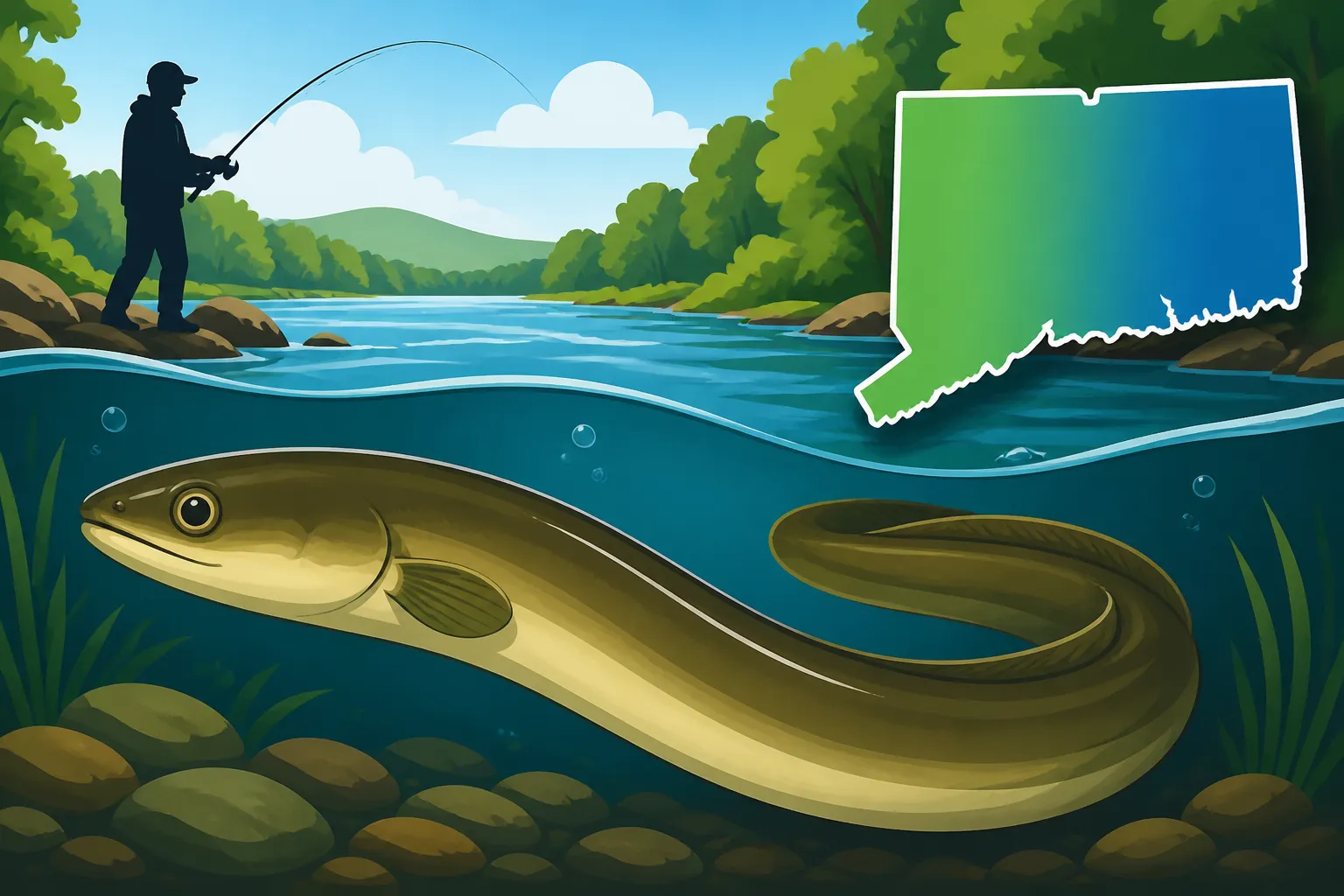
An American Eel is, first and foremost, a fish, not a snake. It belongs to the order Anguilliformes, which includes all true eels. Physically, they are characterized by their long, slender, snake-like bodies, smooth, scaleless skin (though technically they have minute, embedded scales), and a continuous dorsal, caudal, and anal fin that runs almost the entire length of their body. Their color can vary, usually dark green or brownish-black on top, fading to a lighter, often yellowish, underside. What truly sets them apart is their unique life cycle, making them a fascinating subject for any curious angler or naturalist.
These eels are what we call catadromous, meaning they spend the majority of their adult lives in freshwater or brackish estuaries, but migrate to the ocean to spawn. This is the opposite of anadromous fish like salmon, which live in the ocean and spawn in freshwater. From the moment they hatch, American Eels embark on one of the most epic migrations in the animal kingdom, a journey that spans thousands of miles and involves several dramatic transformations. Their ability to adapt to both fresh and saltwater environments, along with their incredibly tough and elusive nature, makes them truly unique among fish species found in our region. They are incredibly resilient, capable of surviving in a wide range of water conditions and temperatures, which contributes to their widespread presence across North and Central America.
The American Eel's Unique Place in Connecticut's Ecosystem
In Connecticut's intricate web of life, the American Eel holds a significant and often underestimated position. They are opportunistic predators, serving as a critical link in the food chain. As they grow in our rivers, lakes, and estuaries, they forage on a variety of prey, including aquatic insects, worms, small fish, and crustaceans like crabs and shrimp. This predatory role helps to maintain balance in the ecosystems they inhabit, controlling populations of smaller organisms.
Beyond their role as a predator, eels themselves are a vital food source for a host of other animals. Ospreys, bald eagles, great blue herons, and various larger fish species all rely on eels for sustenance. Mammals like raccoons and otters are also known to prey on eels, especially when the eels are migrating or can be found in shallower waters. Their high fat content makes them a very energy-rich meal for these predators. Therefore, the health and abundance of American Eel populations directly impact the well-being of many other wildlife species in Connecticut. Their presence indicates a healthy, functioning aquatic environment. While they might not be the charismatic megafauna that immediately captures attention, their ecological contributions are profound and far-reaching, especially in specific locales such as the Fish species unique to the Connecticut River.
Life's Journey: The American Eel's Incredible Migration
The life cycle of the American Eel is nothing short of extraordinary, a testament to nature's resilience and navigational prowess. It's a journey that begins in the vastness of the Atlantic Ocean and culminates in the quiet backwaters of Connecticut's rivers, only to reverse course years later.
From the Sargasso Sea to Connecticut's Rivers
Every American Eel begins its life in the mysterious Sargasso Sea, a vast area in the North Atlantic Ocean known for its calm, warm waters and unique sargassum seaweed beds. This remote location is the sole known spawning ground for all American Eels. Here, adult silver eels from across the eastern seaboard and Gulf Coast converge, spawn, and then perish after their herculean effort. The tiny, leaf-like larvae, known as leptocephali, hatch from the eggs and begin an incredible, passive migration.
These transparent, flat, and almost ribbon-like larvae drift with the oceanic currents, specifically the Gulf Stream, for up to a year or more. During this time, they feed on marine snow and absorb nutrients directly from the water, slowly growing as they are carried northward towards the continental shelf. As they approach the shallower coastal waters and estuaries of North America, including those of Connecticut, they undergo their first major transformation, metamorphosing into what are called "glass eels." These glass eels are still transparent, but their bodies have taken on the more familiar eel-like shape, making them incredibly difficult to spot in the water. This oceanic phase is a critical, yet largely unseen, part of their existence, setting the stage for their freshwater lives.
The Elver Run: A Phenomenon of Spring
As spring arrives in Connecticut, typically from March through May, the glass eels that have drifted into our coastal waters and estuaries undergo another transformation, developing pigmentation and becoming "elvers." These small, dark, pencil-thin eels are now highly active and begin their arduous upstream migration into freshwater rivers and streams. This mass movement is known as the "elver run" and is a remarkable natural phenomenon to witness, though often subtle.
During the elver run, countless thousands of these tiny eels push against the current, climbing over obstacles, and even wriggling over wet land to reach their freshwater destinations. They are driven by an innate instinct to find suitable habitats where they can grow and mature. However, this journey is fraught with challenges. Dams and other man-made barriers pose significant hurdles, blocking their access to prime upstream habitats. While some modern dams are equipped with eelways or fish ladders to aid their passage, many older structures remain impassable, segmenting their traditional migration routes. The success of the elver run directly influences the health of future eel populations in our state, making it a critical period for their survival. Anglers interested in other seasonal migrations might also find the Connecticut Fishing Seasons by Month guide insightful.
Yellow Eels and Silver Eels: Transformations and Spawning Journey
Once elvers have successfully navigated upstream and settled into freshwater rivers, lakes, ponds, or even some brackish estuaries, they enter the "yellow eel" stage. This is where they will spend the majority of their lives, sometimes for 5 to 20 years or more, actively feeding and growing. During this phase, their bellies take on a yellowish hue, and their backs darken, allowing them to blend seamlessly with the bottom substrates and vegetation where they primarily reside. They are opportunistic predators, growing in length and girth, building up vital fat reserves that will fuel their ultimate journey.
When they reach sexual maturity, typically between 8 and 20 years of age, the yellow eels undergo their final, most dramatic transformation, becoming "silver eels." Their eyes enlarge to improve vision in deep ocean waters, their skin thickens and darkens to a silvery-black, and their digestive tracts degenerate, meaning they stop feeding entirely. All of their energy is now dedicated to reproduction. Driven by an incredible instinct, these silver eels begin their migration back to the Sargasso Sea, often traveling thousands of miles without eating. This downstream migration, typically occurring in the fall, is another vulnerable time, as they must once again navigate past dams and other hazards. This remarkable cycle of growth, transformation, and migration underscores the American Eel's incredible resilience and the profound mystery of its life, as all adults make the one-way journey to spawn and then die.
Where and How American Eels Thrive in Connecticut
American Eels are incredibly adaptable, which is why you can find them in such a diverse range of aquatic environments throughout Connecticut. Their preferences, however, reveal much about their behavior and how best to find them.
Preferred Habitats in Connecticut Rivers and Estuaries
In Connecticut, American Eels exhibit a remarkable flexibility in habitat choice, populating everything from the smallest freshwater trickles to the broad expanses of Long Island Sound Fishing Guide. However, they do show a strong preference for certain characteristics. Eels are primarily bottom dwellers, so they favor areas with soft, muddy bottoms where they can burrow during the day or when temperatures drop. They also seek out abundant cover, such as rocky crevices, submerged logs, dense aquatic vegetation, and undercut banks. These structures provide protection from predators and ambush points for their nocturnal hunting forays.
You can find them throughout the entire stretch of major rivers like the Connecticut River, especially in the quieter backwater coves and deeper holes. They are also prevalent in smaller tributaries that feed into these larger systems, often venturing surprisingly far upstream. Estuaries, where freshwater mixes with saltwater, are particularly rich habitats for eels due to the abundance of food and varying salinity levels they can tolerate. Their ability to survive in a wide range of salinities means you might encounter them in pure freshwater lakes and ponds, brackish tidal rivers, or even coastal marine environments. They're truly ubiquitous across our aquatic landscape, making their home wherever there's cover and a food source. You might even find them alongside other species in these varied habitats, such as those targeted in Connecticut River Striped Bass Fishing efforts.
What American Eels Eat and What Eats Them
American Eels are highly opportunistic and effective predators, primarily active under the cover of darkness. Their diet is incredibly varied, reflecting their adaptable nature and the diverse environments they inhabit. They'll readily consume a wide array of prey, including aquatic insects and their larvae, various worms, small crustaceans like crayfish, shrimp, and crabs, and even small fish. Frogs, salamanders, and even carrion can also make up a portion of their diet. They use their keen sense of smell to locate food in murky waters or at night, and their powerful jaws and slimy bodies make them effective at subduing prey.
While they are efficient hunters, yellow eels themselves are a significant food source for many other creatures in Connecticut. Larger predatory fish such as bass, pickerel, and especially striped bass in brackish and saltwater environments, will readily prey on eels. In fact, many anglers specifically use live or cut eel as bait for targeting trophy-sized striped bass. Birds of prey, particularly ospreys and bald eagles, frequently snatch eels from the water. Great blue herons also hunt them in shallower areas. Mammalian predators like raccoons and otters are also adept at catching eels, especially during migration periods when they might be more exposed. This dual role as both predator and prey highlights their central importance in the food web. Their use as bait for large predators is a testament to their appeal, particularly for species like those discussed in Striped Bass Fishing in Long Island Sound.
Finding Eels: Best Times and Methods for Anglers
If you're interested in encountering American Eels, either for sport, bait, or culinary purposes, understanding their behavior is key. Eels are overwhelmingly nocturnal, meaning your best chances of finding them will be after sunset and into the night. They become much more active, leaving their daytime hiding spots to forage.
When it comes to location, focus on areas with plenty of structure and muddy or soft bottoms. Docks, bridge pilings, rock piles, submerged logs, and patches of thick vegetation are all excellent places to start. In rivers, look for slower-moving pools, eddies, and deeper holes. In estuaries, channel edges and oyster beds can be productive. The incoming or outgoing tide can also be a good time in tidal waters, as the moving water stirs up food.
For methods, still-fishing on the bottom with bait is the most effective approach. A simple rig with a heavy sinker to keep your bait anchored and a sturdy hook is all you need. Eels have excellent senses of smell, so pungent baits work wonders. Common choices include nightcrawlers, pieces of cut fish (mackerel, bunker, herring), or even squid. Many anglers use a small piece of glow stick attached to their line or float for visibility during night fishing. Make sure you have a strong rod and reel, as eels can put up a surprising fight and are notoriously slimy and difficult to handle. Having a dedicated pair of pliers or a dehooker is essential for safe handling and release, and you can find a wide variety of suitable tools and tackle on Amazon to get started.
The Challenges and Conservation of American Eels
Despite their resilience and widespread distribution, American Eels face a number of significant threats that have led to concerns about their populations across their range. Conservation efforts are crucial to ensuring these remarkable fish continue to thrive in Connecticut's waters.
Threats to American Eel Populations
American Eels encounter a gauntlet of challenges throughout their life cycle, from their oceanic spawning grounds to their freshwater foraging habitats. One of the most significant threats in Connecticut, as well as throughout their range, comes from hydroelectric dams and other impoundments. These barriers not only block upstream migration of elvers, preventing them from accessing crucial growth habitats, but they also pose a mortal danger to migrating silver eels heading downstream to spawn. Adult eels passing through dam turbines often suffer injury or mortality, severely impacting the number of individuals that can make it back to the Sargasso Sea to reproduce.
Pollution is another pervasive threat. Eels are long-lived and accumulate contaminants like PCBs and heavy metals in their fatty tissues over many years. This bioaccumulation can affect their health, reproductive success, and even make them unsafe for human consumption in certain areas. Habitat degradation, including wetland destruction, shoreline development, and dredging, further reduces the quality and availability of essential eel habitats. Finally, overfishing, both legal and illegal, for food and bait can put additional pressure on populations, particularly targeting the valuable elver stage in some regions, though this is less prevalent in Connecticut. Addressing these multifaceted threats requires a comprehensive and collaborative approach. For context on broader aquatic conservation, consider reading about Endangered and Protected Fish Species in Connecticut.
Conservation Efforts in Connecticut
Recognizing the ecological importance and vulnerability of American Eels, the Connecticut Department of Energy and Environmental Protection (DEEP) has implemented various conservation strategies. A key focus is on improving passage at dams. This involves projects to remove obsolete dams, which not only opens up miles of habitat for eels but also restores natural river flows for other migratory species. Where dam removal isn't feasible, DEEP works with dam owners to install "eelways" or specialized fish ladders designed to help elvers and adult eels bypass the obstructions safely. These structures are often as simple as ramps lined with textured materials that eels can grip and slither up.
Monitoring programs are also critical, allowing biologists to track eel populations, migration patterns, and the effectiveness of conservation measures. By collecting data on eel numbers and health, the state can make informed decisions about management and protection. Furthermore, broader efforts to improve water quality through regulations and enforcement benefit eels by reducing their exposure to harmful pollutants. The overall goal is to restore connectivity between the ocean and inland waters, ensuring that eels can complete their incredible migration and contribute to the health of our aquatic ecosystems. These efforts are often intertwined with general regulatory frameworks discussed in Connecticut Fishing Regulations Explained.
Angler's Role in Eel Conservation
Anglers have a significant role to play in the conservation of American Eels, both through compliance with regulations and responsible fishing practices. First and foremost, it's crucial to be aware of and adhere to all state fishing regulations regarding eels, including any potential size limits, creel limits, or seasonal restrictions. These regulations are in place to manage populations sustainably. If you're using eels as bait, ensure you're aware of any baitfish regulations as well.
For those who practice catch-and-release, particularly when targeting eels for sport or if an eel is caught incidentally, proper handling techniques are paramount. Eels are notoriously slippery, and their strong jaws can make hook removal tricky. Using a wet rag or glove to handle them can help with grip and protect their delicate slime coat. A long-nosed pliers or dehooker is essential for quick and safe hook removal, minimizing stress and injury. Avoid dragging eels on dry surfaces, and release them gently back into the water as quickly as possible. By educating yourself and following these guidelines, anglers can become active stewards of American Eel populations, contributing to their long-term health and abundance in Connecticut's rivers.
Fishing for American Eels in Connecticut: Tips and Regulations
Whether you're targeting eels for use as bait for larger game fish or simply curious about catching one, understanding the right gear, techniques, and regulations will enhance your experience and ensure responsible fishing.
Essential Gear for Eel Fishing
Catching an American Eel can be quite an adventure, and having the right gear makes all the difference. Their powerful, slippery bodies demand equipment that can handle a strong, writhing fight.
First, you'll want a medium to medium-heavy action rod, typically 6 to 7.5 feet long. Fiberglass or composite rods are often preferred over graphite for their durability and flexibility, which can absorb the eel's powerful runs and shakes. Pair this with a sturdy spinning reel or a conventional baitcasting reel capable of holding a good amount of line. For line, opt for 20 to 30-pound test monofilament or braided line. Braided line offers superior strength and sensitivity, while monofilament can be more forgiving with knots and abrasion. A heavy leader, perhaps 30-50 pound test fluorocarbon or monofilament, is a good idea as eels have small, sharp teeth that can fray lighter lines.
For hooks, consider using size 2/0 to 4/0 circle hooks. Circle hooks are excellent because they are designed to hook fish in the corner of the mouth, minimizing the chance of deep hooking, which is especially important for catch and release. Eels will often swallow bait deeply, so a circle hook significantly improves their survival rate. You'll also need pyramid or egg sinkers, ranging from 1 to 3 ounces, depending on the current. Finally, essential accessories include a sturdy pair of long-nosed pliers or a dehooker for safe hook removal, a wet rag or old towel for gripping slippery eels, and a bucket or cooler if you plan to keep any. You can find robust and affordable options for all of these items on Amazon, ensuring you're well-equipped before your next outing.
Effective Techniques for Landing Eels
Eels are primarily bottom feeders and nocturnal, so your techniques should reflect these habits. The most effective method is bottom fishing with natural bait. A simple fish-finder rig or a Carolina rig works well: thread your main line through an egg sinker or a slider, then tie on a swivel. Attach a leader (18-36 inches) to the other end of the swivel, and then tie on your hook. This allows the fish to take the bait without feeling the full weight of the sinker.
Cast your bait out and let it sink to the bottom, preferably near structure like rocks, submerged logs, docks, or channel edges. Eels are not aggressive strikers; you'll typically feel a series of subtle taps or a steady, increasing pull as they mouth and then swallow the bait. Resist the urge to set the hook hard immediately. Give them a few seconds to fully take the bait, and if using circle hooks, simply reel down until the line comes tight – the hook will do the work. Once hooked, prepare for a tenacious fight. Eels will twist, turn, and wrap themselves around anything they can, including your line, which is why strong line and leaders are crucial. They are also incredibly slimy, making them difficult to hold. A wet rag or towel will be your best friend for gripping them securely for hook removal. If you are targeting them for bait, a separate bait bucket or livewell is necessary to keep them contained and healthy.
Connecticut's Eel Fishing Regulations
Fishing for American Eels in Connecticut, whether for sport or as bait, falls under specific regulations set by the Connecticut DEEP. These regulations are subject to change, so it is always essential to consult the most current official guide before heading out. However, generally, you will need a valid Connecticut fishing license to fish for eels, just like most other species. If you're unsure about license requirements, a good starting point is the Connecticut Fishing License Guide for 2026.
Eels may have specific possession limits or size restrictions depending on the season and whether you are fishing in inland or marine waters. It's crucial to differentiate between an inland fishing license and a marine fishing license if you plan to fish in estuaries or coastal areas where eels are abundant. Always carry a copy of the official Reading the Connecticut Fishing Guide or access the DEEP's current regulations online. These resources will provide up-to-date information on any daily creel limits (the number of eels you can keep) or minimum length requirements. Additionally, some specific bodies of water might have unique rules, so always check for local ordinances. Compliance with these regulations helps ensure the sustainable management of this vital species. For more detailed information on saltwater species, you might also refer to Connecticut Saltwater Fishing Regulations by Species.
Disclaimer
This article is for general informational purposes only and does not constitute professional advice. Laws, prices and regulations vary by location and change over time. Consult a qualified professional for guidance on your specific situation.