Where and How to Buy a Connecticut Fishing License
One of the most common frustrations for any angler, whether you’re a seasoned pro or just dipping your toe into the wonderful world of fishing, is navigating the maze of regulations to get your fishing license. It can feel like a bureaucratic hurdle, standing between you and a peaceful day on the water, but securing that little piece of paper (or digital file!) is absolutely essential. This comprehensive guide is here to untangle all the confusion, showing you exactly where and how to purchase your Connecticut fishing license, so you can focus on what truly matters: catching fish.
Understanding Connecticut's Fishing License Requirements
Before you even think about hitting the "buy" button or heading to a local vendor, it's crucial to understand who actually needs a fishing license in the Nutmeg State and what type of license might be right for your angling adventures. It's not a one-size-fits-all situation, and understanding the nuances can save you time, money, and potential headaches down the line.
Who Needs a License and Who Doesn't
The general rule of thumb in Connecticut is that if you're 16 years of age or older and plan to fish, you need a license. This applies to both residents and non-residents, whether you're casting a line in Long Island Sound, a tranquil inland lake, or a rushing trout stream. It's a fundamental requirement that helps fund conservation efforts and ensures the sustainable management of our state's incredible fisheries. You might be surprised to learn that even if you’re fishing a small pond in a state park, or a vast reservoir, the requirement remains. This ensures that everyone contributes to the health of the waterways we all enjoy.
However, there are some specific exceptions to this rule. For instance, if you're fishing on land owned by you, your spouse, or your lineal descendants (children, grandchildren, etc.), and that property isn't open to the public for fishing, you might be exempt. This is particularly relevant for those with private ponds or direct access to a private section of a river. Another common exception applies to certain designated "Free Fishing Days" that the Connecticut DEEP occasionally organizes, which are fantastic opportunities for newcomers to try fishing without needing a license. Additionally, there are specific age exemptions for younger anglers. Children under the age of 16 are generally not required to have a license to fish in Connecticut. This is a wonderful incentive for families to get out together, allowing younger members to enjoy the sport without an extra layer of bureaucracy. If you’re looking into these youth options, you might want to check out the details on the Connecticut youth fishing passport age limit program, which is designed to encourage younger generations to get involved. Always double-check the latest regulations to ensure you're compliant, as these rules can occasionally be updated.
Different Types of Connecticut Fishing Licenses
Connecticut offers a variety of fishing licenses designed to cover different types of fishing and residency statuses. It's not just "a fishing license" – there are options tailored to where you plan to fish and for how long. The most common distinctions are between inland, marine, and all-waters licenses. An "Inland Fishing License" is specifically for freshwater bodies like lakes, ponds, and rivers, while a "Marine Fishing License" is for saltwater fishing in Long Island Sound and its tidal tributaries. If you plan to enjoy both types of fishing, the "All-Waters Fishing License" is your best bet, combining both inland and marine privileges into one convenient package. This is often the most popular choice for anglers who like variety in their fishing spots. For a deeper dive into these options, take a look at our guide on Connecticut Inland vs Marine vs All-Waters License, Explained.
Beyond these primary categories, there are also specialized licenses and stamps. For instance, if you're a non-resident visiting for a short trip, a "3-Day Nonresident Fishing License" might be perfect. This short-term option allows visitors to enjoy Connecticut's waters without committing to an annual license. Then there’s the crucial "Connecticut Trout and Salmon Stamp." This isn't a standalone license but an add-on that's required for anyone 16 years or older who intends to fish in designated trout management areas, trout parks, or salmon rivers, or to keep trout or salmon in certain waters. Many anglers overlook this stamp, only to realize they need it when they’re already at their favorite trout stream. We'll delve deeper into the importance and cost of this stamp later in this guide, but for now, just know it's a vital consideration for many freshwater anglers. You can also explore options for combination licenses that bundle fishing with hunting privileges, offering a cost-effective solution for multi-sport enthusiasts. Understanding these various types is the first step in ensuring you purchase the correct authorization for your specific angling plans.
The Easiest Way: Buying Online Through the CT DEEP
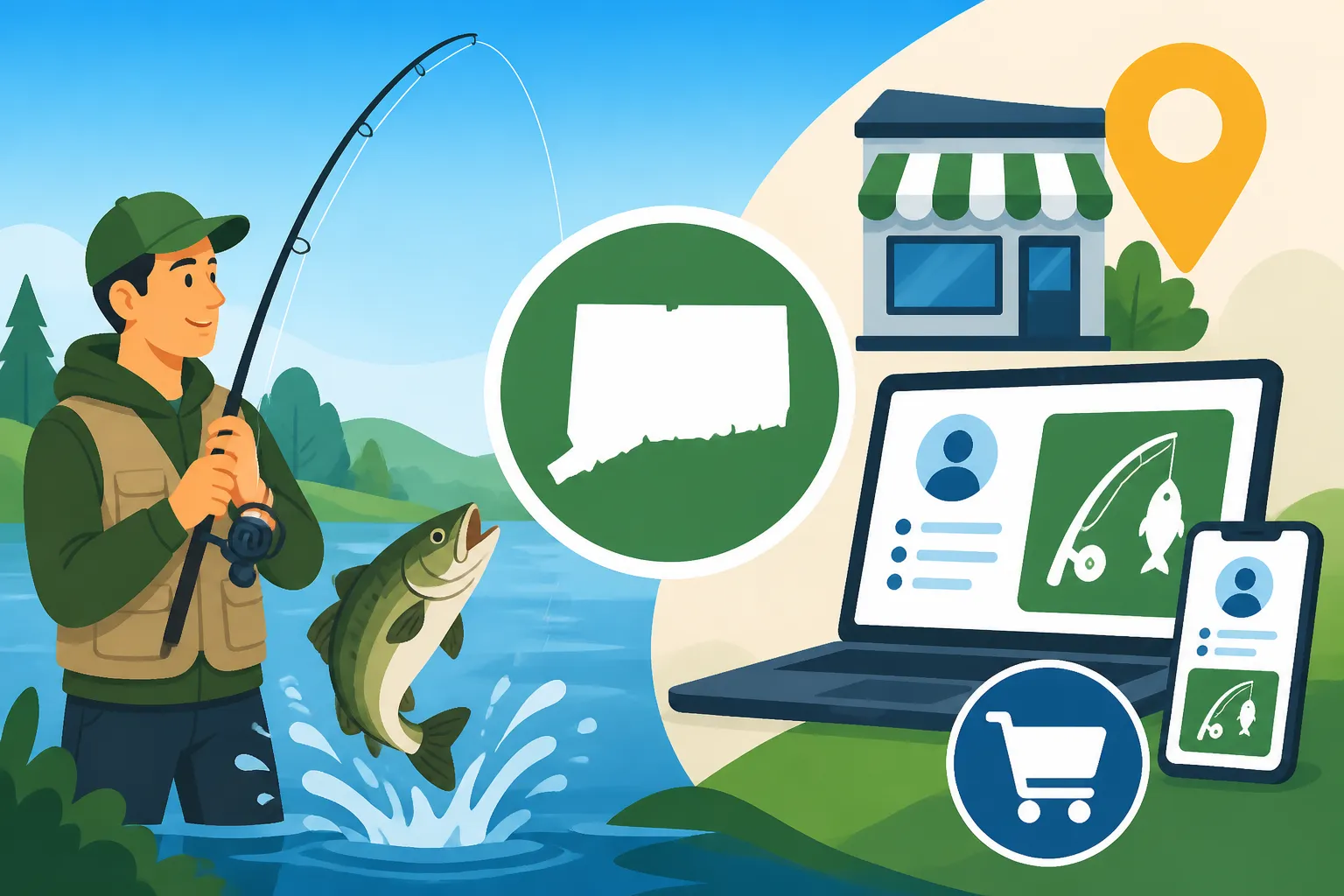
In our increasingly digital world, buying your Connecticut fishing license online has become the most convenient and often fastest method. The Connecticut Department of Energy and Environmental Protection (CT DEEP) has streamlined the process, making it accessible from your computer, tablet, or smartphone at any time of day. This method eliminates the need to drive to a physical vendor, wait in line, or worry about store hours, which is a huge relief for many busy anglers.
Step-by-Step Guide to Online Purchase
Purchasing your Connecticut fishing license online through the official CT DEEP Sportsmen's Licensing System is a straightforward process, but knowing the steps beforehand can make it even smoother. First things first, you'll need to navigate to the CT DEEP website and locate their online licensing portal. Once you're there, if you're a first-time user, you'll be prompted to create an account. This usually involves providing some basic personal information, such as your name, address, date of birth, and a valid email address. It’s important to enter accurate information here, as it will be linked to your official license record. Many people find this part confusing if they’ve never registered before, but think of it like setting up any other online shopping account – just for fishing!
After your account is set up, you'll be able to log in and begin the actual license selection process. The system will typically present you with various license options, including resident and non-resident categories, inland, marine, or all-waters choices, and any specific stamps like the Trout and Salmon Stamp. Carefully review each option and select the one that aligns with your fishing plans. For example, if you live in Bristol and plan to fish both Lake Compounce for bass and the shoreline near Milford for stripers, you’ll want to select the "Resident All-Waters Fishing License." The system will also prompt you for any required add-ons, such as the aforementioned trout stamp if you plan to fish in designated trout waters. Once your selections are made, you'll proceed to a secure payment gateway where you can use a credit or debit card to complete your purchase. Finally, after successful payment, you’ll receive an immediate confirmation, often with a link to print your license or save a digital copy to your phone. For a more detailed walkthrough, our guide on How to Buy a Fishing License Online in Connecticut provides even more specific instructions.
Advantages and Considerations of Online Buying
The advantages of buying your fishing license online are numerous and often outweigh any minor considerations. The most significant benefit is sheer convenience. You can purchase your license from the comfort of your home, at any hour of the day or night, without needing to adhere to specific business hours. This is particularly helpful for those spur-of-the-moment fishing trips or for anglers who live far from a physical vendor. Imagine realizing at 10 PM on a Friday that you want to go fishing early Saturday morning – with the online system, you're covered. Another major perk is instant access; as soon as your payment is processed, you can print your license or save it digitally, meaning you're legally ready to fish almost immediately. This eliminates any waiting period associated with mail-in applications (if those were still widely available) or travel time to a store.
However, there are a few considerations to keep in mind. You'll need a reliable internet connection and a printer if you prefer a physical copy. While digital copies are increasingly accepted, having a physical backup can be reassuring, especially if you plan to fish in remote areas with no cell service. The CT DEEP system allows you to either print a full-size paper license or carry a digital version on your smartphone. Many anglers find the digital option incredibly convenient, as it means one less thing to keep track of in their tackle box. To learn more about this, check out Printing or Carrying a Digital Fishing License in Connecticut. Occasionally, there might be website maintenance or technical glitches, so it's always a good idea not to wait until the absolute last minute to make your purchase. Despite these minor points, the online system remains the most efficient and user-friendly method for securing your Connecticut fishing license.
In-Person Options: Local License Vendors
While online purchasing has taken the lead for many, buying your Connecticut fishing license in person remains a popular and reliable option. For those who prefer a face-to-face transaction, want to ask questions, or simply don't have easy access to a printer or internet, local license vendors are an invaluable resource. There's something comforting about walking into a local bait shop or town clerk's office and getting that physical license right then and there.
Finding a DEEP License Agent Near You
The CT DEEP partners with a network of authorized license agents across the state to make purchasing a fishing license convenient for everyone. These agents typically include local town clerks' offices, large sporting goods stores, and often, independent bait and tackle shops. These smaller shops, run by passionate local anglers, are fantastic resources not just for licenses but also for up-to-the-minute fishing reports and local tips. Imagine walking into a place like Fisherman's World in Norwalk or Rivers End Tackle in Old Saybrook – you can get your license, grab some fresh bait, and chat with folks who know the local waters like the back of their hand.
To find the closest DEEP license agent, the best approach is to visit the official CT DEEP website. They maintain an updated list of all authorized vendors, usually searchable by town or zip code. This list is invaluable for ensuring you're heading to a legitimate location. Having this list readily available prevents you from driving around aimlessly, hoping to stumble upon a place. You can find more comprehensive details on the official list in our guide to the Connecticut DEEP license agent list. It's always a good idea to call ahead before you make the trip, just to confirm their operating hours and ensure they are actively issuing licenses, as sometimes business hours can change or seasonal shops might close for the off-season. This small step can save you a wasted trip.
What to Expect When Buying In-Person
When you visit a local license vendor to purchase your Connecticut fishing license, the process is generally quick and straightforward, but there are a few things you'll need to have ready. First and foremost, you'll need proper identification. For residents, this usually means a valid Connecticut driver's license or state ID. If you're establishing residency for the first time, you might need additional proof, such as a utility bill or lease agreement showing your Connecticut address. Non-residents will need a valid ID from their home state or country. It’s always best to have more than one form of ID if you’re unsure.
The vendor will typically have a computer terminal linked to the CT DEEP licensing system. They will input your information, help you select the appropriate license type (inland, marine, all-waters, etc.), and any necessary stamps like the Trout and Salmon Stamp. They can also answer any questions you might have about different license classes or specific regulations. This personalized interaction is a huge benefit for many, especially those who are new to fishing or to Connecticut's regulations. Payment is usually accepted via cash, credit card, or debit card, depending on the vendor's policies. Once the transaction is complete, the vendor will print your official license right there on the spot. You'll walk out with a physical license in hand, ready for your next fishing adventure. This immediate physical proof is a big draw for many who prefer to avoid relying on digital copies.
Other Avenues: Mail-In and Phone Purchases
While the online system and in-person vendors are the primary ways most anglers obtain their Connecticut fishing licenses today, some folks might wonder about older methods like mail-in applications or phone purchases. It’s worth exploring these, as sometimes these options can be convenient for specific circumstances, or they might have been available in the past and people are used to them.
Is Mail-In Still an Option for Connecticut?
In years past, it was common for state agencies to offer mail-in applications for various licenses, including fishing permits. Anglers would print out a form from a website, fill it out, enclose a check, and send it off, patiently waiting for their license to arrive in the mail. However, with the advancements in online technology and the widespread availability of digital printing, this method has largely become obsolete for general fishing licenses in Connecticut. The CT DEEP has shifted its focus to more immediate and efficient methods of distribution.
Currently, for standard annual or short-term fishing licenses, the CT DEEP does not generally support mail-in applications. The emphasis is squarely on the online licensing system or purchasing through an authorized vendor. The reasons are clear: mail-in applications are slower, require more administrative processing, and carry a higher risk of postal delays or lost forms. While certain special permits or specific types of unique applications might still be processed via mail in very limited circumstances, for the vast majority of anglers seeking a standard license, it's simply not an option anymore. If you were hoping to go this route, it's time to embrace the digital age or plan a visit to a local bait shop. This pivot ensures faster service and more accurate record-keeping for the state.
Purchasing by Phone: A Quick Alternative?
Similar to mail-in options, purchasing a fishing license over the phone used to be a possibility in some states, offering a slightly more direct alternative to online or in-person methods. You could call a dedicated hotline, provide your information and payment details, and have your license processed. However, just like mail-in options, the CT DEEP has largely moved away from phone purchases for standard fishing licenses. The complexity of verifying identity and ensuring accurate data entry over the phone, combined with the security risks associated with sharing payment information verbally, has made this method less practical compared to the secure online portal.
While you can certainly call the CT DEEP Fisheries Division with questions about regulations, license types, or technical issues you might be encountering with the online system, they typically won't process a new license purchase over the phone. Their customer service lines are primarily for assistance and information, not for direct sales. If you're struggling with the online system, or have specific questions, reaching out to the Connecticut fisheries division customer service phone number is a great idea. They can guide you through the online process or direct you to the nearest authorized vendor. So, if you were thinking of picking up the phone to get your license, it's important to adjust your expectations and utilize the online system or an in-person vendor instead. This ensures you get your license quickly and securely.
Special Considerations and Common Questions
Getting your fishing license can sometimes involve unique situations or raise specific questions beyond the basic purchase process. Connecticut has provisions for various circumstances, from establishing residency to replacing a lost license or understanding age-related exemptions. These are crucial details that can impact your eligibility and the cost of your license.
Residency Requirements and Proof
Understanding residency is paramount, as it directly impacts the cost of your Connecticut fishing license. Resident licenses are significantly less expensive than non-resident ones, reflecting the contributions Connecticut residents make through taxes. To qualify as a resident for licensing purposes, you must be a bona fide resident of Connecticut, meaning your primary domicile (the place where you live and intend to remain) is within the state. This isn't just about having a vacation home here; it's about being a true, permanent resident. Typically, you'll need to provide proof of residency, which can include a valid Connecticut driver's license or state ID, voter registration, or utility bills in your name at a Connecticut address.
There are specific nuances for certain groups. For example, active duty military personnel stationed in Connecticut, regardless of their home state, can often qualify for resident pricing. College students attending a Connecticut institution, even if their permanent home is out of state, might also be eligible for resident rates under specific conditions. Conversely, if you're a non-resident who owns property in Connecticut but doesn't primarily reside here, you will still need to purchase a non-resident license. This distinction is vital for accurate pricing, and attempting to misrepresent your residency can lead to penalties. For a detailed breakdown of what qualifies you, our guide on Connecticut fishing license residency requirements is an excellent resource. You might also want to compare costs by looking at Nonresident All-Waters Fishing License Cost in Connecticut to see the difference firsthand.
What if You Lose Your License or Need a Refund?
Life happens, and sometimes licenses get lost, damaged, or mistakenly purchased. Fortunately, the CT DEEP has a process in place for these situations. If you lose your fishing license, don't panic! You can typically obtain a duplicate, or replacement, through the online licensing system. Simply log back into your account, and there should be an option to reprint your license or request a duplicate. There might be a small processing fee for a replacement, but it's usually minimal compared to the cost of a new license or the penalty for fishing without one. This is a huge relief for anyone who's had a license fall out of their wallet or get drenched on a rainy fishing day.
Regarding refunds, the policy is generally more stringent. Fishing licenses are typically non-refundable. Once purchased, the funds go towards supporting Connecticut's fisheries management and conservation programs, and it's difficult to reverse that transaction. However, if there was a clear error in the purchase process (e.g., you accidentally bought the wrong type of license, or there was a system error), you might be able to contact the CT DEEP Fisheries Division directly to discuss your specific situation. Don't expect a refund simply because your plans changed or you didn't get to fish as much as you hoped. It's always best to be absolutely certain of your purchase before completing the transaction. For all the specific details on this, our article on the Connecticut Fishing License Refund and Replacement Policy has comprehensive information.
Age Exemptions and Senior Licenses
Connecticut recognizes that fishing is a pastime for all ages, and it offers specific provisions for both younger and older anglers. As mentioned earlier, children under the age of 16 are exempt from needing a fishing license in Connecticut. This is a fantastic initiative to encourage youth participation in outdoor activities and cultivate a love for fishing early on. It means a parent or guardian can take a child under 16 fishing without having to worry about an additional license fee for the youngster. This is a common and welcomed exemption, designed to make fishing more accessible for families. You can find more details on this in our general guide, Connecticut Fishing License Age Requirements.
On the other end of the spectrum, senior citizens also receive special consideration. Connecticut offers a "Senior Free Lifetime Fishing License" for residents who meet specific age criteria. This is an incredible benefit for lifelong anglers, allowing them to continue enjoying the sport without the annual renewal fee. To qualify, residents typically need to be 65 years of age or older. Once obtained, this license is valid for the remainder of their lives, making it a truly valuable perk for Connecticut's seasoned anglers. This lifetime license covers both inland and marine waters, and often includes the trout and salmon stamp as well, providing comprehensive coverage. Information on how to apply and the exact age requirement can be found in our detailed post, Connecticut senior free lifetime license age requirement. Additionally, the Connecticut youth fishing passport age limit further details programs aimed at getting the younger generation hooked on fishing. These age-related exemptions and benefits demonstrate Connecticut's commitment to making fishing accessible to everyone, from the youngest aspiring angler to the most experienced elder.
Essential Information to Have When Buying Your License
When you're ready to purchase your Connecticut fishing license, whether online or in person, having the right information readily available will make the process incredibly smooth. There’s nothing more frustrating than getting halfway through a form or standing at a counter only to realize you’ve forgotten a critical piece of data. Being prepared means you can secure your license without any hitches and get on the water faster.
Personal Identification and Proof of Residency
This is perhaps the most crucial information you'll need. For any license purchase, you'll be required to provide accurate personal identification. This typically includes your full legal name, date of birth, and physical address. For Connecticut residents, a valid Connecticut driver's license or state-issued identification card is usually sufficient to prove both your identity and your residency. These documents contain all the necessary details and are universally accepted. If you're new to the state and haven't updated your driver's license yet, you might need to bring additional documents to prove residency, such as recent utility bills (electric, gas, or water) in your name at a Connecticut address, a current lease agreement, or a voter registration card. The goal is to establish that Connecticut is your primary home.
For non-residents, a valid driver's license or state ID from your home state or country is required. The system needs to verify your identity, and this usually serves as the primary document. In some cases, such as for military personnel or out-of-state college students seeking resident rates, additional documentation proving their special status within Connecticut will be necessary. For example, military personnel might need their military ID and orders showing they are stationed in Connecticut. Always gather these documents before you start the online process or head to a vendor. Having them in hand, or knowing the exact details, will prevent any delays. If you have questions about specific scenarios, contacting the DEEP directly is always a good idea.
Understanding License Expiration Dates
Another piece of critical information, often overlooked until it's too late, is the expiration date of your fishing license. Most annual fishing licenses in Connecticut operate on a calendar year, meaning they are valid from January 1st through December 31st of the year they are issued, regardless of when you purchase them. So, if you buy your annual license in July, it will still expire on December 31st of that same year, not 12 months from your purchase date. This is a common point of confusion for new anglers, who might assume it's valid for a full year from purchase. It's a key detail that prevents accidental fishing without a valid license.
This calendar year structure applies to many of the standard annual resident and non-resident inland, marine, and all-waters licenses. However, specific short-term licenses, like the 3-day non-resident license, will have an expiration date that is precisely three days from the date of purchase. For lifetime licenses, once issued, they are valid for the life of the angler and do not have an annual expiration. Always double-check the exact expiration date printed on your license after purchase to ensure you're aware of its validity period. Many anglers set a reminder on their phone for early December to ensure they renew their license before the new year. Our article on Connecticut fishing license expiration date provides all the exact dates and details you'll need to stay current. This vigilance will help you avoid the unfortunate situation of being caught fishing with an expired license.
The "Trout & Salmon Stamp" and Other Add-ons
Beyond your basic fishing license, Connecticut has specific endorsements and combination packages that cater to specialized fishing interests or consolidate permits for convenience. These add-ons are not always required for every angler, but for those targeting specific species or enjoying multiple outdoor pursuits, they are absolutely essential.
Do You Need the Trout & Salmon Stamp?
The Connecticut Trout and Salmon Stamp is probably the most commonly discussed and sometimes forgotten add-on for freshwater anglers. It’s not just an optional extra; it's a mandatory endorsement for anyone aged 16 or older who plans to fish in certain waters or harvest certain species. Specifically, you need the Trout and Salmon Stamp if you intend to fish in a designated Trout Management Area (TMA), a Trout Park, or a Wild Trout Management Area (WTMA). These are specific, managed sections of rivers and streams that receive special attention from the DEEP for trout stocking and habitat improvement.
Furthermore, if you plan to keep or possess any trout or salmon caught in any inland water, you must also possess this stamp, regardless of whether you're in a designated management area. So, if you're targeting brook trout in a small stream or rainbow trout in a stocked pond, and you want to take a few home for dinner, that stamp is a must-have. The only general exception is if you are exclusively fishing in marine waters and have no intention of catching or possessing trout or salmon from inland waters. Many anglers who primarily fish for bass or panfish in lakes might not need it unless they occasionally target trout. The cost of the stamp is relatively small compared to the overall license fee, but the penalties for not having it when required can be significant. Don't let a small oversight ruin your day on the water! Our guide on the Connecticut Trout and Salmon Stamp, Explained offers a deep dive into all the nuances, and you can also find details on the Connecticut trout and salmon stamp cost.
Combination Licenses and Other Permits
For individuals who enjoy more than one type of outdoor activity, Connecticut offers combination licenses that bundle fishing privileges with hunting licenses. This is a fantastic option for multi-sport enthusiasts as it often provides a cost-saving compared to purchasing each license separately. For example, a "Resident Combination Hunting and Fishing License" covers both activities for a calendar year, simplifying the renewal process and often coming at a reduced overall price. These combos are particularly popular among those who spend their fall in the woods and their spring by the water. Our article on Connecticut Combination Hunting and Fishing License Options explores these in greater detail, helping you decide if a combined license is the right fit for your outdoor lifestyle.
Beyond fishing and hunting, there might be other specific permits or stamps required depending on your exact activity. For instance, if you plan on harvesting shellfish from designated areas, you might need a separate shellfish permit, which is typically issued by local municipalities, not the state DEEP. While not directly a "fishing license add-on," it's an important consideration for coastal anglers who might combine fishing with clamming or oystering. Similarly, specific access permits might be required for certain private lands or special management areas, though this is less common for general fishing. Always check the local regulations for the specific body of water you plan to visit, as they can sometimes have unique rules or requirements that go beyond the state fishing license.
Importance of Having Your License and Penalties for Non-Compliance
It might seem like a hassle, but carrying a valid fishing license isn't just a suggestion; it's a legal requirement with significant implications. Beyond the letter of the law, possessing your license supports the very ecosystems we cherish. Understanding why it's so important and what can happen if you don't comply is crucial for every responsible angler.
Why Carrying Your License is Non-Negotiable
Having your fishing license on you whenever you are actively engaged in fishing is not merely about adhering to bureaucratic rules; it's fundamental for several reasons. Firstly, it is a direct legal requirement. Connecticut state law mandates that anyone aged 16 or older must possess a valid fishing license while fishing. Conservation officers and environmental police are empowered to check for licenses, and not having one can lead to immediate consequences. Think of it like a driver's license: you need it when you're operating a vehicle. The same applies to fishing.
Beyond legality, your fishing license plays a vital role in conservation. The revenue generated from license sales is the primary funding source for the CT DEEP's Fisheries Division. These funds are used for crucial programs such as stocking trout and other game fish, conducting scientific research on fish populations, improving fish habitats, maintaining public boat launches and fishing access points, and enforcing fishing regulations to prevent overfishing. Every dollar from a license purchase goes back into making Connecticut a better place to fish. So, when you buy a license, you're directly contributing to the health and sustainability of our waterways and the future of fishing in the state. It's a direct investment in the sport you love. Furthermore, the licensing system helps the DEEP track angler participation and demographic data, which is essential for effective resource management and planning.
Consequences of Fishing Without a Valid License
Fishing without a valid Connecticut fishing license can lead to a range of unpleasant consequences, from fines to potential legal troubles. It’s not just a slap on the wrist; the state takes these violations seriously because of the vital role licenses play in funding conservation. If a conservation officer checks your license and you cannot produce a valid one, you will likely face a fine. The exact amount can vary depending on whether it's your first offense and other circumstances, but these fines can be substantial. It's far cheaper to purchase the correct license upfront than to deal with the financial repercussions of a violation.
In addition to fines, other penalties can include the confiscation of your fishing gear. Imagine having your prized rod and reel, or even your catch of the day, taken away. This can be a particularly disheartening experience for any angler. In more severe or repeat cases, legal proceedings can follow, potentially leading to court appearances and a criminal record for certain offenses, especially if combined with other violations like exceeding catch limits or fishing in closed areas. Beyond the legal and financial penalties, there's the moral aspect: fishing without a license means you're not contributing your fair share to the conservation efforts that make our fishing resources possible. It undermines the system that benefits all anglers. To truly understand the full scope of potential penalties, we encourage you to read our detailed article on Fishing Without a License in Connecticut: Penalties. It’s a stark reminder that a little preparation goes a long way in ensuring a legal and enjoyable fishing experience.
Table of Connecticut Fishing License Types and Purchase Options
To help you quickly visualize your options, here's a table summarizing the main types of Connecticut fishing licenses, who needs them, and where you can purchase them. Please note that costs are subject to change annually; always check the official CT DEEP website for the most current pricing.
| License Type | Who Needs It | Purchase Options | Typical Validity | Special Notes |
|---|---|---|---|---|
| Resident Inland Fishing | CT residents (16+) fishing freshwater | Online, DEEP Agents | Calendar Year | Required for lakes, ponds, rivers |
| Resident Marine Fishing | CT residents (16+) fishing saltwater | Online, DEEP Agents | Calendar Year | Required for Long Island Sound, tidal areas |
| Resident All-Waters Fishing | CT residents (16+) fishing both fresh and saltwater | Online, DEEP Agents | Calendar Year | Combines Inland & Marine privileges |
| Nonresident Inland Fishing | Non-CT residents (16+) fishing freshwater | Online, DEEP Agents | Calendar Year | |
| Nonresident Marine Fishing | Non-CT residents (16+) fishing saltwater | Online, DEEP Agents | Calendar Year | |
| Nonresident All-Waters Fishing | Non-CT residents (16+) fishing both fresh and saltwater | Online, DEEP Agents | Calendar Year | Best for visiting anglers enjoying all waters |
| Nonresident 3-Day Inland | Non-CT residents (16+) for a short freshwater trip | Online, DEEP Agents | 3 Days from Date | Short-term option for visitors |
| Nonresident 3-Day Marine | Non-CT residents (16+) for a short saltwater trip | Online, DEEP Agents | 3 Days from Date | Short-term option for visitors |
| Trout & Salmon Stamp | Anyone (16+) fishing designated trout waters or keeping trout/salmon | Online, DEEP Agents | Calendar Year | Add-on to a base fishing license |
| Senior Free Lifetime Fishing | CT residents (65+) | Online, DEEP Agents | Lifetime | Must meet age & residency requirements |
| Youth (Under 16) | Not required to have a license | N/A | N/A | Encourages young anglers, no purchase needed |
Remember, the "DEEP Agents" column includes sporting goods stores, bait shops, and town clerks. Always verify their current operating hours before visiting. When shopping for gear to go with your new license, don't forget that places like Amazon offer a vast selection of rods, reels, and tackle to help you gear up for your next adventure. They have everything from basic beginner kits to advanced fly fishing setups.
Disclaimer
The information provided in this guide is for general informational purposes only and is subject to change. While we strive to provide accurate and up-to-date content, fishing regulations, license requirements, and pricing can be updated by the Connecticut Department of Energy and Environmental Protection (CT DEEP) at any time. It is always the angler's responsibility to consult the official CT DEEP website or current Connecticut Angler's Guide for the most precise and legally binding information before engaging in any fishing activity. Reliance on any information in this guide is solely at your own risk.