What is the state fish of Connecticut
It's easy to assume you know Connecticut's state fish, especially with so many amazing species swimming in our diverse waters, from the feisty striped bass in Long Island Sound to the beautiful trout in our cold, clear streams. But if you've ever found yourself scratching your head or debating with a fellow angler on a quiet morning by the water, you're certainly not alone! This guide is here to settle the debate once and for all and introduce you to the official aquatic ambassador of the Nutmeg State, delving deep into why this particular fish holds such a special place in Connecticut's heart and history.
The Official State Fish: A Clear Answer
For many states, the choice of a state fish might be an obvious, charismatic species – perhaps a powerful game fish or a visually stunning native. In Connecticut, however, the answer often surprises people, especially those who primarily pursue bass or trout. So, let's cut to the chase: Connecticut's official state fish is the American Shad. It was designated as such in 1991, a testament to its profound historical, economic, and ecological importance to the state. This isn't just a random pick; it's a nod to a fish that has shaped communities and traditions for centuries.
The American Shad's Unique Place in Connecticut History
The American Shad ( Alosa sapidissima) holds a truly unique and venerable position in Connecticut's story. Long before recreational fishing became a popular pastime, the annual spring return of the shad to the Connecticut River and other major waterways was a lifeline for early indigenous peoples and subsequent European settlers. Imagine entire communities relying on this incredible fish to provide sustenance after long, lean winters. This wasn't just fishing; it was survival. The sheer abundance of shad during their spawning runs was nothing short of miraculous, a predictable bounty that fed families and fostered early commerce.
The methods used to catch shad during these runs became ingrained in the culture, from large dip nets to specialized gill nets. The sight of the Connecticut River teeming with these silvery, ocean-going fish signaled renewal and prosperity. Even today, the "shad run" is a celebrated event, drawing anglers from all over to witness and participate in this ancient ritual. It’s more than just a fish; it’s a living piece of our heritage, a connection to generations past who looked to the river for their livelihood and sustenance. The tradition continues, passed down through families, as they gather along the riverbanks each spring, just as their ancestors did. You can learn more about this incredible annual event in American Shad Runs on the Connecticut River.
Beyond the Shad: Common Misconceptions and Other Beloved Species
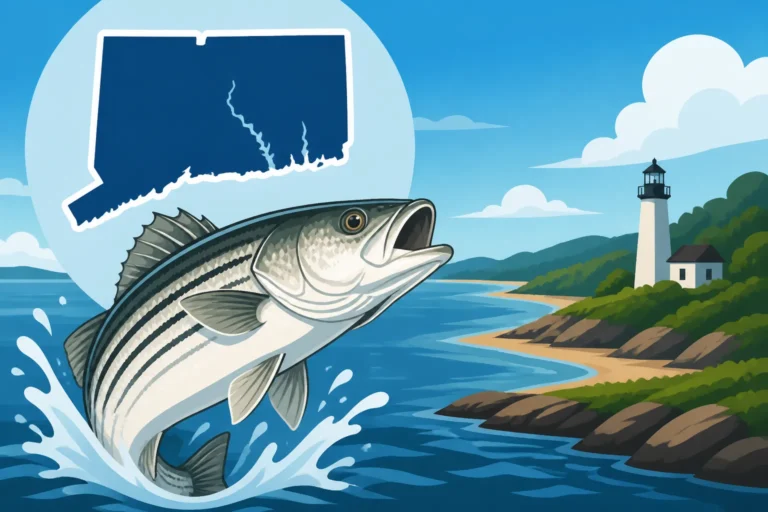
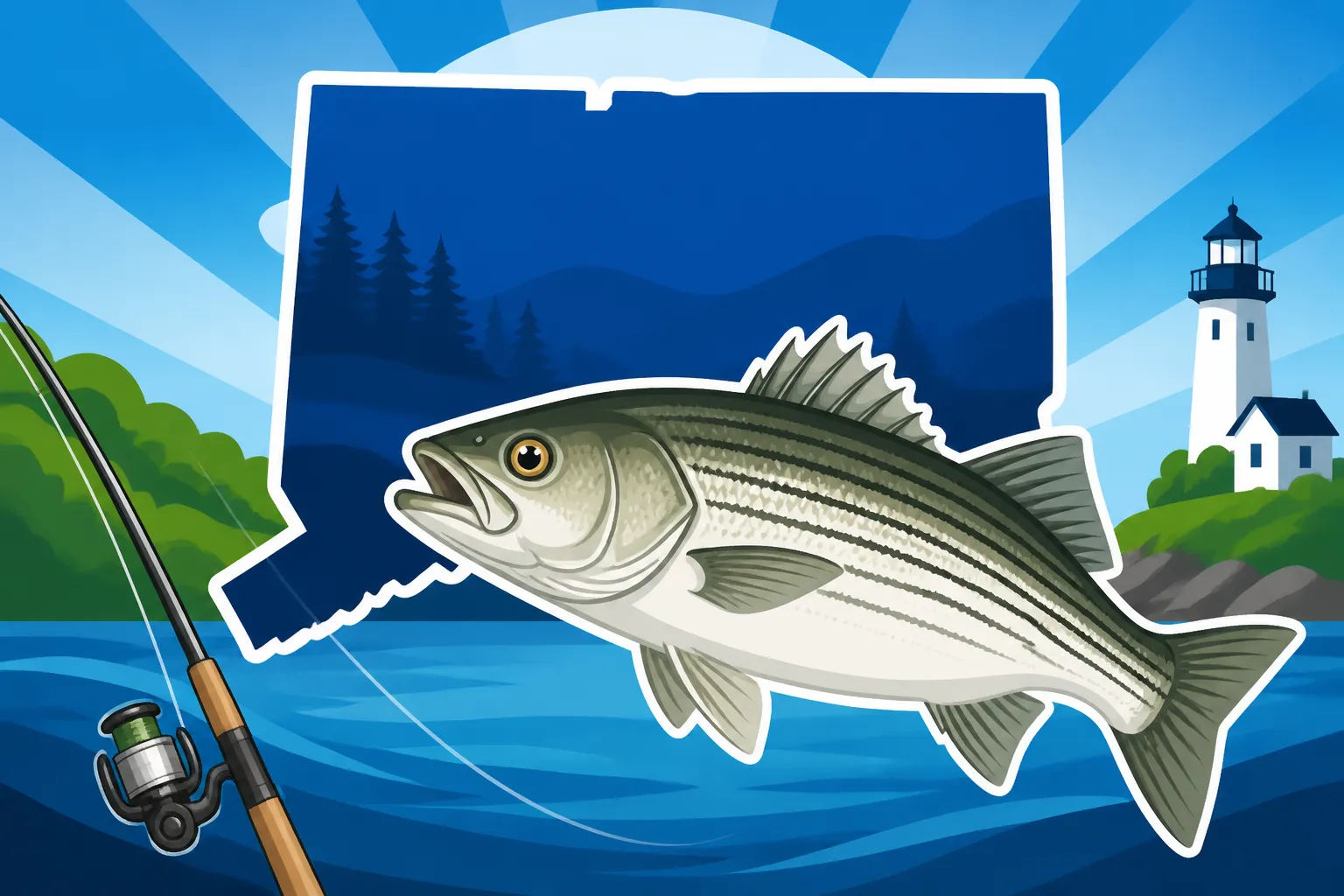
It's completely understandable why some might guess other species for the state fish title. Connecticut boasts an incredible diversity of fish that capture the imagination and dedication of anglers. Take the striped bass, for instance. These powerful, migratory giants are synonymous with saltwater fishing in Long Island Sound, offering thrilling battles and incredible fishing opportunities. Many recreational anglers spend countless hours pursuing them, making it a truly iconic species for the state. If you’re hooked on stripers, you’ll find our guide on Striped Bass Fishing in Long Island Sound quite helpful.
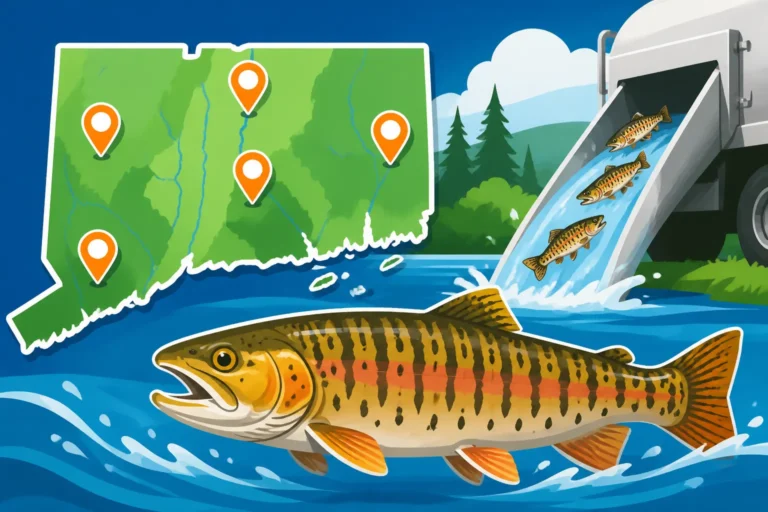
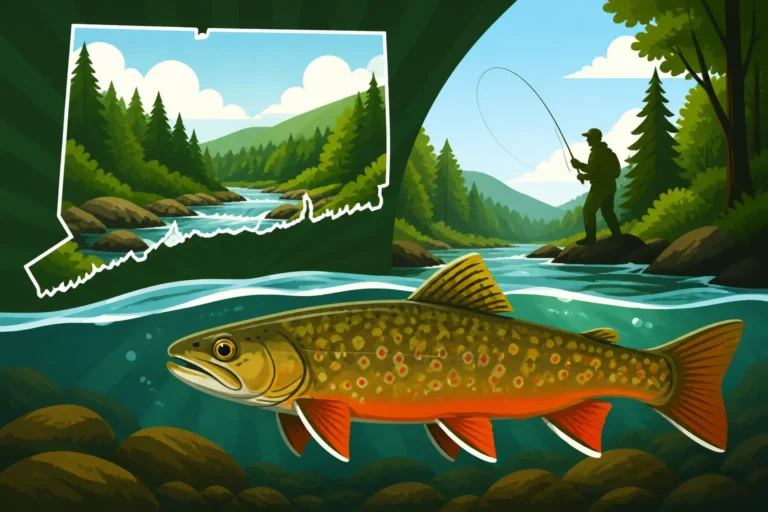
Then there are the various trout species – brook, brown, and rainbow – that populate our inland rivers and lakes. The serenity of fly fishing for trout in the Farmington River or the excitement of catching a brook trout in a remote mountain stream is a quintessential Connecticut experience. These species are incredibly popular, drawing a huge following, and are certainly candidates in the minds of many for such an honor. However, despite their popularity, their designation falls short of the American Shad's historical and cultural significance. The same goes for the mighty largemouth bass, the elusive Northern Pike, or the delicious fluke; while vital to our fisheries, they haven't held the same broad, foundational role in the state's development as the shad.
Characteristics and Life Cycle of the American Shad
Understanding the American Shad means appreciating its unique biology and its incredible journey. This isn't just any fish; it's a marvel of nature that undergoes an epic annual migration, driving a significant portion of Connecticut's spring fishing activity and holding a vital role in the ecosystem.
Identifying the American Shad
At first glance, the American Shad is a beautiful, streamlined fish. They typically have a silvery body with a darker, bluish-green back, almost iridescent when freshly caught. Their sides are often marked by a distinctive row of small, dark spots, usually diminishing in number as you move towards the tail. They have a deeply forked tail fin, indicative of their powerful swimming ability, which is essential for their long migratory journeys. Their scales are relatively large and easily shed, which can be a tell-tale sign if you’re trying to identify one.
In terms of size, adult American Shad caught during the spawning run in Connecticut typically range from 2 to 6 pounds, with lengths from 18 to 24 inches. However, larger specimens, sometimes exceeding 8 pounds, are certainly possible, especially for fish returning after several years at sea. They are part of the herring family, and while they might resemble some of their smaller cousins, their larger size and more robust build set them apart. When you hook one, you’ll quickly realize their strength; they are known for spirited fights, often leaping clear of the water, making them a thrilling catch on light tackle.
The Amazing Shad Run: A Spring Spectacle
The defining characteristic of the American Shad's life cycle is its anadromous nature. This means they spend most of their adult lives in the saltwater ocean, only to return to freshwater rivers to spawn. For Connecticut, the most famous of these migrations is the Connecticut River Shad Fishing run, but they also utilize other significant rivers like the Housatonic and Thames. This annual pilgrimage is nothing short of spectacular, transforming quiet river stretches into bustling hubs of activity, both for the fish and the anglers pursuing them.
As spring arrives and water temperatures begin to climb, usually starting in April and peaking in May, mature shad begin their upstream journey from Long Island Sound into the Connecticut River system. They can travel hundreds of miles inland to reach their natal spawning grounds. During this intense period, the fish are driven solely by their reproductive instincts, making them somewhat predictable in their movements. The males, often called "bucks," typically arrive first, followed closely by the larger females, known as "roes." The shallower, warmer areas of the river, often with gravelly bottoms, become their spawning sites. After depositing their eggs, many adult shad, though exhausted, will attempt to return to the ocean to feed and potentially return for future spawning runs, a feat of endurance for any fish. This entire process is a critical part of the ecological health of our rivers and a true natural wonder. You can also explore Best Fishing Rivers in Connecticut to learn about other important waterways.
Fishing for Connecticut's State Fish
If you’re ready to experience the thrill of catching Connecticut's state fish, the spring shad run offers some fantastic opportunities. Unlike some fish that require specialized, heavy gear or intricate techniques, shad fishing is relatively accessible and incredibly rewarding.
Gear and Techniques for Shad Anglers
When it comes to tackle for American Shad, lighter is often better. This isn’t about brute force; it’s about feeling the subtle takes and enjoying the spirited fight these fish put up. A light to medium-light spinning rod, typically 6 to 7 feet long, paired with a small spinning reel spooled with 6 to 10-pound test monofilament or braided line, is ideal. Many anglers find themselves browsing online retailers like Amazon for quality, affordable rod and reel combos perfectly suited for this type of fishing. The lighter line allows for longer casts and a more natural presentation of your lure. For those who prefer fly fishing, a 5 or 6-weight fly rod can provide an exhilarating challenge, with shad often putting a serious bend in the rod.
The most popular lures for shad are small, brightly colored jigs known as "shad darts." These typically weigh between 1/16 and 1/4 ounce and come in a vibrant array of colors like chartreuse, pink, orange, and white. Small spoons, like Kastmasters or similar designs, in silver or gold, are also highly effective, mimicking small baitfish. For fly anglers, traditional shad flies, often resembling small nymphs or baitfish patterns in similar bright colors, work wonders. The key technique involves casting upstream and allowing your lure to drift naturally downstream, bouncing occasionally along the bottom, or twitching it subtly to imitate a struggling baitfish. The current will do much of the work for you, making it a great activity for anglers of all skill levels. You can often find a wide selection of these lures on Amazon, making it easy to stock up before the season.
Preserving the American Shad Population
While the American Shad populations have rebounded significantly in many areas due to conservation efforts and the removal of dams, they still face environmental challenges. Responsible fishing practices are crucial to ensure these incredible migrations continue for future generations. Understanding and adhering to Connecticut Fishing Regulations Explained is paramount. This includes being aware of daily creel limits and any specific seasonal restrictions that might be in place for different rivers or zones.
Catch and release is a popular and highly recommended practice for shad, especially if you're not planning to keep fish for consumption. When releasing, handle the fish gently, minimize its time out of water, and revive it by holding it upright in the current until it swims away strongly. Using barbless hooks can also reduce harm to the fish. Supporting organizations that work on river restoration and fish passage projects is another way to contribute to the long-term health of the American Shad fishery. Their ability to migrate unhindered is fundamental to their survival, and ongoing efforts to improve fish ladders and remove barriers are vital. To stay informed about when and where you can pursue this amazing fish, consult guides like Connecticut Fishing Season Dates and Closures.
The Cultural and Ecological Significance
Beyond being an official symbol, the American Shad plays a dual role in Connecticut, touching both our plates and the delicate balance of our aquatic environments. Its presence is woven into the fabric of the state, from traditional recipes to its critical place in the riverine food web.
Shad in Connecticut's Culinary Traditions
For generations, the American Shad has been a cherished culinary staple in Connecticut, especially during its spring run. The delicate, flaky white meat, while famously bony, is incredibly flavorful and rich in omega-3 fatty acids. Preparing shad traditionally involves careful filleting to navigate the many "pin bones," a process often passed down from experienced anglers and cooks. Many local restaurants in towns along the Connecticut River, like Haddam and Essex, will feature shad on their spring menus, celebrating this seasonal delicacy. It’s truly one of the Best eating fish species from Connecticut waters for those willing to take the time with it.
Perhaps even more prized than the meat itself is shad roe, the clusters of eggs found in female shad during the spawning season. Shad roe is considered a gourmet item, often pan-fried with bacon or served with lemon, creating a rich, savory dish that perfectly encapsulates the flavors of spring in New England. Local shad bakes, often community fundraisers, are still popular events where freshly caught shad are slow-baked on wooden planks over an open fire, a cooking method that dates back centuries. The aroma of a shad bake, combined with the camaraderie of friends and family, is a truly unique Connecticut experience.
Shad's Role in the Ecosystem
The American Shad isn't just important to humans; it's a linchpin in the aquatic ecosystems of Connecticut's rivers and Long Island Sound. As a massive school of migratory fish, they represent an enormous influx of biomass and energy into freshwater systems during their spawning run. This provides a crucial food source for a variety of predators, both aquatic and terrestrial. Ospreys, bald eagles, gulls, and other fish-eating birds eagerly await the shad run, feasting on the adults and later, the juvenile shad as they make their way back to the ocean. Larger predatory fish, like striped bass and even some freshwater species, will also capitalize on the abundance of shad, particularly in the lower reaches of rivers and estuaries.
When the adult shad lay their eggs, those eggs and subsequently hatched fry become a vital food source for a multitude of aquatic organisms. The sheer volume of eggs and juveniles contributes significantly to the overall productivity of the river systems. Furthermore, as filter feeders during their time in the ocean, shad play a role in maintaining the health of coastal waters by consuming plankton. Their presence indicates a healthy, connected ecosystem, bridging the gap between marine and freshwater environments. The success of the shad run is often seen as a barometer for the overall health of the Fish species unique to the Connecticut River and surrounding waters, highlighting their critical ecological importance.
| Fish Species | Status in Connecticut | Primary Habitat | Unique Feature / Why it's Important |
|---|---|---|---|
| American Shad | Official State Fish | Anadromous (Saltwater & Freshwater Rivers) | Iconic spring spawning run, historical importance |
| Striped Bass | Highly Popular Game Fish | Long Island Sound, Estuaries, Rivers | Powerful migratory predator, thrilling sportfish |
| Brown Trout | Popular Stocked/Wild Trout | Coldwater Streams & Lakes | Prized by fly anglers, beautiful markings |
| Largemouth Bass | Popular Freshwater Game Fish | Ponds, Lakes, Slow Rivers, Reservoirs | Top freshwater predator, accessible fishing |
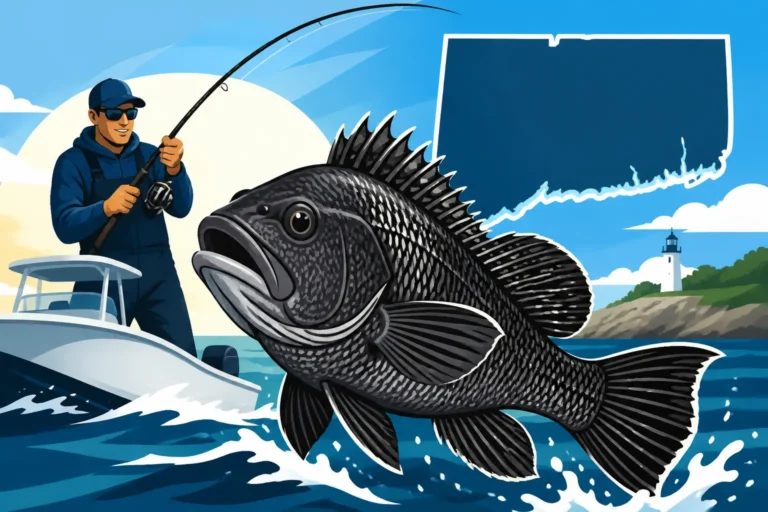
| Black Sea Bass | Popular Saltwater Game Fish | Rocky bottoms, reefs, wrecks in Long Island Sound | Delicious table fare, feisty fighters |
Disclaimer
This article is for general informational purposes only and does not constitute professional advice. Laws, prices and regulations vary by location and change over time. Consult a qualified professional for guidance on your specific situation.