The biggest bluefish ever caught in Connecticut waters
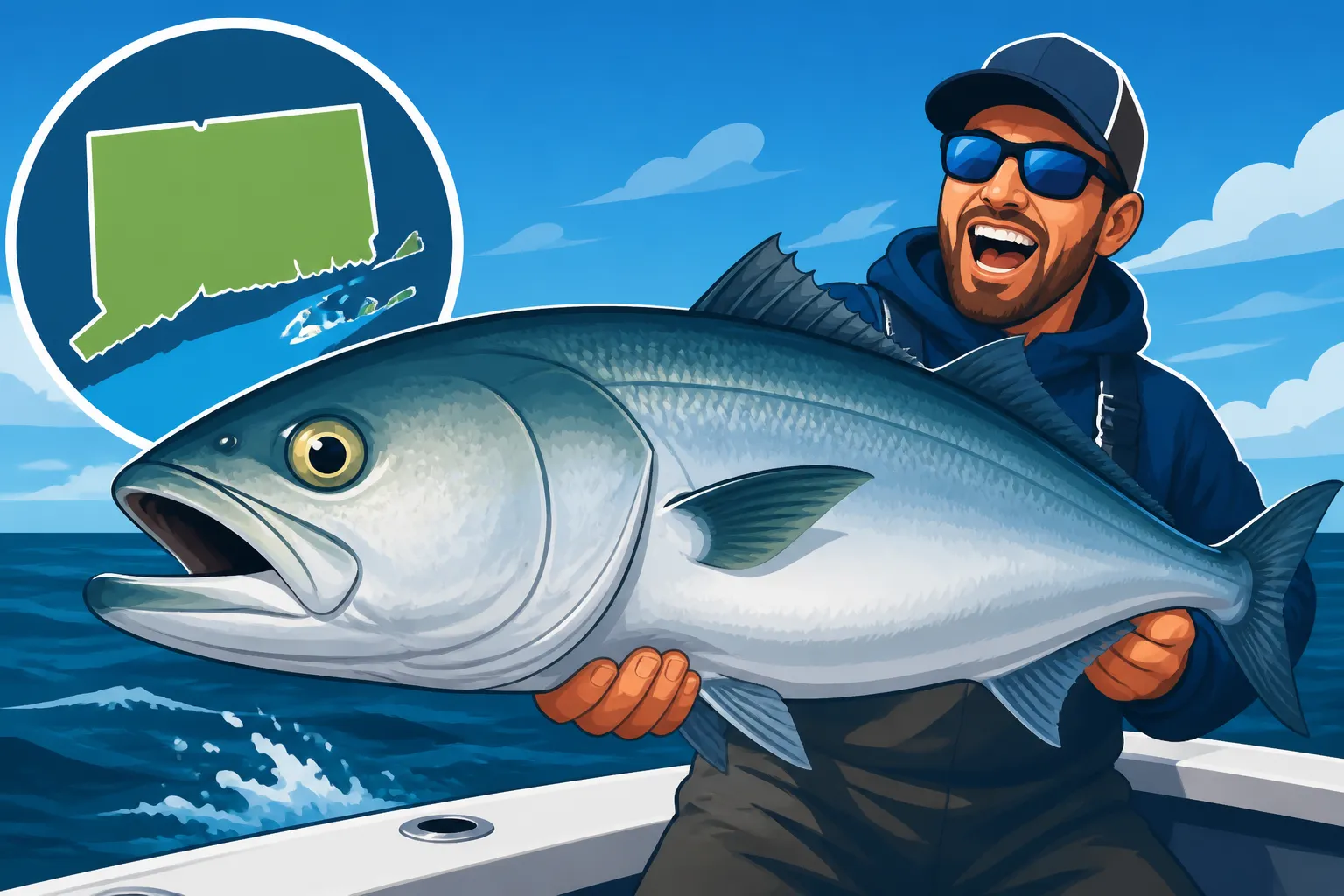
Few experiences in saltwater fishing match the raw, explosive power of a large bluefish. They hit lures and baits like a freight train, fight with a never-say-die attitude, and can leave your tackle in shambles if you're not prepared. For many anglers in Connecticut, the dream isn't just to catch a bluefish, but to land a truly monstrous one – one that might even challenge the state record. This guide will dive into what makes these toothy predators so exhilarating, what it takes to catch a truly enormous one, and where in Connecticut waters the giants might be lurking.
The Quest for Connecticut's Biggest Bluefish
There's something inherently thrilling about chasing a trophy fish, especially when that trophy is a bluefish. These aren't subtle creatures; they're aggressive, voracious predators that can turn a calm day on the water into an adrenaline-fueled battle. For many, the idea of hooking into "the biggest bluefish ever caught" in our local waters isn't just a fantasy, it's a tangible goal that fuels countless hours of fishing.
The Thrill of a Record-Breaking Catch
Imagine the scene: you're out on the Long Island Sound Fishing Guide, the sun is glinting off the water, and suddenly your rod nearly gets ripped from your hands. That's the hallmark of a big bluefish strike. Unlike some other species that might play coy, bluefish attack with a ferocity that leaves no doubt. A record-breaking bluefish doesn't just pull hard; it shakes its head violently, makes blistering runs, and tests every knot and piece of gear you have. It's a true test of an angler's skill and endurance, and landing one feels like a monumental achievement. The stories of these battles become legends among friends, passed down with every cast. It's not just about the size; it's about the fight of a lifetime.
Unofficial Big Bluefish Stories and Local Legends
While official records provide a benchmark, any seasoned angler knows that the "biggest fish" stories often live in the realm of local legend and tall tales shared at the bait shop. We've all heard them: the one that got away, the bluefish so massive it straightened a hook, or the one caught by a buddy's uncle's cousin back in the day that was supposedly bigger than anything ever officially recorded. These unofficial giants are part of the fabric of fishing culture in Connecticut. Sometimes, the conditions for an official record simply aren't met – no certified scale nearby, no official witness, or the angler simply wasn't thinking about paperwork when they wrestled a beast into the boat. These stories, whether embellished or not, contribute to the mystique of trophy bluefish and keep anglers dreaming big.
Unveiling Connecticut's Official Bluefish Record
Every state has its fishing records, those coveted benchmarks that represent the pinnacle of angling achievement for each species. For bluefish in Connecticut, that record stands as a testament to the immense size these powerful predators can reach in our waters.
The Record-Holder and Its Significance
While the specific details of the Connecticut state record bluefish, like its exact weight and the year it was caught, are publicly available through the Connecticut DEEP, we can still appreciate the sheer magnitude of such a catch. This record fish wasn't just big; it was a truly massive specimen, a formidable bluefish that likely dwarfed most of the blues commonly encountered in our local waters. It represents a once-in-a-lifetime catch for the angler who landed it, a bluefish that pushed the limits of what was thought possible in terms of size. This kind of fish usually comes from prime bluefish territory, often in the deeper channels, rips, or offshore structure of Long Island Sound, where large baitfish schools aggregate. Catching a bluefish of this caliber is a significant achievement, cementing the angler's place in Connecticut fishing lore.
How Records are Certified in Connecticut
You might wonder what it takes for a fish to become an official state record. It's not as simple as just saying you caught a big one. The Connecticut DEEP has a rigorous process to ensure fairness and accuracy. Typically, this involves:
- Official Weighing: The fish must be weighed on a certified scale, often found at a local tackle shop or marina, to ensure accuracy.
- Witness Verification: Usually, at least two independent witnesses must be present during the weighing and identification process.
- Measurements: Length and girth measurements are taken to further document the fish's size.
- Species Verification: A qualified expert, often from the DEEP Fisheries Division, may need to verify the species, especially for similar-looking fish.
- Paperwork: Extensive documentation, including photographs, is required to formally submit the record claim.
This meticulous process ensures that any fish claiming the title of "state record" truly deserves it, preventing misunderstandings and validating the exceptional nature of the catch. It’s a serious endeavor, reflecting the passion anglers have for their sport and their desire to celebrate truly remarkable fish.
Hotspots and Habits: Where Big Bluefish Roam
To even dream of catching a record-breaking bluefish, you first need to know where these giants prefer to hunt. Big bluefish aren't found just anywhere; they have specific habitats and seasonal preferences that dictate their presence in Connecticut waters.
Prime Locations in Long Island Sound
Long Island Sound is the undisputed heavyweight champion when it comes to bluefish habitat in Connecticut. This vast estuary provides everything bluefish need: abundant bait, diverse structure, and varying depths. When targeting trophy bluefish, you'll want to focus on areas that naturally concentrate baitfish, particularly large schools of bunker (menhaden).
Think about places where currents create rips and eddies, like around major points, jetties, or submerged shoals. These areas act as ambush points for predatory fish. Deep channels, especially those with proximity to rocky structure or mussel beds, are also prime real estate for bigger blues. Many experienced anglers find success fishing near major river mouths where freshwater mixes with saltwater, drawing in baitfish and, subsequently, their predators. Connecticut River Striped Bass Fishing often produces bluefish as well, especially near the mouth. The general rule is: find the bait, and you'll find the bluefish. Sometimes, you'll even spot them on the surface, slashing through schools of Atlantic Menhaden as Forage Fish in Long Island Sound, creating a chaotic, frothing scene that's hard to miss.
Seasonal Movements and Deepwater Hangouts
Bluefish are migratory, and their presence in Connecticut waters is highly seasonal. Generally, they begin to show up in late spring as water temperatures rise, peaking through the summer and into the fall before heading south for the colder months. Best Time of Year to Fish in Connecticut will give you a general idea of when different species are active.
The biggest bluefish often lead the charge or lag behind the main schools, and they tend to prefer slightly deeper, cooler water, especially during the peak of summer. While smaller "snapper" blues might hang out in estuaries and shallow bays, the true heavyweights often lurk in deeper sections of the Sound, around offshore reefs, wrecks, and ledges. These deepwater haunts offer them protection and access to larger baitfish species. During the fall run, as water temperatures begin to drop, bluefish become incredibly aggressive, feeding heavily to fuel their migration. This is a fantastic time to target a trophy, as they are often at their heaviest and most concentrated. Keep an eye on Connecticut Fishing Season Dates and Closures to understand the general patterns.
Here's a quick look at common bluefish sizes you might encounter:
| Bluefish Size Category | Typical Length (Inches) | Typical Weight (Pounds) | Angling Challenge | Best Locations |
|---|---|---|---|---|
| Snapper Bluefish | 6-12 | <1 | Easy, good for kids | Shallow bays, estuaries |
| Schoolie Bluefish | 15-24 | 2-5 | Moderate | Nearshore, tidal rips |
| Chopper Bluefish | 25-35 | 6-15 | Strong fight | Deeper channels, reefs |
| Trophy Bluefish | 35+ | 15+ | Extreme battle | Offshore, specific structure |
| State Record | Exceptional | Formidable | Unforgettable | Prime, deepwater spots |
Note: These are general ranges; actual sizes can vary widely based on individual fish and environmental factors.
Tactics and Tackle for Trophy Bluefish
Chasing a monster bluefish isn't for the faint of heart, nor is it for flimsy tackle. These fish are built for battle, and you need gear that can withstand their brutal strikes and powerful runs.
Essential Gear for Monster Bluefish
When gearing up for trophy bluefish, durability is key. You'll want a strong, medium-heavy to heavy action spinning or conventional rod, ideally 7 to 9 feet long, paired with a robust reel capable of holding a substantial amount of heavy braided line. For line, 30 to 50 lb test braid is a good starting point, providing the strength and casting distance you'll need. The most crucial component, however, is your leader. Bluefish have razor-sharp teeth that can sever mono or fluorocarbon leaders in an instant. A heavy fluorocarbon leader (60-100 lb test) or, more commonly, a steel or titanium leader, is absolutely essential. Many anglers will purchase pre-made wire leaders, or crimp their own. You can find a wide selection of robust rods, reels, and terminal tackle on online platforms like Amazon, making it convenient to get everything you need.
For lures, bluefish are not particularly picky, but bigger fish often respond to larger presentations. Metal casting spoons, poppers, swimming plugs, and large soft plastic baits rigged on heavy jig heads are all effective. When using bait, fresh chunks of bunker, mackerel, or even whole live baits like pogies or mullet are deadly. Hooks need to be strong, corrosion-resistant, and appropriately sized for the bait or lure. Don't skimp on quality; a weak hook can spell disaster when you're fighting a fish of a lifetime.
Proven Techniques for Trophy Hunters
Successfully landing a trophy bluefish often comes down to a combination of location, timing, and the right technique. Here are some of the most effective strategies:
- Trolling: This is a fantastic way to cover ground and find actively feeding fish, especially in deeper water. Using large swimming plugs, umbrella rigs, or even rigged baits behind a boat can entice big blues. Vary your speed and depth until you find what they're hitting.
- Casting Poppers: Few things are as exciting as a topwater strike from a large bluefish. Casting large, noisy poppers into rips, around jetties, or over schooling baitfish can draw explosive strikes. This technique is often used for How to Catch Striped Bass in Long Island Sound too.
- Jigging: When bluefish are holding deeper, vertical jigging with heavy metal jigs can be incredibly effective. Drop your jig to the desired depth and work it with sharp, upward jerks. This is a common technique used by Best Fishing Charters in Connecticut when targeting various bottom-dwelling or suspended predators.
- Live-lining: For the absolute biggest bluefish, live-lining a large baitfish like a bunker or a mackerel is often the most productive method. These natural presentations are hard for a trophy bluefish to resist. Ensure your hook is sharp and your leader stout.
- Surfcasting: For shore-based anglers, Best Techniques for Surfcasting Long Island Sound can yield incredible results. Casting large metal lures or chunk baits from beaches, jetties, or rocky points, particularly during dawn, dusk, or nighttime, can connect you with trophy blues moving close to shore.
Remember, when a big bluefish strikes, be ready for a powerful, chaotic fight. Keep your drag set appropriately, and be mindful of their sharp teeth. Carrying a good pair of long-nosed pliers or a de-hooker is crucial for safely unhooking these fish. You can find a myriad of options for durable fishing pliers and dehookers on platforms like Amazon, crucial for safely handling toothy blues and protecting your hands.
Rules of the Game: Regulations and Responsibility
While the thrill of catching a big bluefish is undeniable, it's paramount to respect the rules and practice responsible angling. Understanding and adhering to regulations ensures the health of the fishery for future generations.
Understanding Connecticut Bluefish Rules
Connecticut, like all coastal states, has specific regulations governing bluefish. These rules are put in place to manage the population and ensure sustainable fishing. Regulations typically include:
- Size Limits: A minimum (and sometimes maximum) length that a bluefish must meet to be legally kept.
- Daily Bag Limits: The maximum number of bluefish an individual angler can keep in a single day.
- Seasons: Specific periods when bluefish fishing is permitted.
It's crucial to note that these regulations can change. While I can't provide specific numbers, you should always consult the most current Connecticut Saltwater Fishing Regulations by Species or the overall Connecticut Fishing Regulations Explained published by the Connecticut DEEP before heading out. Ignorance of the law is never an excuse, and penalties for violations can be significant. Always carry a copy of the current regulations with you, whether digitally or a printed guide.
Conservation and Sustainable Practices
Beyond just following the rules, responsible angling means thinking about the future of bluefish populations. Catching a state record is an incredible feat, but the emphasis for many trophy anglers has shifted towards catch and release, especially for the largest breeding females.
If you do plan to release a trophy bluefish:
- Minimize Fight Time: Land the fish as quickly as possible without overstressing it.
- Use Proper Tools: Have a de-hooker or pliers ready to remove hooks swiftly. Avoid reaching into a bluefish's mouth with bare hands!
- Handle with Care: Support the fish horizontally, especially large ones. Avoid hanging it vertically by the jaw or gills, which can cause internal damage. If you must take a photo, do so quickly with the fish minimally out of the water.
- Revive Properly: If the fish seems stressed, hold it gently in the water, facing into the current, until it regains its strength and swims away on its own.
Practicing these conservation measures ensures that these magnificent predators can continue to thrive in our waters, offering future generations the same exhilarating challenge of chasing the biggest bluefish ever caught.
Disclaimer
This article is for general informational purposes only and does not constitute professional advice. Laws, prices and regulations vary by location and change over time. Consult a qualified professional for guidance on your specific situation.