Do Trout Reproduce Naturally in Connecticut Streams?
It’s a question that many anglers ponder, often while casting into a beautiful Connecticut stream: "Are these trout I'm seeing actually wild, or are they all stocked?" It’s a very real concern for those of us who cherish the idea of truly native fish and sustainable ecosystems, especially when we know how much effort goes into stocking our waterways. This guide will dive deep into whether trout truly reproduce naturally in Connecticut's streams, what conditions allow them to thrive, and how we, as anglers, can recognize and protect these precious wild populations.
The Enduring Presence of Wild Trout in Connecticut Streams
Yes, the exciting news is that trout absolutely do reproduce naturally in certain Connecticut streams! While the Connecticut Department of Energy and Environmental Protection (DEEP) does an incredible job stocking hundreds of thousands of trout annually across our state, many of our waterways also harbor self-sustaining populations. It’s a common misconception that every trout caught in Connecticut is a hatchery fish, but that’s far from the truth. The key lies in understanding the specific conditions required for trout to successfully spawn, and why some streams support this natural cycle better than others.
Native Brook Trout: Connecticut's True Locals
When we talk about natural reproduction, the first fish that comes to mind, and rightfully so, is the brook trout. Our state’s official state fish, the brook trout (Salvelinus fontinalis), is a true native to Connecticut. These beautiful fish have been here for millennia, long before any human intervention. They require very specific, pristine conditions to thrive and reproduce. Their presence is often a strong indicator of excellent water quality and healthy stream ecosystems.
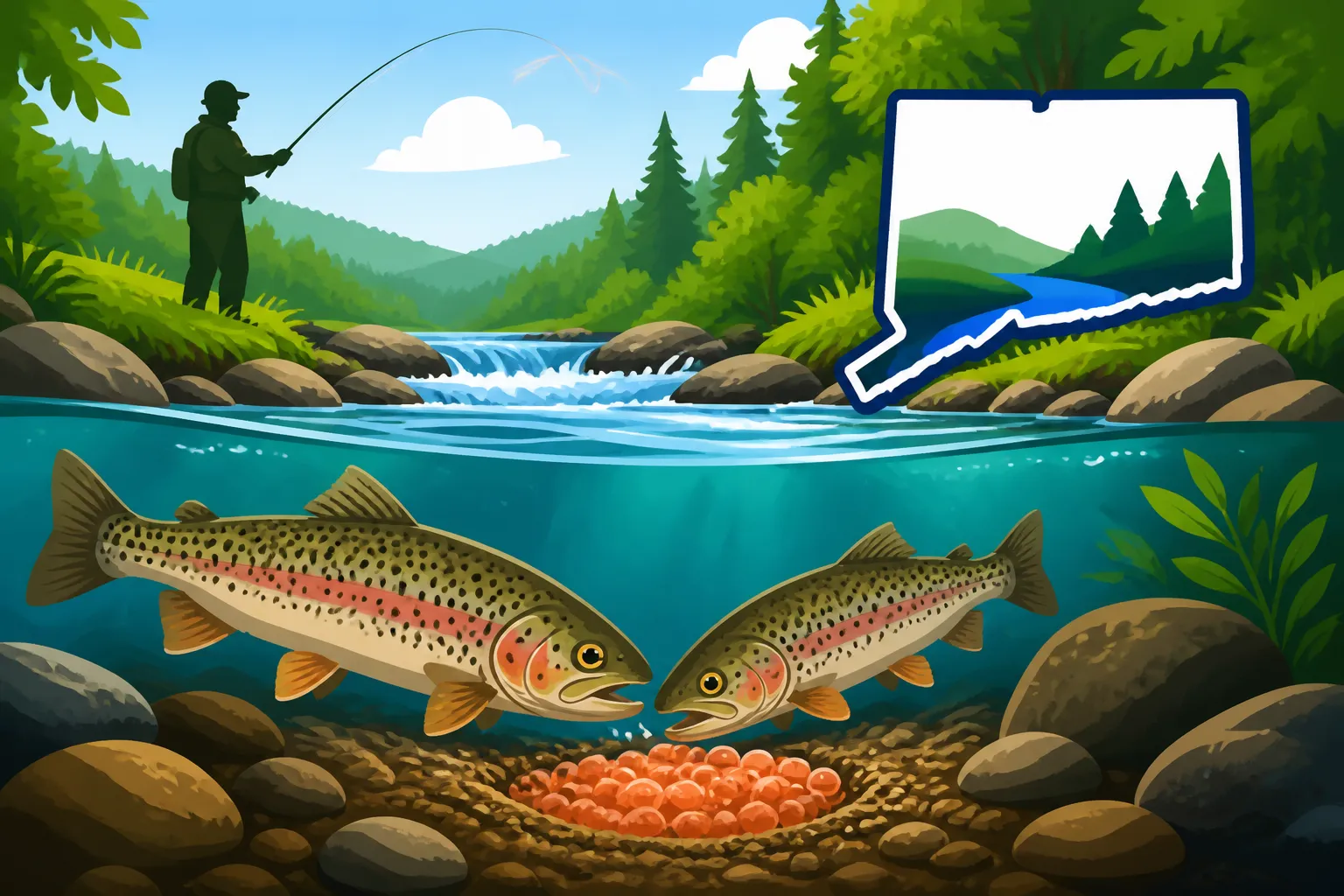
These brookies aren't just surviving; in many of our colder, cleaner, and less-disturbed headwater streams and tributaries, they're truly flourishing. They'll lay their eggs in redds (gravel nests) during the fall, and if conditions are right—stable water temperatures, good oxygen levels, and minimal siltation—those eggs will hatch into a new generation of wild trout. Finding a stream with naturally reproducing brook trout is like finding a hidden gem, a testament to the enduring wildness of our state. For more on these incredible fish, check out Brook Trout: Connecticut's Native Trout.
Naturalized Brown and Rainbow Trout Populations
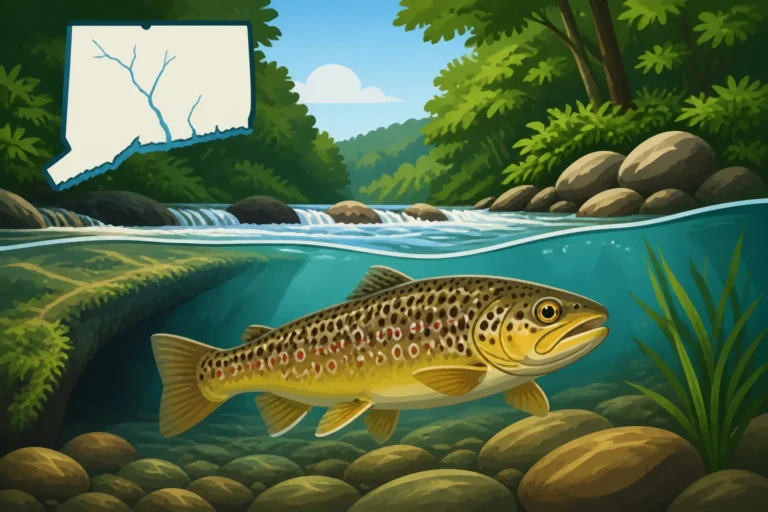
Beyond our native brook trout, we also have populations of brown trout (Salmo trutta) and, to a lesser extent, rainbow trout (Oncorhynchus mykiss) that reproduce naturally in Connecticut. These species aren't native to North America; brown trout were introduced from Europe in the late 19th century, and rainbow trout from the western United States around the same time. However, over a century of stocking and adaptation has allowed some of these fish to establish self-sustaining populations in suitable streams.
Brown trout, in particular, have proven to be quite resilient and adaptable. They can tolerate slightly warmer water temperatures than brook trout and are often found in larger rivers like the Housatonic River Fishing Guide and sections of the Farmington River West Branch Trout Fishing. Their ability to naturally reproduce means that even in streams that receive regular stockings, you might be catching a fish that was born right there in the gravel, rather than a hatchery truck. Rainbow trout reproduction is less widespread but does occur in specific, colder rivers with ideal spawning gravel. It's a fascinating blend of introduced species becoming part of the natural fabric of our waterways, even if they aren't originally from here.
Factors Influencing Trout Reproduction Success
Natural trout reproduction isn't a given; it's a delicate dance with nature, heavily reliant on a specific set of environmental conditions. When these factors align, magic happens; when they don't, even the hardiest trout struggle to establish self-sustaining populations. Understanding these influences helps us appreciate why some streams are wild trout havens and others rely solely on stocking.
Water Temperature and Flow Stability
One of the most critical factors for successful trout reproduction is consistent, cold water temperature. Trout eggs and fry are incredibly sensitive to fluctuations. Brook trout, especially, require water temperatures to remain consistently cool, typically below 68°F, even in the summer, to survive and thrive. Spawning usually occurs in the fall, and the eggs incubate over the winter. If water temperatures rise too high during this period, or if there are sudden, drastic drops, it can be devastating for the developing embryos.
Similarly, stable water flow is paramount. During spawning season, trout will create redds in gravel beds. A sudden flood can scour these redds, washing away eggs and newly hatched fry. Conversely, extremely low water levels can expose redds to the air or lead to increased predation and warmer temperatures. Streams with consistent spring-fed flows, deep pools, and good overhead cover tend to offer the best stability. If you're looking to understand more about how water temperature affects fish, What water temperature trout need to survive is a great read.
Habitat Quality: Gravel, Cover, and Oxygen
Beyond temperature, the physical structure of the stream—its habitat—is immensely important. Trout need clean, oxygen-rich gravel beds for spawning. This is where the female digs her redd, deposits her eggs, and the male fertilizes them. Siltation, which can occur from runoff due to development, agriculture, or erosion, can smother these eggs, preventing them from hatching. Healthy streams have a good mix of riffles, runs, and pools, providing diverse habitat for all life stages.
Overhead cover, such as fallen trees (often called "woody debris"), undercut banks, and overhanging vegetation, is also vital. This cover provides protection from predators, shade to keep water temperatures cool, and refuge from strong currents. Without adequate cover, juvenile trout become easy prey and struggle to grow. A stream with a complex, natural structure is far more likely to support natural reproduction than a channelized, straightened, or heavily impacted one. Anglers can find essential gear for navigating these varied terrains, like durable waders and boots, on Amazon.
Water Quality and Pollution
It almost goes without saying, but pristine water quality is absolutely essential for wild trout to reproduce. Trout are highly sensitive to pollution, whether it's chemical runoff from roads and lawns, agricultural pesticides, or even excessive nutrient loading from septic systems, which can lead to algal blooms and reduced oxygen. Clean, clear, and well-oxygenated water is non-negotiable for their survival and reproductive success.
Streams with healthy riparian buffers—the natural vegetation along the banks—act as vital filters, preventing pollutants and sediment from entering the water. These buffers also provide shade, stabilizing water temperatures. Any degradation in water quality immediately impacts the delicate larval stages of trout, often before we even notice it. Efforts to maintain or improve water quality are directly beneficial to natural trout populations.
Differentiating Wild and Stocked Trout
For many anglers, telling the difference between a wild trout and a stocked trout can feel like a mystery. After all, once they've been in the river for a while, they all look pretty similar, right? Not entirely! There are several key indicators that, once you learn to spot them, will help you identify whether that beautiful fish on the end of your line was born in the wild or raised in a hatchery.
Fin Quality and Condition
This is often the most reliable giveaway. Hatchery trout, by nature of being raised in crowded concrete raceways, tend to have worn, rounded, or even damaged fins. Their fins might be nipped, stubby, or frayed due to rubbing against tank walls or other fish. Take a look at the pectoral, dorsal, and caudal (tail) fins.
Wild trout, on the other hand, typically boast perfect, sharp, and fully formed fins. Their fins are usually more vibrant in color, and their tail fins, in particular, will often be broader and more squared off or slightly forked, reflecting a lifetime of navigating strong currents. This difference is stark once you know what to look for. Comparing fins is a common method for anglers, and a good pair of polarized sunglasses, available from Amazon, can help you see this detail even in the water.
Coloration and Body Shape
Wild trout generally exhibit more vibrant and intense coloration than their hatchery-raised counterparts. Their spots are often more distinct, and their overall body color tends to be richer, blending seamlessly with their natural environment. A wild brook trout, for example, will often have stunning vermiculations (worm-like markings) on its back and sides, and bright orange or red fins with distinct white leading edges. Their bellies might be more creamy white or even have a reddish tint during spawning season.
Stocked trout often have a more washed-out or duller coloration, sometimes appearing somewhat pale or uniformly colored. Their body shape can also be a clue. Wild trout are typically leaner and more streamlined, a result of constantly fighting currents and actively hunting for food. Hatchery fish, fed a steady diet, might appear chunkier or have a slightly less aerodynamic profile. Of course, a well-fed wild trout in a rich environment can still be chunky, but the fin quality and coloration are usually more telling. If you're interested in more detailed identification, you can read How to tell a brook trout from a rainbow trout.
Behavior and Stamina
While harder to observe directly without catching the fish, behavioral differences are also present. Wild trout are generally more wary, elusive, and harder to catch. They’ve survived by being cautious and are quick to dart for cover at any sign of danger. When hooked, they often put up a more spirited fight, thanks to their lean, muscular build developed in flowing water.
Stocked trout, especially those recently released, can sometimes be less wary and more easily caught. They might also exhibit less stamina initially, as they are not accustomed to the constant effort of battling currents. However, once stocked trout have been in a stream for a few weeks or months, they can adapt, gain condition, and begin to behave more like wild fish, making the physical cues even more important for identification.
Here's a quick comparison table to help you spot the differences:
| Feature | Wild Trout | Stocked Trout |
|---|---|---|
| Fins | Perfect, sharp, fully formed, vibrant colors | Worn, rounded, frayed, sometimes damaged or stubby |
| Coloration | Bright, vibrant, distinct spots, good camouflage | Often duller, paler, less distinct markings |
| Body Shape | Lean, streamlined, muscular, often torpedo-like | Sometimes chunkier, less refined profile |
| Tail | Broad, squared-off or slightly forked | Often rounded or worn |
| Waryness | Highly wary, elusive, quick to seek cover | Can be less wary, especially after recent stocking |
| Fight | Typically strong, sustained, acrobatic | Varies, sometimes less sustained initially |
Protecting and Supporting Wild Trout Populations
For those of us who appreciate the delicate balance of nature and the challenge of catching a truly wild fish, supporting and protecting naturally reproducing trout populations is incredibly important. Our actions, both on and off the water, can make a significant difference.
Practice Catch and Release in Sensitive Areas
In streams known to have wild trout, especially those with native brook trout, practicing catch and release is paramount. These populations are often more fragile and slower to recover from fishing pressure. Reducing mortality by handling fish carefully, minimizing their time out of water, and using barbless hooks can ensure these fish continue to contribute to the natural reproductive cycle. Always check local regulations, as some areas, like specific Connecticut Trout Management Area Regulations or Connecticut Catch and Release Fly Fishing Only Waters, have mandatory catch and release rules precisely to protect these populations.
Even in areas where harvest is permitted, consider releasing larger, healthier wild fish. These are often the prime breeders, contributing the most to future generations. For delicate handling, a knotless rubber net is highly recommended, and you can easily find various sizes on Amazon.
Advocate for Habitat Protection and Restoration
One of the most impactful things we can do is to support efforts that protect and restore trout habitat. This includes advocating for sensible land use planning that minimizes runoff and erosion, supporting conservation organizations that work on stream restoration projects, and educating others about the importance of riparian buffers. Simple actions like planting native vegetation along stream banks on your property or participating in local stream cleanups can have a ripple effect.
Healthy forests, intact wetlands, and natural stream corridors are the backbone of wild trout country. When you see development proposals that threaten these areas, speaking up or supporting groups like Trout Unlimited can make a difference. The more pristine and stable the habitat, the better chance wild trout have to thrive without constant intervention.
Be a Responsible Angler
Beyond catch and release, responsible angling encompasses several practices that benefit wild trout. Always know and follow all Connecticut Fishing Regulations Explained regarding seasons, limits, and gear restrictions. Avoid wading unnecessarily through active spawning beds (redds), which are often visible as cleared, light-colored gravel patches in the fall.
Education is also key. Learn more about trout biology and stream ecology. Understand how your actions impact the environment. By becoming knowledgeable and responsible stewards of our waterways, we contribute directly to the health and future of Connecticut’s naturally reproducing trout populations. Finding reliable field guides or educational books on stream ecosystems, often found on Amazon, can deepen your appreciation and knowledge.
Disclaimer
This article is for general informational purposes only and does not constitute professional advice. Laws, prices and regulations vary by location and change over time. Consult a qualified professional for guidance on your specific situation.