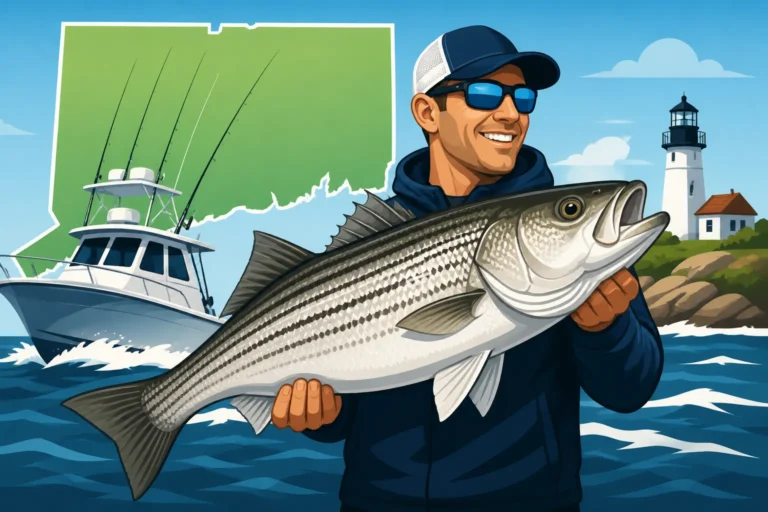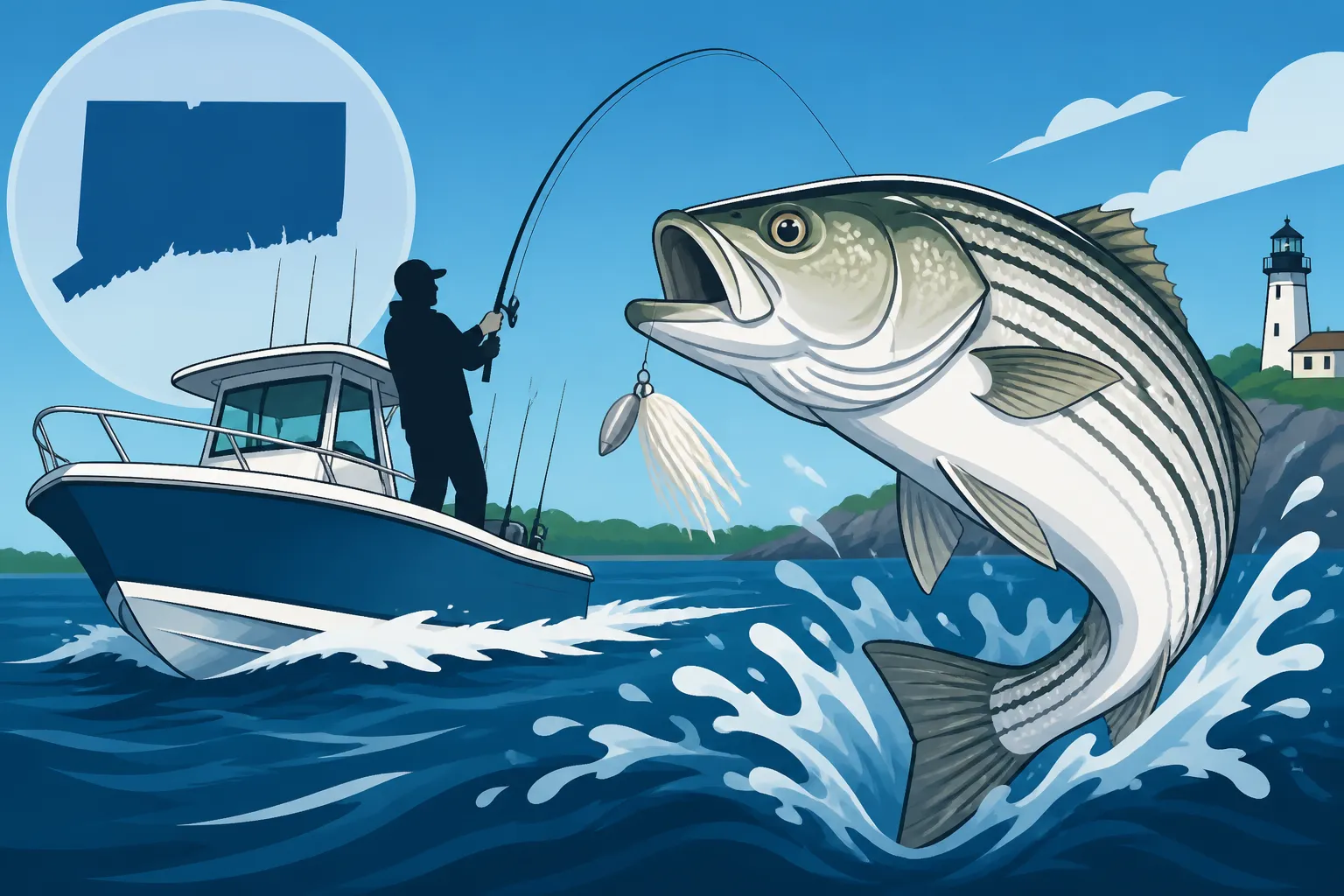
Best charters for chunking for striped bass
It can be incredibly frustrating when you're dreaming of landing a trophy striped bass using a specific, proven technique like chunking, but you're not sure how to find a charter captain in Connecticut who truly specializes in it. You don't want to book a trip only to find out the captain prefers trolling or live-lining exclusively, missing out on that satisfying chunk bite. This guide is here to help you navigate the world of Connecticut fishing charters to find the perfect captain and boat for a successful chunking adventure, ensuring you get the most out of your time on the water chasing those coveted linesiders.
What Exactly is Chunking for Striped Bass?
Before we dive into finding the best charters, let's talk about what "chunking" truly entails. It's not just tossing any old bait over the side; it's a refined and often highly effective method for targeting larger, more aggressive striped bass, especially those elusive cows that tend to shy away from artificial presentations.
The Art and Science of Cut Bait
Chunking involves using fresh, oily baitfish, like menhaden (bunker), mackerel, or even squid, cut into sections or "chunks." These chunks are then deployed with a heavy sinker to reach the bottom or suspended in the water column, relying on the scent trail to attract striped bass from a distance. It's a method that plays on a striped bass's incredible sense of smell and their predatory instinct to investigate an easy meal. Many anglers find it to be a more patient game than casting lures, but the rewards can be truly spectacular, often enticing larger fish that might ignore other offerings.
The beauty of chunking lies in its simplicity yet its profound effectiveness. You're essentially creating a chum slick of scent and particles, drawing fish directly to your hook. This method requires a good understanding of currents, depth, and the behavior of both the baitfish and the target species. A skilled captain will know exactly where to set up shop, taking into account structure, tides, and recent fish movements to maximize your chances.
Why Chunking Excels for Trophy Stripers
For many serious striped bass anglers, chunking isn't just a method; it's the method for targeting true trophy fish. While schoolie stripers might hit almost anything, those massive, mature bass that cruise the bottom often prefer a substantial, scent-heavy meal. They're less likely to chase down fast-moving lures and more inclined to investigate a slow-moving, natural bait. This is particularly true in deeper channels, around submerged structure, or during periods when stripers are less active or focused on larger forage.
Think about it: a big striped bass is looking for an efficient energy return. A substantial chunk of bunker sitting on the bottom or slowly drifting with the current is a high-value meal that requires minimal effort. This makes chunking an incredibly appealing strategy when you're aiming for that personal best, that 30, 40, or even 50-pound behemoth. It requires patience and persistence, but the adrenaline rush when a big fish finally picks up your chunk is truly unparalleled.
Identifying a Quality Connecticut Charter for Chunking
Finding a charter that truly excels at chunking for striped bass in Connecticut isn't about picking the first boat you see. It's about looking for specific indicators of expertise and a deep understanding of this specialized technique.
Captain's Experience and Local Knowledge
The most crucial factor is the captain's proven experience with chunking. Ask direct questions: How often do they chunk for stripers? What bait do they prefer, and how do they source it? Do they carry a variety of fresh bunker, mackerel, or squid? A top-tier chunking captain will not only know where the fish are generally but why they are there on any given day, understanding the subtle nuances of tides, water temperature, bait presence, and structure. They'll also be able to explain their strategy, which is a great sign of confidence and expertise.
A truly knowledgeable captain will have spent countless hours on Long Island Sound Fishing Guide or the lower reaches of the Connecticut River, learning the prime chunking spots – the deep holes, the eddy lines, the hidden reefs, and the mussel beds where big stripers lurk. They understand that chunking isn't just setting anchor; it's about anchoring precisely, maintaining a diligent chum slick, and knowing when to move if the bite isn't happening. Platforms like FishingBooker often allow you to read reviews that specifically mention successful chunking trips, giving you insight into a captain's specialization.
Boat Setup and Essential Gear
A dedicated chunking charter will have a boat rigged specifically for this technique. This means more than just a sturdy vessel. Look for a boat with a robust anchor system capable of holding steady in strong currents, especially when trying to maintain a consistent chum slick. The boat should also have ample deck space for multiple anglers to fish comfortably, plus a good-sized fish box or cooler to handle larger catches.
Beyond the boat itself, the gear provided is paramount. You'll want heavy-duty rods and reels capable of handling big fish and heavy sinkers, loaded with appropriate braided or monofilament line. The captain should supply fresh, high-quality bait, often buying it directly from commercial fishermen or catching it themselves just before the trip. They'll also have a variety of circle hooks, which are essential for striped bass chunking to ensure better hook-ups in the corner of the fish's mouth, reducing gut hooks and increasing survival rates for released fish. A good captain will explain the Connecticut Circle Hook Requirement for Striped Bass and how to properly set up your rig.
Reputation and Reviews
In today's interconnected world, reputation speaks volumes. Before booking, take the time to research charters online. Look for reviews and testimonials specifically mentioning successful chunking trips for striped bass. Do people rave about the captain's knowledge, the quality of the bait, and the size of the fish caught using this method? Pay attention to consistent praise regarding the captain's patience, instructional ability (especially if you're newer to chunking), and dedication to putting clients on fish.
Word-of-mouth is also huge in the fishing community. If you know local anglers, ask them for recommendations. They might have personal experience or know of captains renowned for their chunking prowess. A charter that consistently delivers on chunking success will build a strong reputation within the local fishing scene. Websites like FishingBooker provide aggregated reviews and allow you to filter by techniques, making it easier to pinpoint charters that highlight chunking as a specialty.
Top Connecticut Locations and Seasons for Chunking Striped Bass
Connecticut offers some fantastic opportunities for chunking striped bass, primarily concentrated in certain estuarine and coastal areas. Knowing when and where to go is just as important as choosing the right captain.
Long Island Sound Hotspots
Long Island Sound is the premier destination for striped bass fishing in Connecticut, and it boasts numerous areas ideal for chunking. Deeper channels, rocky reefs, and areas with strong current are prime real estate. Look for charters operating out of towns like Old Saybrook, Niantic, Clinton, or Norwalk, as these ports provide excellent access to productive chunking grounds.
- The Mouth of the Connecticut River: Where the mighty Connecticut River meets the Sound, baitfish congregate, and big stripers lie in wait. The currents here are strong, making it a perfect ambush point for striped bass. Charters operating from Old Saybrook or nearby towns frequently target this area.
- Eastern Long Island Sound Reefs: Numerous rocky reefs and shoals in the eastern Sound, particularly offshore from Niantic and Stonington, hold impressive numbers of large stripers. These submerged structures break the current and provide hiding spots for bass.
- Western Long Island Sound Structure: As you move west towards Bridgeport and Norwalk, deep channels, mussel beds, and underwater humps provide excellent feeding grounds. Charters from these western ports will often focus on these specific contours.
Remember, the best spots can shift with bait movements and seasonal patterns, so a captain with up-to-the-minute local knowledge is invaluable.
Peak Season for Big Bass
While striped bass can be caught throughout the warmer months, the peak season for targeting larger fish via chunking in Connecticut is generally late spring through late fall.
- Spring Run (Late April – June): This is when migratory striped bass first arrive in force, moving into the Sound and river estuaries to feed. They are often hungry after their migration, making them aggressive feeders. You'll find many charters offering trips for Connecticut River Striped Bass Fishing during this time.
- Summer (July – August): While some stripers head offshore, many large fish remain in deeper, cooler waters of the Sound, especially around structure. Night chunking can be particularly effective during the warmer summer months when bass are more active under the cover of darkness. Many charters offer Best Night Fishing Charters for Striped Bass trips.
- Fall Run (September – November): As baitfish begin to migrate out of the Sound, striped bass go on a feeding frenzy, bulking up for their journey south. This is a prime time for trophy-sized fish, and chunking can be incredibly productive as the bass gorge themselves on plentiful forage like bunker.
A good charter captain will adjust their strategy to the season, knowing when the biggest fish are likely to be found on the chunk in different areas of the Sound.
Preparing for Your Chunking Charter Trip
Booking the right charter is only half the battle; knowing how to prepare ensures you have a safe, comfortable, and productive day on the water.
What to Bring and Wear
Even with the best captain and gear, your personal comfort makes a huge difference. Dress in layers, as conditions on the water can change rapidly. A waterproof outer shell is always a good idea, even on sunny days, as spray from waves or passing boats can make you wet. Non-skid footwear is essential for safety on a wet boat deck. Don't forget sunscreen, a hat, and polarized sunglasses to cut the glare and spot any subtle signs of fish or bait.
Bring plenty of water and snacks, perhaps a sandwich, especially for a full-day trip. A small cooler with your food and drinks is usually welcome. While most charters provide rods, reels, and bait, if you have a favorite rod you'd like to use, check with the captain beforehand. Some anglers prefer to bring their own fishing gloves to protect their hands, especially when handling larger fish. And, of course, make sure you have your Connecticut Fishing License Guide for 2026 in hand, or readily available on your phone, as most charters require you to have your own.
Understanding Expectations and Etiquette
While chunking can be highly effective, fishing is still fishing. There are no guarantees of catching a record-breaker every time. Go into the trip with an open mind and enjoy the process. Listen carefully to your captain and mate; they are there to help you. They'll instruct you on how to present your bait, how to detect bites, and how to fight a big fish effectively.
Tipping the mate (and sometimes the captain) is customary and greatly appreciated. A general guideline is 15-20% of the trip cost, depending on the service. They work hard to ensure your trip is enjoyable and successful, from preparing bait to rigging lines and handling fish. Finally, always be mindful of other anglers on board, respect their space, and follow all state regulations regarding catch limits and sizes. Charters booked through services like FishingBooker often provide pre-trip information on what to expect, making your preparation even easier.
Common Chunking Setups and Techniques
While your charter captain will provide the specific gear and guidance for their preferred chunking methods, understanding some of the basics can give you a head start and make you a more engaged participant on deck.
Bottom Rigs for Deeper Water
One of the most common chunking setups, particularly in deeper channels or around structure, is a simple bottom rig. This typically involves a heavy sinker (often 8-16 ounces or more, depending on current) attached to a leader, with a large circle hook snelled a foot or two above the weight. The goal is to get your chunk of bait down to where the big stripers are often holding, near the bottom.
Your captain will likely instruct you to drop your bait straight down and let it hit the bottom, then reel up just a foot or two to keep it from snagging. The fresh cut bait will release an oily scent trail, drawing fish in. When a striped bass takes the bait, it often feels like a subtle tap or a slow, steady pull. Resist the urge to yank the rod; instead, slowly reel down until the line comes tight and the circle hook does its job, setting itself in the fish's mouth as it tries to swim away. This method is incredibly effective for sedentary, larger stripers.
Drifting and Kite Fishing with Chunks
While bottom fishing is prevalent, some captains may employ drifting techniques, especially if the current is moderate and allows for a natural presentation. In this scenario, lighter weights might be used, allowing the chunk to drift more naturally with the current, mimicking wounded baitfish. This can be deadly effective when stripers are spread out over a wider area or are actively feeding in the water column.
On rare occasions, or for specialized situations, some charters might even experiment with kite fishing for striped bass, suspending chunks just on the surface. While more common for offshore species, it can be devastatingly effective for stripers when they are feeding aggressively on surface-oriented bait, providing a unique and visually exciting bite. However, it’s a more advanced technique and less common for general chunking charters. Be sure to ask your captain about their preferred methods, which may vary depending on the conditions of the day and the specific area they are fishing.
Maintaining the Chum Slick
A critical component of successful chunking, and something your charter captain will be meticulous about, is maintaining an effective chum slick. This involves periodically tossing small pieces of cut bait, sometimes even ground bait, into the water up-current from where your hooks are deployed. This continuous release of scent and small food particles acts like a beacon, attracting stripers from afar and encouraging them to move closer to your boat.
A well-managed chum slick will draw fish right into your fishing zone, increasing your chances dramatically. The captain and mate will often have a chum pot deployed or will regularly hand-toss chum. It's a delicate balance, providing just enough scent to attract without overfeeding the fish. This strategic use of chum is what truly elevates chunking from simply dropping bait to a highly refined and productive fishing technique, especially for those elusive larger striped bass.
Disclaimer
This article is for general informational purposes only and does not constitute professional advice. Laws, prices and regulations vary by location and change over time. Consult a qualified professional for guidance on your specific situation.