Best guided trips for trophy brown trout
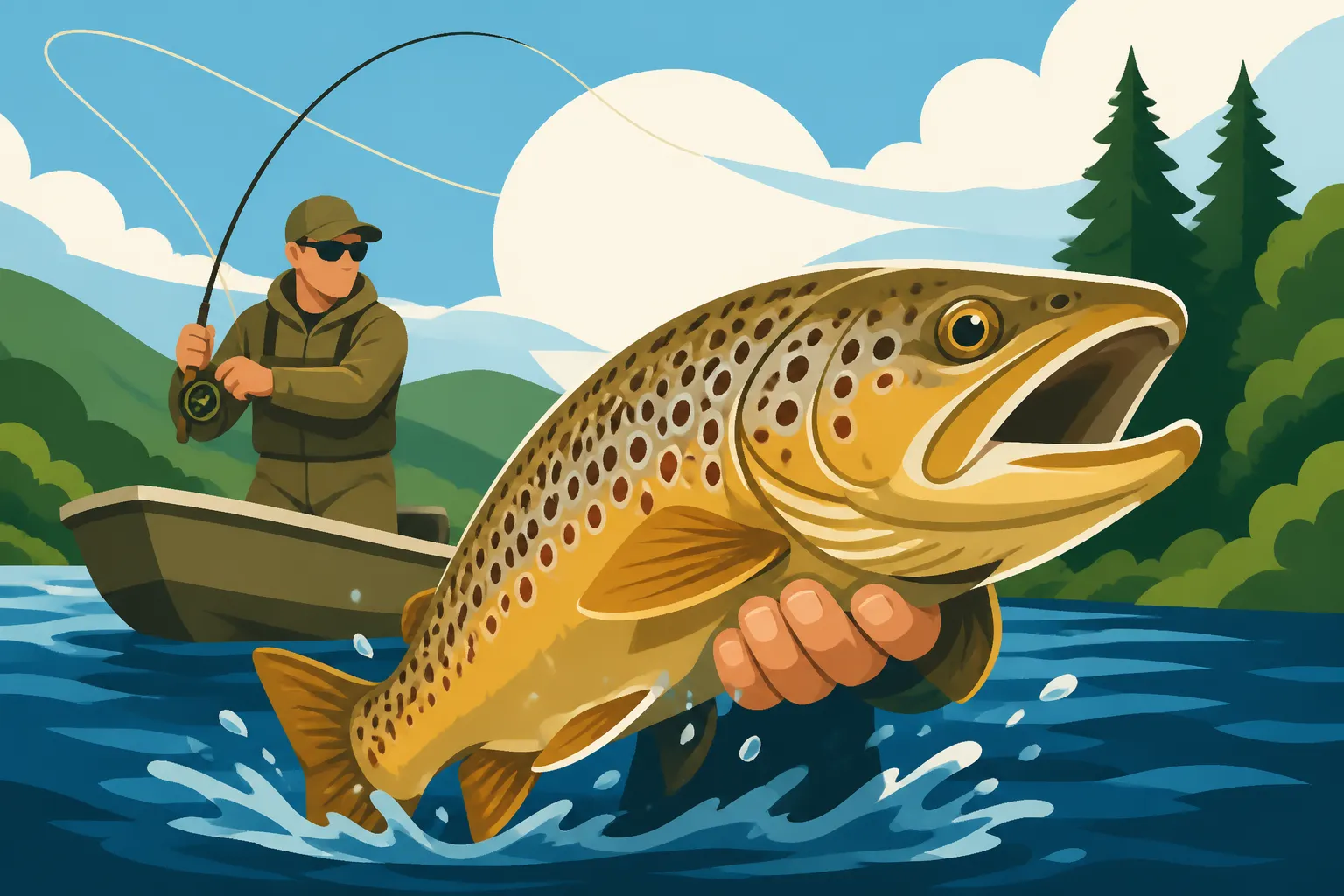
Ah, the trophy brown trout! It's the dream of so many anglers who cast a line in Connecticut's beautiful waters. You spend countless hours perfecting your cast, trying different flies or lures, and pouring over maps, all with the hope of hooking into one of those elusive, wise old giants. But let's be real, finding and actually landing a true trophy brown is incredibly difficult. They're wary, they're smart, and they certainly don't get big by being easy to catch. This guide is all about cutting through that struggle and showing you how a guided trip can drastically improve your chances of finally connecting with that Connecticut brown trout of a lifetime.
The Elusive Nature of Connecticut's Trophy Brown Trout
Let's face it, Connecticut isn't Alaska or Patagonia with endless rivers teeming with 30-inch trout. Our trophy browns are special because they are so rare and hard-won. It's a testament to their incredible survival skills and the challenging environment they inhabit. Many anglers spend years, even decades, chasing these fish without ever seeing one in person, let alone getting one to bite.
Why Big Browns Are So Hard to Find
Part of the challenge lies in the sheer numbers—or lack thereof. While Connecticut does an incredible job stocking its waters, most of those fish are caught relatively quickly by eager anglers. The browns that grow to trophy size are often wild fish, or holdovers that have survived multiple seasons, becoming incredibly cunning in the process. They're not just bigger; they're smarter. They've seen every fly, every lure, every presentation. They've learned to avoid obvious feeding lanes and retreat to the deepest, most complex cover at the slightest hint of danger.
Think about it from their perspective: they've had to outsmart ospreys, otters, anglers, and natural predators for years. They're masters of camouflage and deception. You won't find them carelessly rising in the middle of a pool on a sunny afternoon like a freshly stocked rainbow. These fish have developed specific feeding patterns, often under the cover of low light or adverse weather conditions, and they'll rarely deviate from them. Their home range can be incredibly small, sometimes just a few yards of prime habitat, making them exceptionally hard to locate if you don't know exactly where to look.
Understanding Their Preferred Environment
Trophy brown trout are creatures of comfort, but their comfort zone is also their fortress. They thrive in cold, highly oxygenated water, which is why our state's tailwater fisheries are so crucial. They need ample structure—think large boulders, fallen trees, deep undercut banks, and complex current seams—that offers both protection from predators and ambush points for prey. These are the places where they can expend minimal energy while waiting for a meal to drift by.
Their diet is also a major factor. While smaller trout might key in on aquatic insects, a trophy brown trout needs more calories. They're piscivorous, meaning they primarily eat other fish. This includes smaller trout, sculpins, dace, and even small panfish. Larger insects like stoneflies, hexagenia, or cranefly larvae are also on the menu, especially during specific hatches. Understanding this dietary shift is critical. You're not just "trout fishing"; you're hunting a freshwater predator. Targeting these behemoths requires different techniques, larger flies or lures, and a deep understanding of the forage base in a particular water body. Without this insight, you're essentially throwing a hot dog at a shark and hoping it bites.
Prime Connecticut Waters for Trophy Browns and Their Guides
While trophy brown trout are certainly rare, some waters in Connecticut consistently produce larger, more elusive fish. These are the places where dedicated guides spend their lives learning every current, every rock, and every feeding lane. If you're serious about your quest, these are the rivers to focus on.
The Farmington River's Reputation
When anglers in Connecticut talk about trophy trout, the Farmington River almost always comes up. Specifically, the West Branch of the Farmington River is legendary. This isn't just a regular trout stream; it's managed as a Trophy Trout Stream and a Trout Management Area (TMA), meaning there are special regulations designed to protect and grow larger fish. The cold, oxygen-rich water released from the bottom of the Barkhamsted Reservoir provides ideal conditions year-round, allowing brown trout to survive and flourish into truly impressive sizes.
What makes the Farmington so special for trophy browns is its consistent flow, diverse insect life, and the sheer amount of intricate habitat. There are long, deep pools, swift runs, and complex riffles, all offering prime lies for big fish. A guide on the Farmington will know the specific sections of the river that hold these giants, often the ones that are difficult to access or require expert wading skills. They'll also understand the intricate Farmington River West Branch Trout Fishing patterns, knowing which hatches are coming off and, more importantly, when to ignore the small stuff and throw streamers or bigger nymph patterns that imitate the larger forage these fish prefer. They understand the nuances of Connecticut Trout Management Area Regulations and how they apply to different sections of the river, ensuring you stay compliant while targeting your dream fish.
The Housatonic River's Potential
Another powerhouse in the Connecticut trout world is the Housatonic River, particularly its Housatonic River Trout Management Area Fishing sections. While the Housatonic is perhaps better known for its excellent smallmouth bass fishing in some parts, the colder upper stretches and tailwaters are fantastic for trout, including some truly monstrous brown trout. The Housatonic is a much larger river than the Farmington in many sections, which presents its own unique challenges and opportunities. Its vastness can be daunting, but it also means there are more hidden pockets and less pressured water where large brown trout can grow old and wise.
The Housatonic offers a different kind of challenge and reward. It often holds a population of wild brown trout alongside stocked fish, and these wild fish are incredibly resilient and powerful. Navigating the Housatonic safely and effectively often requires a drift boat or raft, which is where a specialized guide truly shines. They'll know how to position the boat, read the complex currents, and guide you to prime holding water that you simply couldn't reach on foot. They're also attuned to the specific hatches and forage on the Housatonic, which can differ significantly from the Farmington. If you're looking to explore one of the Best Fly Fishing Rivers in Connecticut for a shot at a true leviathan, the Housatonic is definitely a contender.
Other Overlooked Waters
While the Farmington and Housatonic are the superstars, there are smaller rivers and even some deeper, colder lakes that occasionally surrender truly massive brown trout. These are often secret spots, known only to a handful of dedicated local anglers and, you guessed it, guides who have spent years exploring every nook and cranny of the state. These might be lesser-known stretches of rivers like the Naugatuck or Shetucket that get periodic stockings or have cold springs, or even deep, cold-water lakes with good forage bases that allow a few browns to grow to exceptional size. Discovering these locations without local expertise is like finding a needle in a haystack.
The Unfair Advantage: Why a Guide is Essential for Trophy Brown Trout
Let's be honest, trying to find a trophy brown trout on your own in Connecticut is often an exercise in frustration. It's not impossible, but your odds increase exponentially when you enlist the help of a professional. A guided trip isn't just about someone taking you fishing; it's about gaining access to years, often decades, of accumulated knowledge, experience, and specialized equipment.
Local Knowledge Is King
A good guide lives and breathes the river they fish. They know every seam, every eddy, every boulder, and every submerged log. They know when the fish are active, what they're feeding on, and where they'll be holding based on water levels, temperature, and even the weather patterns. This isn't information you can just pick up from a book or an online forum; it's earned through thousands of hours on the water. For trophy browns, this micro-level understanding of the river is absolutely critical. They'll take you directly to the handful of spots that consistently hold large fish, saving you hours of fruitless casting in unproductive water. They also understand the nuances of Brown Trout Habits in Connecticut Streams which are very different from rainbows or brook trout.
Moreover, a guide has the benefit of real-time intelligence. They know what the fish were doing yesterday, or even this morning, because they were out there. They've seen what flies are working, what areas are producing, and what presentation is triggering bites. This eliminates the guesswork that can plague independent anglers, especially when targeting such a notoriously finicky fish. They can adjust tactics on the fly, moving from one section of the river to another based on conditions, ensuring you're always in the best possible position to hook a big one. For anglers looking for Best Guided Fly Fishing Trips on the Farmington River or the Housatonic, this local knowledge is non-negotiable.
Specialized Techniques and Gear
Trophy brown trout often require specialized techniques and sometimes specialized gear that many recreational anglers might not possess or be proficient with. For fly anglers, this could mean expert euro nymphing presentations in heavy currents, precise streamer fishing techniques with heavy sinking lines, or delicate dry fly presentations to incredibly selective fish. For spin anglers, it might involve throwing larger jerkbaits or swimbaits that mimic the trout's preferred forage, or understanding how to effectively fish jigs in deep pools. A guide not only has this gear on hand but also the expertise to teach you how to use it effectively.
Beyond rods and reels, many guided trips, particularly on larger rivers like the Housatonic, involve a drift boat or raft. This allows you to cover miles of river, accessing water that is otherwise impossible to reach by wading. Operating these vessels safely and effectively in varying currents requires significant skill and experience. A guide provides the vessel, the expertise to navigate it, and positions you perfectly for casts to prime holding water. This dramatically expands your fishing opportunities and helps you cover more ground in search of that elusive trophy. You can often find guides offering these specific services on platforms like FishingBooker, making it easier to book exactly the kind of trip you're looking for.
Maximizing Your Chances
Ultimately, a guided trip for trophy brown trout is about maximizing your chances. These fish are few and far between, and every opportunity counts. A guide helps you optimize everything: from the specific stretch of river you're fishing, to the fly or lure choice, to the casting angle and presentation. They can spot fish you would never see, anticipate their movements, and coach you on crucial aspects like hook sets and fighting a large fish in heavy current.
Imagine being on the water, seeing a large swirl, and having your guide calmly tell you exactly where to cast and what to use. This kind of immediate, expert feedback is invaluable. It transforms a frustrating search into a targeted mission. Many anglers who pursue Trout Fishing in Connecticut regularly will tell you that a guide is not just for beginners, but for anyone serious about improving their skills and consistently catching bigger fish. They understand the patterns of these fish over a full season, from the earliest spring days to the coldest depths of winter, often helping you pinpoint the Best Time of Year to Fish in Connecticut for these specific monsters.
Choosing the Right Guide for Your Trophy Quest
So you've decided a guided trip is the way to go – fantastic! Now comes the critical part: choosing the right guide. This isn't just about finding someone with a boat; it's about finding a specialist who understands your specific goal of catching a trophy brown trout in Connecticut.
Experience and Specialization
Not all fishing guides are created equal, especially when it comes to targeting a niche like trophy brown trout. You wouldn't hire a bass guide for a deep-sea tuna trip, right? The same principle applies here. Look for guides who explicitly market themselves as experts in trophy trout, particularly on the rivers you're interested in like the Farmington or Housatonic. Ask about their experience with large brown trout specifically. How many years have they been guiding these waters? What's their success rate with larger fish? A truly experienced guide won't promise you a monster, but they'll be confident in their ability to put you in the best position to catch one.
Check their credentials, too. A reputable guide will be fully licensed and insured, which is important for your safety and peace of mind. Look for reviews and testimonials, particularly those that mention trophy fish. Many guides have profiles on booking platforms like FishingBooker, where past clients share their experiences, often providing invaluable insights into a guide's expertise and personality. Don't be afraid to ask for references; a good guide will be happy to provide them. This due diligence can save you from a disappointing trip.
Communication and Fit
A guided trip is a shared experience, sometimes for many hours in close quarters. It’s important that you feel comfortable and that your personalities mesh. Think about what kind of experience you want. Are you looking for a patient instructor, a quiet companion, or a lively storyteller? Do you prefer a guide who is hands-on, or one who lets you figure things out with minimal intervention? Don't hesitate to call potential guides and chat with them before booking. This conversation can give you a good feel for their communication style and if they align with your expectations.
Discuss your skill level openly. If you're a beginner fly caster, make sure the guide is comfortable with instruction. If you're an expert, ensure they're prepared to challenge you and cater to your advanced techniques. A good guide will tailor the trip to your needs and preferences, not just run a generic trip. After all, this is your investment in a memorable experience, and a good rapport with your guide can make all the difference.
What to Discuss Before Booking
Before you commit, have a clear conversation about the logistics and expectations for your trip. This helps avoid any surprises. Key points to cover include:
- Trip Duration: Is it a half-day or full-day trip? What hours does that cover?
- Pricing: Understand the Connecticut Fishing Charter Cost Guide and what it includes. Are flies, lures, or terminal tackle provided? What about lunch or snacks?
- Equipment: Will the guide provide rods, reels, and waders if needed? Or should you bring your own? If you're flying in, this is a crucial detail.
- What to Bring: Beyond personal items, ask about specific clothing layers, rain gear, and anything else they recommend for comfort and safety.
- Catch Expectations: While no guide can guarantee a trophy fish, a good guide will give you a realistic idea of the possibilities and the effort required.
- Cancellation Policy: What happens if the weather is unfishable or if you need to reschedule?
- Licensing: Confirm that you'll need a valid Connecticut Fishing License Guide for 2026, and ask if the guide will help you acquire it or if it's your responsibility. Often, if you're targeting trout, you'll also need a Connecticut Trout & Salmon Stamp.
Getting all these details sorted upfront ensures a smooth, enjoyable, and ultimately more successful trophy brown trout adventure. Many guides who specialize in Best Guided Fly Fishing Trips on the Housatonic River or the Farmington will have clear answers to these questions and can even help facilitate necessary licenses.
| Feature / Consideration | General Trout Trip Guide | Trophy Brown Trout Specialist |
|---|---|---|
| Primary Goal | Catch fish, enjoy day | Target specific large fish, teach advanced tactics |
| Local Knowledge Depth | Good understanding of general spots | Intimate knowledge of specific trophy lies, historical patterns |
| Gear Provided | Standard trout gear | Specialized heavy nymphing rigs, larger streamer rods, specific lures/flies |
| Technique Focus | Basic fly/spin casting, nymphing | Advanced presentation, accurate casting to specific structure, boat handling (if applicable) |
| Water Coverage | Accessible banks, easily waded areas | Often covers remote stretches, uses drift boats for access, focuses on less pressured water |
| Patience & Persistence | Moderate | High, understands long periods without action for big rewards |
| Cost | Typically standard rates | May be slightly higher due to specialized expertise and equipment |
| Best For | Beginners, casual anglers, numbers of fish | Experienced anglers, those seeking a challenge and a specific large fish |
Disclaimer
This article is for general informational purposes only and does not constitute professional advice. Laws, prices and regulations vary by location and change over time. Consult a qualified professional for guidance on your specific situation.