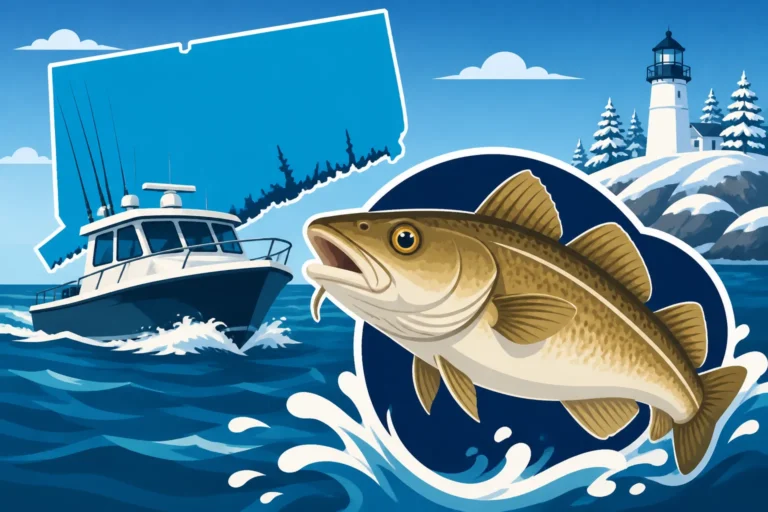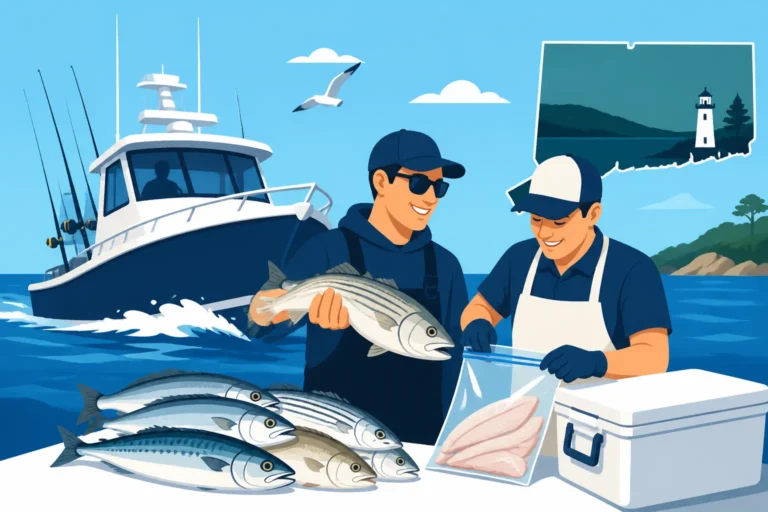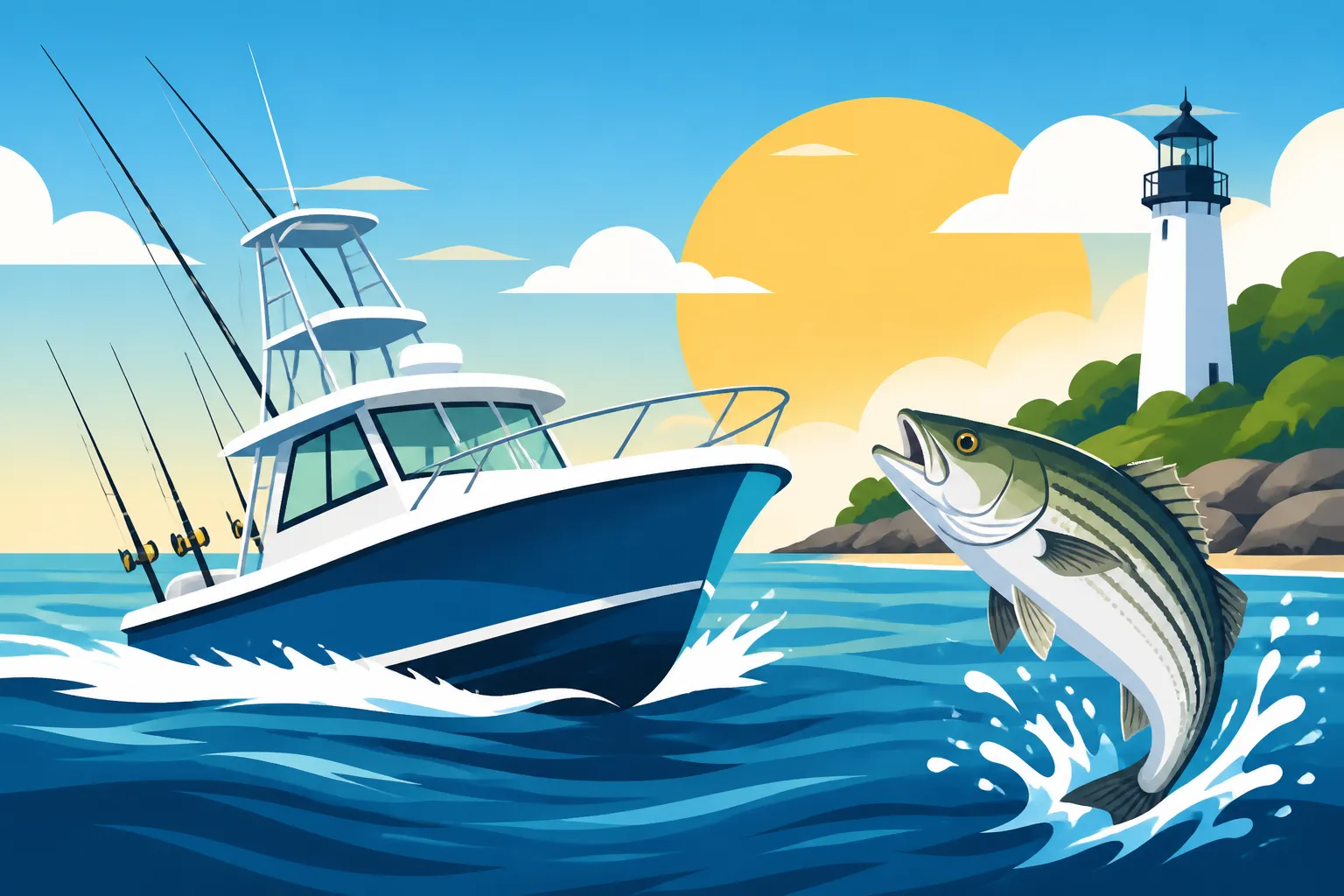
Best charters near the mouth of the Connecticut River
Trying to find the perfect fishing charter near the mouth of the Connecticut River can feel like trying to navigate a dense fog – there are so many options, and it's tough to know who's really going to deliver that incredible fishing experience you're dreaming of. This guide is here to cut through the confusion, helping you understand what makes this area so special for anglers and how to pick the best charter to make your trip a success.
Why the Mouth of the Connecticut River is a Prime Charter Location
The very tip of the Connecticut River, where it finally spills into the vast expanse of Long Island Sound, isn't just a picturesque spot; it's a genuine hotspot for anglers and charter captains alike. This unique confluence of freshwater and saltwater creates an incredibly rich ecosystem, drawing in a wide array of fish species that make for some truly phenomenal fishing opportunities. It’s no wonder so many skilled captains choose to operate from ports like Old Saybrook and Old Lyme.
Rich and Diverse Fisheries
What makes this area so dynamic for fishing is its biological diversity. The Connecticut River itself brings nutrients and freshwater into the Sound, creating a brackish environment that many species thrive in. You'll find everything from anadromous fish making their way upriver to a bustling array of saltwater species that feed on the abundant baitfish congregating here. This means your charter can often target multiple species in a single trip, adapting to conditions and what's biting best that day. Imagine starting the morning chasing schooling striped bass and then switching to bottom fishing for black sea bass or fluke in the afternoon.
The transition zone offers something for every angler, whether you're hoping for a trophy catch or just a fun day reeling in plenty of fish. The sheer volume of baitfish that moves through this area, like bunker and spearing, acts as a magnet for larger predatory species, creating a vibrant food chain right at your fingertips.
Strategic Access to Long Island Sound
Beyond the immediate river mouth, its location provides charters with strategic, quick access to the broader Long Island Sound. This isn't just about reaching open water; it's about reaching specific, highly productive fishing grounds quickly. From the mouth of the Connecticut, captains can easily navigate to nearshore reefs, rock piles, and channels that hold fish like tautog (blackfish) and black sea bass. They also have a direct shot to the rips and shoals further out in the Sound where colossal striped bass and bluefish often congregate, especially during their migratory periods.
Being able to reach these spots efficiently means more time with lines in the water and less time traveling, maximizing your chances for success. Captains who regularly run out of this area know the currents, the depths, and the hotspots like the back of their hand, ensuring you're put right where the action is.
Scenic Beauty and Historical Significance
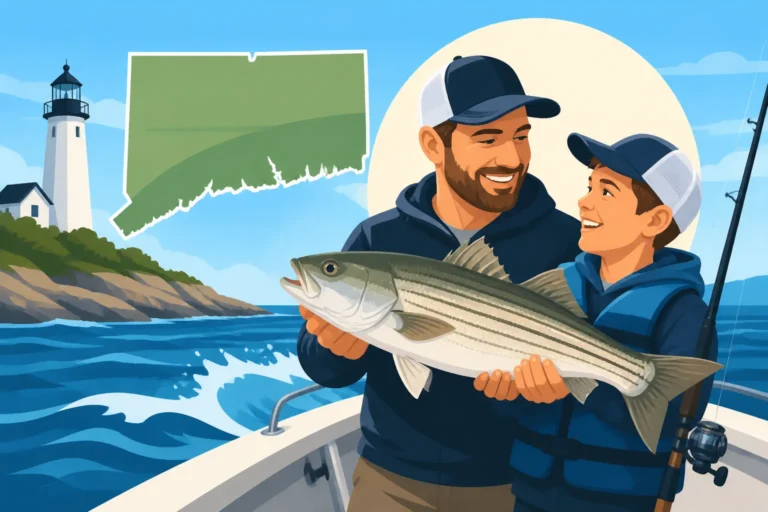
Let’s be honest, fishing is about more than just the catch; it’s about the entire experience. The area around the mouth of the Connecticut River delivers on this front in spades. As you head out on your charter, you’ll be treated to stunning views of historic lighthouses, like the Outer Light, and picturesque coastal towns. The shoreline here is a beautiful mix of sandy beaches, rocky outcrops, and classic New England architecture.
There's also a deep sense of history that permeates the air. This river has been a vital waterway for centuries, playing a crucial role in Connecticut's maritime heritage. Many charters will pass historic landmarks, and the captain might even share some local lore. It adds another layer to your adventure, turning a simple fishing trip into a memorable outing surrounded by natural beauty and a rich past. You're not just fishing; you're experiencing a piece of Connecticut's soul.
What to Look for in a Charter Near the Connecticut River Mouth
Choosing the "best" charter isn't always about the biggest boat or the flashiest website. It's about finding the right fit for your fishing goals and ensuring a safe, productive, and enjoyable day on the water. When you're looking for a charter near the mouth of the Connecticut River, there are several key factors to consider.
Species Expertise and Targeted Trips
First and foremost, think about what you actually want to catch. Are you dreaming of a monster striped bass? Hoping to fill a cooler with delicious fluke? Or maybe you want the challenge of blackfish? Different captains specialize in different techniques and species. A charter that focuses heavily on Striped Bass Fishing in Long Island Sound might use different gear and fish different areas than one specializing in Fluke Fishing in Long Island Sound.
Look for charters that clearly state their primary target species and the types of trips they offer. Some captains are renowned for their prowess with specific fish, having spent years honing their craft in pursuit of a particular quarry. Don't hesitate to ask prospective captains about their success rates for the species you're interested in, and whether they can accommodate a multi-species trip if that's what you're after. Some might offer specific "trophy hunts" or "cooler filler" trips, catering to different angler ambitions.
Boat and Gear Quality
Safety and effectiveness go hand-in-hand here. A good charter will have a well-maintained, seaworthy vessel that is appropriate for the type of fishing and the waters you'll be on. This means a clean deck, proper safety equipment (life jackets, first-aid, navigation gear), and a reliable engine. Don't be shy about asking about the boat's size, capacity, and its overall condition.
Equally important is the fishing gear. Quality rods, reels, and tackle make a huge difference in your ability to detect bites, fight fish, and ultimately land them. A reputable charter will provide well-maintained, high-quality gear suitable for the target species. You don't want to lose a fish of a lifetime because of a sticky drag or frayed line. Ask if they provide all the necessary bait and tackle, or if there's anything you should consider bringing. Many charters include this in their fee, which is a huge convenience.
Captain's Experience and Local Knowledge
This is perhaps the most crucial factor. A captain's experience and intimate knowledge of the local waters can literally make or break your trip. The mouth of the Connecticut River, with its shifting currents, numerous reefs, and varied bottom structure, requires a seasoned hand. An experienced captain will understand the tides, the bait movements, and where the fish are likely to be holding at any given time.
They’ll know the subtle nuances – the specific rock pile that holds blackfish on an outgoing tide, or the deep channel where big striped bass ambush bait. Connecticut Boating Laws for Anglers and local regulations are second nature to them. They'll also be skilled at reading the weather and making sound judgments about safety. Beyond technical expertise, a good captain is also a patient teacher and an engaging host, making the trip enjoyable for everyone, from seasoned anglers to first-timers. Look for captains with years of experience fishing these specific waters.
Charter Logistics and Inclusions
Before you book, clarify all the logistical details. What's the duration of the trip – a half-day or a full-day charter? How many people does the boat accommodate comfortably? What's included in the price? Most charters will provide rods, reels, bait, and tackle, but some might also offer to clean and bag your catch at the end of the day.
You should also ask about things like cooler space for your food and drinks, restroom facilities on board, and any specific items you should bring (sunscreen, hat, appropriate clothing, snacks, etc.). Understanding these details upfront prevents any surprises and ensures you're fully prepared for your day on the water. Make sure to discuss their policy on cancellations due to weather – a responsible captain will prioritize safety and have a clear procedure for rescheduling or refunds. For group trips, clarify if it's a private charter just for your party, or if you'll be sharing with other anglers. This will affect the cost and the overall experience.
Booking Your Connecticut River Mouth Charter: Tips and Considerations
Once you've got a good idea of what kind of charter experience you're seeking, it's time to actually make that booking. This isn't just about picking a date; it's about strategic planning to ensure you get the most out of your investment in a memorable fishing adventure.
Best Seasons and Tides
Timing is everything in fishing, especially at the mouth of a major river and into Long Island Sound. Different species are more active or prevalent during certain times of the year and even specific tidal phases.
- Spring (April – June): This is prime time for the striped bass run as they migrate into the Sound. You'll also find excellent fluke fishing beginning, and the tail end of the spring offers good opportunities for schooling bluefish. Connecticut Spring Fishing Day and Opening Day Rules are often a big deal for trout, but the Sound fishing kicks into gear a bit later.
- Summer (July – August): The summer months bring consistent action for striped bass, bluefish, and fluke. Black sea bass fishing can be fantastic around deeper reefs, and tautog (blackfish) become active in late summer. However, the midday heat can sometimes slow things down, so early morning or late afternoon trips are often preferred.
- Fall (September – November): Many consider fall to be the absolute best time for trophy striped bass and aggressive bluefish as they feast before their southern migration. Fluke fishing remains strong, and tautog really turn on as water temperatures drop. The fall run is often legendary.
Beyond the season, tides are paramount, especially for striped bass and bluefish that use current to ambush bait. Incoming or outgoing tides around structure, rips, or channels often produce the most action. A good captain knows these patterns intimately and will recommend the best tide for your target species. Don't be afraid to ask about Best Time of Day to Catch Striped Bass or Best Time of Day to Book a Charter for Striped Bass related to the tides.
How to Find Reputable Charters
Finding a charter is easier than ever with the internet, but sifting through the options for a genuinely reputable one takes a little work.
- Online Platforms: Websites like FishingBooker are fantastic resources. They allow you to browse multiple charters in the Connecticut River mouth area, read reviews from past clients, compare boat features, and even book directly. These platforms often vet captains for licenses and insurance, adding a layer of security. You can filter by species, trip duration, and boat size, making it simple to narrow down your choices. FishingBooker also often has photos and detailed descriptions of what each charter offers.
- Local Word-of-Mouth: Chatting with folks at local bait shops, marinas, or even restaurants in towns like Old Saybrook and Old Lyme can provide invaluable recommendations. Locals often know which captains consistently put clients on fish and provide a great experience.
- Marina Boards & Websites: Many marinas will have bulletin boards with charter business cards, and individual charter captains often have their own websites. Take the time to explore these, looking for clear contact information, galleries of past catches, and detailed service descriptions.
When you find a few that look promising, cross-reference them. Read reviews not just on one platform, but across several. Look for consistency in positive feedback and how the captain responds to any negative comments. A captain's professionalism extends to their online presence.
Essential Questions to Ask Before Booking
Once you've got a short list of potential charters, pick up the phone and have a conversation. This is your chance to get a feel for the captain and clarify any lingering questions.
- What's included? Reconfirm if bait, tackle, and fish cleaning are part of the deal.
- What about licenses? Do you need to buy your own Connecticut Fishing License Guide for 2026, or is it covered by the charter's blanket license (often the case for vessels carrying many passengers, but always confirm for smaller boats)?
- What's the typical trip itinerary? Where will you likely be fishing? What time do you depart and return?
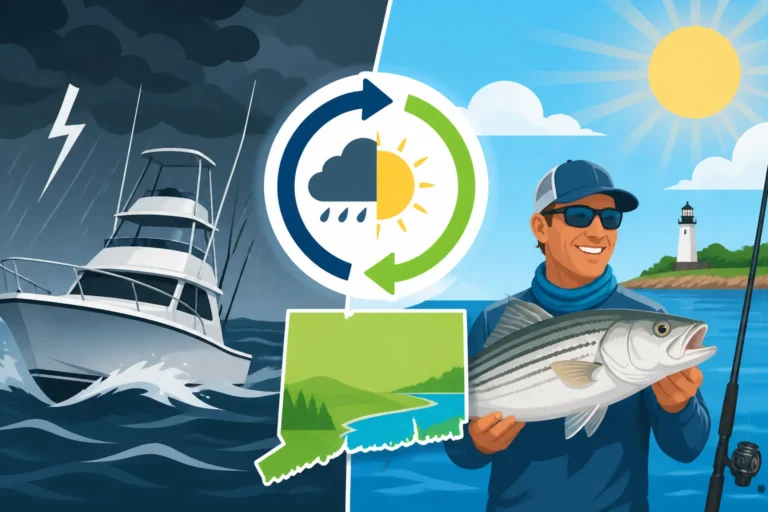
- What's the inclement weather policy? How do they handle rain, heavy winds, or other unsafe conditions?
- What's the payment and cancellation policy? Understand deposits, final payments, and what happens if you need to cancel.
- Is there a mate? For longer or larger charters, a good mate can significantly enhance your experience, helping with bait, untangling lines, and assisting with fish. Tipping is customary for mates.
- What should I bring? Get a specific list of recommended items like food, drinks, cooler, appropriate clothing, and sun protection.
Having these conversations ensures there are no misunderstandings and helps you feel confident in your choice. A good captain will be happy to answer all your questions thoroughly and patiently.
Species You Can Target with a Charter Near the Connecticut River Mouth
The fishing diversity at the mouth of the Connecticut River is truly one of its greatest assets. Charters operating from this gateway to Long Island Sound can offer trips targeting a variety of popular and hard-fighting species, giving anglers a wide array of choices depending on the season and their preferences.
Striped Bass
Without a doubt, striped bass are the rockstars of Long Island Sound fishing, and the Connecticut River mouth is a prime location to target them. These powerful, migratory fish congregate in big numbers here, especially during their spring and fall runs. Charters often focus on live baiting with bunker, trolling with plugs and umbrella rigs, or casting artificials like soft plastics and topwater lures into rips and around structure.
The thrill of a large striper hitting your line and putting up a fierce fight is an experience every angler craves. Captains fishing this area are experts at locating the schools of baitfish that stripers feed on, whether it's in the shallow estuaries or the deeper channels of the Sound. Whether you're hoping to catch a "schoolie" for dinner or battle a genuine cow, a Striped Bass Fishing in Long Island Sound charter from this area offers some of the best opportunities in the state. Connecticut Striped Bass Slot Limit and Season regulations are always in effect, and reputable charters will ensure all fish are handled according to the law.
Bluefish and Fluke
While striped bass often steal the spotlight, bluefish offer an equally exciting, often more aggressive, fight. These toothy predators patrol the same waters as stripers and can be a blast to catch on artificial lures. When bluefish are thick, you can expect fast and furious action, with multiple hookups. They hit hard and fight dirty, making for an exhilarating day.
Fluke, also known as summer flounder, are another highly sought-after species. These delicious flatfish hug the bottom, often found in sandy areas or near structure at the mouth of the river and throughout the Sound. Charters typically drift baits like squid, spearing, or strips of other fish along the bottom, or jig with bucktails tipped with bait. Fluke fishing can be incredibly rewarding, both for the challenge of finding them and the reward of their flaky, white meat. A dedicated How to Catch Fluke in Long Island Sound trip is a popular choice for many.
Black Sea Bass and Tautog (Blackfish)
For those who enjoy bottom fishing and the challenge of pulling fish from rocky structure, black sea bass and tautog (blackfish) are fantastic targets. Black sea bass are beautiful, hard-fighting fish that congregate around reefs, wrecks, and rocky bottoms. They are known for their firm, tasty flesh and can provide consistent action when a good spot is found. Charters will often use bait like squid or clams on simple bottom rigs to entice these aggressive eaters. Connecticut Black Sea Bass Regulations for 2026 dictate season and size limits, so always check with your captain.
Tautog, or blackfish, are the ultimate rock dwellers. They have a reputation for being incredibly smart and tough to catch, requiring precise bait presentation and quick reflexes to set the hook. They live in and around the gnarliest rock piles, wrecks, and mussel beds, and their diet consists primarily of crabs and shellfish. A good captain with specialized gear and knowledge of these structures is essential for a successful blackfish trip. Connecticut Blackfish Tautog Season Dates are usually specific, often peaking in the fall and spring. These fish offer a unique challenge and are highly prized for their delicious meat.
| Species | Best Season | Common Baits/Lures | Typical Locations | Fight Style |
|---|---|---|---|---|
| Striped Bass | Spring, Fall, Summer | Live Bunker, Soft Plastics | River mouth rips, nearshore reefs, deeper channels | Powerful runs, head shakes |
| Bluefish | Summer, Fall | Plugs, Spoons, Jigs | Nearshore structure, schooling baitfish, open water | Aggressive, toothy, erratic runs |
| Fluke (Summer Flounder) | Late Spring, Summer, Early Fall | Squid, Spearing, Bucktails | Sandy bottoms, channel edges, near jetties | Flat, strong pull, bottom hugger |
| Black Sea Bass | Summer, Fall | Clams, Squid | Rocky reefs, wrecks, artificial structures, deep water | Firm pull, strong resistance |
| Tautog (Blackfish) | Spring, Fall | Green Crabs, Hermit Crabs | Rocky shorelines, mussel beds, wrecks, bridge pilings | Stubborn, strong pull, structure-oriented |
Ultimately, a charter out of the Connecticut River mouth offers a gateway to some of the most exciting and diverse saltwater fishing that Connecticut has to offer. Whether you're a seasoned pro or a first-time angler, there's a fish and an adventure waiting for you.
Disclaimer
This article is for general informational purposes only and does not constitute professional advice. Laws, prices and regulations vary by location and change over time. Consult a qualified professional for guidance on your specific situation.