Connecticut Housatonic River Seasonal Closure Explained
It can be incredibly frustrating to plan a perfect fishing trip to one of Connecticut's most celebrated rivers, only to discover that a significant portion of it is closed to angling. Many passionate anglers, myself included, have experienced that sinking feeling when seasonal restrictions derail well-laid plans. This guide is here to untangle the complexities of the Connecticut Housatonic River seasonal closure, explaining exactly why it happens, what it means for your fishing, and how you can still enjoy this incredible waterway or find fantastic alternatives when the river is off-limits.
The Critical Need for Seasonal Closures on the Housatonic River
The Housatonic River in Connecticut isn't just any waterway; it's a cold-water gem renowned for its wild and holdover trout population, as well as robust smallmouth bass fishing. However, even the most vibrant rivers face challenges, and for the Housatonic, summer heat poses a serious threat to its delicate ecosystem, particularly for its prized trout. The seasonal closure isn't an arbitrary rule; it's a vital conservation measure put in place to protect these fish from conditions that would otherwise lead to significant mortality.
Thermal Stress and Trout Survival
Trout, especially brown and rainbow trout found in the Housatonic, are cold-water species. They thrive in water temperatures generally below 68°F (20°C). As summer progresses, particularly from July through August, the Housatonic River's water temperatures can climb well beyond this critical threshold. When water temperatures rise, the oxygen levels in the water decrease dramatically, and fish become highly stressed. Imagine trying to run a marathon in stifling heat and thin air; that's what it feels like for a trout in warm water.
Even if you practice catch and release with the utmost care, a trout caught in thermally stressed water is far more likely to die after being released. The fight itself, the handling, and the brief exposure to air can push an already struggling fish past its breaking point. The Connecticut Department of Energy and Environmental Protection (DEEP) wisely implemented these closures to minimize this post-release mortality, giving these valuable fish a chance to survive the toughest part of the year. It's a proactive step to ensure the long-term health of the fishery. If you're keen to understand more about trout biology, check out our guide on what water temperature trout need to survive.
Spawning Protection and Habitat Preservation
While thermal stress is the primary driver for the summer closure, other seasonal factors can also necessitate restrictions on different parts of the river or at other times of the year, though the summer closure is the most well-known. For instance, specific sections might have temporary closures during critical spawning periods for certain species, or to protect sensitive habitats during restoration efforts. These closures ensure that fish can complete their natural life cycles without disturbance, safeguarding future generations.
The Housatonic River's diverse ecosystem supports not just trout, but also an impressive population of smallmouth bass, northern pike, and various panfish. While smallmouth bass are more tolerant of warmer water than trout, the concentrated efforts of anglers during peak summer could still put undue pressure on various fish species, especially when conditions are already challenging. By closing a significant portion of the river during the harshest conditions, the DEEP is essentially giving the entire river system a much-needed break. It's about maintaining a balance and recognizing that sometimes, the best thing we can do for the fish is to leave them alone.
Navigating the Specific Housatonic Closure Dates and Zones
Understanding precisely when and where the Housatonic River is closed to fishing is crucial for any angler. Misinterpretations can lead to frustration or, worse, unintended violations. The specific regulations focus on key sections known for their thermal sensitivity and concentration of cold-water species.
Exact Dates and Affected Areas
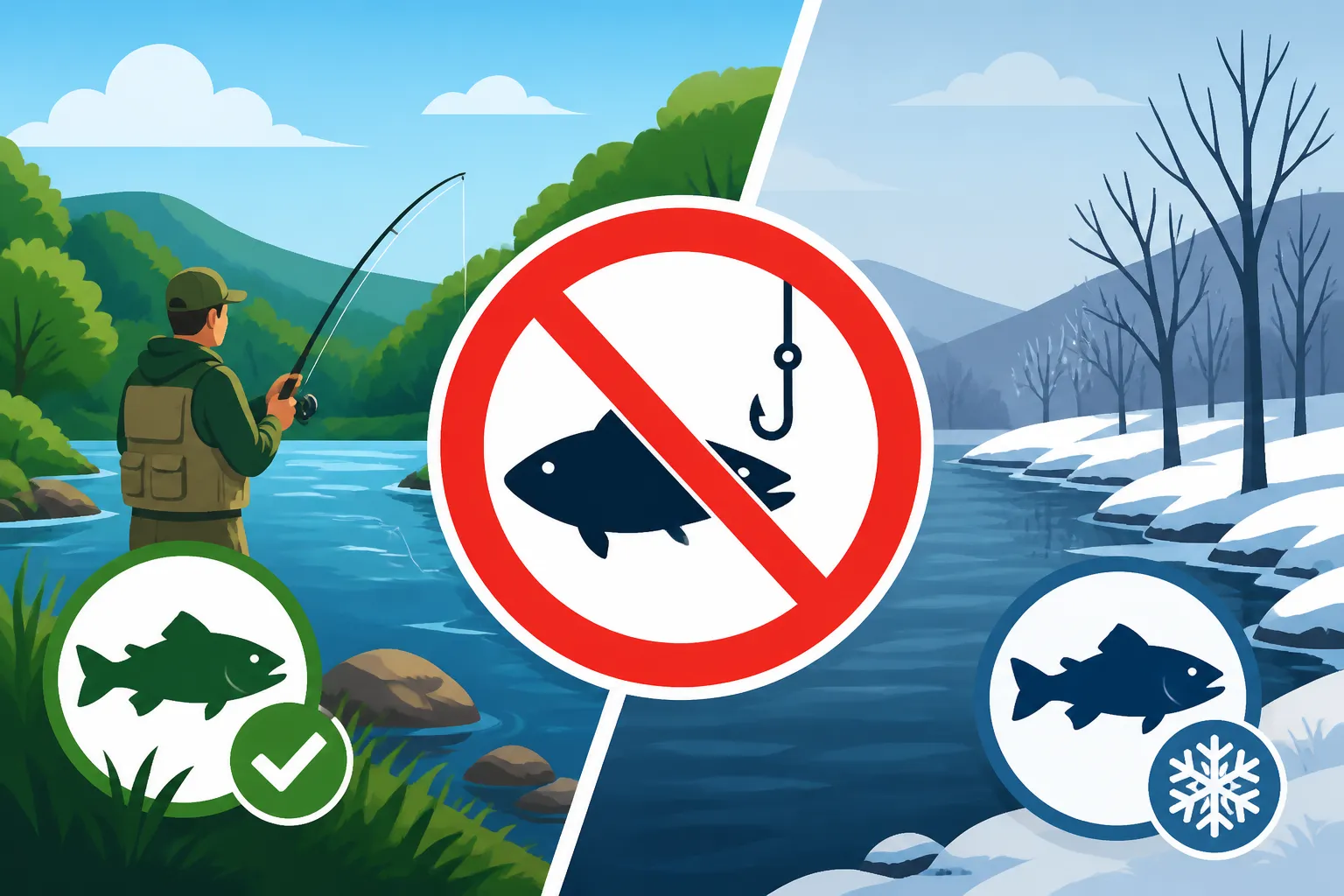
The primary seasonal closure for the Housatonic River typically runs from July 1st through August 31st each year. This period is specifically chosen to coincide with the hottest summer months when water temperatures are at their highest and oxygen levels are lowest. During this time, fishing is prohibited in designated sections of the river.
The most critical section affected is the portion of the Housatonic River from the Route 112 bridge in Salisbury downstream to the confluence of the Ten Mile River in Kent. This stretch encompasses a significant portion of what many anglers consider the prime trout fishing waters. It's a long, winding section of river that includes some of the most popular access points and productive pools for both wild and stocked trout. This specific closure is clearly outlined in the annual Connecticut Fishing Guide, which is an invaluable resource for anyone fishing in the state. For a broader overview of state regulations, you might want to read our article, Connecticut Fishing Regulations Explained.
Upstream and Downstream Nuances
It's important to remember that not the entire Housatonic River system is closed. The regulations are very specific to safeguard the most vulnerable areas. Upstream of the Route 112 bridge, or downstream of the Ten Mile River confluence, fishing generally remains open, though anglers should always consult the latest DEEP regulations for any changes or additional localized restrictions.
For instance, the river in the extreme northern part of the state, above Salisbury, tends to be smaller and might have different characteristics, though trout are still present. Further downstream, below the confluence with the Ten Mile River in Kent and certainly once it widens into Lake Lillinonah and Lake Zoar, the fishing focus shifts more towards warm-water species like bass and pike, which are less affected by typical summer temperatures. However, even in these downstream areas, fish can still experience thermal stress during extreme heatwaves, so always consider water temperatures before heading out, regardless of whether a formal closure is in effect. Being prepared with a reliable thermometer, perhaps one you picked up from a fishing gear supplier on Amazon, is always a good idea.
Species Affected and Alternative Fishing Opportunities
When the Housatonic River’s prime trout sections close for the summer, it naturally raises questions about what species are primarily being protected and where anglers can turn for their summer fishing fix. The good news is that Connecticut offers a wealth of other fantastic fishing opportunities, even during the peak of summer.
Protecting Trout and Other Cold-Water Fish
The primary beneficiaries of the Housatonic summer closure are its trout populations – specifically wild brown trout and holdover rainbow trout. These fish, as mentioned, are highly susceptible to elevated water temperatures. While smallmouth bass also inhabit these sections, they are generally more resilient to warmer conditions. However, the closure indirectly benefits them too by reducing overall angler pressure during a stressful period for the entire river ecosystem.
It’s a misconception to think that only the specific species mentioned in the regulation are impacted. A healthy cold-water ecosystem relies on many interconnected elements, and when one part is under stress, the whole system feels it. By protecting the most vulnerable residents, the closure helps maintain the overall health and biodiversity of the Housatonic. To learn more about trout management in the state, check out our guide on Connecticut Trout Season and Stocking Rules.
Exploring Alternative Connecticut Fishing Spots
Just because a section of the Housatonic is closed doesn't mean you have to hang up your rods for the summer. Connecticut is blessed with a diverse array of fishing opportunities.
For Trout Enthusiasts:
- Farmington River: Often cited as the state's other premier trout river, the Farmington River, particularly its West Branch, is known for its cold, consistent flows due to bottom-release dams. Many sections, including some Trophy Trout Stream areas and Catch & Release Fly Fishing Only Waters, remain open year-round for trout fishing. This river is an excellent alternative for those seeking a cold-water trout fix. You can find more details in our article about Connecticut Farmington River Trophy Trout Stream Rules.
- Smaller Cold-Water Streams: Many smaller, spring-fed streams across the state retain cooler temperatures throughout the summer. While they may hold smaller fish, they offer a unique wilderness experience. The key is to seek out streams with good tree cover and consistent groundwater input.
- High-Elevation Ponds: Some of Connecticut's higher-elevation ponds, like those found in the northwestern hills, can retain cooler water temperatures, supporting trout populations through the summer. These often require a bit more effort to access but can be very rewarding.
For Warm-Water Species:
- Lakes and Ponds: Connecticut boasts numerous lakes and ponds teeming with largemouth bass, smallmouth bass, northern pike, pickerel, and panfish like crappie and bluegill. Lakes like Candlewood Lake, Bantam Lake, and Lake Lillinonah offer fantastic bass and pike fishing. For detailed information, our Candlewood Lake Fishing Guide and Bantam Lake Fishing Guide are great places to start.
- Connecticut River: The state's largest river, the Connecticut River, offers excellent fishing for a wide variety of species, including striped bass, smallmouth bass, northern pike, and catfish, especially in its tidal sections.
- Long Island Sound: For saltwater anglers, Long Island Sound provides endless opportunities. Striped bass, bluefish, fluke, black sea bass, and scup are all popular targets during the summer months. Exploring the Long Island Sound Fishing Guide would be a smart move.
| Fishery Type / Location | Target Species | Housatonic Closure Impact | Alternative Summer Options |
|---|---|---|---|
| Housatonic River (Salisbury to Kent) | Trout, Smallmouth Bass | CLOSED (July 1 – Aug 31) | Farmington River, cooler small streams, high-elevation ponds |
| Housatonic River (Below Ten Mile R.) | Smallmouth Bass, Pike, Panfish | Open | Same area for warm-water species |
| Farmington River (West Branch) | Trout | Open (Special Regs apply) | Excellent cold-water trout fishing |
| Major Lakes (Candlewood, Bantam) | Largemouth/Smallmouth Bass, Pike, Perch | Open | Prime locations for warm-water fishing |
| Connecticut River | Striped Bass, Smallmouth, Catfish | Open | Diverse fishing opportunities |
| Long Island Sound | Striped Bass, Fluke, Black Sea Bass, Bluefish | Open | Premier saltwater angling |
This table provides a quick reference for planning your summer angling adventures when the Housatonic River is taking its well-deserved rest. Remember to always consult the latest DEEP regulations before heading out.
Regulations and Enforcement During Closure Periods
Navigating fishing regulations can sometimes feel like trying to solve a puzzle, and seasonal closures on a popular river like the Housatonic are no exception. It's not just about knowing the dates; it's about understanding the nuances of enforcement and your responsibilities as an angler. The Connecticut DEEP takes these closures seriously, and for good reason—they are critical to conservation.
What's Allowed and What's Strictly Prohibited
During the specific closure period from July 1st through August 31st, fishing for any species is strictly prohibited within the designated section of the Housatonic River (from the Route 112 bridge in Salisbury downstream to the Ten Mile River confluence in Kent). This means no bait fishing, no fly fishing, no lure fishing – nothing. Even if you're targeting smallmouth bass, which are more resilient to warm water, you cannot fish in these closed sections during the specified dates. The rationale is that any fishing activity, regardless of target species, can inadvertently stress trout, and enforcement would be incredibly difficult if certain methods or species were allowed.
It's not just about catching; it's about the act of fishing itself. Being on the water with a rod and reel in hand in a closed area during the closed season is considered a violation. It's a clear-cut rule designed to remove all angling pressure from these sensitive zones when fish are most vulnerable. For a deeper dive into overall regulations, our comprehensive guide on Connecticut Fishing Regulations Explained can be very helpful.
Penalties for Non-Compliance
The DEEP's Environmental Conservation Police (EnCon Police) regularly patrol these areas, especially during closure periods. They are highly trained officers dedicated to protecting the state's natural resources, and they do not take violations lightly. If you are found fishing in a closed section of the Housatonic River during the seasonal closure, you could face significant penalties.
These penalties typically include hefty fines, and potentially even the confiscation of your fishing gear. Repeat offenses can lead to even more severe consequences, including the suspension or revocation of your fishing license. It's simply not worth the risk. Beyond the legal ramifications, there's an ethical responsibility to uphold these conservation measures. Anglers are often the first line of defense for fisheries, and respecting closures is a fundamental part of responsible angling. Many experienced anglers understand the importance of respecting the river during these critical times and will actively report violations to the authorities. You can find out more about the consequences of Fishing Without a License in Connecticut: Penalties, which often parallels the severity of other regulations.
Planning Your Fishing Trips Around the Closure
The Housatonic River closure doesn't have to put a damper on your fishing year. With a little planning and flexibility, you can still enjoy fantastic fishing on the Housatonic during open seasons, or explore other incredible waters in Connecticut during the summer months. It's all about adjusting your approach and embracing the diversity of options available.
Pre-Closure and Post-Closure Strategies
Understanding the closure dates allows you to maximize your time on the Housatonic River during the open seasons.
Spring (Pre-Closure): Spring, particularly April, May, and June, offers some of the best fishing on the Housatonic before the closure kicks in. The water is cool, trout are active, and insect hatches can be prolific. This is a prime time for fly fishing, especially for anglers targeting wild browns and stocked rainbows. Consider techniques like nymphing or streamer fishing early in the season, transitioning to dry flies as insect hatches become more consistent. This period is also excellent for smallmouth bass, as they become more active with rising water temperatures but before the heat becomes extreme. Gear up with essential items like waders, a good fly rod, and various fly patterns from a reputable outfitter or even online via Amazon, to be ready for these prime fishing windows.
Fall (Post-Closure): As soon as September 1st hits, the Housatonic opens back up, and the fishing can be spectacular. The water temperatures begin to drop, oxygen levels rebound, and the trout become much more active, often feeding aggressively to put on weight for winter. Fall also brings the stunning foliage of the Litchfield Hills, making for a truly picturesque angling experience. Streamer fishing can be particularly effective for larger trout in the fall, imitating baitfish preparing for colder months. Smallmouth bass also go on a feeding frenzy in fall, making it a fantastic time for both species. If you're looking for specific spots, our general Housatonic River Fishing Guide offers plenty of insights.
Utilizing the Connecticut Interactive Trout Stocking Map
The Housatonic River, especially in its Trout Management Area, benefits from regular stocking. Knowing when and where trout are stocked can be a game-changer for planning your trips. The DEEP provides an incredibly useful Connecticut Interactive Trout Stocking Map, Explained. This online tool allows you to see recent and planned trout stockings across the state.
While the interactive map won't change the summer closure on the Housatonic, it's invaluable for planning your spring and fall trips to hit the river shortly after a fresh stocking, or to find other stocked waters across Connecticut that remain open during the summer. For instance, if you're craving trout during the Housatonic closure, you can use the map to locate other stocked streams and ponds that are still open and actively receiving trout from the DEEP. It’s a fantastic resource for anglers who want to maximize their chances of success and explore new areas.
Conservation Efforts and the Future of the Housatonic
The seasonal closure on the Housatonic River is more than just a regulatory inconvenience; it's a testament to a broader, ongoing commitment to conservation. The health of this iconic river is a priority for the Connecticut DEEP and countless anglers, and understanding these efforts helps us appreciate the rules in place.
DEEP's Role in River Health
The Connecticut Department of Energy and Environmental Protection plays a multifaceted role in safeguarding the Housatonic River. Their work extends far beyond simply enforcing closures. They actively monitor water quality, conduct fish population surveys, manage stocking programs, and work on habitat restoration projects. These efforts are continuous and science-based, aimed at ensuring the long-term ecological integrity of the river.
The DEEP's fisheries biologists continually assess environmental conditions, including water temperatures and dissolved oxygen levels, to determine the most effective management strategies. The summer closure, for example, is a direct result of these scientific observations, designed to mitigate the effects of environmental stressors. They also manage special regulation areas within the river, like the Housatonic River Trout Management Area Fishing sections, which have year-round, specific rules to promote catch and release and trophy fish opportunities. Their holistic approach is vital for the Housatonic to continue thriving as a world-class fishery.
Angler Responsibility and Community Involvement
While the DEEP sets the rules, the success of conservation efforts ultimately hinges on the cooperation and active participation of anglers. Respecting the seasonal closure is just one piece of the puzzle. Practicing responsible catch and release techniques, picking up litter, reporting pollution, and adhering to all other fishing regulations are equally important.
Many local fishing clubs and conservation groups, such as the Housatonic Valley Chapter of Trout Unlimited, are deeply involved in maintaining the health of the river. They organize river cleanups, advocate for protective measures, and educate fellow anglers on best practices. Getting involved with such groups is a fantastic way to contribute to the future of the Housatonic and other rivers. For those looking to learn more about fly fishing techniques specific to similar rivers, resources found on Amazon, like books on fly tying or river entomology, can deepen an angler's understanding and appreciation for the ecosystem they fish. It's a collective responsibility, and every angler's actions, both on and off the water, contribute to the river's future. The commitment shown by the angling community is crucial for ensuring that future generations can enjoy the Housatonic as much as we do today.
Disclaimer
Always consult the latest official Connecticut Department of Energy and Environmental Protection (DEEP) fishing guide and regulations before planning any fishing trip, as rules and dates can change. This article provides general information and should not be considered a substitute for official sources.