Connecticut blackfish season dates for 2026
Oh, the elusive blackfish! If you've spent any time on the Connecticut coast chasing these feisty critters, you know that keeping up with their season dates can feel like trying to nail Jell-O to a tree. It's frustrating when you just want to get out on the water, but the rules seem to shift or be tucked away in some obscure corner of the internet. This guide is here to cut through that confusion, giving you a clear rundown of the anticipated blackfish (tautog) season dates and regulations for 2026 in Connecticut, so you can plan your trips with confidence.
Understanding Connecticut Blackfish Seasons
Blackfish, or tautog as they're also known, are a beloved species among Connecticut's saltwater anglers. They're strong, intelligent, and delicious, making them a prime target for many. However, their popularity also means they need careful management to ensure healthy populations for years to come. This is why the Connecticut Department of Energy and Environmental Protection (DEEP) implements specific seasonal windows and catch limits.
Why Tautog Regulations Matter
It might feel like regulations are just there to make your life harder, but when it comes to tautog, they're truly about protecting the species. Tautog are slow-growing and long-lived, and they're particularly vulnerable to overfishing in certain areas because they tend to congregate around specific rocky structures. If we didn't have these seasons and limits, it wouldn't take long before our favorite blackfish spots were depleted. The regulations are designed to allow enough fish to spawn and replenish the population, ensuring that future generations of anglers, and even our grandkids, can still experience the thrill of battling a big tog. It's a delicate balance between angler access and conservation, and it’s always evolving based on scientific data and stock assessments.
The Seasonal Cycle of Blackfish Fishing
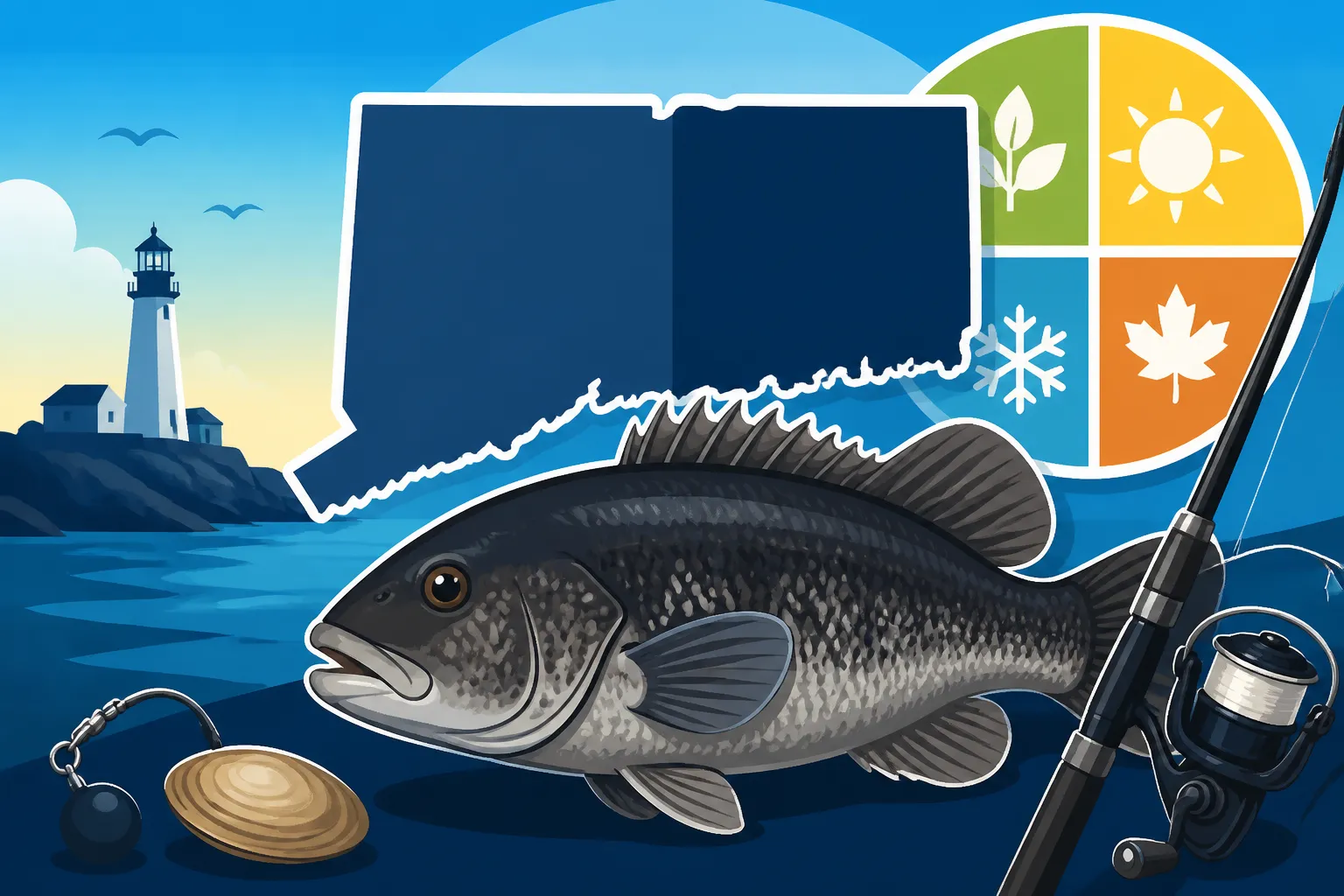
Blackfish are fascinating creatures with distinct seasonal patterns that influence when and where you can find them. Generally, you'll see a prominent spring season, a shorter summer window, and a robust fall season. These periods coincide with when blackfish are most accessible to anglers, either moving into shallower waters to feed and spawn or congregating on deeper structures before the harshest winter months.
In spring, as water temperatures begin to rise, blackfish become more active and move into shallower rocky areas. They're often hungry after the colder winter months, making them a prime target. The summer window can be a bit trickier, as tautog might spread out more or seek deeper, cooler waters, though they can still be found. Fall is arguably the most popular season for blackfish, as they feed aggressively in preparation for winter, often schooling up in larger numbers on reefs, wrecks, and rocky ledges. This is when many anglers target them for their biggest hauls. Understanding these natural cycles helps you not only plan your fishing trips but also appreciate the reasoning behind the regulations.
Key Dates and Limits for Blackfish in 2026
Alright, let's get down to brass tacks. While the official 2026 Connecticut blackfish regulations are always subject to final approval by the CT DEEP, historically, the seasons and limits tend to follow a fairly consistent pattern year after year. Based on the most recent regulatory cycles, here’s what we anticipate for blackfish in 2026. Please remember that these dates and limits are based on current patterns and should always be verified with the official Connecticut Fishing Regulations Explained or the CT DEEP website closer to the season.
Spring Blackfish Season Overview
The spring blackfish season is often one of the first opportunities of the year for saltwater enthusiasts to target these hard-fighting fish. It's typically a shorter window, designed to allow anglers to get a taste of tog fishing before the main spawning efforts take hold and to help manage fishing pressure.
For 2026, we expect the spring blackfish season to run from April 1st through April 30th. During this period, the daily creel limit is usually 2 fish per person. The minimum length for blackfish across all seasons in Connecticut consistently remains 16 inches. This means any fish you catch shorter than 16 inches must be immediately released unharmed. It's crucial to measure your catch accurately, so having a reliable measuring device on hand is a must. Remember, even if you’re fishing from a charter, you’re individually responsible for adhering to these limits. Checking the official Connecticut Saltwater Fishing Regulations by Species is always a good idea before heading out.
Fall and Winter Blackfish Opportunities
After a likely summer closure, the fall blackfish season kicks into high gear, offering the longest and often most productive period for targeting tautog. This is when blackfish are bulking up, making them very aggressive feeders. The regulations typically reflect this increased activity by allowing for a more generous bag limit.
We anticipate the fall blackfish season for 2026 to open around October 1st and potentially run through December 6th, though exact closing dates can sometimes shift slightly depending on the year's stock assessments. During this prime fall window, the daily creel limit is usually 5 fish per person. The minimum length will remain 16 inches. The weather might get colder, but the fishing can be red-hot. Many anglers consider this the trophy season, with larger fish being more active. Be prepared for cooler temperatures on the water; dressing in layers is crucial. As the fall progresses into early winter, fishing typically shifts to deeper, offshore structures as the blackfish seek stable temperatures.
Here's a quick summary table for the anticipated 2026 Connecticut Blackfish Seasons:
| Season | Dates (Anticipated 2026) | Minimum Length | Daily Creel Limit |
|---|---|---|---|
| Spring | April 1 – April 30 | 16 inches | 2 fish |
| Summer | July 1 – August 31 | 16 inches | 2 fish |
| Fall | October 1 – December 6 | 16 inches | 5 fish |
Note: These dates and limits are based on recent regulatory patterns. Always consult the official Connecticut DEEP marine fishing regulations for the most current and confirmed 2026 information before your trip.
Special Considerations for Blackfish Anglers
Beyond the season dates and limits, there are a few other important considerations for blackfish anglers in Connecticut. While Connecticut Circle Hook Requirement for Striped Bass is explicitly mandatory, using circle hooks for tautog is highly recommended. Tautog have tough mouths, and circle hooks often result in hook-ups in the corner of the mouth, minimizing deep hooking and increasing the survival rate of released fish, especially those under the Connecticut blackfish minimum length limit. This practice is just good sportsmanship and a way to contribute to conservation.
Also, be mindful of specific areas that might have their own localized regulations or closures. While less common for tautog than for some freshwater species, it's always worth a quick check of marine management areas if you're fishing a new spot.
Navigating Blackfish Regulations and Licensing
Dealing with fishing regulations can be a bit of a maze, especially if you're new to the sport or visiting from out of state. But it's absolutely essential to get it right. Trust me, the fines and hassle of fishing without the proper license or violating regulations are far worse than the few minutes it takes to get compliant.
Essential Licensing for Blackfish Anglers
To legally fish for blackfish in Connecticut, you'll need a valid Connecticut Marine Waters Fishing License. This isn't optional; it's a requirement for anyone 16 years of age or older fishing in tidal or marine waters. If you're a resident, there are specific licenses for you, and non-residents also have options, including short-term licenses if you're just visiting for a quick trip. Knowing the difference between an Connecticut Inland vs Marine vs All-Waters License, Explained is key here – for blackfish, you're squarely in marine territory.
You can purchase your license online through the CT DEEP website, or at various license vendors across the state. Places like sporting goods stores and bait shops often carry them, making it convenient to pick one up when you're stocking up on gear. For a comprehensive guide, check out the Connecticut Fishing License Guide for 2026. Don't forget that even if you're on a chartered boat, you generally still need your own license, so make sure to confirm with your Best Blackfish Charters in Connecticut captain beforehand. It's also important to be aware of the Connecticut Fishing License Age Requirements.
Where to Find Official Regulation Updates
This is perhaps the most critical piece of advice: always go directly to the source for the most up-to-date information. While guides like this one aim to be as accurate as possible, regulations can change. The official Connecticut DEEP website is your best friend. They publish the annual Connecticut Angler's Guide, which includes all freshwater and saltwater regulations. You can usually download a PDF version or find an interactive online guide.
Beyond the annual guide, the DEEP also issues press releases and updates throughout the year, especially if emergency regulations or significant changes occur. Following their social media channels or signing up for their email newsletters can also keep you in the loop. Never rely solely on hearsay or outdated information you found deep in a forum somewhere. Taking a few minutes to check the official DEEP page for Connecticut Fishing Season Dates and Closures or the Reading the Connecticut Fishing Guide section can save you a lot of headache and potential fines.
Consequences of Non-Compliance
Let's be blunt: fishing without a license or violating catch limits is a serious matter, and the state of Connecticut doesn't take it lightly. The penalties for fishing without a license can include significant fines, and repeat offenses can lead to even harsher consequences, potentially even jail time. Beyond the financial hit, you could also face a suspension of your fishing privileges, which means no more blackfish for you for a while.
Imagine you've had a fantastic day catching a limit of blackfish, only to have a DEEP conservation officer check your license, and you realize it expired last month. Or worse, you accidentally kept one too many fish, or one that was just under the legal size. These situations are easily avoidable by doing your homework upfront. Ignorance of the law is never an excuse. Understanding the potential Fishing Without a License in Connecticut: Penalties should be enough motivation to ensure you're always squared away before casting a line.
Tips for a Successful and Compliant Blackfish Trip
Now that we’ve covered the nitty-gritty of regulations, let's talk about how to make your blackfish trip both successful and fully compliant. Blackfish fishing is incredibly rewarding, but it does require some specialized knowledge and gear.
Gear Up for Tautog
Tautog are powerful fighters, especially for their size, and they live in rocky, unforgiving terrain. This means your gear needs to be up to the task. You'll want a stout rod, usually a medium-heavy action with a strong backbone, paired with a reliable conventional reel or a sturdy spinning reel capable of handling heavy braid. Braided line in the 30-50lb range is popular because it offers excellent sensitivity for feeling those subtle bites and the strength needed to pull a tog out of structure. You'll need fluorocarbon leaders, typically 20-40lb test, as blackfish have excellent eyesight and are known to be line-shy in clear water.
As for bait, green crabs are the undisputed king for blackfish. You can often find them at local bait shops, or if you're adventurous, you can catch them yourself in shallow rocky areas. Other effective baits include fiddler crabs, hermits, and sometimes even pieces of clam or Asian shore crabs. A classic blackfish rig is a simple high-low rig or a standard sinker-and-hook setup, usually with a 3/0 to 5/0 strong hook. Make sure you have a variety of sinker weights (from 1 oz to 8 oz or more) to contend with different currents and depths. You can find a fantastic selection of these specific hooks, lines, and weights on Amazon, making it easy to stock up before your next outing.
Respecting the Resource
Part of being a responsible angler is showing respect for the fish you pursue. For blackfish, this means handling them carefully, especially if you're practicing catch and release. Tautog are resilient, but rough handling can still cause harm. If a fish is undersized or you've caught your limit, try to release it as quickly and gently as possible. Minimize its time out of the water, and consider using a dehooker to remove the hook efficiently.
When releasing a blackfish, gently lower it back into the water headfirst, or hold it upright until it swims away on its own. For fish caught in deeper water, you might notice signs of barotrauma (swollen stomach, bulging eyes). Carrying a venting tool or a descending device can greatly increase the survival rate of these fish. These are good investments you can find on Amazon or at your local tackle shop. Remember, every fish you release safely contributes to the overall health of the fishery. Understanding Blackfish (Tautog) Fishing in Connecticut and Blackfish Habits Around Structure will only improve your success and appreciation for the species.
Staying Informed on the Water
Even with all your preparation, it's wise to have quick access to regulations while you're actually out fishing. Many anglers keep a copy of the CT Angler's Guide on their boat or even download the PDF to their phone. The CT DEEP website is mobile-friendly, so you can often look up specific rules right from your phone, assuming you have cell service.
Many apps are also available that can provide quick access to local regulations, often updating automatically. While a physical copy is always a reliable backup, a digital version on your phone or tablet is incredibly convenient. Having this information readily available means you can quickly clarify a limit or size requirement, preventing any accidental violations. It's a simple step that helps ensure a stress-free day on the water. Check out the guide on Printing or Carrying a Digital Fishing License in Connecticut for more tips on keeping your information handy.
Disclaimer
The information provided in this guide regarding Connecticut blackfish season dates and regulations for 2026 is based on historical patterns and current understanding. Fishing regulations are subject to change by the Connecticut Department of Energy and Environmental Protection (CT DEEP). Always consult the official CT DEEP website or the current Connecticut Angler's Guide for the most accurate and up-to-date regulations before engaging in any fishing activities. Compliance with all state and federal fishing laws is the sole responsibility of the angler.