Connecticut fluke minimum length limit
It's incredibly frustrating when you're out on the water, having a fantastic day of fishing, only to realize you're not entirely sure about a specific regulation, like the minimum length limit for fluke. No one wants to accidentally break the rules, especially when you're trying to be a responsible angler. This guide is here to clear up all the confusion surrounding the Connecticut fluke minimum length limit, helping you understand not just what the rule is, but why it matters, and how to stay on the right side of the law every time you target these delicious flatfish.
Understanding Connecticut's Fluke Regulations: Focusing on Minimum Length
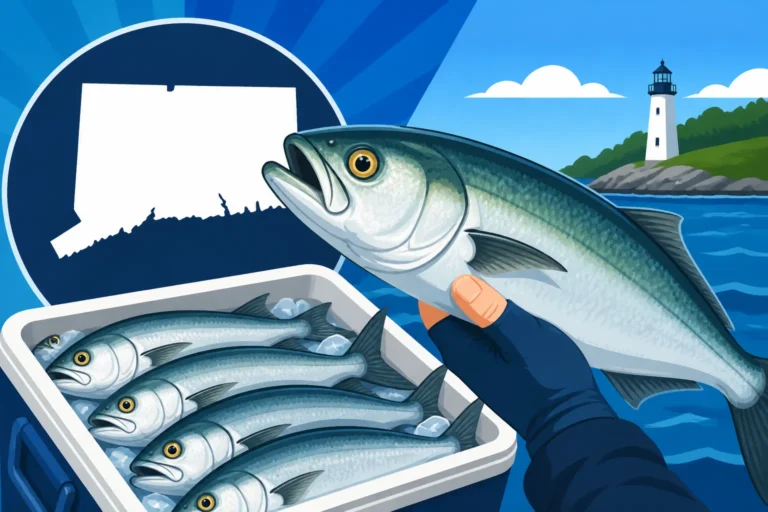
Fluke, also known as summer flounder, are a prized catch in Connecticut's Long Island Sound waters. Their firm, white meat makes them a favorite for dinner tables, but managing their population requires careful regulation. The minimum length limit isn't just some arbitrary number; it's a critical tool for ensuring these fish continue to thrive for years to come.
Why Minimum Length Limits Exist for Fluke
Imagine a garden where you harvest vegetables too early; they wouldn't have had a chance to grow to their full potential or, more importantly, drop their seeds for next season. Fishing regulations operate on a similar principle. Minimum length limits for fluke are primarily in place to protect the species' ability to reproduce and maintain a healthy population. When fluke reach a certain size, they are mature enough to spawn, contributing to the next generation of fish. Allowing them to grow to this size before being harvested means more successful spawning cycles, which ultimately leads to more fluke in our waters for everyone to enjoy.
Furthermore, length limits help prevent overfishing of juvenile fish. If anglers were allowed to keep very small fluke, the population could quickly be depleted before individuals have a chance to contribute to the gene pool. These regulations are a cornerstone of sustainable fisheries management, ensuring that recreational and commercial anglers alike can continue to pursue fluke without jeopardizing the long-term health of the stock. It's all about striking a balance between current enjoyment and future abundance.
The Current Connecticut Fluke Minimum Length Limit
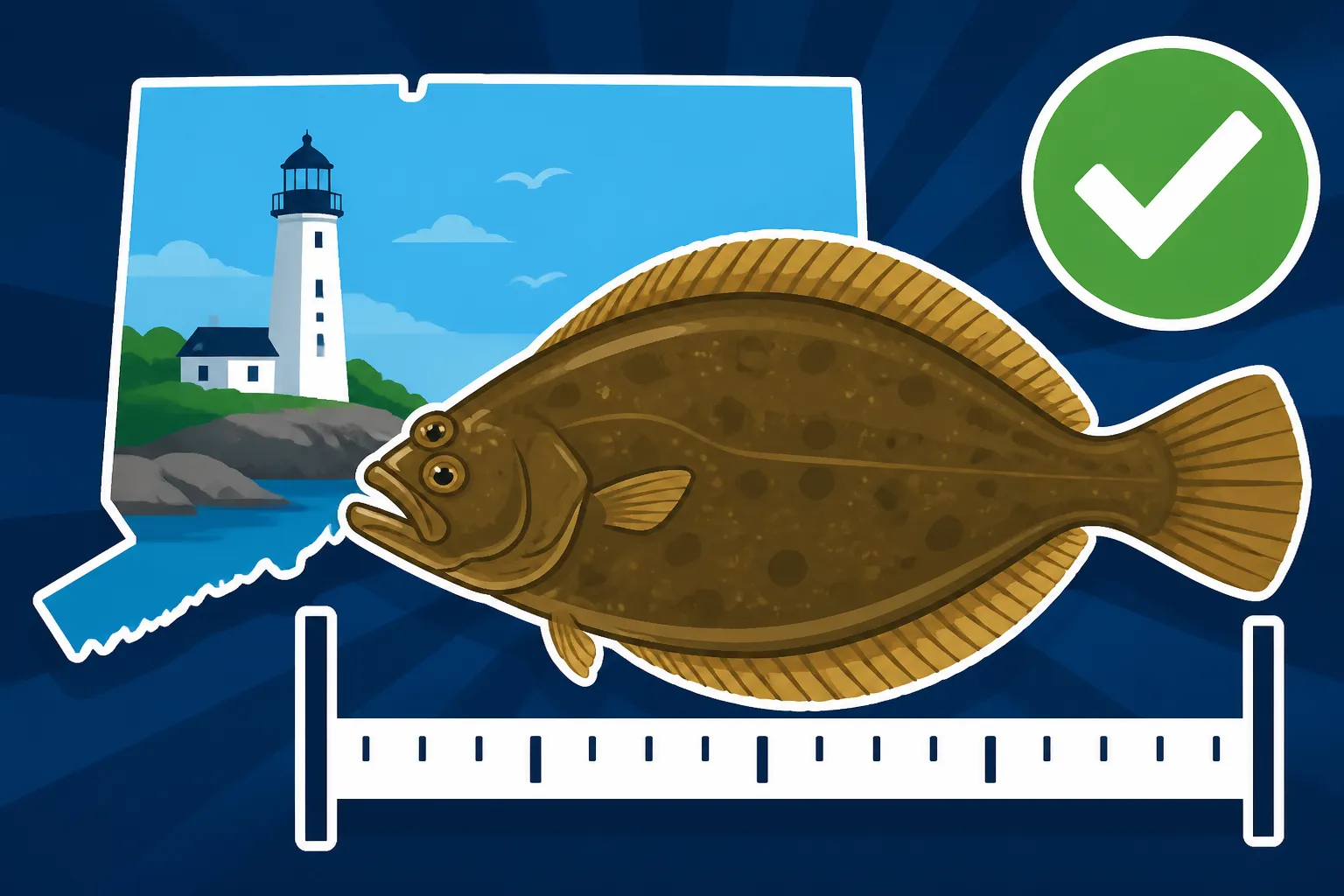
As of the current regulations, the minimum length limit for fluke (summer flounder) in Connecticut waters is generally 19 inches. This means that any fluke you catch must measure at least 19 inches from the tip of its snout to the end of its tail (while pinched) to be legally kept. Any fish shorter than this must be immediately and carefully released back into the water.
It's absolutely vital to remember that fishing regulations, especially for popular species like fluke, are subject to change based on scientific assessments of fish stocks and interstate management plans. Connecticut often aligns its regulations with those set by the Atlantic States Marine Fisheries Commission (ASMFC) and the Mid-Atlantic Fishery Management Council (MAFMC), which manage fluke populations across multiple states. This means the 19-inch limit, while current, could be adjusted in future seasons. Always double-check the latest official Connecticut Fishing Regulations Explained or specific Connecticut Fluke and Summer Flounder Regulations before heading out.
Measuring Your Fluke Correctly
Getting your measurement right is perhaps the most crucial step in adhering to the fluke length limit. It’s not just a casual guess; there's a specific technique. You need to measure the fluke from the tip of its snout (the front-most part of its head) to the end of the longest lobe of its tail, with the tail pinched together to get the maximum possible length. Many experienced anglers use a specialized fish measuring board, which typically has a stop at one end for the fish's snout and clear, easy-to-read markings along its length. These can be incredibly handy, especially the ones made of durable, waterproof plastic that won't warp or fade. You can find a good selection of these measuring boards, often with bright, contrasting numbers, on sites like Amazon.
When you land a fluke, the process should be quick and efficient to minimize stress on the fish, especially if you plan to release it. Lay the fish flat on your measuring device, making sure its mouth is closed and its snout is against the stop. Gently pinch the tail lobes together to extend them to their maximum length and read the measurement. If it's short of 19 inches, get it back in the water as quickly and gently as possible. If it meets or exceeds the limit, then congratulations!
Navigating the Nuances of Fluke Fishing Rules
Beyond just the length, there are other important aspects of fluke regulations that every angler needs to understand to fish legally and responsibly in Connecticut. These include how many fish you can keep and when you're allowed to fish for them.
Daily Creel and Possession Limits for Fluke
While the minimum length is key, it’s just one piece of the puzzle. Connecticut also imposes daily creel limits (how many fish you can keep per day) and possession limits (how many fish you can have in your possession at any given time, whether on the boat, in your cooler, or at home). For fluke in Connecticut, the daily creel limit is typically three fish per person. This means that even if you catch ten legal-sized fluke, you can only keep three of them. The remaining seven must be released.
The possession limit often mirrors the daily creel limit unless otherwise specified, meaning you can't have more than three fluke on you or in your cooler at any point during or immediately after your fishing trip. These limits are designed to spread the harvest among more anglers and prevent a few individuals from taking an excessive number of fish, further protecting the overall population. It's crucial for every angler to respect these limits, not just because it's the law, but because it contributes to a more equitable and sustainable fishery for everyone. Understanding these numbers, along with the length limits, is essential for a compliant and enjoyable fishing experience.
Season Dates for Fluke Fishing in Connecticut
Just like the length and creel limits, the season dates for fluke fishing are established to protect the species during critical periods, such as their spawning season. Typically, the fluke season in Connecticut runs from mid-May through late September or early October. However, these dates are not set in stone and can shift from year to year based on the same scientific assessments and regional management plans mentioned earlier. For instance, the exact opening and closing dates might vary by a week or two depending on the recommendations from fisheries biologists.
It's imperative to consult the official Connecticut DEEP (Department of Energy and Environmental Protection) fishing guide or website annually to get the precise Connecticut Fishing Season Dates and Closures. Fishing for fluke outside of the designated season is illegal, even if the fish meets the minimum length and you only keep the creel limit. Planning your trips around these season dates ensures you're fishing when it's permitted and when the fish are most likely to be active and available, within the bounds of conservation. You don't want to get all your gear ready, head out on the boat, and then find out you're a week too early or too late!
Special Regulations and Gear Restrictions
While fluke fishing doesn't typically have the same extensive gear restrictions as some other species (like the circle hook requirement for striped bass), it's still good practice to be aware of any special regulations. For example, some areas might have specific limitations on bait or tackle, although these are less common for general fluke fishing in Long Island Sound. The most common "gear restriction" for fluke is simply choosing gear that allows for safe and quick release of undersized fish. Using appropriate hooks and avoiding excessive handling time can greatly increase the survival rate of released fluke.
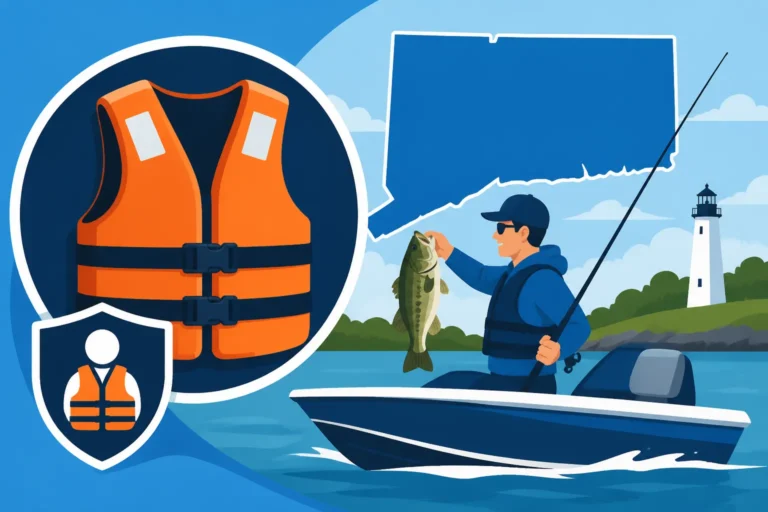
Another consideration, especially for those casting from shore or a kayak, is to choose fishing spots that are open to the public. While most of Long Island Sound Fishing Guide areas are accessible, always respect private property and check for any local ordinances that might restrict fishing from certain piers or beaches. For boaters, having all the necessary Connecticut Boating Laws for Anglers documentation and safety gear is also paramount. While not directly about fluke, it's part of being a responsible angler on Connecticut's waters.
Consequences of Not Following Fluke Regulations
Ignoring fishing regulations, whether intentionally or through ignorance, can lead to serious repercussions. The state of Connecticut takes its fisheries management very seriously, and violations can quickly turn a fun day on the water into a costly headache.
Penalties for Violations
Getting caught with undersized fluke or exceeding the daily creel limit can result in significant penalties. Typically, violations of fishing regulations in Connecticut are considered infractions or misdemeanors, depending on the severity and frequency. Penalties often include substantial monetary fines, which can range from hundreds to thousands of dollars per violation. For instance, being found with even one undersized fluke might lead to a fine that feels disproportionate to the mistake, but it's a deterrent to protect the fishery. Repeat offenders, or those committing more egregious violations, could face even harsher consequences, including the suspension or revocation of their fishing license. Imagine losing your ability to fish in Connecticut for a year or more – that's a serious consequence for something that could have been avoided by simply checking the rules.
Enforcement is carried out by Connecticut Environmental Conservation (EnCon) Police officers, who patrol both inland and marine waters. They are diligent in checking catches and licenses, so the "it won't happen to me" mentality is a risky one. Furthermore, specific commercial fishing violations carry even steeper penalties, often including forfeiture of catch, equipment, and vessel. So, understanding and adhering to the Connecticut Fishing License Guide for 2026 is just the first step; knowing the specific species regulations is equally vital.
The Importance of Conservation for Future Generations
Beyond the legal ramifications, there's a broader, more ethical reason to adhere strictly to fluke regulations: conservation. Every decision we make as anglers—whether to keep a fish, how we handle a released one, or simply how many we take—has an impact on the health of the fish population. By respecting minimum length limits, daily creel limits, and season dates, we are actively participating in the stewardship of our natural resources. This means more fluke will reach spawning age, ensuring that the population can replenish itself and remain robust.
When we practice responsible fishing, we're not just thinking about our next trip; we're thinking about the next generation of anglers. We want our children and grandchildren to have the same opportunities, or even better, to enjoy fishing for fluke in Connecticut. Conservation isn't just a buzzword; it's a collective responsibility that ensures the longevity and health of our marine ecosystems. Every angler plays a role in this, and following the rules is the simplest, most effective way to contribute positively.
Staying Informed and Prepared
The world of fishing regulations can feel like it's constantly shifting, which is why staying on top of the latest information is just as important as having the right gear. Being prepared means you can focus on the fishing, not worry about whether you're breaking a rule.
How to Access the Latest Regulations
The absolute best and most reliable source for up-to-date Connecticut fishing regulations is the official Connecticut Department of Energy and Environmental Protection (DEEP) website. They publish a comprehensive annual Angler's Guide that covers all species, including fluke. This guide is usually updated and released in the spring, well before the main fishing seasons kick off. You can often find a digital PDF version of the guide online, which you can download to your phone or tablet for quick reference on the water. Many tackle shops and outdoor retailers across the state also carry physical copies of the annual guide, which is a great option if you prefer a printed reference.
Another excellent resource is the DEEP's Fisheries Division customer service line. If you have a specific question that isn't clearly answered in the guide, don't hesitate to call them. They are there to help anglers understand the rules. Online platforms like Fishbrain or other reputable fishing forums can also be good for discussing common questions, but always cross-reference any information with the official DEEP sources. For example, if you're curious about Connecticut Saltwater Fishing Regulations by Species, the DEEP guide will have the definitive answers.
Essential Gear for Responsible Fluke Fishing
Having the right gear isn't just about catching fish; it's also about fishing responsibly and legally. For fluke, one of the most essential pieces of equipment, beyond your rod and reel, is a reliable measuring device. A sturdy, clearly marked fish measuring board, as mentioned earlier, is invaluable. Look for one that's durable, waterproof, and easy to read even when wet. Many anglers prefer models that float, just in case. You can easily find high-quality measuring devices, from simple tapes to rigid boards, on platforms like Amazon. Having one within easy reach on your boat or in your tackle bag makes measuring quick and stress-free for both you and the fish.
Beyond the measuring device, a good pair of pliers or a dehooker can be crucial for safely removing hooks, especially from undersized fish you intend to release. Minimizing handling time and damage to the fish greatly increases its chances of survival. A landing net with a rubberized mesh is also recommended, as it's gentler on fish scales and slime coats compared to traditional knotted nylon nets. Lastly, consider carrying a small, waterproof notebook or a laminated card with the current year's key regulations (like the Connecticut Fluke and Summer Flounder Regulations summary table below) to avoid any last-minute doubts while you’re out on the water.
Here's a quick summary of the current general fluke (summer flounder) regulations in Connecticut:
| Regulation Type | Limit / Date | Notes |
|---|---|---|
| Minimum Length | 19 inches | Measured from tip of snout to pinched tail. |
| Daily Creel Limit | 3 fish per person | Max 3 fish per angler per day. |
| Possession Limit | 3 fish per person | Max 3 fish in possession at any time. |
| Season Dates | Mid-May to Oct. 15 (approx.) | Always check current CT DEEP guide for exact annual dates. |
Please remember that these are general guidelines and regulations can change. It is always the angler's responsibility to consult the most current official Connecticut DEEP fishing guide before heading out.
Disclaimer
The information provided in this guide is for general informational purposes only and is subject to change. While we strive to provide accurate and up-to-date information, fishing regulations, season dates, and limits are determined by the Connecticut Department of Energy and Environmental Protection (DEEP) and can be modified at any time. It is the responsibility of every angler to consult the official Connecticut DEEP Angler's Guide or website for the most current and legally binding regulations before engaging in any fishing activity. Failure to do so may result in penalties.