Connecticut non-motorized boat registration exemption
One of the biggest headaches for anyone new to getting out on Connecticut's beautiful waters, whether for fishing or just a peaceful paddle, is figuring out what boats need to be registered and what can hit the water without all that red tape. It's easy to get bogged down in regulations, but thankfully, not every vessel requires a full registration process. This guide is here to untangle the specifics of Connecticut's non-motorized boat registration exemption, saving you time and stress so you can focus on the important stuff: enjoying the water.
Understanding Connecticut's General Boat Registration Rules
Before we dive deep into what doesn't need registration, it's helpful to understand the general landscape of boat registration in Connecticut. The rules are designed to ensure safety, facilitate emergency services, and fund the maintenance and improvement of our waterways. However, they can certainly feel like a maze at times.
Who Needs to Register a Boat in Connecticut?
Generally speaking, if your boat has a motor – any motor at all, electric or gas, regardless of horsepower – it needs to be registered with the Connecticut Department of Energy and Environmental Protection (DEEP). This applies whether you're cruising Long Island Sound in a cabin cruiser, zipping across Candlewood Lake on a personal watercraft, or even using a small electric trolling motor on your jon boat in a quiet pond. The idea is that any vessel with propulsion that isn't purely human-powered falls under this requirement. This includes kayaks and canoes with attached motors, even if the motor is detachable or rarely used. The mere ability to be motorized can sometimes trigger the requirement, so it's always best to err on the side of caution or check with the DEEP directly if you have a hybrid setup. Understanding the nuances of Connecticut Boating Laws for Anglers can prevent a lot of common issues.
The Connecticut Department of Energy and Environmental Protection (DEEP) Role
The Connecticut DEEP is the primary authority for regulating boating and fishing activities in the state. They're responsible for issuing registrations, setting Connecticut Fishing Regulations Explained, managing fisheries, and enforcing all related laws. Think of them as the stewards of our aquatic resources and recreational opportunities. Their role extends beyond just collecting fees; they use registration information to keep track of vessels on the water, which is vital for safety, environmental protection, and even for planning things like new boat launches or improvements to existing ones. They also handle things like the Connecticut Safe Boating Certificate Requirement for operators of certain vessels.
Why Registration Matters
Boat registration isn't just about bureaucracy; it serves several crucial purposes. First and foremost, it provides a unique identification number for your vessel, similar to a license plate on a car. This is incredibly important in emergencies – if your boat breaks down or you have an accident, that registration number helps first responders identify and locate you. It also aids in preventing theft and recovering stolen vessels. Secondly, the fees collected from registrations go back into maintaining Connecticut's waterways, including dredging, building and maintaining access points, and funding safety initiatives. Without these funds, our beloved lakes, rivers, and coastal waters wouldn't be as accessible or well-managed.
The Non-Motorized Boat Registration Exemption Explained
Now for the good news! For many, the idea of getting out on the water is about simplicity and connection with nature, not paperwork. Connecticut understands this, which is why there's a clear exemption for truly non-motorized vessels.
What Qualifies as "Non-Motorized" for Exemption?
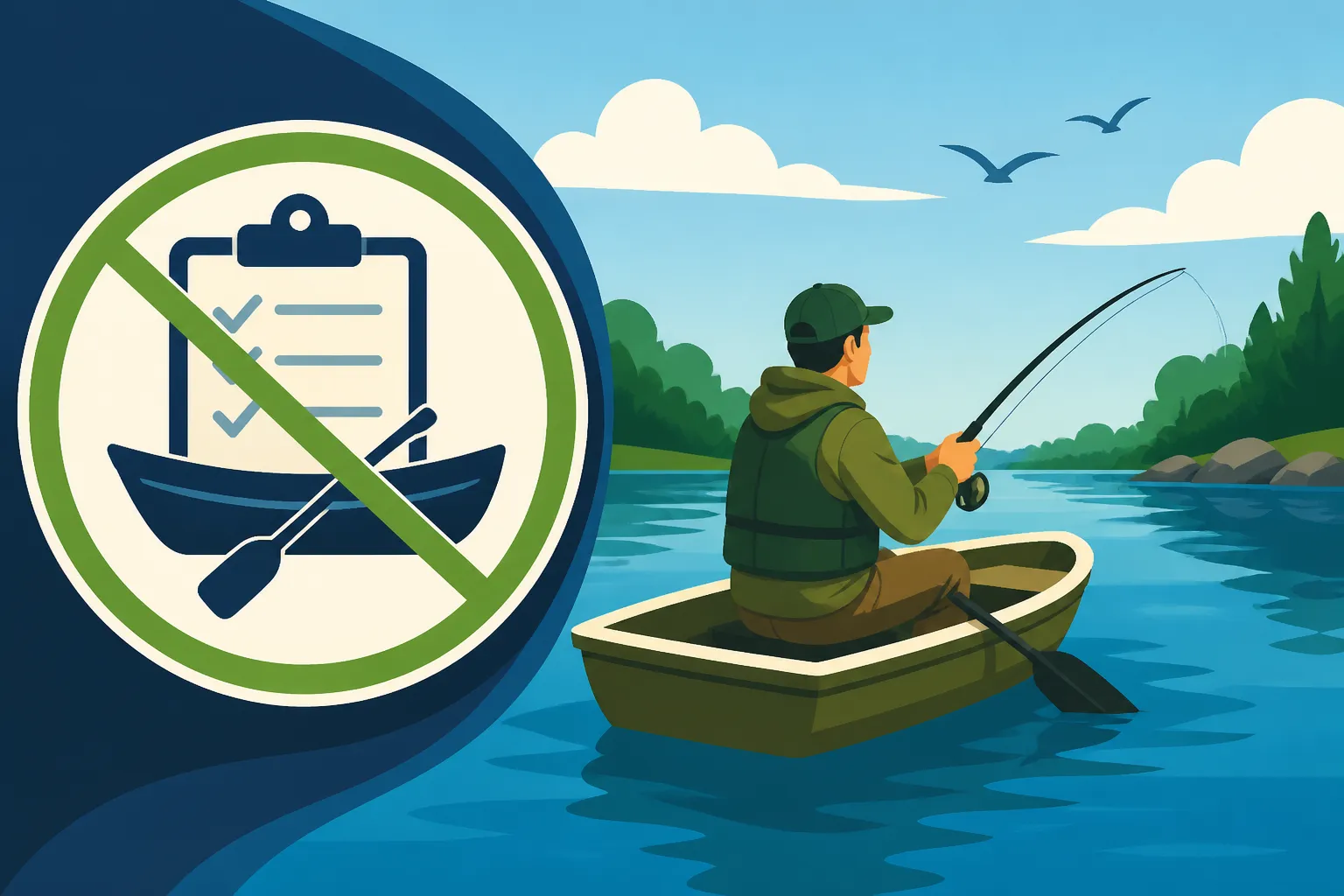
In Connecticut, the exemption from registration applies to boats that are propelled solely by human power. This is a pretty straightforward definition and covers a wide array of popular vessels. We're talking about:
- Canoes: From solo canoes perfect for quiet exploration to larger family-sized vessels.
- Kayaks: Whether you're a recreational paddler, a touring enthusiast, or a dedicated kayak angler, your human-powered kayak is exempt.
- Paddleboards (SUPs): These increasingly popular boards, propelled by a single paddle, fall squarely into the non-motorized category.
- Rowboats and Dinghies: Any small boat designed to be propelled by oars, without an engine.
- Sailboards/Windsurfers: While they use wind power, they are considered non-motorized for registration purposes.
- Sailboats without auxiliary motors: If your sailboat relies solely on wind, without an engine for backup or primary propulsion, it's exempt.
The key here is "solely by human power" or wind for sailboats. The moment you attach any kind of motor, even a tiny electric one, the exemption typically vanishes, and you'll need to look into Connecticut boat registration cost. Many anglers love to explore the Best Kayak Fishing Spots in Connecticut and will appreciate this clarity.
Size and Other Exemption Nuances
One of the common questions people have is whether there are any length or size restrictions for this non-motorized exemption. The simple answer for kayaks, canoes, paddleboards, and rowboats is generally no. If it's truly human-powered, its length usually doesn't trigger a registration requirement. You could have a 10-foot fishing kayak or a 17-foot touring canoe, and neither would typically need to be registered, as long as there's no motor involved.
However, there's a subtle but important distinction to keep in mind, particularly for sailboats. While sailboats without auxiliary motors are exempt, many larger sailboats do have small engines for maneuvering in marinas or when the wind dies. If your sailboat has any form of auxiliary propulsion, even if it's rarely used, it likely requires registration. This nuance mostly affects larger vessels; for the average recreational paddler, if you're paddling or rowing, you're good to go.
It's also worth noting that vessels used for commercial purposes, even if non-motorized, might have different requirements. For example, a livery renting out kayaks might need to meet other business regulations, though the individual kayak itself would still be exempt from personal registration.
Common Misconceptions About the Exemption
It's easy to get confused, especially with so many different types of watercraft out there. Here are a couple of common misunderstandings people have about the non-motorized exemption:
- "My trolling motor is so small, it doesn't count." This is perhaps the biggest misconception. As stated, any motor, regardless of size or power, negates the non-motorized exemption. Even a tiny electric trolling motor attached to your canoe means it's now considered a motorized vessel and needs registration. This is a critical point for anglers who might use a small electric motor to position their kayak or jon boat.
- "I only use my motor sometimes." The registration requirement isn't based on how often you use a motor, but on whether the vessel has a motor as a means of propulsion. If you have an outboard on your canoe, even if you paddle 99% of the time, that canoe needs to be registered.
- "I thought it was only for boats under X feet." As discussed, for human-powered vessels, there's generally no length cutoff for the exemption. This is a relief for those with longer kayaks or canoes that might otherwise face unexpected fees.
- "I don't need a fishing license if I'm in a kayak without a motor." This is completely unrelated. Your vessel's registration status has no bearing on whether you need a Connecticut Fishing License Guide for 2026 to fish. If you're 16 years or older and fishing in Connecticut waters, you need a license, regardless of whether you're in a registered powerboat, an exempt kayak, or standing on shore.
Practical Implications for Anglers and Boaters
The non-motorized boat registration exemption simplifies things significantly for many, but it doesn't mean a complete free-for-all on the water. There are still important responsibilities that come with enjoying Connecticut's aquatic playgrounds.
No Registration, But Still Rules: Safety Equipment
This is absolutely crucial. Just because your kayak or paddleboard doesn't need to be registered, it doesn't mean you can skimp on safety. Connecticut boating laws are very clear about required safety equipment for all vessels, regardless of registration status or whether they're motorized.
Here's a breakdown of what you'll typically need:
- Personal Flotation Devices (PFDs): Every person on a non-motorized vessel must have a Coast Guard-approved wearable PFD (life jacket) readily accessible. For anyone 12 years old or younger, it must be worn at all times while the vessel is underway. During the colder months, from October 1st through May 31st, everyone on board any canoe, kayak, or paddleboard must wear a PFD. This is known as the Connecticut Cold Water Life Jacket Rule October to May. You can find reliable PFDs and other safety gear on retailers like Amazon.
- Sound-Producing Device: You need some way to make an audible signal to alert other boaters or in case of emergency. A whistle attached to your PFD is typically sufficient for smaller non-motorized vessels.
- Visual Distress Signals (VDS): For nighttime operation, or if you're on coastal waters, specific visual distress signals might be required. For small human-powered vessels, generally, if you're operating between sunset and sunrise, you need to carry a white light (like a flashlight) that can be shown in time to prevent a collision.
- Paddle/Oar: Having a spare paddle or oar, even if you're using a kayak paddle, is always a good idea in case one is lost or breaks.
- Bailing Device: Something to remove water, like a sponge or small hand pump, is also a smart addition, especially for kayaks and canoes that can take on water.
It's always a good idea to review the comprehensive Connecticut required boat safety equipment checklist before heading out.
Where the Exemption Applies: Lakes, Rivers, and Long Island Sound
The beauty of the non-motorized exemption is its broad applicability across Connecticut's diverse waterways. Whether you're planning a serene paddle on a calm inland lake, navigating the gentle currents of a river like the Farmington, or exploring the coves and coastline of Long Island Sound, your human-powered canoe, kayak, or paddleboard typically enjoys the same exemption.
This means you can launch your kayak at a state park lake, a town launch on the Connecticut River, or a coastal access point without needing to display registration numbers or carry registration papers. This flexibility is a huge boon for outdoor enthusiasts, making it easier to spontaneously decide to hit the water. Just remember that even though the vessel is exempt, you still need to adhere to all fishing license requirements if you plan to cast a line, and respect all local ordinances regarding access and parking.
Purchasing and Selling Exempt Vessels
When you're dealing with a boat that doesn't require registration, the typical process of title transfers and registration forms goes out the window. This simplifies things but also means you need to be smart about proving ownership.
- Proof of Ownership: When buying a new kayak, canoe, or paddleboard from a retailer, you'll receive a sales receipt. Keep this receipt! It's your primary proof of ownership. If you're buying a used vessel from a private seller, ask for a bill of sale. Even a simple handwritten one detailing the buyer, seller, date, price, and vessel description (make, model, color, length, any identifying numbers like a Hull Identification Number – HIN) is better than nothing. Both parties should sign it. You won't be "titling" the boat with the state, but having this document is vital in case of theft or any dispute over ownership.
- No State Titling: Since these vessels don't register, they also don't get a state-issued title. This means private sales are generally less formal than with motorized boats, which require title transfers through the DEEP.
- Theft Prevention: Because these vessels aren't registered, they can be harder to track if stolen. Invest in good locks, store your vessel securely, and consider marking it with unique identifiers (discreetly if possible, like inside the hull) that aren't easily removed. Taking photos of your vessel and noting its HIN (if it has one) can also be helpful for insurance or recovery purposes. You might even consider a GPS tracker, some of which are quite small and available from major retailers like Amazon.
Advantages and Considerations of the Exemption
The non-motorized boat registration exemption offers clear benefits, but it also comes with a few considerations you should be mindful of.
Benefits for Recreational Users
For those who love the peace and quiet of human-powered boating, this exemption is a definite win.
- Cost Savings: No registration fees means more money in your pocket for gear, bait, or maybe even a new paddle. This isn't just a one-time saving; you avoid recurring fees, which for motorized vessels are usually annual. The costs associated with a Connecticut resident inland fishing license cost 2026 are enough, so saving on boat registration is a welcome bonus.
- Reduced Paperwork: Let's be honest, who enjoys dealing with government forms? The absence of registration means less time spent filling out applications and renewing permits, and more time actually enjoying the water.
- Ease of Access: Without the need for registration, the barrier to entry for paddle sports is significantly lowered. You can purchase a kayak or paddleboard and be on the water almost immediately, provided you have the necessary safety equipment. This ease encourages more people to get outside and explore Connecticut's incredible natural beauty.
- Simplicity: There's a certain joy in the simplicity of a non-motorized vessel. It's just you, your paddle, and the water. The exemption reflects and supports this back-to-basics approach to recreation.
Potential Drawbacks and Best Practices
While largely beneficial, there are a couple of points to consider with the exemption.
- Lack of State-Tracked Ownership: As mentioned, without registration, there's no central state database tying you to your vessel. This can make recovery of a stolen kayak or canoe more challenging.
- Best Practice: Always keep your original sales receipt. For private sales, insist on a detailed bill of sale with both parties' information and signatures. You might also want to discreetly engrave an identifying mark or your phone number somewhere less visible on the hull.
- Less Formal Enforcement (Potentially): While marine patrols absolutely have the right to stop any vessel and check for required safety equipment, the lack of a prominent registration number might, in theory, lead to less immediate identification. However, this is largely overshadowed by the benefits.
- Best Practice: Be proactive about safety. Always have your PFD, whistle, and lights (if applicable) ready and accessible. An officer will be much more concerned with your safety compliance than your lack of registration numbers. Consider affixing a sticker with your name and phone number inside the cockpit for easy identification if your boat drifts away.
- Confusion with Motorized Conversions: The rise of electric trolling motors for kayaks has blurred lines. Some anglers mistakenly believe a small motor still qualifies them for the non-motorized exemption.
- Best Practice: If you even consider adding a motor, no matter how small, assume your vessel will need to be registered. It’s always best to verify with the Connecticut DEEP to avoid fines for fishing without a license in Connecticut penalties or an unregistered boat.
Here's a quick comparison of registered vs. exempt vessels:
| Feature | Registered (Motorized) Vessels | Exempt (Non-Motorized) Vessels |
|---|---|---|
| Registration Required? | Yes (Annually renewed) | No |
| Registration Cost | Varies by vessel length/type (e.g., Connecticut boat registration cost) | None |
| Display of Numbers | Yes, on bow | No |
| Proof of Ownership | State-issued title, registration certificate | Sales receipt, bill of sale |
| Hull Identification No. | Required (for manufacture) | Usually present |
| Required Safety Gear | Yes | Yes (PFDs, whistle, lights if night, etc.) |
| Motorized Capability | Yes | No (human/wind power only) |
| Typical Vessels | Powerboats, sailboats with motors, motorized kayaks/canoes | Kayaks, canoes, paddleboards, rowboats, sailboats without motors |
Ultimately, Connecticut's non-motorized boat registration exemption is a fantastic policy that encourages responsible enjoyment of our waters. It reduces bureaucratic hurdles for those pursuing simpler forms of recreation while still requiring essential safety measures. So, grab your paddle, ensure you have your PFD, and head out to explore the amazing fishing and paddling opportunities Connecticut has to offer!
Disclaimer
The information provided in this guide is for general informational purposes only and does not constitute legal advice. While we strive to keep the information up-to-date and correct, rules and regulations can change. It is always recommended to consult the official Connecticut Department of Energy and Environmental Protection (DEEP) website or contact them directly for the most current and accurate information regarding boat registration and safety requirements.