Connecticut River Striped Bass Fishing
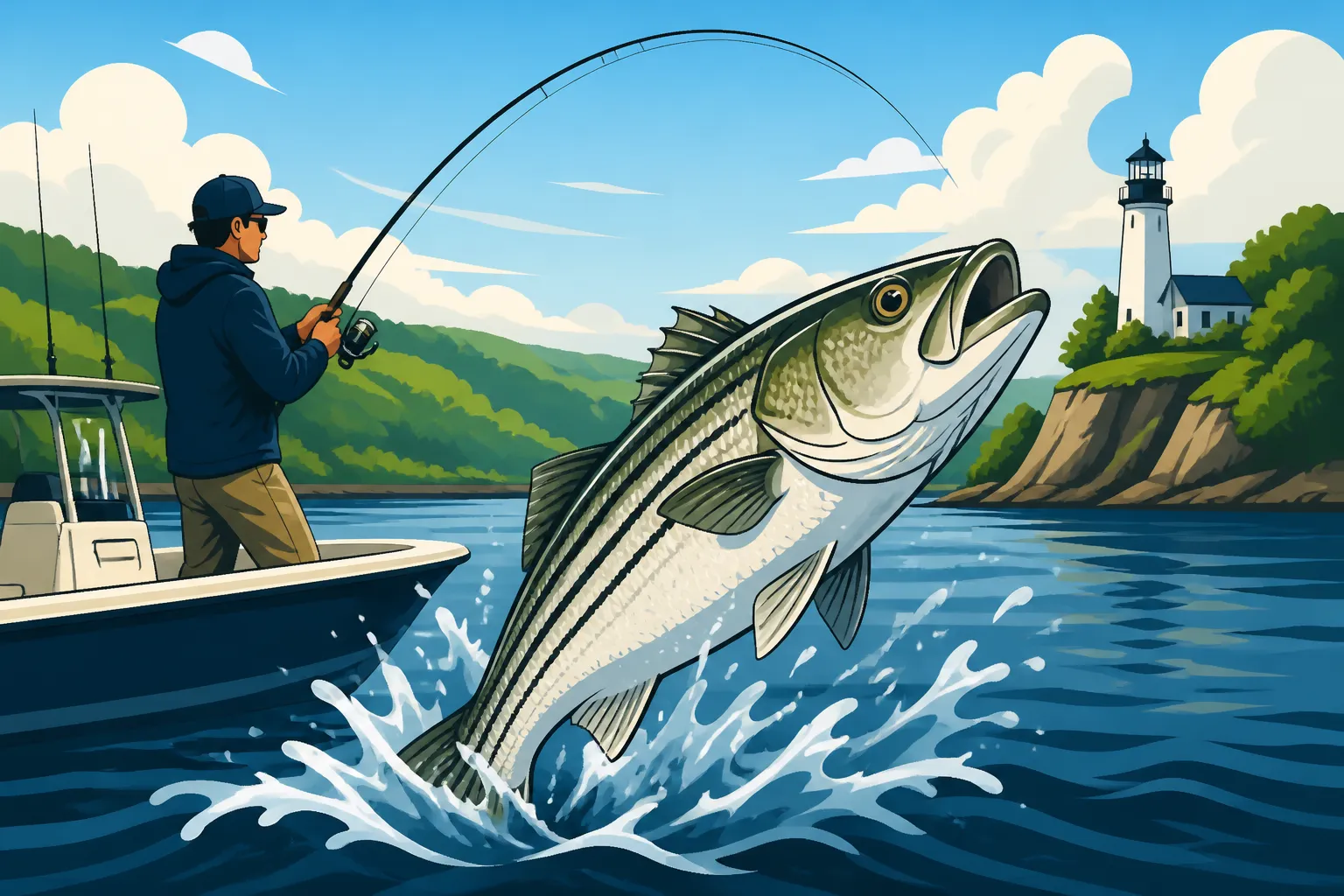
There’s nothing quite like the thrill of a hard-fighting striped bass, especially when you’re chasing them in a place as iconic as the Connecticut River. For many anglers, figuring out where and how to tackle these powerful fish in such a vast and dynamic waterway can feel overwhelming. This guide is here to cut through the confusion, offering a deep dive into successful striped bass fishing strategies specifically for the Connecticut River, from the salty stretches of Long Island Sound up into its brackish reaches.
Understanding the Connecticut River's Unique Allure for Stripers
The Connecticut River isn't just any waterway; it's a vital artery for striped bass, offering a complex blend of freshwater and saltwater influences that creates a truly unique fishery. Anglers often wonder why stripers choose this particular river, and the answer lies in its rich ecosystem and varied habitats.
Why the River Attracts Stripers
The Connecticut River is a true estuarine environment, meaning it's where the fresh waters of the river meet and mix with the salty tides of Long Island Sound. This creates a highly productive zone teeming with life, a smorgasbord for migrating striped bass. Think of it as a superhighway and a buffet all rolled into one. The fluctuating salinity levels, the constant flow of nutrients from upstream, and the deep channels carved by centuries of water flow all contribute to an environment that striped bass absolutely thrive in. They're not just passing through; they're actively feeding, resting, and often staging for their migrations further up or down the coast. The river acts as a crucial nursery for many baitfish species, like river herring and juvenile bunker (Atlantic menhaden), which are prime targets for hungry stripers. The river's dynamic nature means that conditions are always changing, which can be a challenge but also an immense opportunity for those who learn to read it.
Striped Bass Behavior in River Systems
River-dwelling striped bass often exhibit behaviors that differ significantly from their open-ocean counterparts. While ocean stripers might school tightly in vast offshore blitzes, river stripers are more accustomed to navigating currents, structure, and changes in water depth. They'll use the river's contours to their advantage, ambushing baitfish from behind bridge pilings, along channel edges, or in deeper holes where the current slows. You'll often find them congregating in areas where fresh and saltwater truly clash, creating "rip lines" where baitfish get disoriented. These fish also tend to be incredibly opportunistic, feasting on whatever is available, be it bunker, river herring, eels, or even crabs and worms stirred up by the tides. Understanding this localized behavior is key. They're generally less nomadic within the river itself, often holding in specific stretches or structures for extended periods, especially during feeding windows. This means if you find them once, there's a good chance they'll be in similar areas during similar conditions in the future.
Prime Time for Striped Bass on the Connecticut River
Knowing when to fish can be just as crucial as knowing where and how. The Connecticut River's striped bass fishery is highly seasonal, driven by the fish's annual migrations and feeding patterns. Missing these windows can mean the difference between a banner day and a frustrating skunk.
Seasonal Migration Patterns
The striped bass season on the Connecticut River truly kicks off in the spring, typically from late April into June. This is when the first waves of migrating stripers push into the lower river, following the baitfish that are heading upstream to spawn. American shad and river herring (alewives and blueback herring) are major draws during this time. The fishing can be phenomenal, with a mix of smaller "schoolie" stripers and some truly massive migratory cows. As summer progresses (July and August), some stripers will move out into Long Island Sound, but a significant population of resident and holdover fish often remains in the brackish parts of the river, seeking out cooler, deeper water or areas with strong tidal flow. The heat of mid-day can make fishing tough, but dawn and dusk, or night fishing, can be incredibly productive. The fall run, from September through November, sees another surge of activity as stripers migrate south, gorging themselves on baitfish before winter. This is another fantastic opportunity for trophy-sized fish, as they aggressively feed to build up energy reserves. By December, as water temperatures plummet, most stripers either leave the river or hunker down in deep, slow-moving holes for the winter. For specific dates and regulations, it's always wise to consult the Connecticut Fishing Season Dates and Closures guide.
Tidal Influences and Best Times
Unlike many freshwater fisheries, success on the Connecticut River for stripers is heavily dictated by the tides. The lower and mid-sections of the river are directly influenced by the twice-daily ebb and flow of Long Island Sound. Generally, the moving tides — both incoming and outgoing — are the most productive. These currents stir up bait, concentrate forage, and create ambush points for stripers.
- Incoming Tide: As the tide pushes in from the Sound, it brings in warmer, saltier water and often pushes baitfish upstream. Stripers will stage in channels, around structure, and near the mouths of creeks, waiting for bait to be carried to them.
- Outgoing Tide: As the tide drains out, it flushes baitfish from shallower flats and coves into deeper channels and into the Sound. This can create feeding frenzies, especially around points, ledges, and bridges where current is funneled.
Many experienced anglers find that the hours around dawn and dusk, particularly when they coincide with a strong moving tide, offer the absolute best chances. The low light conditions give stripers a predatory advantage. Night fishing can also be incredibly effective, especially for larger fish, as they move into shallower water under the cover of darkness. It's not uncommon for a seasoned guide found on platforms like FishingBooker to tailor trips to these optimal tidal and light windows. Slack tide, while less active, can still produce fish, especially in deeper holes where they might be resting. Always check a local tide chart for the specific section of the river you plan to fish.
Key Fishing Techniques for Connecticut River Stripers
Catching striped bass on the Connecticut River demands a versatile approach. These fish can be finicky, and what works one day might be completely ignored the next. Having a few different techniques in your arsenal will significantly increase your chances of success.
Bait Fishing Strategies
When it comes to putting a striper on the line, especially a larger one, it's tough to beat good old-fashioned bait. The river offers plenty of natural forage, and imitating that is often the most direct path to a hook-up.
- Live-lining: This is arguably one of the most effective methods for targeting bigger stripers. Live baitfish, particularly Atlantic Menhaden (bunker), eels, or river herring (where legal), are irresistible to hungry stripers. You'll want to use a strong circle hook – remember the Connecticut Circle Hook Requirement for Striped Bass – threaded through the nose or back of the baitfish. Let your live bait swim freely with the current, near structure, or along channel edges. The key is to keep them lively! If you're on a boat, a good livewell is indispensable. Shore anglers might use a bucket with an aerator.
- Chunking: When live bait is scarce or difficult to obtain, chunking can be highly effective. This involves cutting up fresh baitfish (again, bunker is king, but mackerel or even legal portions of legal-sized striped bass can work) into sections and drifting them on the bottom or suspending them under a float. The scent trail that chunk bait leaves in the current is a powerful attractant. Use a fish-finder rig or a simple snelled hook with an egg sinker just above the leader.
- Clamming/Worming: While less common for targeting large trophy stripers, soft baits like sandworms or fresh clam can be deadly for smaller schoolie stripers, especially in the spring. These baits are naturally found in the river's mud and sand flats and represent an easy meal. This method is particularly popular for shore-bound anglers who might not have access to live bait or the gear for heavy chunking.
Lure and Artificial Presentation
For those who prefer the active pursuit of casting and retrieving, artificial lures offer an exciting way to target Connecticut River stripers. The key is to match the hatch, or at least present something that looks and acts like the available forage.
- Soft Plastics: These are incredibly versatile. Paddle tails, soft jerkbaits, and swim shads rigged on jig heads are excellent for mimicking baitfish. Colors like white, pearl, chartreuse, and olive green are perennial favorites. Vary your retrieve, from a steady reel to a jigging motion, to see what the fish prefer on any given day. Heavier jig heads are often needed to get down in the river's current.
- Plugs and Hard Baits:
- Topwater Plugs: Spooks, poppers, and walk-the-dog style lures create a commotion on the surface that can trigger explosive strikes, especially during low light conditions or when stripers are actively feeding on the surface.
- Minnow Plugs/Swimbaits: Brands like Bomber, Daiwa, and Rapala make excellent lures that imitate slender baitfish. These are great for casting and retrieving, or even slow trolling. Deeper diving models can reach stripers holding in deeper channels.
- Lipless Crankbaits/Vibration Baits: These lures have a tight wiggle and can be retrieved at various depths. They're especially good for covering water and eliciting reaction strikes.
- Jigs: Bucktail jigs are a classic for a reason. Tipped with a pork rind or a soft plastic trailer, they can be bounced along the bottom or jigged through the water column to imitate a wide range of bait. Small metal jigs can also be effective when fish are chasing smaller bait. Fly anglers can also find immense success with patterns like deceivers or clousers that imitate baitfish; you can learn more about this in our guide on Fly Fishing for Trout in Connecticut, though the patterns will differ for stripers.
Fishing from Shore vs. Boat
The Connecticut River offers fantastic opportunities for both shore and boat anglers, each with its own advantages and challenges.
- Shore Fishing: Many sections of the Connecticut River offer public access for shore anglers, particularly in the lower estuary. You can target stripers from beaches, jetties, docks, and bridges (where permitted). Shore fishing is often more accessible and budget-friendly, requiring less gear. The challenge is covering water and reaching fish that might be holding further offshore. Long casting rods are a must, and understanding where the current brings bait within casting range is critical. Popular areas include the mouth of the river, near Fort Saybrook, and various state parks with river access. Check out Best Shore Fishing Spots in Connecticut for more ideas.
- Boat Fishing: Having a boat opens up a world of possibilities, allowing you to access deeper channels, mid-river structure, and cover more ground. You can drift live bait, troll plugs, or motor to prime locations. However, boating on the Connecticut River requires adherence to Connecticut Boating Laws for Anglers and careful navigation, especially in the busy lower estuary. Tide and current management are paramount. A good fish finder can also be invaluable for locating schools of bait and stripers holding below. If you don't own a boat, consider booking a charter through a service like FishingBooker, which connects you with experienced captains who know the river's nuances.
Top Fishing Spots and Access Points on the Connecticut River
The vastness of the Connecticut River can be intimidating, but knowing where to focus your efforts can make all the difference. While stripers can be found throughout the lower and even mid-river, certain areas consistently produce.
Lower River Estuary Hotspots
The lower reaches of the Connecticut River, where it meets Long Island Sound, are arguably the most productive for striped bass. This is where the buffet is richest and the migration routes converge.
- The Mouth of the River (Old Saybrook/Old Lyme): This is ground zero for incoming stripers. The deep channels, rocky jetties, and expansive flats here hold a tremendous amount of bait. Target the main channel where it narrows, the rips formed by the incoming and outgoing tides, and the various coves and creek mouths that feed into the main stem. Anglers often troll with Mojo rigs or live-line bunker through these areas. Shore anglers can find success casting from the jetties at Hammonasset Beach State Park (just west of the mouth, technically not on the river but close enough to be influenced) or other public access points in Old Saybrook and Old Lyme.
- Essex and Hamburg Cove: Further upstream, the waters around Essex and the expansive Hamburg Cove offer excellent opportunities. Hamburg Cove, in particular, is a large, protected area with numerous smaller creeks and shallow flats that warm up quickly in spring, attracting baitfish and subsequently stripers. Fish the channel edges leading into and out of these coves, as well as the deeper holes around navigational markers.
- Depths and Structure: Look for distinct depth changes, rock piles, submerged humps, and current seams. The charts will show numerous areas where the river bottom drops off or features structure. Stripers love to hold on these features, waiting to ambush prey. The areas around "The Gut" and other narrow passages where current accelerates are also prime.
Upriver Stretches and Brackish Water
While the lower estuary gets most of the attention, don't overlook the upriver stretches, particularly where the water becomes increasingly brackish. Stripers will push surprisingly far upstream, especially during the spring bait runs.
- Middletown to Hartford (and beyond in spring): During the spring, as river herring and shad make their spawning runs, stripers will follow them well past Middletown, sometimes even past Hartford. These fish are typically aggressive and focused on feeding. Look for them around bridges, deeper bends in the river, and the mouths of tributaries like the Salmon River. The current is stronger here, so heavier tackle might be needed.
- Bridge Pilings and Docks: Any significant structure in the river can hold stripers. Bridge pilings break the current and create eddies where fish can rest and feed. Docks and marinas offer shelter and often have baitfish congregating around them. Approach these spots cautiously, as boat traffic can be heavy, especially in populated areas.
- Tributary Mouths: Small creeks and rivers flowing into the Connecticut River are natural highways for baitfish. Stripers will often sit at the mouth of these tributaries, waiting for the outgoing tide to flush out an easy meal. This is particularly true during spring when river herring are migrating upstream into these smaller waterways.
Public Access and Boat Launches
Accessing the Connecticut River for fishing is relatively straightforward, with numerous public boat launches and shore access points.
- Boat Launches: The State of Connecticut Department of Energy and Environmental Protection (DEEP) maintains several excellent boat launches along the Connecticut River. Key examples include:
- Fort Saybrook Boat Launch (Old Saybrook): Excellent access to the mouth of the river and Long Island Sound.
- Deep River Boat Launch: Provides good access to the mid-lower river.
- Haddam Meadows State Park Boat Launch: Further upstream, offering access to different river sections.
- Ferry Road Boat Launch (Rocky Hill): A popular spot further north, especially during the spring runs.
- You can find a comprehensive list and maps on the DEEP website.
- Shore Access: Many town parks, state parks (like Haddam Meadows State Park or Gillette Castle State Park), and public lands offer shore access. Just be sure to respect private property and be aware of any local regulations. Some bridges have pedestrian walkways that allow for fishing, but always check local ordinances. Don't forget, if you're looking for a guided trip, platforms like FishingBooker can help you find captains who launch from various points along the river and know the best access for different conditions.
Essential Gear and Tackle for River Stripers
Getting the right equipment is paramount for tackling striped bass in the Connecticut River's diverse conditions. You wouldn't bring a butter knife to a sword fight, and fishing for stripers is no different – you need the right tools for the job.
Rods, Reels, and Line Selection
Your setup needs to be robust enough to handle powerful runs and the challenging currents of the river.
- Rods: For most Connecticut River striper fishing, a medium-heavy to heavy action spinning or conventional rod is ideal.
- Boat Anglers: A 7 to 8-foot rod with a fast action provides enough backbone for fighting larger fish and casting heavier lures or baits. Brands like St. Croix, Tsunami, or Ugly Stik offer excellent options.
- Shore Anglers: For casting from shore, especially with heavier lures or bait, an 8 to 11-foot surf-casting rod is often preferred. This extra length allows for longer casts to reach fish holding further out. Consider models from Tsunami, Penn, or Lamiglas.
- Reels: Pair your rod with a durable, saltwater-resistant reel.
- Spinning Reels: Look for sizes in the 5000-8000 range (e.g., Penn Battle, Shimano Spheros, Daiwa BG) that can hold a good amount of line and have a smooth, reliable drag system.
- Conventional Reels: For chunking, live-lining heavy baits, or trolling, a conventional reel (like a Penn Squall or Shimano Tekota) in a 20-30lb class is an excellent choice, offering superior winching power.
- Line:
- Braided Line: This is the go-to for most striper anglers. It offers incredible strength-to-diameter ratio, no stretch (for better feel and hook sets), and excellent casting distance. Use 30-50 lb test for most applications, going up to 60-80 lb for really heavy cover or trophy hunting. Brands like PowerPro or Daiwa J-Braid are popular.
- Monofilament Leader: Always use a fluorocarbon or heavy monofilament leader (30-80 lb test) at the end of your braided main line. Stripers have rough mouths and gill plates that can fray braid, and the clarity of fluorocarbon can be an advantage in clearer water. The length of your leader can vary, from 3 feet for jigs to 6-8 feet for live lining or chunking.
Terminal Tackle and Baits
Having the right bits and pieces at the end of your line is crucial for a successful hook-up.
- Hooks: As mentioned, Connecticut Striped Bass Slot Limit and Season regulations now mandate circle hooks for striped bass when using bait. Make sure you have a good selection of strong, sharp circle hooks in sizes from 6/0 to 9/0, depending on your bait size. Gamakatsu, Owner, and Mustad all make excellent circle hooks. For artificial lures, traditional J-hooks are generally fine.
- Weights: You'll need an assortment of lead or tungsten weights to get your bait down in the current. Egg sinkers (1-6 oz), bank sinkers (2-8 oz), and pyramid sinkers (for surfcasting) are all useful.
- Swivels: Heavy-duty barrel or ball-bearing swivels (100-150 lb test) are essential for preventing line twist and connecting your main line to your leader.
- Snaps: Quality snap swivels make changing lures quick and easy. Choose strong, reliable ones.
- Popular Baits: Fresh bunker (Atlantic menhaden) is king, whether live or chunked. Eels are also phenomenal, especially for larger stripers at night. Sandworms and clam are excellent for schoolies. Always check local tackle shops for the freshest bait and what's currently working.
- Artificials: Keep a variety of colors and sizes of soft plastics (like Z-Man or Gulp! swim shads), topwater plugs (e.g., Yo-Zuri Sashimi, Heddon Super Spook), and minnow plugs (e.g., Bomber Long A, Rapala X-Rap) on hand. Don't forget a few bucktail jigs (white, chartreuse, olive).
Boating and Safety Equipment
For boat anglers, safety is paramount on the Connecticut River, especially with its strong currents and significant boat traffic.
- Life Jackets: Everyone on board must have an accessible, Coast Guard-approved life jacket. In Connecticut, children under 13 must wear one at all times while underway. Furthermore, the Connecticut Cold Water Life Jacket Rule October to May requires everyone on small boats (under 21 feet) to wear a life jacket from October 1st to May 31st.
- Navigation: A reliable GPS and chart plotter are invaluable for navigating the river, especially at night or in foggy conditions. Familiarize yourself with the main channels, shoals, and hazards.
- Anchor and Rode: A properly sized anchor with enough rope (rode) to hold your boat in strong currents is critical. You might need a heavier anchor than you'd typically use in a lake.
- Lights and Sound-Producing Device: Ensure your navigation lights are functional, and carry a horn or whistle.
- VHF Radio: A VHF radio is highly recommended for communication with other boats and emergency services, especially if you venture into the Sound.
- Cooler and Ice: For keeping your catch fresh (if you plan to keep legal fish) and for storing drinks and snacks.
- Sun Protection: Sunscreen, hat, and polarized sunglasses are a must for long days on the water.
This comprehensive setup will ensure you’re well-prepared for whatever the Connecticut River and its striped bass throw your way.
Regulations and Conservation for Connecticut River Striped Bass
Fishing for striped bass in the Connecticut River, like any other fishery, comes with a responsibility to understand and adhere to the regulations. These rules are in place to ensure the sustainability of the fishery for future generations. Ignoring them isn't just illegal; it's detrimental to the resource we all cherish.
Understanding Current Striped Bass Regulations
Connecticut's striped bass regulations are set by the Connecticut DEEP and often align with regional management plans developed by the Atlantic States Marine Fisheries Commission (ASMFC). These regulations can change, so always consult the most current official Connecticut Fishing Regulations Explained or the annual Connecticut Angler's Guide.
Here's a general overview of what you'll typically need to consider, though specific numbers can and do vary year to year:
| Regulation Aspect | Typical Requirement (Always Verify Current Year) |
|---|---|
| Fishing License | Required for all anglers 16 and older. Connecticut Fishing License Guide for 2026 is essential. |
| Minimum Size Limit | Often a "slot limit" (e.g., 28 to less than 31 inches total length). Fish outside this slot must be immediately released. |
| Daily Creel Limit | Usually one fish per person per day. |
| Season | Generally open year-round, but specific restrictions may apply during certain periods. |
| Circle Hooks | Mandated when fishing with bait. This rule is crucial for reducing gut-hooking mortality. |
| Possession Limit | Similar to the daily creel limit; you cannot possess more than the daily limit. |
The slot limit is particularly important for striped bass. It's designed to protect both the smaller, juvenile fish and the large, mature breeding females, allowing them to reproduce and sustain the population. Fish that are too small or too large must be released carefully and immediately. This specific regulation is detailed further in our Connecticut Striped Bass Slot Limit and Season guide.
Responsible Angling and Catch and Release
Beyond simply following the rules, every angler has a role to play in conservation. Responsible angling practices, especially for a species as sensitive as striped bass, ensure that these magnificent fish continue to thrive.
- Minimizing Handling: When you catch a striped bass, try to minimize the time it spends out of the water. If you plan to release it, avoid dragging it onto sand or rocks, which can remove its protective slime coat.
- Wet Hands Only: If you must handle the fish, wet your hands thoroughly first to further protect its slime coat.
- Support the Fish: When lifting a fish for a quick photo, support its belly. Never hold a large striper solely by its jaw, as this can damage its internal organs and spine.
- Quick Release: Have your camera ready, snap a quick photo if desired, and then release the fish promptly.
- Revival Techniques: If a fish looks sluggish or stressed, gently hold it upright in the water, facing into the current. Move it back and forth slightly to push water over its gills until it regains strength and swims away on its own.
- De-hooking Tools: Carry de-hooking tools like long-nosed pliers or a specialized de-hooker. These allow you to remove hooks quickly and with minimal stress to the fish, especially important with the mandatory circle hooks.
- Avoid Over-fighting: While it's fun to battle a big fish, try to land it as efficiently as possible without completely exhausting it, particularly in warmer water when oxygen levels are lower. This improves its chances of survival after release.
Practicing these responsible angling techniques, along with always verifying the latest regulations (perhaps through resources easily found via a quick search or consulting a local expert on FishingBooker before your trip), helps ensure that the thrilling experience of catching a Connecticut River striped bass remains a possibility for all anglers for years to come.
Disclaimer
Always consult the official Connecticut Department of Energy and Environmental Protection (DEEP) website or current Angler's Guide for the most up-to-date regulations, as fishing rules and seasons can change. This guide provides general information and should not be considered legal advice.