Farmington River trophy trout section access
Fishing the Farmington River's renowned trophy trout section can be an incredibly rewarding experience, but figuring out exactly where to go and how to access these prime spots can feel like a real puzzle. Many anglers, myself included, have spent countless hours driving around, looking for that perfect parking pull-off or hidden trail, only to feel frustrated. This guide aims to clear up that confusion, offering a detailed look at the best access points and what you need to know before you cast a line in this exceptional fishery.
Understanding the Farmington River Trophy Trout Area
The Farmington River is often hailed as one of the Northeast's premier trout streams, and a big part of that reputation comes from its special "Trophy Trout Management Area." But what exactly does that mean for you as an angler, and where does this magical stretch of water actually begin and end? It’s not just any old section of river; it's a carefully managed habitat designed for growing big, smart, wild-like trout.
What Makes It a "Trophy" Section?
You might hear a lot of buzz about "trophy" waters, and the Farmington River's designation truly lives up to the name. Unlike many rivers that are simply stocked with catchable-size trout for immediate harvest (often called "put-and-take" fisheries), the Farmington's trophy sections are managed specifically to foster larger, more challenging fish. We're talking about robust brown trout and rainbow trout that have either grown to impressive sizes as holdovers from previous stockings or, increasingly, are wild fish that have naturally reproduced and thrived in the river's rich environment.
The management here focuses on ensuring these fish have the opportunity to grow big and strong. This means special regulations that often include mandatory catch-and-release, the exclusive use of artificial lures or flies, and often single, barbless hooks. The idea is to reduce mortality, allow fish to age and reach trophy dimensions, and create a truly sustainable fishery. For anglers, this translates into a much higher chance of hooking into a truly memorable fish – a 20-inch brown that puts up an incredible fight, or a fat rainbow that leaps clear of the water. It’s a completely different experience than fishing a typical stocked pond, demanding more skill, patience, and often, more specialized gear. This focus on quality over quantity is what draws so many dedicated anglers, making it a true gem among Best Fly Fishing Rivers in Connecticut.
Key Boundaries and Designated Zones
Navigating the Farmington River means understanding its distinct sections, as regulations can vary significantly. The most famous "Trophy Trout Management Area" begins directly below the Goodwin Dam in Riverton, marking the start of a cold, oxygen-rich flow that is ideal for trout year-round. This crucial stretch then continues downstream, primarily through the towns of Riverton and New Hartford, extending generally to the Satans Kingdom Recreation Area, though specific boundaries are always best confirmed in the official Reading the Connecticut Fishing Guide.
Within this larger trophy zone, you'll find different sub-sections with specific rules. For instance, the section from Goodwin Dam downstream to the Route 219 bridge in New Hartford is often the most restrictive, frequently designated as "Trout Management Area" (TMA) or "Trophy Trout" with strict artificials-only, catch-and-release rules in place for much of the year, if not year-round. Further downstream, some sections might transition to "Trout Management Catch and Release" (TM C&R), or even "Trout Management Area" (TMA) which could have seasonal harvest rules. Always, always double-check the current regulations for the precise stretch you plan to fish, as these can change year-to-year. The Farmington River West Branch Trout Fishing article can provide even more detail on specific stretches, but the takeaway here is that you're looking for that pristine, heavily regulated water that consistently holds big fish. Knowing these boundaries is paramount to a successful and legal outing on this magnificent river.
Premier Public Access Points
One of the biggest hurdles for any new angler on a storied river like the Farmington is simply knowing where to get in. It can feel like a secret club, right? Well, let's pull back the curtain on some of the most well-known and productive public access points that will get you onto the Farmington River's trophy trout section.
Popular Parking and Entry Areas
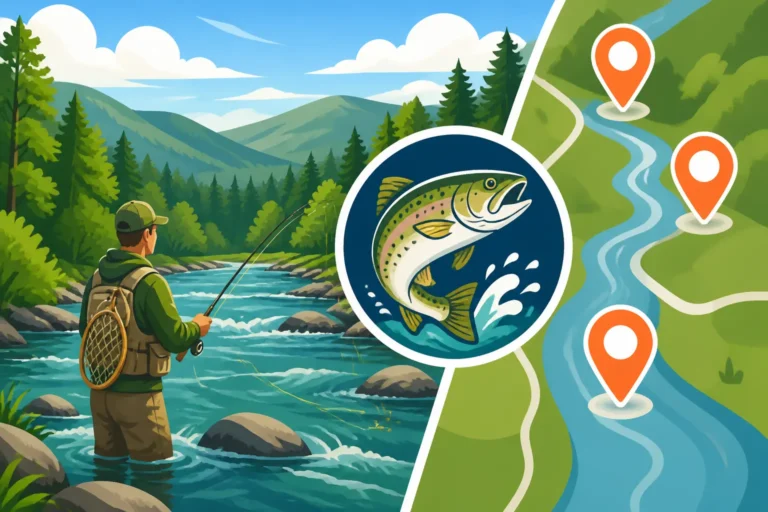
The Farmington River is blessed with a decent amount of public access, largely thanks to land managed by the Connecticut DEEP and various land trusts. Here are some of the go-to spots, starting from the uppermost trophy sections:
- Goodwin Dam/Hogback Dam: This is ground zero for many. Located right in Riverton, just below the impressive Goodwin Dam, you'll find ample parking areas on both sides of the river near the base of the dam and along Hogback Road. This provides immediate access to some of the coldest, most consistently flowing water, often considered the heart of the trophy area. It's fantastic for wading and offers a mix of faster runs and deeper pools. Expect company, especially on weekends, but the fishing can be exceptional.
- Riverton Green and Town Bridge Area: Just a short drive downstream from the dam, the charming village of Riverton offers several public access points. You can often find parking near the Riverton Green and walk to the river. There are also designated pull-offs along Riverton Road (Route 20) and near the bridge itself. This section still holds plenty of trophy fish and offers a slightly different character of water, often with more structured banks and slower, deeper bends.
- Whalebone Bridge (Route 318/Greenwoods Road West): This iconic spot, easily identified by the old iron bridge on Greenwoods Road West (Route 318), is hugely popular. There's often parking on the shoulders nearby, but it fills up fast. The "Whalebone" offers excellent wading opportunities, diverse holding water, and is a favorite among fly anglers. Because of its popularity, you'll want to arrive early, especially during prime seasons. Be aware that this area can get quite busy, so practicing good Wading Techniques for Connecticut Trout Streams and angler etiquette is a must.
- Route 219 Bridge (New Hartford): As you continue downstream, the bridge on Route 219 in New Hartford provides another key access point. There are small parking areas nearby, allowing access to both upstream and downstream sections. This marks a transition zone in the river's character, and while still very much trophy water, it can feel a bit less crowded than the upper reaches directly below the dam.
- Pleasant Valley Campground Area (Route 318): Further downstream along Route 318, opposite the Pleasant Valley Campground, you'll find a few pull-offs and paths leading to the river. This section is generally very wadeable and can offer some fantastic fishing, particularly if you're willing to walk a bit. It’s a great option if you want to escape some of the crowds found at the more famous spots.
When parking, always pay close attention to signs. Respect private property, and if a spot looks questionable, it’s best to move on. Local knowledge from shops like UpCountry Sportfishing in Pine Meadow or Farmington River Outfitters can also be invaluable for current conditions and less-known access points.
Wade vs. Bank Fishing Opportunities
The Farmington River's trophy section is primarily a wading fishery, and for good reason. The riverbed is a mix of gravel, cobble, and larger rocks, creating diverse current seams, riffles, and pockets where trout love to hold. Wading allows you to meticulously cover these areas, present flies or lures effectively, and truly immerse yourself in the environment. However, wading isn't without its challenges. The rocks can be incredibly slippery, requiring sturdy felt-soled or rubber-soled wading boots with studs, along with a reliable wading staff for stability. The current can also be deceptively strong, especially after heavy rains or increased releases from Goodwin Dam. Always prioritize safety: know your limits, scout your path, and never wade alone if possible. For comprehensive details on safety and technique, check out Wading Techniques for Connecticut Trout Streams.
While wading dominates, there are certainly opportunities for bank fishing, particularly for those who prefer not to don waders or have mobility limitations. The Riverton Green area, for example, offers some accessible grassy banks where you can cast into slower pools or the edges of runs. Similarly, certain stretches along Riverton Road or near larger parking areas might have clear paths to the bank, allowing for comfortable casting. These spots might not offer the same extensive coverage as wading, but they can still be highly productive, especially during periods of higher water when wading can be difficult or dangerous. Anglers using spin gear often find these bank-accessible spots quite productive, casting small spinners or jigs. Look for areas with slower currents, deeper pockets close to the bank, or overhanging cover that might provide shelter for fish. Regardless of your chosen method, remember that a good pair of polarized sunglasses is indispensable for spotting fish and structure, enhancing both your experience and your safety.
Navigating Special Regulations and Conservation
The Farmington River's designation as a Trophy Trout Management Area isn't just a fancy title; it comes with a strict set of rules designed to protect its valuable fish population and ensure the longevity of this incredible fishery. Understanding and adhering to these regulations is crucial for every angler.
Catch and Release Rules and Tackle Restrictions
The cornerstone of the Farmington's trophy sections is the emphasis on catch and release. For the most part, especially in the prime areas below Goodwin Dam down through New Hartford, you'll be fishing under mandatory catch-and-release rules, often year-round. This means every fish you catch must be carefully and immediately returned to the water unharmed. This regulation is vital for allowing trout to grow to impressive sizes and contributes significantly to the river's reputation for producing large fish.
Accompanying the catch-and-release mandate are specific tackle restrictions. Typically, only artificial lures and flies with single, barbless hooks are permitted. This rule is in place to minimize harm to the fish. Barbless hooks make removal easier and reduce tissue damage, improving the fish's chances of survival after release. If you're using flies, make sure they are artificial and have no added bait or scent. For spin fishermen, this means no live bait, no scented plastics, and any lure with treble hooks must have them swapped out for single, barbless hooks. Using pliers to crimp down the barbs on your hooks is a quick and easy way to comply. Never try to skirt these rules; wardens are often present, and the penalties for non-compliance can be significant. It's always best to consult the official Connecticut Fishing Regulations Explained for the most current and specific details for the exact stretch of river you're targeting. These detailed rules are a testament to the commitment to maintaining a world-class trout fishery.
Seasonal Considerations and Environmental Factors
While the Farmington River's trophy sections offer year-round fishing, conditions can change dramatically with the seasons, impacting both fish behavior and angler access. Understanding these dynamics is key to a successful and responsible fishing trip.
Spring (March-May): Spring, especially after the snowmelt, often brings higher water levels and potentially swift currents. While this can make wading challenging, it also flushes out insects and nutrients, energizing the trout. This is a prime time for strong fish, but anglers must be cautious of cold water and high flows. March and April see heavy insect hatches (like stoneflies and caddis), offering fantastic fly fishing opportunities. However, the exact Best Time of Year to Fish in Connecticut for trout can vary slightly depending on water temperature.
Summer (June-August): As summer progresses, water temperatures can rise. The Farmington, being a tailwater fishery fed by the cold bottom releases from Goodwin Dam, typically maintains cooler temperatures than freestone rivers, making it a crucial thermal refuge for trout during hot spells. However, during prolonged heatwaves and low flow periods, even the Farmington can warm up, stressing the fish. Anglers should consider early morning or late evening fishing during these times. If water temperatures approach 70°F, it's often best to give the trout a break and avoid fishing entirely, as even proper catch-and-release can be lethal under high stress. Pay attention to local reports from fly shops or the CT DEEP.
Fall (September-November): Fall is arguably one of the most beautiful and productive times to fish the Farmington. Water temperatures cool, trout become more active, and spawning urges for brown trout can lead to aggressive behavior. The vibrant foliage adds to the serene experience. Water levels usually stabilize, making wading more comfortable. This is a fantastic time to pursue larger fish.
Winter (December-February): Don't discount winter! While certainly colder and requiring more layers, the Farmington often remains open and fishable, especially on milder days. The fish are less active but can still be caught by patient anglers using nymphs or streamers in deeper, slower pools. Ice can form along the banks, making access tricky, but the river itself rarely freezes over in the trophy sections due to constant flow.
Beyond the seasons, flow rates from Goodwin Dam are a critical environmental factor. The DEEP manages these releases, and high flows can make wading impossible and fishing difficult. Always check the USGS water flow gauges (like the one at Riverton) before heading out. A flow of 300-600 cubic feet per second (cfs) is generally considered good and safe for wading, while anything over 700 cfs can be challenging, and above 1000 cfs, potentially dangerous. Understanding these flow rates is as important as knowing your knots.
Maximizing Your Experience on the Farmington
Fishing the Farmington River's trophy section is more than just catching fish; it's about soaking in the natural beauty, challenging your skills, and respecting a truly special environment. To make the most of your time on this exceptional water, a little preparation and insight go a long way.
Local Tips and Guide Services
When you’re tackling a river as nuanced and productive as the Farmington, local knowledge is an undeniable advantage. My first few trips felt like guesswork, but chatting with seasoned anglers and local experts made all the difference. One of the best initial steps you can take is to visit or call local fly shops, such as UpCountry Sportfishing in Pine Meadow or Farmington River Outfitters in New Hartford. These shops are not just places to buy gear; they are hubs of up-to-the-minute information on water levels, recent hatches, effective fly patterns, and where the fish are holding. The folks working there are often avid Farmington anglers themselves and are usually more than happy to share insights, helping you pinpoint the best Fly Patterns for Connecticut Trout Streams for current conditions.
For those who are new to the river, or even experienced anglers looking to hone their skills or discover new water, hiring a professional guide is an investment that pays dividends. A local guide knows the river like the back of their hand—they understand its every riffle, run, and pool, and how trout react to changing conditions. They can teach you specialized techniques for fishing the Farmington, help you navigate challenging currents, and even take you to less-pressured spots that are hard to find on your own. Many excellent Farmington River guides list their services on platforms like FishingBooker, making it easy to find and book an experienced professional. A guided trip isn't just about catching fish; it's an educational experience that can drastically shorten your learning curve and boost your confidence. If you're considering this, check out Best Guided Fly Fishing Trips on the Farmington River for more specific advice. It truly unlocks the river's secrets.
Respecting the Resource and Other Anglers
Being able to fish such a pristine and productive river like the Farmington is a privilege, and with that comes a responsibility to protect it for future generations and to ensure everyone has an enjoyable experience. Adhering to Leave No Trace principles is non-negotiable. This means packing out everything you pack in, including discarded fishing line, food wrappers, and anything else you might bring. Don't leave any trash, no matter how small, on the banks or in the water. Keep the river clean and beautiful for everyone.
Angler etiquette is also vital, especially on a popular river like the Farmington. You're almost certainly going to encounter other anglers, particularly on weekends or during peak seasons. Here are a few unwritten rules that most experienced anglers follow:
- Give Space: Always give other anglers plenty of room. A good rule of thumb is to stay at least 50 yards (or more) away from another angler unless they wave you closer. No one likes to feel crowded.
- Wade Upstream: When wading, always try to move upstream. This helps avoid kicking up silt and debris that could drift downstream and spook fish for other anglers below you.
- Communicate: If you need to cross the river near another angler, or if you're approaching a spot where someone else is fishing, make eye contact and a polite gesture. A friendly nod goes a long way.
- Don't High-Hole: This term refers to walking directly in front of or immediately above another angler, taking their "hole." It's considered extremely rude.
- Handle Fish with Care: Since most of the trophy section is catch-and-release, handle fish as little as possible. Keep them in the water, use wet hands, and revive them gently before release. Avoid long photo sessions, especially in warmer water.
Finally, always make sure you have a valid Connecticut Fishing License Guide for 2026 and, if required, any necessary stamps or permits. Knowledge of the Connecticut Fishing Regulations Explained is your responsibility. This commitment to conservation and courtesy ensures that the Farmington River remains a world-class fishery for everyone who cherishes it, preserving its special character for years to come.
| Access Point Name | Primary Access Type | Typical Fishing Style | Notes |
|---|---|---|---|
| Goodwin Dam / Hogback Dam | Wading | Fly/Spin | Most rigorous C&R, expect crowds, powerful currents. |
| Riverton Green / Town Bridge | Wading/Bank | Fly/Spin | Easier bank access in some spots, charming village setting. |
| Whalebone Bridge (Rte 318) | Wading | Fly/Spin | Very popular, diverse water, can be crowded. |
| Route 219 Bridge (New Hartford) | Wading/Bank | Fly/Spin | Good for exploring upstream/downstream, transition water. |
| Pleasant Valley Campground Area | Wading | Fly/Spin | Less crowded if you're willing to walk, good runs and pockets. |
Disclaimer
Please remember that fishing regulations and access points can change. Always consult the latest official Connecticut Department of Energy and Environmental Protection (DEEP) fishing guide before planning your trip to ensure you have the most up-to-date information on licenses, regulations, and any potential closures or restrictions. This guide is for informational purposes only and does not supersede official government publications.