Best bass coves on Candlewood Lake
Trying to navigate a massive, complex body of water like Candlewood Lake, especially when you're on the hunt for its elusive largemouth and smallmouth bass, can feel like an overwhelming task. It's easy to spend hours cruising around, casting into seemingly promising spots, only to come up empty-handed. This guide is designed to cut through that frustration, helping you pinpoint the best bass coves on Candlewood Lake, understand why bass congregate there, and give you the tactical edge you need for a successful fishing trip.
Understanding Candlewood Lake's Bass Habitat
Candlewood Lake isn't just a big puddle; it's a dynamic ecosystem with diverse underwater landscapes that bass absolutely love. Knowing what makes certain areas tick is key to consistently finding fish, especially in its many coves.
The Layout of Candlewood Lake and Its Bass Potential
Candlewood Lake, spanning roughly 8.5 miles long and 2 miles wide at its broadest points, is a reservoir that was created by flooding a valley, which means it boasts an incredibly varied bottom structure. Unlike natural lakes that might have more uniform features, Candlewood is a maze of submerged hills, old foundations, roadbeds, rock piles, and points that jut out into deep water. This complex topography, combined with its many fingers and coves, creates an ideal environment for both largemouth and smallmouth bass.
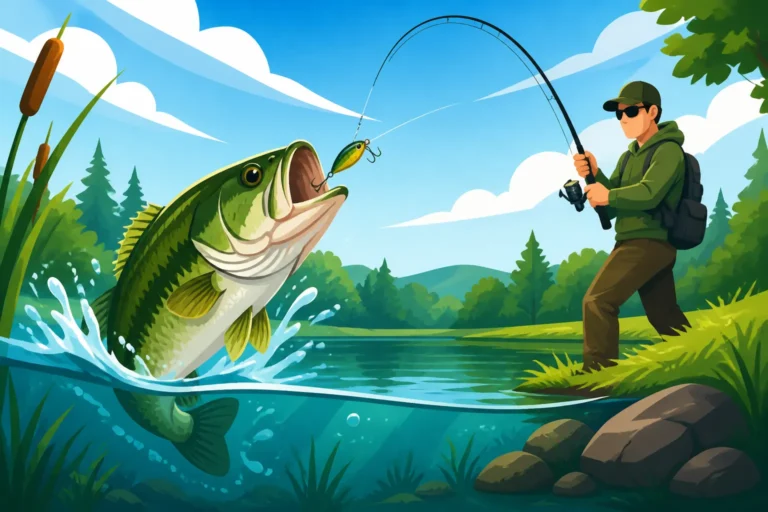
Largemouth bass, with their preference for ambush points, thrive in the shallower, weedy coves, especially those with plenty of submerged timber, docks, or overhanging trees. They love to hide and wait for an unsuspecting baitfish or frog to swim by. Smallmouth bass, on the other hand, tend to prefer deeper, rockier structures, often found on the points leading into coves or along the deeper edges. They're more inclined to chase their prey in open water, but will still relate to structure within coves, especially when baitfish move in. The lake's deep main channel often runs quite close to the mouths of many coves, providing a quick escape route or a cool retreat for bass during hot summer days. Knowing these general preferences can help you decide which coves to target depending on the species you're after.
Key Factors That Attract Bass to Coves
Not all coves are created equal when it comes to holding bass. The best ones share several characteristics that make them magnets for fish throughout the year.
First, structure and cover are paramount. Structure refers to permanent features of the lake bottom like humps, ledges, rock piles, and old roadbeds. Cover is anything that provides concealment for a fish, such as docks, fallen trees, brush piles, lily pads, or thick weed beds. A good bass cove will have a combination of these. For instance, a cove with several docks on one side, a rocky point leading into it, and a weed line along the back offers multiple ambush points and feeding lanes. During the colder months, understanding when Connecticut trout streams get too warm to fish helps us understand the importance of depth and oxygen levels for fish survival in general.
Second, baitfish presence is a huge draw. Bass follow their food, so coves that routinely hold schools of alewives, shiners, or perch will almost certainly hold bass. Look for signs of baitfish activity—nervous water, small splashes, or birds diving—especially in the mornings and evenings. Coves with gradual slopes that transition from shallow feeding flats to deeper water provide excellent habitat for baitfish and, consequently, for the bass that prey on them.
Third, depth changes and current breaks are crucial. Even in a lake, subtle currents can exist, particularly near the main lake points or where tributaries enter. Bass will often position themselves just out of the main flow, using minimal energy while waiting for food to drift by. Additionally, abrupt depth changes, like a sudden drop-off within a cove, create vertical structure that bass can use to move up and down in the water column depending on light, temperature, and feeding activity.
Finally, seasonal patterns dictate bass movement. In spring, coves with shallow, protected areas and dark bottoms warm up faster, making them ideal spawning grounds. In summer, bass might retreat to deeper, cooler sections of coves, often suspending near baitfish or relating to deep cover. Come fall, they move back into shallower coves to feed aggressively before winter. Understanding these patterns, which you can learn more about in a guide on Best Time of Year to Fish in Connecticut, will significantly improve your success rate.
Top Bass-Holding Coves on Candlewood Lake
Candlewood Lake is dotted with numerous coves, each with its own character and charm. While bass can be found in many, some consistently produce better results due to their specific features. Let's explore some of the standouts.
Northern Coves
The northern end of Candlewood Lake, particularly around the towns of New Fairfield and Sherman, features some excellent bass coves. These areas often benefit from slightly warmer waters earlier in the spring, making them prime spots for pre-spawn and spawning largemouth bass.
One notable area is the cluster of coves north of Squantz Pond State Park, sometimes referred to collectively as the Squantz Pond coves. While Squantz Pond itself is a separate body of water, the adjacent Candlewood coves share similar characteristics. These coves are often shallower with abundant submerged weed beds and numerous docks. The back reaches of these coves are particularly good for largemouth bass, especially during the spring spawn and early summer. Look for pockets in the weeds where bass can ambush prey, and don't overlook casting under and around the many docks. Plastics like Senkos, Texas-rigged worms, and jig-n-pigs are excellent choices here. Smallmouth bass can also be found on the rocky points leading into these coves, particularly where the depth drops quickly into the main lake channel. These coves can be quite busy during peak summer weekends, so early mornings or weekdays are often best for a more peaceful and productive experience.
Further north, past Sherman, you'll find coves like those near Green Island. These coves often have a mix of rock and scattered weeds, with some areas featuring old foundations or submerged timber from when the lake was first flooded. This variety means you can find both largemouth and smallmouth here. For largemouth, target the laydowns and weed edges with spinnerbaits or squarebill crankbaits. For smallmouth, try throwing tubes or Ned rigs on the rocky points and transitions. It's also worth exploring the coves along the western shore towards Sherman, many of which have similar characteristics with good cover provided by boat docks and shoreline vegetation. When you're fishing these northern reaches, keep an eye out for baitfish schools, as the bass won't be far behind.
Central Lake Coves
Moving towards the central part of Candlewood Lake, where the towns of Danbury, New Fairfield, and Brookfield converge, the coves tend to offer a mix of deeper water access and diverse structure.
The coves around Dover Shores on the western side of the lake are fantastic examples. These coves often feature steep drop-offs, making them attractive to smallmouth bass, but they also have plenty of docks and sometimes scattered weed patches that hold largemouth. The key here is to identify the transition zones—where rock meets sand, or where a weed line ends and deep water begins. Drop-shot rigs, hair jigs, and small crankbaits can be incredibly effective for probing these depth changes for smallmouth. For largemouth, pitching jigs or Texas-rigged plastics into the shadows of docks or against seawalls can pay off.
On the eastern side, the coves near Candlewood Isle and Candlewood Knolls are equally productive. These areas are characterized by a higher density of residential properties, meaning an abundance of boat docks, mooring balls, and sometimes even artificial brush piles placed by homeowners. These structures are bass magnets. Flipping and pitching jigs, creature baits, or even wacky-rigged Senkos directly to these pieces of cover can trigger aggressive bites. During the summer, these docks provide much-needed shade, attracting bass to hang out underneath. Remember, while fishing around private property, always be respectful and ensure you are not trespassing. You can find more information on Connecticut Boating Laws for Anglers which includes details on access. The main lake points leading into these central coves are also prime smallmouth spots, especially when wind blows baitfish onto them.
| Cove Region | Key Features | Primary Bass Species | Best Seasons | Recommended Lures/Baits |
|---|---|---|---|---|
| Northern Coves | Shallow weed beds, numerous docks, rocky points | Largemouth, Smallmouth | Spring, Summer | Plastics (Senkos, Worms), Spinnerbaits, Jigs, Tubes |
| Central Coves | Steep drop-offs, high dock density, varied structure | Largemouth, Smallmouth | Spring, Summer, Fall | Drop-shots, Jigs, Crankbaits, Wacky rigs, Hair jigs |
| Southern Coves | Deeper water access, rock piles, main lake points | Smallmouth, Largemouth | Summer, Fall | Football jigs, Deep diving crankbaits, Swimbaits, Tubes |
Southern End Coves
The southern end of Candlewood Lake, around Brookfield and New Milford, tends to have deeper water close to shore and more prominent rock structures. The coves here often offer quick access to the main lake's deepest sections, making them excellent staging areas for bass as they move between shallow and deep water.
The large cove area near Lynn Deming Park on the eastern side, and the numerous coves south of New Milford's Town Park, are prime examples. These coves often feature extensive rock piles, submerged boulders, and sometimes even old foundations that are deeper than those found further north. This makes them particularly productive for smallmouth bass. Football jigs, deep-diving crankbaits, and swimbaits are excellent for working these rocky bottoms. The points forming the entrance to these coves are also crucial, acting as highways for bass. During the colder months, these deeper coves can hold concentrations of wintering bass, though fishing for them becomes more challenging.
Even in these deeper southern coves, you can still find good numbers of largemouth, especially if there are boat docks, woody debris, or even smaller, more protected pockets with some vegetation. These areas provide the ambush cover that largemouth love. It’s always a good idea to scout these coves with your electronics, looking for bait schools or significant structure transitions. The deeper water in these southern coves also means bass might hold a bit deeper during sunny summer days, so be prepared to adjust your presentation accordingly. Learning Best water temperature for smallmouth bass fishing can help you predict where the fish will be in these diverse thermal layers. Many anglers also find success here with a fishing charter; if you're considering one, check out Best Fishing Charters in Connecticut for more details.
Tactics for Fishing Candlewood Lake's Bass Coves
Successfully fishing bass coves on Candlewood Lake isn't just about showing up; it's about understanding how to present your bait effectively and adapting to the seasonal behaviors of the fish.
Matching Lures and Baits to Cove Conditions
The variety of structure and cover within Candlewood's coves means you need a versatile tackle box. Matching your lure to the specific conditions you encounter is paramount.
For shallow, weedy coves, especially in the northern and central areas, topwater lures like poppers, walking baits (e.g., Heddon Super Spook), or even hollow-bodied frogs can be incredibly effective early in the morning, late in the evening, or on cloudy days when bass are active near the surface. As the sun gets higher, switch to soft plastics like Texas-rigged worms, creature baits, or wacky-rigged Senkos. These can be pitched precisely into holes in the weeds, under docks, or around submerged brush. The weightless presentation of a wacky-rigged Senko, in particular, often coaxes bites from finicky largemouth. You can discover more specialized techniques by exploring Best Techniques for Largemouth Bass in Connecticut Ponds.
For rocky points and deeper transitions common in the central and southern coves, jigs are kings. Football jigs, especially in colors like green pumpkin or black-and-blue, dragged along the bottom can imitate crawfish and tempt both largemouth and smallmouth. Pair them with a matching creature bait or chunk trailer. Deep-diving crankbaits that can reach depths of 10-20 feet are excellent for covering water quickly along deeper points and rock walls, deflecting off structure to trigger reaction strikes. For suspended smallmouth or those holding tightly to vertical structure, a drop-shot rig with a small plastic worm or minnow imitation is deadly. You can leave the bait motionless at the desired depth, enticing bites from hesitant fish. Don't forget the effectiveness of a good old-fashioned tube jig for smallmouth on rocky bottoms; a natural crawfish or goby color often works wonders.
Seasonal Strategies for Cove Bass
Bass utilize coves differently throughout the year, so your approach needs to change with the seasons.
Spring: This is prime time for shallow coves, especially those with dark bottoms that absorb heat, warming the water faster. As the water temperature rises into the 50s and 60s Fahrenheit, largemouth move in to spawn. Target protected pockets, lily pad fields, and the shallowest parts of coves with jigs, spinnerbaits, and soft plastics. During the pre-spawn, bass will feed heavily, so lipless crankbaits and jerkbaits can also be very effective for covering water. Smallmouth will typically spawn slightly deeper on rocky bottoms or points leading into coves. You can learn more about specific techniques in Best Techniques for Early Spring Trout, though the general principles of targeting warmer water and active fish apply to bass as well.
Summer: As temperatures soar, bass often retreat to deeper, cooler water during the day, but they'll still visit coves, especially during low light hours (dawn, dusk, cloudy days) or if the coves offer deep water access. Look for bass relating to the deepest docks, submerged brush piles, or weed lines adjacent to drop-offs within coves. Night fishing can be particularly productive for largemouth in summer coves, using dark-colored jigs or large worms. Smallmouth will often suspend over deeper sections of coves, chasing schools of alewives. Vertical jigging or drop-shotting near bait balls shown on your electronics can be very effective.
Fall: This is another excellent time to fish Candlewood's bass coves as fish become incredibly active, feeding aggressively to build up fat reserves for winter. Both largemouth and smallmouth will move into shallower coves, often congregating in large schools. Look for baitfish activity; if you see schools of alewives being driven to the surface, bass will be underneath them. Crankbaits, spinnerbaits, and swimbaits are great for covering water and mimicking baitfish. Jigs and soft plastics can also be effective when bass are relating to specific structure. As the water cools into late fall, bass will start moving towards deeper coves and main lake points where they'll spend the winter. You can explore Best Techniques for Fall Striped Bass for similar aggressive feeding strategies, though for a different species.
Finding the best bass coves on Candlewood Lake is a journey of exploration and adaptation. By understanding the lake's unique characteristics, recognizing what attracts bass to specific coves, and adapting your tactics seasonally, you'll dramatically increase your chances of a successful and memorable day on the water. Many anglers even consult resources like FishingBooker to connect with local guides who specialize in bass fishing on Candlewood, offering insights into less-known spots and techniques.
Disclaimer
Fishing regulations, stocking schedules, and local conditions can change. Always consult the latest Connecticut Department of Energy and Environmental Protection (DEEP) fishing guide before heading out. This guide is for informational purposes only and does not constitute official advice.