Coventry Lake best fishing spots
It can be incredibly frustrating to roll up to a new lake, rod in hand, only to stare at a vast expanse of water and have no clue where to even start. You know there are fish in there, but finding them feels like solving a riddle. This guide is here to take the guesswork out of it, revealing the best fishing spots on Coventry Lake, so you can spend less time searching and more time reeling in that next great catch.
Understanding Coventry Lake's Unique Character
Coventry Lake, nestled in Tolland County, is a fantastic freshwater fishery, but like any body of water, it has its own personality. Before you even cast a line, getting a feel for its contours, depths, and the types of habitat it offers can drastically improve your chances. It's not just a big puddle; it's a complex ecosystem with certain areas that naturally draw different species of fish.
Lake Layout and Key Features
Coventry Lake spans roughly 377 acres, offering a good mix of shallow, weed-choked coves and deeper, open water sections. The lake's overall shape is somewhat irregular, with fingers and bays that provide excellent ambush points for predators and safe havens for baitfish. Knowing these variations is crucial. For instance, the northern end tends to be shallower, with more gradual slopes and extensive weed beds, especially as summer progresses. This contrasts sharply with some areas on the southern and western sides, where you'll find steeper drop-offs, rocky structures, and depths plunging beyond 40 or even 50 feet. These distinct zones dictate where different fish species will congregate, depending on the season and time of day.
Primary Fish Species in Coventry Lake
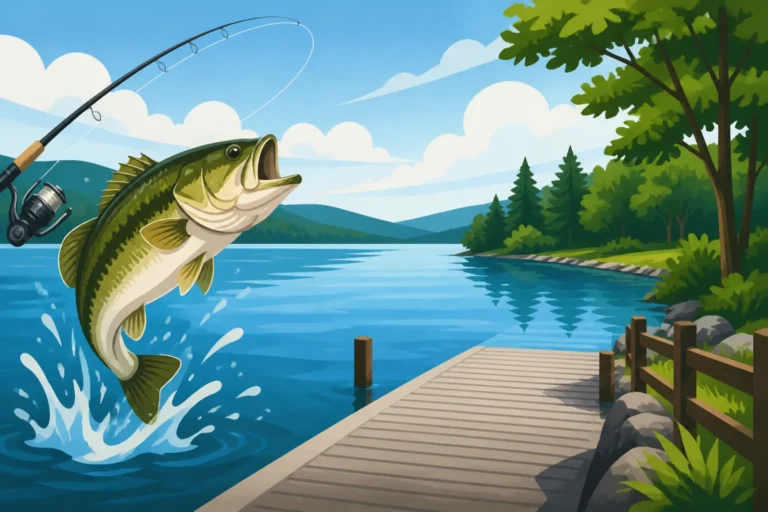
Coventry Lake boasts a healthy population of several popular game fish, making it a versatile spot for different angling preferences. Largemouth bass are arguably the most sought-after species here, thriving in the lake's abundant cover. You'll also find a good number of smallmouth bass, especially in areas with rockier bottoms and deeper water. Chain pickerel are common predators, often lurking in the weed lines, ready to ambush unsuspecting baitfish.
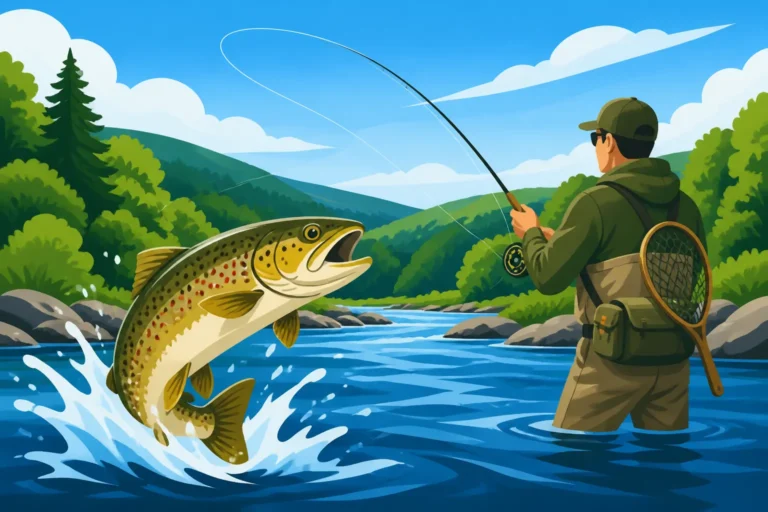
Beyond the main predators, Coventry Lake is also a great place for panfish enthusiasts. You can expect to catch yellow perch, white perch, bluegill, and black crappie, which provide steady action and are fantastic for introducing kids to fishing. The Connecticut Department of Energy and Environmental Protection (CT DEEP) regularly stocks Coventry Lake with trout, primarily rainbow trout and brown trout, particularly in the spring, making it a prime location for trout anglers during those cooler months. Understanding what species you're targeting will help you pinpoint the most productive spots and techniques.
Top Fishing Locations on Coventry Lake
Breaking down Coventry Lake into specific zones helps simplify the daunting task of finding fish. Each area offers distinct advantages for different species and fishing styles. From the shallow, fertile coves to the deeper, mysterious ledges, there's a spot for every angler.
The Northern Coves and Shallows
The northern end of Coventry Lake is characterized by its relatively shallow depths and numerous coves, such as the area near Patriots Park Beach. These coves are goldmines for largemouth bass, pickerel, and panfish. As the water warms in spring, these areas heat up quickly, attracting baitfish and, consequently, the predators that feed on them. The gradual slopes, combined with dense aquatic vegetation like lily pads and coontail, create perfect ambush habitats.
Fishing here often involves casting into the pockets within the weeds or along the weed edges. Spinnerbaits, chatterbaits, and weedless soft plastics like Texas-rigged worms or frogs can be incredibly effective when worked through this cover. For panfish, simply a bobber and a worm or a small jig tipped with a Berkley Gulp! Alive! maggot will often yield consistent results near docks and fallen trees. During the early morning or late evening, bass might push into even shallower water, making topwater lures an exciting option. This is also a fantastic area for kayak or canoe anglers, allowing easy access to tight spots that bigger boats can't reach.
Central Basin and Transition Areas
Moving towards the central and western parts of the lake, you’ll encounter more varied terrain. Here, the depths increase, and you'll find transitional zones where shallow flats quickly give way to deeper drop-offs and ledges. These areas are prime for both largemouth and smallmouth bass, as well as holdover trout. Look for underwater humps, points that extend into deeper water, and submerged timber. Fish often use these structures as highways to move between feeding grounds and deeper, cooler water.
Jigging spoons, drop-shot rigs, and deep-diving crankbaits can be highly effective when targeting fish holding on these underwater structures. Using your boat's sonar is invaluable here to pinpoint depth changes and schools of baitfish. The central basin also offers good opportunities for trolling if you're targeting trout after the initial spring stocking. When learning about the lake's structure, remember to check out resources like How to read structure for striped bass in Long Island Sound – while it's saltwater, the principles of understanding contours apply to any body of water, including Coventry Lake.
The Southern Depths and Shoreline Structures
The southern end of Coventry Lake offers some of its deepest water, with areas dropping to over 50 feet. While the northern end is all about shallow cover, the southern end is where you'll look for colder water and hard bottom structures. This makes it a key location for smallmouth bass, especially during the warmer summer months when they retreat to cooler depths. Look for rocky points, steep ledges, and deeper submerged timber that might attract larger fish. Public access points, like those near the town boat launch, also offer some bank fishing opportunities, though boat access will generally get you to the most productive deep-water spots.
Vertical jigging with heavier spoons or blade baits can be very effective for smallmouth bass holding tight to the bottom in these deeper areas. If you're targeting trout, especially holdovers from previous stockings, these deeper sections are where they'll seek refuge when surface temperatures rise. The shoreline also features numerous private docks and boat lifts; while respecting private property, fishing the deeper edges of these structures from a boat can be productive for bass and panfish. These man-made structures provide shade, cover, and often concentrate baitfish.
Seasonal Strategies for Coventry Lake
Fishing isn't a static activity; what works in spring might completely fail in summer. Understanding how the fish behavior changes with the seasons is paramount to consistent success on Coventry Lake. From the excitement of early spring to the challenges of winter, adapting your approach is key.
Spring: The Rebirth of Action
Spring on Coventry Lake is an exhilarating time for anglers. As ice melts and water temperatures gradually rise, fish become incredibly active after a long winter. This is prime time for trout fishing, as the CT DEEP conducts its annual stockings, flooding the lake with fresh rainbow and brown trout. These fish will initially cruise the shallower, warmer waters, making them accessible from shore or by small boats. For trout, throwing small spoons like a Kastmaster, inline spinners like a Rooster Tail, or even floating PowerBait or worms under a bobber can be lights out. Don't forget to review your Connecticut Fishing Regulations Explained to be sure you're following current rules.
For bass, spring means pre-spawn and spawning activities. Largemouth bass will move into the shallow northern coves and bays, often congregating around emerging weeds and woody debris. Jerkbaits, crankbaits, and jigs are excellent choices for tempting these hungry fish as they prepare to spawn. Smallmouth bass will be found in similar transition areas, often associating with rocky bottoms. Early spring also sees a surge in panfish activity, making it a great time to introduce beginners to the sport. The shallow coves near the public beaches are perfect for targeting bluegill and crappie with small jigs or live bait.
Summer: Deep Water and Early Mornings
Summer on Coventry Lake presents a different set of challenges and opportunities. As air and water temperatures soar, many fish, especially trout and larger bass, will retreat to deeper, cooler waters during the day. This is when understanding the lake's deeper contours becomes crucial. Focus your efforts on the central basin and southern depths, looking for drop-offs, ledges, and underwater humps. Early mornings and late evenings, when temperatures are cooler and light levels are lower, often provide the best windows of opportunity for shallow-water action. Topwater baits can still be effective for bass during these low-light periods.
For bass, try Texas-rigged or Carolina-rigged worms, creature baits, or deep-diving crankbaits fished near structure in 10-25 feet of water. Targeting suspended schools of baitfish with vertically jigged spoons can also produce results. Panfish will often be found near docks, shaded areas, or deeper weed lines. For trout, summer fishing becomes more challenging, requiring specialized techniques like downriggers or lead core line to present lures or bait in the deeper, colder parts of the water column. If you're looking for guidance, remember that platforms like FishingBooker can help you find local guides specializing in summer deep-water tactics, even if they're usually associated with saltwater.
Fall: The Feeding Frenzy
Autumn is arguably one of the best times to fish Coventry Lake. As temperatures begin to drop, the fish sense the approaching winter and engage in a vigorous feeding frenzy to bulk up. This often means they become more aggressive and predictable. Both largemouth and smallmouth bass will actively pursue baitfish, often moving back into shallower and mid-depth areas as the water cools down, before retreating deeper again later in the season. Spinnerbaits, crankbaits, and swimbaits become extremely effective as fish gorge themselves.
Trout fishing also picks up significantly in the fall. The cooler water revitalizes any holdovers, and the CT DEEP often conducts additional fall stockings, providing a fresh batch of eager fish. Focusing on areas where baitfish are congregating, such as main lake points or large weed flats, can lead to explosive action. Panfish remain active, often schooling up in larger groups, making it possible to catch several quickly once you locate a school. This is a time when understanding the lake's transition points – where shallow water drops into deeper areas – can be particularly rewarding.
Winter: Ice Fishing Opportunities
When the cold truly sets in, and Coventry Lake freezes over, it transforms into a popular destination for ice fishing, provided ice conditions are safe. Always prioritize safety and check local ice thickness reports from the CT DEEP or other reliable sources before venturing out. Ice fishing offers a unique way to target many of the same species found in open water, including trout, perch, crappie, pickerel, and even bass.
Small jigs tipped with wax worms or mealworms are excellent for panfish and trout. Tip-ups rigged with live shiners or other baitfish are highly effective for pickerel and bass. Focus your efforts on the edges of deep drop-offs or over submerged weed beds where fish might be congregating. Portable fish finders or sonar units can be invaluable for locating fish and understanding the bottom structure beneath the ice. The beauty of ice fishing is that you can often access parts of the lake that are difficult to reach with a boat in open water, opening up new potential hotspots. For more details on this chilly pursuit, check out Ice Fishing in Connecticut.
Practical Tips for a Successful Coventry Lake Outing
Beyond knowing the spots, a successful day on Coventry Lake involves some practical considerations. From how you access the water to the gear you choose, these details can make a real difference in your overall experience and catch rates.
Public Access Points and Parking
Coventry Lake offers several public access points, making it fairly accessible for anglers. The primary boat launch is located off Lake Street, managed by the Town of Coventry. This launch provides a concrete ramp suitable for trailered boats, as well as parking for vehicles and trailers. It’s important to remember that during peak summer months, especially on weekends, this launch can get very busy, so arriving early is always a good strategy. Always ensure your boat is registered and you're aware of Connecticut boating laws for anglers.
For shore anglers, Patriots Park Beach on the northern end of the lake, off Lake Street, provides some access, though fishing may be restricted during swimming hours in summer. The shoreline around the park can be productive for panfish and smaller bass. Other smaller, unofficial access points might exist, but always be mindful of private property and respectful of local residents. It's crucial to consult the town's official website or the CT DEEP's fishing guide for the most up-to-date information on access rules and hours.
Essential Gear and Bait Recommendations
Having the right gear for Coventry Lake can significantly improve your chances. For general freshwater fishing, a medium-light to medium action spinning rod and reel combo spooled with 6-10 lb test monofilament or fluorocarbon line will cover most situations, from panfish to bass and trout. If you're specifically targeting larger bass or pickerel in heavy cover, a medium-heavy baitcasting setup with 15-20 lb braided line might be more appropriate.
Table: Recommended Gear & Bait for Coventry Lake Species
| Target Species | Rod/Reel Setup | Line (Lbs) | Lure/Bait Examples | Optimal Habitat |
|---|---|---|---|---|
| Largemouth Bass | Medium-Heavy Baitcasting/Spinning | 10-17 mono/fluoro, 20-30 braid | Jigs, Soft Plastics (worms, creature baits), Spinnerbaits, Crankbaits, Frogs | Weed beds, lily pads, docks, fallen trees, shallow coves |
| Smallmouth Bass | Medium-Light to Medium Spinning/Baitcasting | 6-12 mono/fluoro, 10-20 braid | Drop-shot rigs, Tubes, Ned Rigs, Jerkbaits, Small Crankbaits, Spoons | Rocky points, ledges, deep humps, main lake points |
| Rainbow/Brown Trout | Light to Medium-Light Spinning | 4-8 mono/fluoro | Inline Spinners, Small Spoons, PowerBait, Worms, Corn | Cooler depths, stream inlets, open water (trolling) |
| Panfish (Perch, Bluegill, Crappie) | Ultralight Spinning | 2-6 mono | Small Jigs (tipped with grubs), Worms, Crickets, Small Spoons | Docks, brush piles, submerged vegetation, shaded areas |
| Chain Pickerel | Medium Spinning/Baitcasting | 10-15 mono/fluoro, 20-30 braid | Spoons, Spinnerbaits, Live Minnows, Jerkbaits, Swimbaits | Heavy weed lines, shallow cover, ambush points |
A tackle box stocked with a variety of lures is always a good idea. For artificials, consider a selection of soft plastic worms and creature baits (greens, browns, black), spinnerbaits (white, chartreuse), crankbaits (shad patterns, crawfish patterns), and topwater lures (frogs, poppers). Live bait, particularly nightcrawlers, shiners, and mealworms, are consistently effective across species, especially for panfish and trout. Don't forget essential accessories like pliers, a landing net, sun protection, and a first-aid kit.
Navigating Connecticut Fishing Regulations
Before you even wet a line, it is absolutely essential to familiarize yourself with Connecticut's fishing regulations, specifically those pertaining to freshwater fishing and any lake-specific rules for Coventry Lake. The CT DEEP publishes an annual Angler's Guide which details everything from license requirements to creel limits, minimum lengths, and special water rules. You can find out Where and How to Buy a Connecticut Fishing License easily online or through authorized vendors.
Key things to check:
- License Requirements: Everyone 16 years of age and older needs a valid Connecticut fishing license. There are different options for residents and non-residents, and even special considerations for youth or seniors. You can learn more about Connecticut fishing license age requirements and Connecticut Senior Free Lifetime Fishing License.
- Species-Specific Rules: Pay close attention to the daily creel limits and minimum length requirements for each species you intend to keep. For example, there might be different rules for trout vs. bass.
- Trout Management Areas (TMAs) / Special Regulation Waters: While Coventry Lake itself isn't a designated TMA, it's always good practice to check if any special regulations apply to the specific lake you're fishing. Some areas have catch-and-release only rules or specific tackle restrictions.
- Boating Regulations: If you're fishing from a boat, ensure you comply with all Connecticut boating laws, including life jacket requirements, registration, and safe boating certificates.
Ignoring regulations can lead to hefty fines and a ruined fishing trip, so always double-check the latest guide. If you're ever unsure, the CT DEEP website is an invaluable resource. If you're looking for an even more tailored experience, consider booking a trip through a service like FishingBooker, where experienced local captains and guides will ensure you're compliant with all current regulations while putting you on the fish. They often have real-time knowledge of specific lake conditions and rules.
Maximizing Your Coventry Lake Fishing Experience
Beyond knowing where to fish and what to use, adopting a broader strategy can elevate your fishing success and enjoyment on Coventry Lake. It's about combining knowledge with observation and a willingness to adapt.
Employing Different Techniques Effectively
Don't be afraid to experiment! While certain lures or baits are traditionally effective, fish behavior can change rapidly based on weather, pressure, and time of day. If one technique isn't working, switch it up. For example, if you're not getting bites on a crankbait, try a slower presentation with a soft plastic. If you're after bass, consider trying How to Catch Largemouth Bass in Connecticut using various methods.
- Fan Casting: When you first arrive at a spot, don't just cast straight out. Fan cast, meaning cast to different angles and depths, to cover more water and locate where the fish are holding.
- Varying Retrieval Speeds: Sometimes a slow, steady retrieve is key; other times, a quick twitch-and-pause motion is what triggers a strike. Pay attention to how the fish are reacting.
- Observation: Look for signs of baitfish, surface activity, or subtle changes in water color or current. These clues can tell you a lot about where the fish might be. Birds diving can indicate baitfish schools, which in turn attract larger predatory fish.
- Sonar/Fish Finders: If you're fishing from a boat, a good sonar unit can be your best friend. It helps you identify underwater structure, depth changes, and even schools of fish. Learning how to interpret what you see on the screen can drastically cut down on unproductive casting.
Catch and Release Best Practices
Coventry Lake is a well-managed fishery, and practicing catch and release, especially for larger breeding fish, helps maintain healthy populations for future generations of anglers. If you plan to release fish, handle them with care:
- Minimize Air Time: Keep the fish in the water as much as possible. Prolonged exposure to air can be harmful.
- Wet Hands: Always wet your hands before handling a fish to protect its protective slime coat.
- Support the Fish: Support the fish horizontally, especially larger ones, to avoid damaging internal organs or its jaw.
- Use Barbless Hooks: Crushing the barb on your hooks or using barbless hooks makes removal much easier and less traumatic for the fish.
- Proper Hook Removal: Use pliers or a de-hooking tool to quickly and carefully remove the hook. If the hook is deeply swallowed, cut the line as close to the hook as possible.
- Revive Gently: If a fish seems stressed, hold it gently in the water, facing into a gentle current, until it regains its strength and can swim away on its own.
By following these practices, you ensure that the fish you release have the best chance of survival, contributing to the long-term health and vitality of Coventry Lake's fishery. This is especially important for species like trout, which can be sensitive to warmer water temperatures during release.
Exploring Beyond the Main Lake
While Coventry Lake offers fantastic fishing, don't forget that Connecticut is brimming with other incredible fishing opportunities. If you want to expand your horizons or try different species, there are plenty of options. For instance, if you're hooked on bass, you might explore other destinations featured in the Best Bass Fishing Lakes in Connecticut. Or, if the tranquility of fly fishing calls to you, places like the Farmington River offer some of the Best Fly Fishing Rivers in Connecticut.
Sometimes, hiring a local guide can be an excellent way to quickly learn the nuances of a new body of water or improve your techniques. These professionals have intimate knowledge of local conditions, fish patterns, and hot spots. Websites like FishingBooker can connect you with experienced, licensed guides who can provide a productive and educational fishing trip, whether it's on Coventry Lake or another prime Connecticut spot. They offer a convenient way to find reputable charters and guides, ensuring you get the most out of your angling adventure.
No matter where you choose to cast your line, remember that fishing is about more than just catching fish. It's about enjoying the outdoors, learning, and connecting with nature. Coventry Lake offers a wonderful setting for all of these things, and with a little preparation and knowledge, you're well on your way to a memorable day on the water.
Disclaimer
Please note that fishing conditions, regulations, and access points can change. Always consult the official Connecticut Department of Energy and Environmental Protection (CT DEEP) website or their current Angler's Guide for the most up-to-date and accurate information before planning your fishing trip to Coventry Lake.