Best fluke spots on Long Island Sound
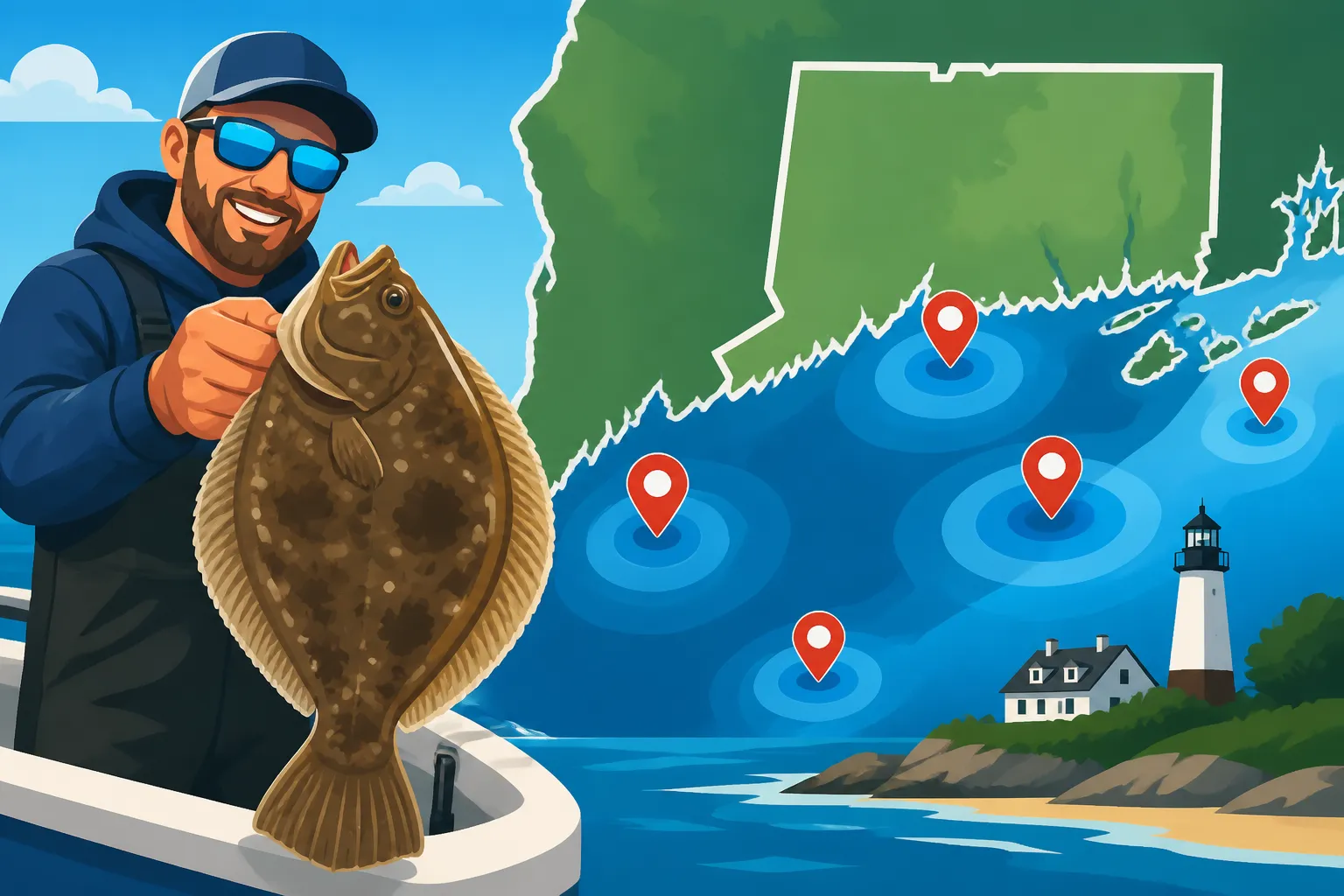
Finding those prime fluke spots in Long Island Sound can feel like searching for a needle in a haystack, especially with such a vast and dynamic body of water. Anglers often struggle with where to even begin, whether to focus on shallow bays or deep channels, or how current and tide impact their chances. This guide is dedicated to helping you pinpoint the most productive fluke grounds across the Sound, breaking down the best locations, understanding their unique characteristics, and offering practical advice to maximize your success in targeting this popular bottom fish.
Understanding Fluke Preferences in Long Island Sound
Before we dive into specific locations, it's really important to understand what makes a spot attractive to fluke, also known as summer flounder. These aren't just random fish; they have clear preferences when it comes to habitat, water conditions, and what they're looking for to ambush their next meal. Knowing this helps you think like a fluke and drastically improves your chances, no matter where you drop a line.
Preferred Habitat and Structure
Fluke are masters of camouflage, and they absolutely love to lie in wait on the bottom, ready to ambush unsuspecting baitfish. This means they are almost always found in areas with some kind of structure that provides cover or an edge for them to hide. Think about places where the bottom isn't just flat sand. This could be rock piles, mussel beds, submerged humps, or even the edges of channels.
In Long Island Sound, you'll find them holding tight to contours where a sandy bottom meets a rocky outcrop. These transition zones are gold. They'll also congregate around artificial reefs and wrecks, which provide both shelter and a buffet of smaller baitfish and crustaceans. Don't overlook patchy bottoms, where sand and mud mix with scattered rocks or clam beds. These "rough" bottoms are often overlooked by anglers just looking for sandy stretches, but they can hold some real doormats. The key is finding areas that offer both concealment and a good vantage point for feeding.
Tides, Currents, and Water Depth
Tides and currents are perhaps the most critical factors for locating fluke. Unlike some other species that might hang out in slack water, fluke are highly dependent on moving water to bring food to them. They prefer to position themselves facing into the current, waiting for baitfish, squid, or spearing to drift by. This means you'll often find them on the up-current side of structure or along channel edges where the water flow is strongest.
The best fluke fishing often occurs on the incoming or outgoing tides when the current is running well. During slack tide, they tend to become less active, as their food source isn't being pushed past them as readily. When it comes to depth, fluke are incredibly adaptable. In the spring and early summer, you might find them in shallower bays and flats, especially those with good sun exposure that warm up quickly. As the summer progresses and water temperatures rise, they'll often move to deeper, cooler waters, concentrating around drops-offs, deep channels, and offshore humps. This is when understanding Fluke Habits in Long Island Sound becomes really important. Look for those distinct changes in depth on your fish finder, as these contours are often current highways for bait and prime ambush points for fluke.
Top Fluke Fishing Zones in Eastern Long Island Sound
The eastern end of Long Island Sound is renowned for its strong currents, deep channels, and a diverse range of bottom structure, making it a prime location for targeting larger fluke. This area is particularly productive during the peak summer months when bigger fish migrate in.
The Race and Plum Gut
When we talk about big fluke in Long Island Sound, "The Race" almost immediately comes to mind. This infamous stretch of water between Fishers Island, New York, and Little Gull Island is a veritable washing machine of powerful currents and swirling eddies. The depths here can exceed 200 feet, but fluke will typically be found shallower, often in 60-120 feet, along the edges of the main current rips and on the numerous humps and bumps that break up the bottom. The sheer volume of baitfish pushed through here, from sand eels to squid, makes it an irresistible feeding ground for large summer flounder. You'll want heavy tackle and a good boat handler to fish The Race effectively.
Just west of The Race lies Plum Gut, another high-current area between Plum Island and Orient Point, Long Island. While not quite as dramatic as The Race, Plum Gut still boasts formidable currents and deep, rocky sections. Fluke here often congregate along the sandy and gravelly edges of the main channel, especially where the bottom transitions to deeper water. Both of these spots require careful attention to the tides; fishing them successfully means understanding when the current will be running at its optimal speed for drift fishing. Many experienced captains offer Best Fluke Charters on Long Island Sound to tackle these challenging but rewarding areas.
Black Point and Niantic Bay
Moving further west along the Connecticut shoreline, the area around Black Point in Niantic offers excellent opportunities for fluke, particularly in early to mid-summer. Here, you'll find a mix of shallower rocky reefs, sandy patches, and channels that appeal to fluke of various sizes. The rips and currents around Black Point itself can be very productive, especially on a moving tide. Anglers often drift jigs or bait rigs over these areas, working the edges where the rocky bottom transitions to sand.
Niantic Bay, though shallower, can also be a surprising producer, especially in the spring and early summer as fluke move into warmer waters. Look for them along the channel edges leading into the bay, around the numerous mussel beds, and where baitfish like spearing and silversides congregate. The deeper holes within the bay can also hold fish. These spots are often more accessible for smaller boats and even kayak anglers, though watch out for boat traffic during peak season. You might even find some productive areas by consulting resources like Best Kayak Fishing Spots in Connecticut which could highlight bays and calmer stretches.
Top Fluke Fishing Zones in Western Long Island Sound
The western end of Long Island Sound, while generally shallower and less dynamic than its eastern counterpart, still offers fantastic fluke fishing, often with a slightly different character. This area is known for its extensive mud and sand flats, artificial reefs, and numerous harbors and river mouths that attract fluke.
New Haven Harbor and Breakwaters
New Haven Harbor is a prime example of a western Sound fluke hotspot. The extensive breakwaters that guard the harbor mouth provide excellent structure, attracting baitfish and, consequently, fluke. Anglers often target the sandy bottoms just outside and inside the breakwaters, especially along the drop-offs and where the current sweeps around the rocks. The main shipping channel leading into New Haven Harbor is another key area, with fluke often staging on the edges where the channel meets the shallower flats.
Further up the harbor, closer to the Quinnipiac River and West River mouths, the extensive mud flats and shallow channels can hold good numbers of fluke, especially during the spring and early summer as they move into warmer water to feed. While you might not find as many "doormats" as in The Race, New Haven Harbor consistently produces solid keeper fluke and is accessible from numerous boat launches. This area also benefits from the outflow of freshwater, which often carries baitfish into the Sound, drawing in hungry fluke.
Stratford Shoal and Penfield Reef
Stratford Shoal, often called "Middleground," is a significant mid-Sound structure that acts as a magnet for a wide variety of fish, including fluke. Located roughly halfway between Stratford, Connecticut, and Port Jefferson, New York, this expansive underwater hump and surrounding reefs offer a complex bottom topography of rocks, sand, and shells. The strong currents that sweep over and around the shoal create ideal ambush points for fluke. Depths here can vary dramatically, from shallow humps to deep channels, providing diverse habitat.
Fishing Stratford Shoal effectively often involves long drifts over the varied bottom, paying close attention to your fish finder to identify sudden changes in depth or structure. Just to the west, Penfield Reef, off Fairfield, provides excellent nearshore fluke opportunities. This extensive rocky reef system, with its surrounding sandy patches, is a reliable spot throughout the summer. Fluke will hold tight to the edges of the reef, particularly where the sand meets the rock, taking advantage of the baitfish seeking shelter in the structure. Both of these areas are popular for those looking to engage in Jigging for Fluke in Long Island Sound, as the structure provides excellent targets.
Essential Techniques for Long Island Sound Fluke
Catching fluke isn't just about finding the right spot; it's also about presenting your bait or lure in a way that triggers a strike. Fluke are ambush predators, so your technique needs to cater to their hunting style.
Best Baits and Lures
Fluke are opportunistic feeders, and they respond well to a variety of baits and artificial lures. For natural baits, strips of squid are a classic, universally effective choice. They're tough, they have a lot of scent, and they flutter enticingly in the current. You can fish them plain or tip them onto bucktails or jigs. Live bait, like spearing, silversides, or even small snapper blues, can be incredibly effective, especially for larger fluke. These baits mimic the natural prey found throughout Long Island Sound.
When it comes to artificials, bucktail jigs are king. They come in various weights and colors, allowing you to match the depth and current conditions. White, chartreuse, pink, and glow are all popular colors. Tipping a bucktail with a strip of squid or a Gulp! synthetic bait (like a Gulp! Swimming Mullet or Grub) adds scent and extra action, making it even more irresistible. Scented soft plastics, like those from Berkley Gulp!, have revolutionized fluke fishing, often outperforming natural bait on certain days.
For more aggressive fluke, especially in areas with a lot of baitfish, metal jigs or diamond jigs can be effective, particularly when jigged vertically over deeper structure. Remember to consult Connecticut Fluke and Summer Flounder Regulations to ensure your catch methods comply with current rules.
Effective Drifting Strategies
Drifting is by far the most popular and effective method for targeting fluke in Long Island Sound. Since fluke lie on the bottom waiting for food, drifting your bait or lure allows you to cover a lot of ground and present it naturally to a wider area of fish. The key to a good drift is to match your sinker weight or jig weight to the current and depth, ensuring your offering stays in contact with the bottom without dragging too fast or too slow.
Start your drift up-current from known structure or a depth change. Let out enough line so your bait or jig is bouncing lightly along the bottom. If the current is too fast, use heavier weight; if it's too slow, you might need to motor troll slowly or use a drift sock to slow your boat down. Pay close attention to your rod tip for the subtle "thump-thump" of a fluke mouthing the bait, or the solid "thunk" of a more aggressive strike. It’s also crucial to understand when to set the hook – often, a slight pause to let the fluke fully take the bait is necessary. Many anglers find that booking a trip through platforms like FishingBooker helps them learn these techniques from seasoned pros who know the local drifts like the back of their hand.
Reading Your Electronics and Bottom Structure
In today's world, modern marine electronics are invaluable for fluke fishing. Your fish finder isn't just for locating fish – it's primarily for reading the bottom. Look for changes in depth, hard bottom areas, rocky patches, and any anomalies that might indicate structure. Fluke will often position themselves on the "down-current" side of a hump or rock pile, or along the edges of a channel.
Side-scan or down-imaging sonar can give you an incredible picture of the bottom topography, revealing subtle details that traditional sonar might miss. Pay attention to your GPS too. Once you find a productive drift or a specific piece of structure that's holding fish, mark it on your GPS. This allows you to repeat successful drifts or return to that precise spot later. Over time, you'll develop a mental map of where the fluke are likely to be based on the conditions and the bottom you're seeing on your screen. This combination of local knowledge and technology is what truly elevates a good fluke angler.
| Long Island Sound Fluke Zone | Primary Characteristics | Ideal Conditions | Typical Fluke Size | Access Considerations |
|---|---|---|---|---|
| The Race | Strong currents, deep channels, rocky bottom | Strong tidal flow, cooler water | Large "doormats" (5+ lbs) | Requires capable boat and experienced hand |
| Plum Gut | Strong currents, deep channels, sandy/rocky mix | Strong tidal flow, good bait presence | Large keepers (3-5 lbs) | Moderate current, good for drift fishing |
| Black Point | Rocky reefs, sandy patches, moderate current | Moving tides, transition zones | Mixed sizes, good keepers | Accessible for various boat sizes |
| Niantic Bay | Shallow bay, mussel beds, channel edges | Warmer water, early season, slack tide edges | Smaller keepers (1-3 lbs) | Good for smaller boats and kayaks |
| New Haven Harbor Breakwaters | Artificial rock structure, sandy bottom, channels | Strong tidal flow around rocks, bait presence | Mixed sizes, consistent action | Accessible, high boat traffic |
| Stratford Shoal (Middleground) | Expansive hump, varied bottom, mid-Sound currents | Strong currents, structure fishing | Good keepers, potential for large | Requires longer run, offshore capable boat |
| Penfield Reef | Extensive rocky reef, sandy periphery | Moving tides, structure edges | Mixed sizes, reliable action | Nearshore, good for smaller boats |
Planning Your Fluke Trip in Long Island Sound
A successful fluke trip isn't just about getting on the water; it's about smart planning. Knowing when to go and where to launch can make all the difference, especially when you're targeting a species as dependent on conditions as fluke.
Best Time of Year to Target Fluke
While you can technically catch fluke throughout the warmer months, there are certainly peak times that offer the best chances for both quantity and quality. The fluke season typically kicks off in late May or early June in Long Island Sound, as water temperatures begin to rise and baitfish move into shallower areas. During this early season, you'll often find them in relatively shallower bays and flats, feeding aggressively after the winter.
As summer progresses into July and August, the bite usually gets into full swing. This is often when the biggest fluke are caught, as they've moved into deeper, cooler waters around major structures like The Race, Plum Gut, and Stratford Shoal. The consistent warm weather and abundance of bait make for excellent fishing. By September and early October, as water temperatures start to drop, fluke begin their migration out of the Sound, often feeding heavily in preparation. This can lead to another excellent "fall run" for trophy-sized fish, particularly in the eastern Sound. For a broader overview, check out the Best Time of Year to Fish in Connecticut.
Public Access Points and Boat Launches
Connecticut offers numerous public access points and boat launches that cater to anglers looking to target fluke. In the eastern Sound, ramps like those in Waterford (Harkness Memorial State Park or Waterford Town Dock) provide easy access to areas like Black Point and the approach to The Race. Marinas in Niantic and Old Saybrook also offer excellent starting points.
Further west, you have major boat launches in New Haven (e.g., Quinnipiac River boat launch, Fort Hale Park), Bridgeport (Port 5), and Norwalk (Veterans Memorial Park). These launches put you in prime position to access New Haven Harbor, Penfield Reef, and other western Sound hotspots. For anglers without a boat, many towns along the shoreline have public piers or jetties that can be productive for fluke, especially during certain tides. However, to truly explore the best fluke spots on Long Island Sound, a boat is almost essential due to the depths and distances involved. If you're looking to charter a trip instead, remember that services like FishingBooker can help you find local captains familiar with all these areas.
| Connecticut Boat Launch | General Location | Primary Fluke Spots Accessible | Notes |
|---|---|---|---|
| Harkness Memorial State Park | Waterford (Eastern CT) | Black Point, Niantic Bay, approach to The Race | State park entrance fee may apply, good facilities |
| Waterford Town Dock | Waterford (Eastern CT) | Black Point, Niantic Bay, Long Sand Shoal | Popular launch, can get busy |
| Old Saybrook Town Docks | Old Saybrook (Eastern CT) | Mouth of Connecticut River, Long Sand Shoal, eastern Sound reefs | Excellent access to diverse areas |
| Fort Hale Park | New Haven (Western CT) | New Haven Harbor, Breakwaters, inshore reefs | Ample parking, good for smaller boats |
| Quinnipiac River Launch | New Haven (Western CT) | New Haven Harbor, shallower flats | Good for quick access to inner harbor |
| Port 5 | Bridgeport (Western CT) | Bridgeport Harbor, Penfield Reef, Stratford Shoal | Access to central/western Sound |
| Veterans Memorial Park | Norwalk (Western CT) | Norwalk Islands, Penfield Reef, western Sound reefs | Large facility, convenient |
Disclaimer
Please remember that fishing regulations, including size and bag limits for fluke (summer flounder), can change frequently. Always consult the latest rules and regulations published by the Connecticut Department of Energy and Environmental Protection (DEEP) before heading out on the water. This guide is for informational purposes only and does not constitute legal advice or an endorsement of any specific fishing location or technique over another.