Best fishing spots on the Pequonnock River
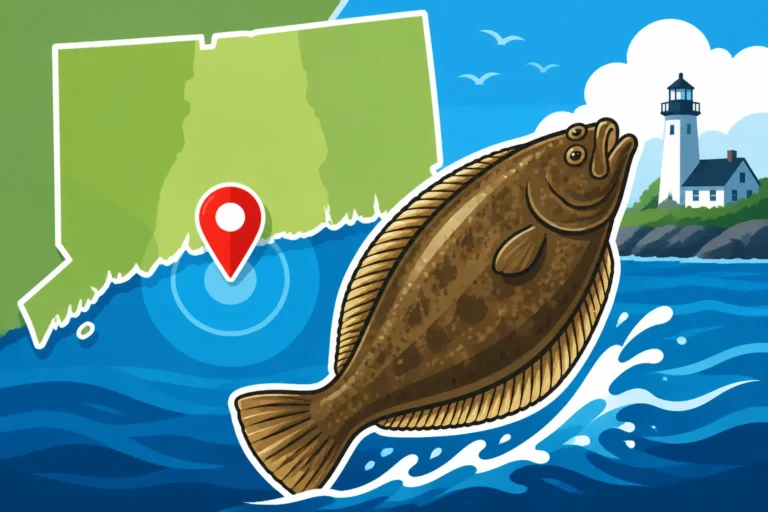
It's easy to overlook urban rivers when you're dreaming of a peaceful day of fishing. Many anglers in Connecticut picture pristine trout streams or the vast expanse of Long Island Sound, often completely forgetting the smaller waterways that weave right through our cities. But if you've ever found yourself wondering if there's decent fishing right under your nose, especially in a bustling place like Bridgeport, you're not alone. The Pequonnock River, a resilient urban waterway, offers some surprising opportunities for anglers willing to explore. This guide will take you through the best spots and tips for fishing this often-underestimated river.
Understanding the Pequonnock River Fishery
The Pequonnock River, flowing through the heart of Bridgeport before emptying into Long Island Sound, has a fascinating story. For decades, like many urban rivers, it bore the brunt of industrialization and urban development. However, thanks to dedicated community efforts and environmental initiatives, the Pequonnock has seen significant improvements in its water quality and ecological health. This ongoing rehabilitation has brought a surprising diversity of fish back to its waters, making it a viable, and often convenient, fishing destination for local anglers.
A River Reborn: What to Expect
While you won't find remote wilderness on the Pequonnock, you'll discover a dynamic ecosystem that adapts to its urban surroundings. The river’s journey from its headwaters in Trumbull to the Sound means it transitions from smaller, relatively calmer freshwater stretches to a much wider, tidal estuary. This transition supports a fascinating mix of species throughout the year.
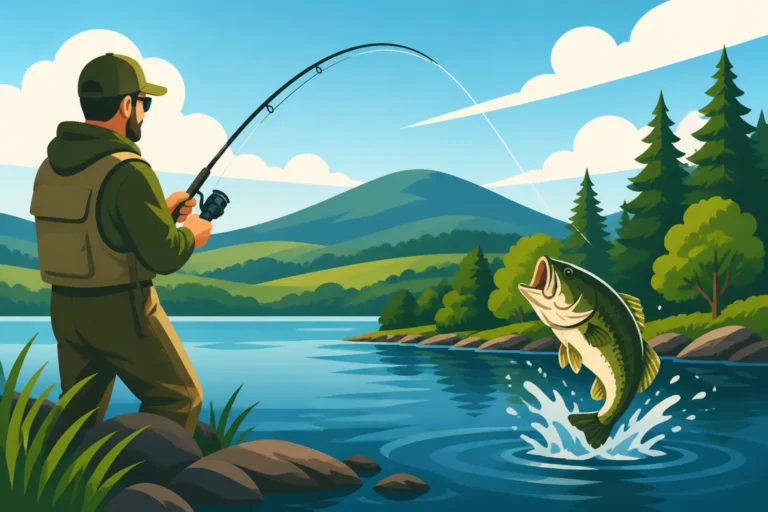
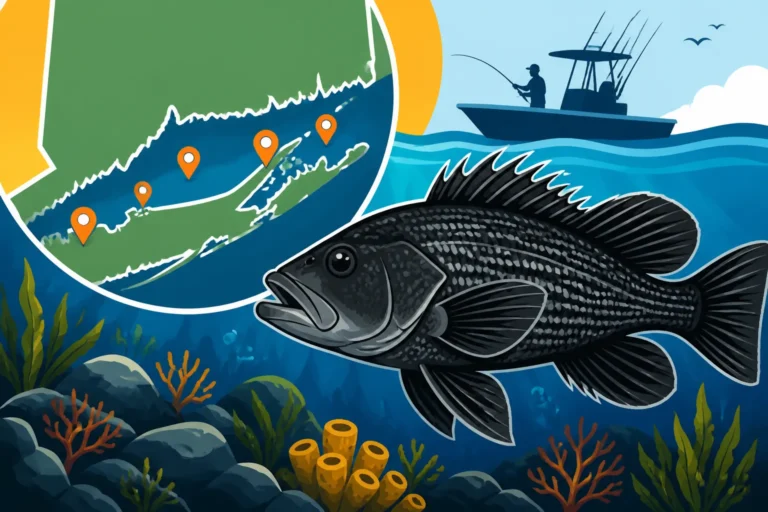
In the upper and middle freshwater sections, you can expect to find hardy species like largemouth and smallmouth bass, various panfish such as bluegill, pumpkinseed, and yellow perch, and even chain pickerel lurking in the weedier areas. These fish are often accustomed to slightly higher fishing pressure and can be a fun challenge. As you move downstream, the river becomes increasingly tidal and brackish. Here, the species profile shifts dramatically. White perch become common, and American eels are frequently encountered. Crucially, during their seasonal migrations, anadromous species like alewife and blueback herring can be present, attracting their predators. Closer to the mouth, the influence of Long Island Sound brings in sought-after saltwater species such as striped bass and bluefish, which follow baitfish into the estuary. You might even stumble upon winter flounder or blackfish (tautog) in the deeper channels near the harbor. It’s truly a testament to nature's resilience.
Navigating the River: Access and Challenges
Fishing an urban river like the Pequonnock presents both unique advantages and its own set of challenges. The biggest advantage, of course, is accessibility. For many residents of Bridgeport and surrounding towns, the river is just a short drive or even a walk away. Public parks, greenways, and numerous bridges offer easy shore access without needing a boat. The Pequonnock River Valley Greenway is a particularly excellent resource, providing miles of trails that parallel the river, with many points where you can easily get down to the water's edge.
However, anglers should be prepared for the realities of an urban environment. Parking can sometimes be limited, especially in downtown areas. While water quality has improved, it's still wise to practice catch and release for many species, especially if there are any specific local advisories. Always check the current Connecticut Fishing Regulations Explained from the DEEP, as these can change and may include specific consumption guidelines for different water bodies. Additionally, after heavy rains, the river can become muddy and swift, and water levels can fluctuate significantly during dry spells, particularly in the upper reaches. Always be aware of your surroundings, both in terms of river conditions and urban activity.
Top Fishing Hotspots Along the Pequonnock River
The Pequonnock River offers a diverse range of fishing experiences, from quiet freshwater pockets to bustling tidal zones. Knowing where to go and what to expect in each section can make all the difference.
Upstream Tranquility: Beardsley Park Area
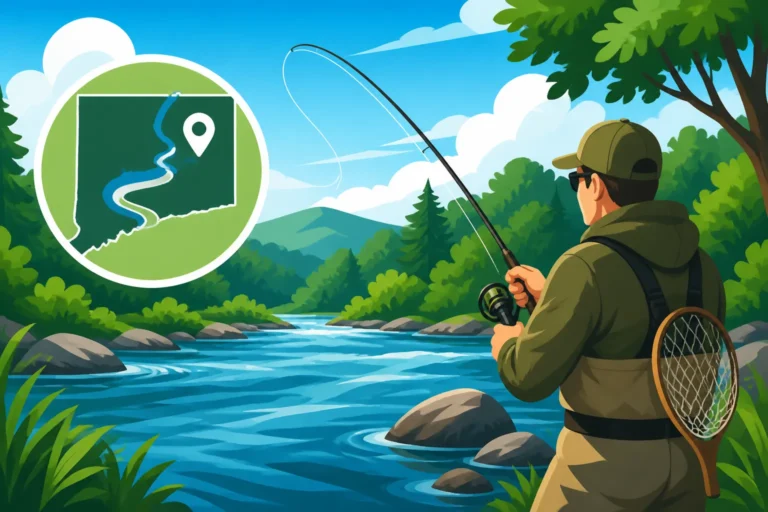
As the Pequonnock River winds its way through Trumbull and into Bridgeport, one of the most accessible and picturesque upstream spots is within and around Beardsley Park. This section of the river feels much more natural and secluded than the downstream tidal areas, despite being in the middle of a city. The park itself provides ample green space, mature trees, and relatively calmer waters, making it an ideal spot for a more relaxed fishing experience.
Anglers here often target largemouth bass, smallmouth bass, and a variety of panfish, including bluegill and yellow perch. These fish thrive in the slightly slower currents and vegetated banks common in this stretch. While the Pequonnock River itself isn't regularly stocked with trout, Beardsley Park Pond, a separate body of water within the park, is a popular destination for Spring Trout Fishing Techniques for Connecticut Streams, often receiving trout stockings. It's worth checking the Connecticut Trout Season and Stocking Rules to see if the pond is slated for stocking, as spillover fish can sometimes find their way into the river itself, though it's not the primary target here. Access points are plentiful throughout Beardsley Park, particularly near the walking trails that hug the riverbanks and close to the Beardsley Zoo. Light spinning tackle with worms, small spinners, or even small crankbaits are effective here. Fly anglers might find success in the calmer pools with small nymphs or streamers, targeting panfish and smaller bass.
Mid-River Opportunities: Downtown Bridgeport & Greenways
Moving downstream, the Pequonnock River takes on a distinctly urban character as it flows through downtown Bridgeport. This section, particularly along the Pequonnock River Valley Greenway, offers excellent shore fishing opportunities right in the city. Don't let the urban landscape deter you; the river here is surprisingly productive. Public access is facilitated by numerous pedestrian bridges and greenway paths that run along both sides of the river, from areas like North Avenue down to Congress Street.
In these mid-river sections, you'll still encounter bass and panfish, but as you get closer to the harbor, the tidal influence becomes more pronounced, and the water starts to become brackish. This is where you might start to pick up white perch, and American eels are almost guaranteed after dark. Fishing under bridges, around pilings, and along concrete seawalls can be particularly effective, as these structures provide cover and ambush points for fish. Techniques here include jigging with soft plastics, casting small plugs, or using live bait like shiners or worms. It's a fantastic spot for a quick fishing session before or after work, offering a unique urban angling experience. The ease of access makes it a great choice for beginner anglers or those looking for convenience.
Tidal Influence and Estuary Fishing: Bridgeport Harbor Mouth
For those seeking more substantial saltwater action, the lower reaches of the Pequonnock River, where it empties into Bridgeport Harbor and Long Island Sound, are prime real estate. This is where the river truly connects with the rich fishery of the Sound, especially during migratory seasons. The influence of the tides here creates strong currents, pushes baitfish into the river, and attracts larger predatory species.
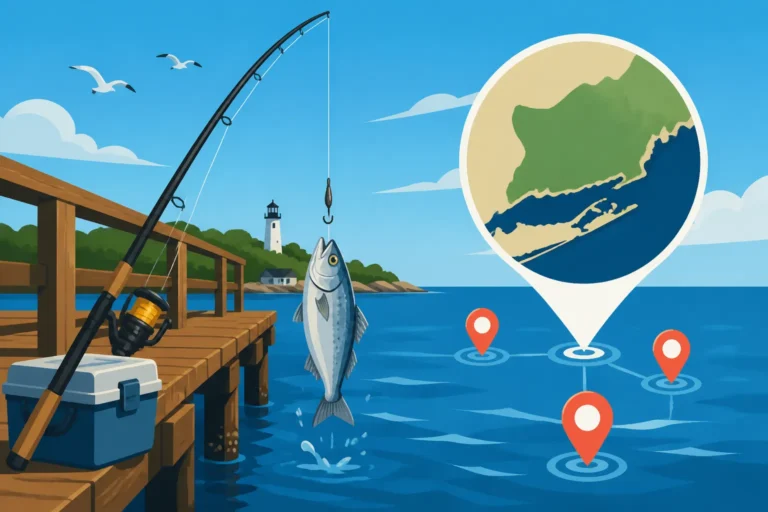
This section is a hotspot for striped bass and bluefish, particularly during their spring and fall runs. Anglers often fish from public piers, seawalls, or near public boat launches that provide access to the harbor. Striper fishermen will cast plugs, soft plastics, or spoons, especially during dawn, dusk, or at night. If you’re targeting striped bass, remember the Connecticut Striped Bass Slot Limit and Season regulations, which often include a circle hook requirement when fishing with bait. Bluefish, known for their aggressive strikes, can also be caught on similar tackle. Beyond the prominent game fish, you can also find other saltwater species like winter flounder and blackfish (tautog) in the deeper pockets and around the rocky structures near the harbor entrance. These species require different techniques; blackfish, for instance, are best targeted with crabs or worms near structure.
For anglers looking to explore beyond the river's mouth, the nearby waters of Long Island Sound offer even more opportunities. Many local charters operate out of Bridgeport Harbor, providing guided trips for species like fluke or sea bass. You can even find reputable options on platforms like FishingBooker if you're interested in booking a trip to expand your horizons into the open Sound for Striped Bass Fishing in Long Island Sound or Fluke Fishing in Long Island Sound. This tidal zone of the Pequonnock offers the best chance at a diverse mixed bag, bridging the gap between freshwater and saltwater angling experiences.
Essential Tips for Fishing the Pequonnock River
Fishing an urban river like the Pequonnock requires a slightly different approach than heading to a remote trout stream. With the right gear, knowledge of regulations, and a strong sense of environmental responsibility, you can have some incredibly rewarding days on the water.
Gear and Bait Recommendations
For the freshwater stretches of the Pequonnock, a light to medium spinning rod and reel combo is your best friend. A 6 to 7-foot rod with a fast action, paired with a reel spooled with 6-10 lb monofilament or braided line, will handle most bass, panfish, and pickerel you encounter. When it comes to bait, the classics often work best:
- Live Bait: Worms (nightcrawlers, red wigglers) are universally effective for panfish, perch, and even small bass. Small shiners or minnows can be deadly for larger bass and pickerel.
- Artificial Lures: Small inline spinners (like Mepps or Rooster Tail), soft plastic grubs or worms on jig heads, and small crankbaits are excellent choices for covering water and enticing strikes. You might also find success with small poppers or walk-the-dog baits for topwater action, especially during dawn and dusk.
As you move into the tidal and saltwater sections, you'll want to beef up your gear slightly. A medium-heavy spinning rod (7-8 feet) with a reel spooled with 15-30 lb braided line and a fluorocarbon leader will give you the backbone needed for bigger striped bass and bluefish.
- Live Bait: Live bunker (menhaden), eels, or chunks of fresh bunker are top choices for large striped bass. Clams or pieces of crab work well for blackfish and scup.
- Artificial Lures: Plugs (darters, swimmers, poppers), large soft plastic paddletails, and metal jigs are highly effective for stripers and bluefish. When jigging for fluke or sea bass, consider bucktail jigs tipped with Gulp! or natural bait. Remember that if you're using bait to target striped bass, a non-offset circle hook is required.
Understanding Regulations and Seasons
Before you cast a line, it is absolutely critical to familiarize yourself with the current fishing regulations. Connecticut's Department of Energy and Environmental Protection (DEEP) sets statewide rules, but there can sometimes be specific regulations for individual water bodies. For the Pequonnock, you'll need to pay close attention to whether you are in a freshwater or saltwater section, as the rules, limits, and seasons differ greatly. A great starting point is the official Connecticut Fishing License Guide for 2026, which outlines everything you need to know about purchasing and carrying your license.
Key things to look out for include:
- License Requirements: Everyone 16 years or older needs a valid Connecticut fishing license. Depending on where you plan to fish on the Pequonnock, you might need an Inland, Marine, or All-Waters license. You can learn more by understanding the differences between a Connecticut Inland vs Marine vs All-Waters License, Explained.
- Size and Bag Limits: These vary significantly by species. For example, there are strict rules for Connecticut Striped Bass Slot Limit and Season to protect the spawning population. Similarly, Connecticut Saltwater Fishing Regulations by Species details limits for fluke, bluefish, and blackfish. For freshwater species like bass and panfish, consult the freshwater section of the DEEP guide.
- Season Dates: While many species can be caught year-round, others have specific open and closed seasons. Trout, for instance, have specific Connecticut Trout Season and Stocking Rules that might impact fishing in nearby stocked ponds. Always check the official DEEP website or the annual Connecticut Angler's Guide for the most up-to-date information. FishingBooker also offers helpful resources on general regulations, but always defer to the official state guides.
Environmental Awareness and Safety
Fishing the Pequonnock River is not just about catching fish; it's about being a responsible steward of this urban natural resource. Given its history and location, mindful angling is paramount.
- Leave No Trace: Always pack out everything you pack in, and if you see any litter, consider picking it up. Keeping the river clean benefits everyone, including the fish.
- Practice Catch and Release: While some fish are perfectly safe to consume, urban waterways can sometimes have advisories regarding fish consumption due to historical pollution. Always check the latest fish consumption advisories from the CT DEEP. If in doubt, or if you're targeting sensitive species, practice responsible catch and release. This ensures a healthy fishery for future generations.
- Be Mindful of Your Surroundings: You're in an urban environment. Be aware of pedestrian traffic on the greenways, secure your belongings, and always prioritize your safety.
- Water Conditions: In the tidal sections, pay attention to tide charts. Strong currents can make fishing difficult and potentially hazardous near certain structures. After heavy rains, runoff can affect water quality and clarity; it's often best to wait for conditions to stabilize.
- Boating Safety: If you are accessing the lower river or harbor by kayak or small boat, remember to follow all Connecticut Boating Laws for Anglers, including mandatory life jacket wear and possessing a Connecticut Safe Boating Certificate Requirement if applicable. Even small watercraft require diligence.
By adhering to these guidelines, you contribute to a positive angling experience for yourself and others, and help protect the Pequonnock River for years to come.
| Section of Pequonnock River | Primary Fish Species | Best Access Points | Recommended Tackle | Key Considerations |
|---|---|---|---|---|
| Upstream (Beardsley Park) | Largemouth Bass, Smallmouth Bass, Panfish, Chain Pickerel | Beardsley Park trails, North Ave bridges | Light spinning (6-10lb), worms, small spinners, soft plastics | Quieter, less current, possible overlap with stocked pond species |
| Mid-River (Pequonnock Greenway) | Largemouth Bass, Smallmouth Bass, Panfish, White Perch, American Eel | Pequonnock River Valley Greenway, various city bridges | Light to medium spinning (8-12lb), jigs, small crankbaits, shiners | Urban setting, moderate tidal influence downstream, structure fishing |
| Tidal/Estuary (Bridgeport Harbor Mouth) | Striped Bass, Bluefish, Winter Flounder, Blackfish (Tautog), White Perch | Public piers, seawalls, boat launches near harbor | Medium-heavy spinning (15-30lb), plugs, soft plastics, live/chunk bait | Strong tidal currents, migratory species, saltwater regulations apply |
Disclaimer
The information provided in this guide is for general informational purposes only and is subject to change. Fishing regulations, stocking schedules, and local conditions can vary. Always consult the official Connecticut Department of Energy and Environmental Protection (CT DEEP) website or their current Angler's Guide for the most up-to-date and accurate regulations and advisories before you head out fishing. Always prioritize safety and environmental responsibility when on the water.