Best canoe fishing routes in Connecticut
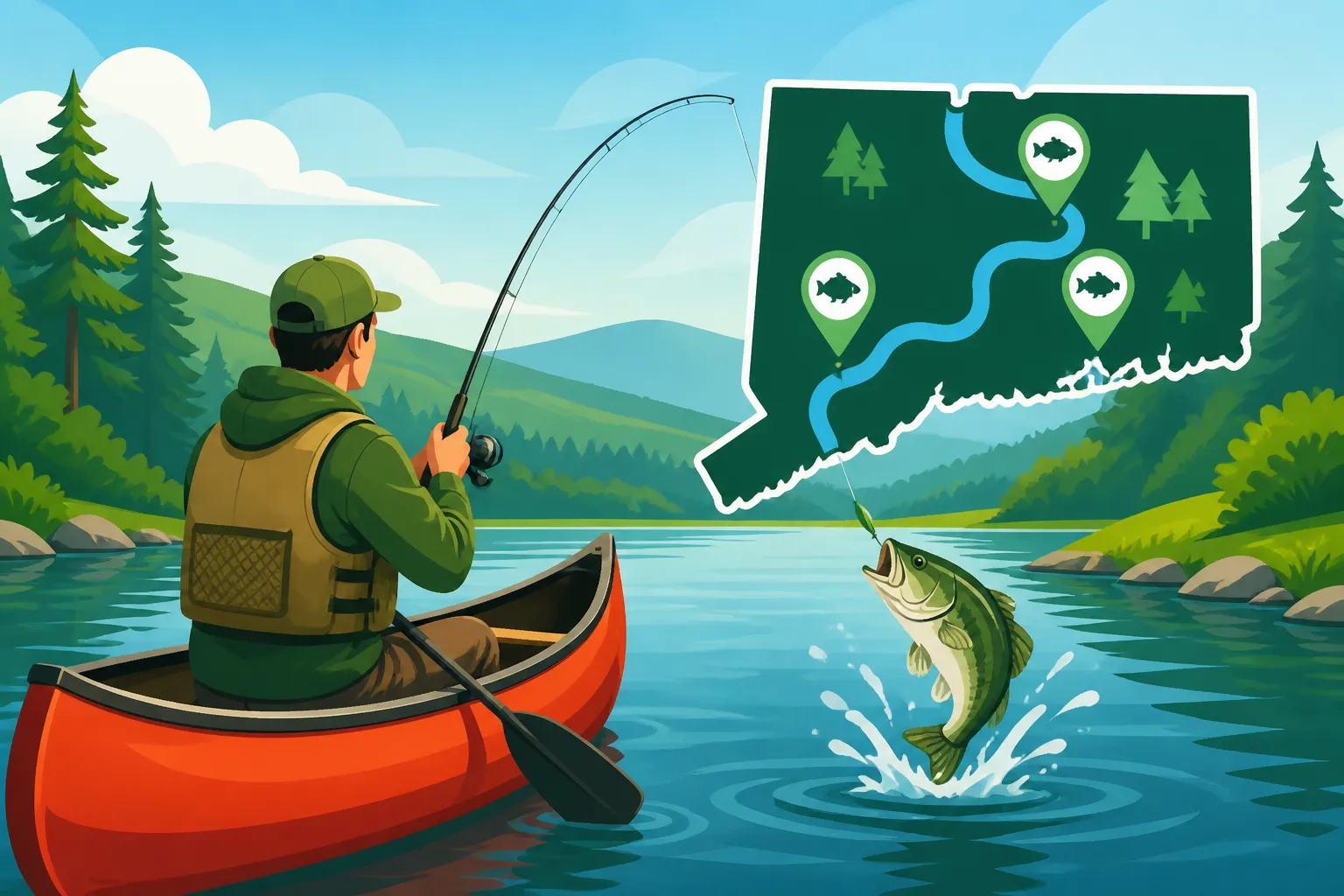
There's nothing quite like the peace and quiet of gliding across the water in a canoe, paddle dipping silently, as you approach a hidden fishing spot in Connecticut. Many anglers feel overwhelmed by larger boats and crowded shorelines, or they simply long for that intimate connection with nature that only a canoe can offer. This guide is dedicated to helping you discover the very best canoe fishing routes across Connecticut, ensuring you find those serene, productive waters for an unforgettable day out.
Why Canoe Fishing Offers a Unique Angling Experience in Connecticut
Canoe fishing isn't just a mode of transport; it's a philosophy. It’s about slowing down, becoming one with the water, and accessing those tucked-away pockets that powerboats can't reach and shore anglers can only dream of. In a state like Connecticut, with its diverse array of rivers, streams, and lakes, a canoe opens up a whole new world of angling possibilities, providing an experience that often feels more personal and rewarding.
The Serenity and Stealth of Canoe Angling
Imagine drifting silently down a winding river, the only sounds being the gentle lap of water against your hull and the chirping of birds. That's the beauty of canoe fishing. Unlike a noisy motorboat, a canoe allows for incredible stealth. This quiet approach is particularly effective when targeting wary fish species like trout or smallmouth bass, which can be easily spooked by sudden vibrations or loud engines. You can sneak up on prime fishing holes, cast precisely into cover, and present your bait or lure without alerting your quarry. This quietude also offers a profound sense of tranquility, turning your fishing trip into a truly restorative escape from the daily grind. It's an opportunity to truly immerse yourself in the natural beauty of Connecticut's waterways.
Accessing Undisturbed Waters and Hidden Gems
One of the biggest advantages of a canoe is its ability to navigate shallow waters, tight bends, and even portage around small obstacles. This means you can reach stretches of rivers or secluded coves in lakes that are simply inaccessible to larger boats or even kayaks in some cases. Many of Connecticut's best fishing spots, especially those holding wild trout or untouched populations of panfish and bass, are found in these less-traveled areas. Think of the smaller, winding sections of rivers that feed into larger bodies, or the lily-pad choked coves where largemouth bass love to hide. These are the "hidden gems" that only a canoe can unlock. For instance, sections of the Bantam River, while small, can be incredibly productive for panfish and smaller bass if you can get into them with a canoe.
The Fitness and Simplicity Aspect
Canoe fishing offers a gentle form of exercise, paddling your way through beautiful landscapes, which adds an extra layer of enjoyment to your outing. It’s also often a more straightforward and less gear-intensive approach compared to powerboating. You don't need a heavy-duty trailer, a gas-guzzling engine, or complicated electronics. A canoe, paddles, personal flotation devices (PFDs), your fishing gear, and a cooler for snacks are usually all you need. This simplicity makes it a fantastic option for impromptu trips or for anglers looking to reduce their environmental footprint. Plus, learning to paddle and navigate a canoe effectively builds a valuable skill set that enhances your overall connection to the water.
Top Canoe Fishing Routes in Connecticut
Connecticut boasts an impressive array of waterways perfect for canoe fishing, each offering its own unique charm and angling opportunities. From tranquil trout streams to bass-filled lakes, there’s a route for every preference and skill level.
River Routes: Winding Through Nature's Best
Canoe fishing on Connecticut's rivers provides an incredible blend of stunning scenery and diverse fishing action. The moving water often means a constant supply of food, keeping fish active and providing a dynamic fishing experience.
The Farmington River: A Trout Angler's Dream
The Farmington River, particularly its West Branch, is renowned as one of the Northeast's premier trout fisheries. While many anglers focus on wade fishing, certain stretches are absolutely fantastic for canoe fishing, especially during periods of higher water or for those who prefer to drift through productive pools. The upper sections, from Riverton down to the New Hartford area, offer a mix of stocked and wild trout, including impressive brown trout and rainbow trout. Access points can be found at various state parks and fishing access sites, such as those near the Satan's Kingdom Recreation Area.
When canoeing the Farmington, you’ll want to pay close attention to the numerous runs, riffles, and deep pools. Drifting through these sections allows you to present nymphs, streamers, or even dry flies to holding fish with minimal disturbance. The cooler, oxygen-rich waters here are ideal for trout, even into the warmer months, though special regulations apply in certain areas. Remember to check the Connecticut Trout Management Area Regulations before you go, as some sections have specific catch-and-release or tackle restrictions. It’s a truly picturesque route, offering a chance to catch trophy-sized trout amidst breathtaking scenery.
The Housatonic River: Smallmouth Bass and Scenic Beauty
Further west, the Housatonic River offers a completely different, yet equally rewarding, canoe fishing experience. While it also has excellent trout fishing in its upper reaches, the sections from Falls Village down through Kent and into the New Milford area are famous for their robust smallmouth bass populations. This river is characterized by long, slow-moving pools interspersed with exciting rapids, making for a thrilling paddle and productive fishing. Access points are numerous, often found at town parks or designated boat launches.
Canoe fishing on the Housatonic allows you to cover significant stretches of water, targeting rocky outcrops, submerged timber, and current breaks where smallmouth love to ambush prey. These powerful fighters offer an exhilarating experience on light tackle. Beyond smallmouth, you might also encounter some largemouth bass, panfish, and even northern pike in the slower sections. It's also worth noting that the Housatonic River experiences a summer closure in some areas to protect trout from warm water temperatures, so always consult the Connecticut Housatonic River Seasonal Closure Explained before planning your trip. The scenery, with its rolling hills and dense forests, is simply stunning, making the journey as enjoyable as the fishing.
The Connecticut River: Exploring its Expansive Tributaries and Backwaters
While the main stem of the Connecticut River can be wide and subject to significant boat traffic, its numerous tributaries and expansive backwater coves are ideal for canoe fishing. Around areas like Haddam, East Haddam, or the lower sections near Old Saybrook, you'll find marshes and protected coves that teem with life. These areas are fantastic for targeting largemouth bass, northern pike, chain pickerel, and various panfish. In the spring, the river is also famous for its American shad run, offering a unique and exciting fishery.
A canoe allows you to slip into these shallower, vegetated areas where larger boats can't go. You can cast into thick cover, explore oxbow lakes, and navigate through reeds and lily pads. These routes are perfect for a full day of exploration and offer a chance to catch a wide variety of species. Some smaller tributary rivers, like the Salmon River or the Eightmile River, which feed into the Connecticut, can also provide excellent, more intimate canoe fishing, especially for trout and smallmouth bass in their upper reaches.
Lake and Pond Routes: Serene Waters and Diverse Species
For those who prefer calmer waters and perhaps a bit less current, Connecticut's lakes and ponds offer an abundance of canoe fishing opportunities. Many state parks and local conservation areas provide easy access.
Mashapaug Lake: Northeast Connecticut Gem
Located in Union, Mashapaug Lake is one of the largest natural lakes in Connecticut and offers excellent fishing for a variety of species. Its numerous coves, submerged structure, and varying depths make it a fantastic destination for canoe anglers. Here, you can target largemouth and smallmouth bass, chain pickerel, yellow perch, and various panfish. The lake also receives trout stockings, adding another dimension to its fishery.
Canoeing Mashapaug allows you to methodically work the shoreline, focusing on docks, fallen trees, and weed lines where bass and pickerel often lurk. The quieter areas away from any potential powerboat traffic (which is generally limited here) are particularly productive. It's a great spot for both baitcasting and fly fishing, with plenty of room to explore without feeling crowded. The surrounding Nipmuck State Forest provides a beautiful, natural backdrop to your fishing adventure.
Hopeville Pond: Family-Friendly and Productive
Hopeville Pond, situated within Hopeville Pond State Park in Griswold, is an incredibly popular and accessible spot for canoe fishing, especially for families or those seeking a relaxed outing. This pond is consistently stocked with trout, and also holds healthy populations of largemouth bass, pickerel, and panfish. The park offers easy canoe launch facilities, making it simple to get on the water.
With a canoe, you can easily paddle around the pond, exploring the coves and fishing the edges of emergent vegetation. It's a fantastic place to introduce children to fishing, as the panfish are often eager biters, and the chance of hooking a stocked trout is high. The pond's manageable size means you can cover a lot of water in a day without feeling exhausted. For up-to-date stocking information, keep an eye on the Connecticut Interactive Trout Stocking Map, Explained to time your visit just right after a fresh batch of fish has been released.
State Park Ponds: Countless Opportunities
Beyond specific large lakes, Connecticut is dotted with numerous smaller ponds within its state parks and forests that are perfect for canoe fishing. Places like Black Pond in Middlefield, Gardner Lake in Salem, or Mt. Tom Pond in Litchfield offer excellent, often less-pressured fishing for bass, pickerel, and panfish. Many of these ponds are either restricted to electric motors only or are entirely paddlecraft-friendly, ensuring a peaceful experience.
These smaller bodies of water are ideal for exploring every nook and cranny with a canoe. You can quietly maneuver into tight spots, cast to structure, and enjoy the solitude. Before heading out, it’s always a good idea to check the specific regulations for fishing in state park ponds, as some might have unique rules or species limits. These locations truly embody the spirit of tranquil canoe angling, providing a perfect escape for a day on the water.
Planning Your Connecticut Canoe Fishing Trip
Embarking on a canoe fishing adventure in Connecticut requires a bit of planning to ensure a safe, enjoyable, and successful outing. From licenses to essential gear, being prepared makes all the difference.
Essential Licenses and Regulations
First and foremost, before you even dip a paddle, you absolutely need a valid Connecticut fishing license. This isn't just a suggestion; it's a legal requirement for anyone 16 years of age or older. You can easily obtain a license online through the Connecticut Department of Energy and Environmental Protection (DEEP) website or from various licensed vendors throughout the state. For comprehensive details on purchasing, fees, and requirements, be sure to check out our detailed guide on Where and How to Buy a Connecticut Fishing License.
Beyond the general fishing license, it’s crucial to be aware of the specific regulations for the water body you plan to fish. Connecticut has a wide array of special regulations, especially for trout management areas, specific lakes, or certain species. Always consult the official Reading the Connecticut Fishing Guide or the DEEP website for the most current rules regarding creel limits, size restrictions, and season dates. Ignoring these rules can lead to significant fines. For instance, specific sections of the Farmington River might have catch-and-release fly fishing only rules, while others allow harvest with certain tackle restrictions.
Lastly, if your canoe is equipped with a motor of any kind, even an electric trolling motor, you'll need to adhere to Connecticut Boating Laws for Anglers. This might include registering your vessel and potentially requiring a Connecticut Safe Boating Certificate Requirement depending on the motor size and your age. Always err on the side of caution and ensure you’re fully compliant with all state regulations.
Key Gear for a Safe and Productive Day
The right gear can significantly enhance your canoe fishing experience, making it safer, more comfortable, and more productive. Don't just grab your rod and go; think through what you'll need for a full day on the water.
Safety Equipment
Safety should always be your top priority. By law, every person in a canoe must have a readily accessible, Coast Guard-approved personal flotation device (PFD). It's always a good idea to wear it, especially in colder water or if you're not a strong swimmer. Check out our guide on Life Jacket Requirements for Connecticut Boaters for specific rules. Beyond PFDs, carry a whistle for signaling, a small first-aid kit, and a basic repair kit for your canoe if you're venturing into remote areas. A bailing bucket or sponge is also essential for removing any water that might get into your canoe. Remember to bring plenty of water to stay hydrated, and snacks to keep your energy up.
Fishing-Specific Gear
When it comes to fishing gear, simplicity is often key in a canoe. A medium-light to medium-action spinning rod (6'6" to 7' long) is versatile enough for most freshwater species you'll encounter. Pair it with a reliable spinning reel spooled with 6-10 lb test monofilament or braided line. For lures, pack a selection of jigs, small crankbaits, soft plastics, and topwater lures that match the forage in the waters you'll be fishing. If targeting trout, a fly rod setup or an ultralight spinning rod with small spinners or worms would be appropriate. Don't forget a small tackle box, a pair of pliers for hook removal, and a net for landing fish, especially if you're aiming for catch-and-release.
For navigation, a good waterproof map of the waterway or a reliable GPS app on your phone (with a fully charged power bank!) is invaluable, especially on larger rivers or lakes with many coves. Consider a small, lightweight anchor to hold your position over productive spots or in currents. A dry bag is also a must-have for protecting your phone, keys, wallet, and any extra layers of clothing from splashes or unexpected capsizes.
Essential Tips for Success on the Water
Canoe fishing, while seemingly simple, involves a few nuances that can significantly impact your success and enjoyment. Mastering these tips will help you make the most of your time on Connecticut’s waterways.
Mastering Canoe Control and Positioning
Effective canoe control is paramount for successful fishing. It’s not just about getting from point A to point B; it’s about subtle adjustments that allow for optimal casting angles, quiet approaches, and precise lure presentations. When fishing solo, sitting on the bow seat facing the stern, or kneeling closer to the middle, offers better trim and control. For tandem fishing, the stern paddler steers while the bow angler often focuses on casting.
Learn to paddle with minimal noise and disturbance. Short, quiet strokes will help you sneak up on fish without spooking them. When drifting a river, use your paddle as a rudder to guide the canoe, slowing its progress or angling it towards prime structure. If you find a promising spot, a lightweight anchor can hold your position, allowing you to thoroughly work the area without constantly having to re-paddle. For smaller, slower moving water, a stake-out pole can also be an excellent option for quick and silent anchoring. Remember, good canoe positioning isn't just about getting there; it's about being stable, quiet, and perfectly angled for your next cast.
Reading the Water for Productive Spots
Just like any form of fishing, understanding where fish hold in a river or lake is crucial. In rivers, look for current seams, eddies behind rocks or fallen trees, deep pools, and undercut banks. These areas provide fish with cover, reduced current, and ambush points for feeding. Pay attention to changes in water color, depth, and flow. A sudden drop-off or a shift from rocky bottom to sandy flats can indicate a fish-holding zone.
On lakes and ponds, target areas with submerged structure like weed beds, lily pads, fallen trees, rock piles, and points that extend into deeper water. These are prime hiding spots for bass, pickerel, and panfish. In deeper lakes, look for depth changes indicated on maps or by your sonar if you have a portable unit. Early morning and late evening often see fish moving into shallower waters to feed, making these excellent times to target shoreline cover from your canoe. The ability to stealthily access these hidden spots is where your canoe truly shines. If you're struggling to find fish, don't be afraid to change locations; the beauty of a canoe is its portability and ability to quickly move to new areas.
Responsible Angling and Conservation
As canoe anglers, we often seek out the wilder, less-pressured areas, and with that privilege comes a responsibility to protect these precious resources. Practice responsible angling habits, including proper catch-and-release techniques, especially for larger or sensitive species like trout in the Connecticut Farmington River Trophy Trout Stream Rules. Minimize handling time, use barbless hooks, and revive fish gently before release. Consider using rubberized nets to protect fish slime coats.
Always pack out everything you pack in, and perhaps even a little extra litter you find. Leave no trace of your visit. Be mindful of wildlife; canoes allow us to get closer to nature, but it's important not to disturb nesting birds or other animals. Be aware of local regulations, like the Connecticut Fishing Season Dates and Closures, and report any violations you witness to DEEP. By being good stewards of the environment, we ensure that these beautiful canoe fishing routes remain pristine and productive for generations to come.
When considering a guided trip, especially if you're new to a specific waterway or want to learn advanced techniques, reputable services listed on platforms like FishingBooker often adhere to these conservation principles and can provide invaluable local knowledge. They can help you navigate the best spots and understand the nuances of a particular fishery, ensuring a rewarding experience while respecting the environment.
Conclusion
Canoe fishing in Connecticut truly offers a unique and deeply satisfying way to connect with the state's abundant waterways and their diverse fish populations. From the serene drift down a trout-laden river like the Farmington, to exploring the bass-filled coves of Mashapaug Lake, a canoe provides unparalleled access to hidden gems and a tranquil angling experience. With the right preparation, adherence to regulations, and a respectful approach to nature, you're set for countless memorable adventures on the water. So, grab your paddle, pack your gear, and discover the magic of canoe fishing in Connecticut – those untouched spots are waiting for you.
Disclaimer
Please remember that fishing regulations, conditions, and access points can change. Always check the latest Connecticut Department of Energy and Environmental Protection (DEEP) official regulations and advisories before planning your trip to ensure compliance and safety. This guide is for informational purposes only and does not constitute legal advice.