Best pier fishing spots on Long Island Sound
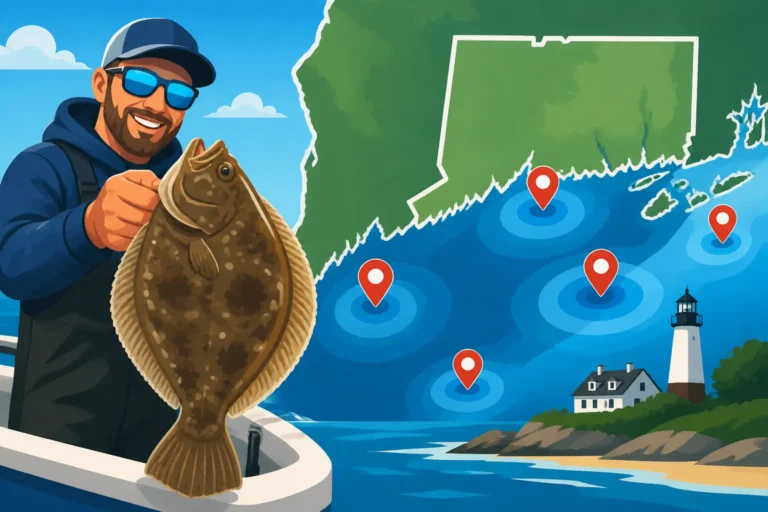
There’s nothing quite like the urge to get a line in the water, but let’s be real – not everyone has a boat, and sometimes, battling crowded boat ramps or expensive charters just isn't in the cards. For many of us, the desire to experience the thrill of a tug on the line clashes with the practical realities of access and cost. This guide is all about cutting through that frustration, revealing the best public pier fishing spots along Connecticut’s Long Island Sound, so you can enjoy fantastic angling without needing a vessel.
Why Pier Fishing on Long Island Sound is a Game Changer
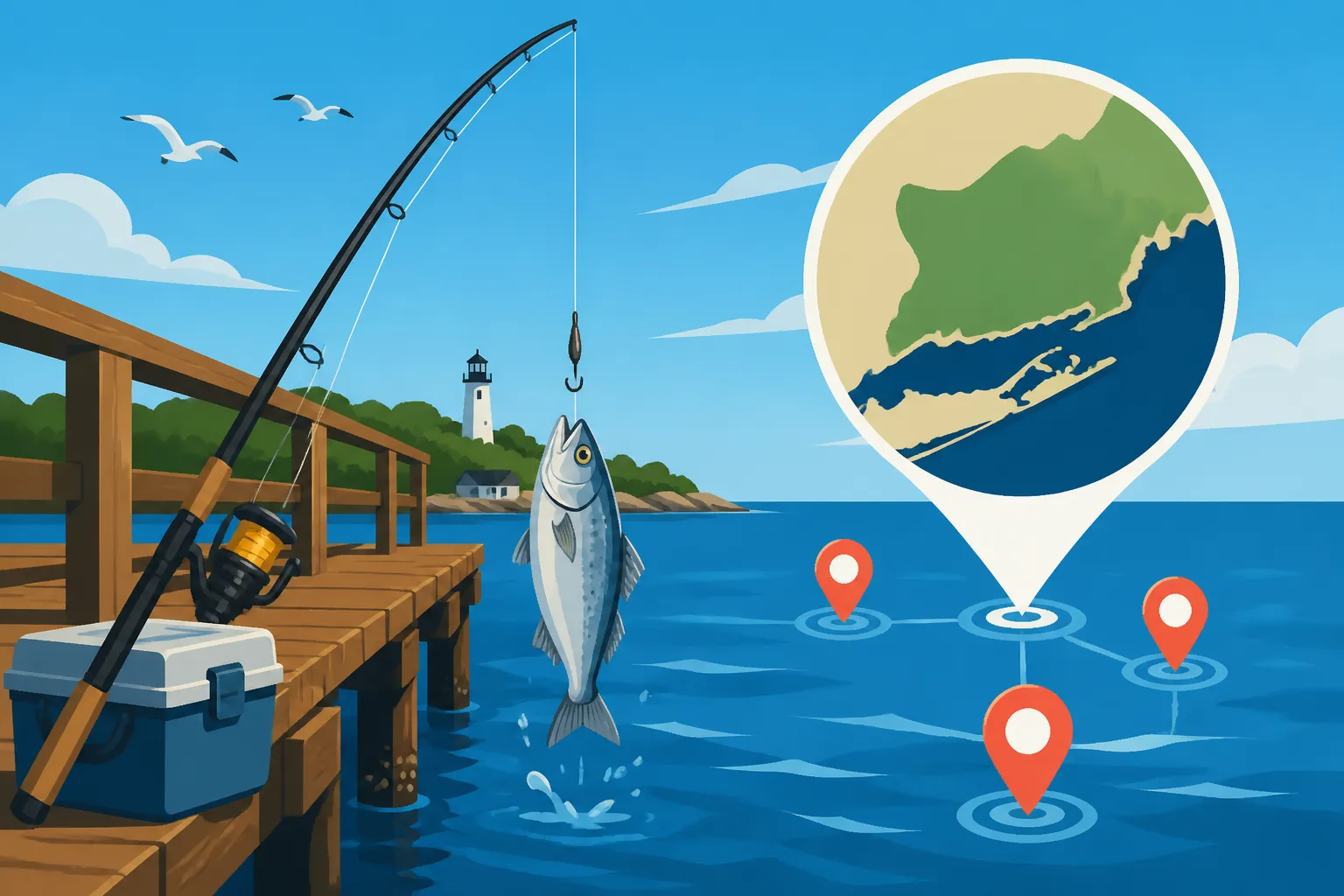
Pier fishing offers an incredible, often overlooked, opportunity to connect with the diverse aquatic life of Long Island Sound. It’s a perfect solution for anglers of all skill levels, from seasoned veterans looking for a quick fix to families introducing their kids to the joy of fishing.
Accessibility and Convenience for All Anglers
One of the biggest advantages of pier fishing is its sheer accessibility. You don’t need a boat, you don’t need specialized launch points, and often, you don’t even need extensive gear. Piers typically extend out over deeper water, putting you right where the fish are, and they usually come with amenities like parking, restrooms, and sometimes even bait shops nearby. This means less planning and more actual fishing time. Think about it: a quick drive, a short walk, and your line is in the water. It’s an ideal way to spend an afternoon or evening, completely free from the hassles of trailering a boat or coordinating a costly charter. For those who want to venture out further, remember that platforms like FishingBooker offer a wealth of information on local conditions, even if you’re just looking for general insights before hitting the pier.
Piers are also incredibly family-friendly. The stable, solid ground makes them safe for children and those with mobility challenges. You can set up multiple rods, pack a cooler with snacks, and really make a day of it without worrying about choppy water or navigating a small craft. It’s a fantastic way to introduce new anglers to the sport in a comfortable, low-pressure environment. Plus, the social aspect of pier fishing often means you can pick up tips and tricks from fellow enthusiasts, making it a truly communal experience.
Diverse Species You Can Target from Piers
Don't let anyone tell you that pier fishing is just for small fish. Long Island Sound is teeming with a variety of species that migrate along its shores and hold near structure, making them prime targets from a pier. You'd be surprised what you can pull out of the water when you're casting from one of these platforms.
Common catches include striped bass, bluefish, fluke (summer flounder), scup (porgy), and tautog (blackfish). Depending on the season, you might also encounter snapper blues, weakfish, or even some smaller bottom feeders like sea robins. The beauty of these spots is that the underwater structure often found around piers, such as pilings, rock piles, and artificial reefs, provides excellent habitat and ambush points for predatory fish. During the spring and fall migrations, you'll often find schools of baitfish moving through, drawing in larger game species right to your casting range. Understanding the nuances of what's biting where and when can significantly improve your chances, and a good resource for checking local bite reports can be invaluable. For a general overview of what fish are around, take a look at our guide on the Connecticut Fishing Seasons by Month.
A Cost-Effective Way to Get on the Water
Let's face it, fishing can be an expensive hobby. Boats, motors, fuel, maintenance, not to mention all the gear – it adds up fast. Pier fishing significantly reduces that barrier to entry. All you really need is a rod, reel, some tackle, and a valid Connecticut fishing license. This makes it an incredibly democratic way to enjoy the sport, opening up opportunities for everyone regardless of their budget.
Compared to the cost of a charter, which can easily run into hundreds of dollars for a half-day trip, a day on a pier is virtually free, beyond your initial gear investment and license. This economic advantage means you can go fishing more often, honing your skills and enjoying the peace and excitement of the water whenever the mood strikes, without breaking the bank. It's the ultimate "poor man's yacht" experience, putting you over productive waters without the massive overhead.
Top Pier Fishing Spots on Long Island Sound
Connecticut's shoreline offers several excellent public piers that consistently produce good fishing. Knowing which ones to hit and what to expect can make all the difference in your success. Each pier has its own unique characteristics and target species, so it pays to do a little homework before you go.
Public Piers with a Track Record of Success
When you're looking for consistent action and easy access, certain piers along Long Island Sound stand out. These spots are popular for a reason – they're well-maintained, offer good depths, and are known for attracting a variety of fish.
-
Lighthouse Point Park Pier (New Haven): This iconic pier at Lighthouse Point Park is a favorite among local anglers. Stretching out into New Haven Harbor, it provides access to deeper water and is a fantastic spot for striped bass, bluefish, and fluke. You'll often find anglers targeting scup and tautog around the pilings as well. The park itself is beautiful, offering amenities like restrooms and plenty of parking, making it ideal for a full day out. The best fishing here often coincides with strong tide movements, particularly the incoming or outgoing tides, which push baitfish past the pier. Don't forget to check the Connecticut Striped Bass Slot Limit and Season before you head out, as regulations can vary.
-
Captain's Cove Seaport Pier (Bridgeport): Situated in a lively seaport area, Captain's Cove offers a unique fishing experience. While it might feel more commercial, the public pier here can be surprisingly productive, especially for snapper blues in late summer and schoolie striped bass throughout the warmer months. It's a great spot for light tackle fishing and a fantastic place to take kids, given the bustling atmosphere and nearby attractions. The pier structure itself provides cover for baitfish, attracting predators. Access to bait and tackle can sometimes be found nearby, adding to the convenience.
-
Stonington Borough Dock (Stonington): Heading further east, the historic Stonington Borough boasts a working dock that welcomes anglers. This isn't a long, dedicated fishing pier in the traditional sense, but its deep-water access in the harbor mouth makes it a prime location for bottom fishing for scup and tautog. During the migrations, striped bass and bluefish will also patrol these waters. The surrounding rocky shoreline and current make it a very fishy area. Parking can be a bit tight in Stonington Borough, especially on weekends, so plan accordingly. Many anglers here use jigs and bait around the rocks and structure for blackfish, so make sure you're aware of the Connecticut Blackfish (Tautog) Season Dates.
-
Norwalk Veterans Park Pier (Norwalk): This pier offers excellent access to the western end of Long Island Sound. It's a solid spot for striped bass and bluefish, particularly during their migratory periods. Fluke can also be caught here, especially with bucktails or traditional fluke rigs drifted along the bottom. The pier provides ample space, and like many public parks, it has facilities that make for a comfortable fishing trip. The tidal currents here can be significant, which is often a good thing for drawing in active fish.
-
Calf Pasture Beach Pier (Norwalk): Another great option in Norwalk, Calf Pasture Beach offers a long fishing pier that extends into the Sound. This pier is known for its consistent action, particularly for snapper blues in the late summer and early fall, and schoolie striped bass throughout the warmer months. It's also a good location for scup and sometimes small fluke. The beach setting makes it family-friendly, with plenty of space for kids to play if they tire of fishing. Parking is usually readily available, though there might be a fee during peak season.
Tips for Maximizing Your Catch at Specific Piers
Knowing where to go is just the first step; knowing how to fish these piers effectively is where you'll really start to shine. Different piers and different times of year call for different approaches.
For Lighthouse Point Park Pier, focus on incoming or outgoing tides. Striped bass and bluefish will often hold on the edges of the current, waiting to ambush bait. Try casting bucktail jigs, soft plastics, or topwater lures if baitfish are visible. For fluke, a traditional hi-lo rig with a Gulp! Swimming Mullet or a piece of squid is hard to beat, fished along the bottom. You’ll want to vary your retrieve speed and depth until you find what the fish are reacting to.
At Captain's Cove Seaport Pier, the action can be very localized. Look for areas with current breaks or around the pilings. Smaller hooks and baits are often effective here, especially for snapper blues. Try small Kastmasters or Sabiki rigs for baitfish, which in turn can be used as live bait for larger predators. Early mornings and evenings often produce the best results for striped bass, when boat traffic is minimal.
Stonington Borough Dock is all about structure. Target the edges of the dock and any rocky outcrops with bottom rigs. For tautog, green crabs or pieces of clam on a small, strong hook (like a J-hook or small circle hook) are ideal. Scup will readily hit clam or squid baits. Since it's a working dock, be mindful of boat traffic and maintain a respectful distance from moored vessels.
The Norwalk Veterans Park Pier and Calf Pasture Beach Pier respond well to similar tactics. During spring and fall, cast metal lures or soft plastic shads for striped bass and bluefish. In summer, try drifting live or cut bait under a float for snapper blues, or work bucktail jigs with Gulp! tails for fluke. These piers often have lights at night, which can attract baitfish and, consequently, larger game fish. Night fishing can be particularly productive for striped bass. Remember to be mindful of local noise ordinances and other anglers if you're fishing late. Platforms like FishingBooker sometimes feature local guides who can offer even more specific advice for these spots.
Essential Gear and Techniques for Pier Fishing in Connecticut
Having the right gear and knowing the right techniques can drastically improve your pier fishing success. You don't need a boatload of expensive equipment, but a few key items will make your experience much more enjoyable and productive.
Rods, Reels, and Line Choices
When it comes to pier fishing on Long Island Sound, versatility is key. You're likely to encounter a range of fish, from small scup to decent-sized striped bass.
- Rods: A medium to medium-heavy spinning rod, typically in the 7 to 9-foot range, is a great all-around choice. This length gives you enough casting distance to reach productive water and sufficient backbone to handle larger fish, while still being manageable on a pier. Look for a rod with a sensitive tip to detect subtle bites but a strong butt section for leverage. A good example would be a 7'6" medium-heavy rod that can cast 1-3 ounces.
- Reels: Pair your rod with a reliable spinning reel in the 4000 to 6000 size range. This size offers a good balance of line capacity, drag power, and comfortable retrieve. Brands like Shimano, Penn, and Daiwa offer excellent options that can withstand the rigors of saltwater. Ensure your reel has a smooth, consistent drag system, as this is crucial for fighting strong fish.
- Line: Braided line is generally preferred for pier fishing. It offers superior casting distance, minimal stretch for better bite detection, and excellent strength-to-diameter ratio. A 20-30 pound test braided line is a good starting point. You'll want to tie on a fluorocarbon leader, typically 20-40 pound test, to your main line. Fluorocarbon is less visible in the water and more abrasion-resistant, which is vital when fishing around pilings and rocky structures. This setup will give you the sensitivity and power needed for most Long Island Sound pier species. For details on specific species, check out our guide on How to Catch Striped Bass in Long Island Sound.
Baits, Lures, and Rigs That Work
The array of baits, lures, and rigs can seem overwhelming, but a few go-to options will cover most pier fishing scenarios.
- Live Bait: If you can get it, live bait is often king. Live bunker (menhaden), spearing, or silversides are deadly for striped bass and bluefish. You might be able to catch your own baitfish using a Sabiki rig. Shiners or killifish are great for snapper blues. For tautog, nothing beats green crabs or fiddler crabs. Just remember to use a small hook appropriate for the bait.
- Cut Bait: Fresh cut bait, such as bunker chunks, clam strips, or squid, works wonders for a variety of species, including striped bass, bluefish, scup, and even fluke. Use a basic bottom rig or a fish finder rig for presenting cut bait effectively.
- Artificial Lures:
- Bucktail Jigs: These are incredibly versatile. Tipped with a soft plastic trailer (like a Gulp! Swimming Mullet) or a strip of squid, they are lethal for fluke, striped bass, and even bluefish. Experiment with different colors and weights (1/2 oz to 2 oz) to match the depth and current.
- Soft Plastics: Imitations of baitfish or worms, like Z-Man DieZel MinnowZ or Berkley Gulp! baits, rigged on a jig head or a weighted swimbait hook, are excellent for striped bass and bluefish.
- Metal Lures: Kastmasters, diamond jigs, or other shiny metal spoons are fantastic for casting long distances, especially when baitfish are schooling or bluefish are aggressively feeding. Retrieve them quickly to imitate fleeing bait.
- Topwater Plugs: For explosive strikes, especially at dawn or dusk, or when stripers and bluefish are actively feeding on the surface, topwater plugs like poppers or walk-the-dog baits are incredibly exciting.
- Rigs:
- High-Low Rig: This is a classic bottom fishing rig, perfect for scup, fluke, and other bottom dwellers. It consists of two hooks tied at different heights above a sinker.
- Fish Finder Rig: Ideal for larger fish like striped bass, this rig allows a fish to take the bait without feeling the resistance of the sinker immediately. It uses a sliding sinker above a swivel, leader, and hook.
- Tautog Rig: A simple rig with a single strong hook (often an octopus hook) and a heavier sinker to hold bottom in current, sometimes with a snelled hook and a sinker below.
Knowing the Best Baits for Smallmouth Bass on the Housatonic might not directly apply here, but the principle of matching your bait to the local forage is universal.
Navigating Regulations and Best Practices
Fishing from a pier on Long Island Sound is a fantastic experience, but it's crucial to understand the rules and practice responsible angling. This ensures a safe, enjoyable trip for everyone and helps protect our valuable marine resources.
Understanding Connecticut Fishing Regulations
Before you even make your first cast, you need a valid Connecticut fishing license. Everyone aged 16 and older needs a license to fish in Connecticut waters, whether freshwater or saltwater. For pier fishing on Long Island Sound, you'll specifically need a Connecticut Marine Waters Fishing License, or an All-Waters license if you plan to fish both. You can easily purchase these online through the Connecticut DEEP website or from various authorized vendors throughout the state. Take a look at our comprehensive Connecticut Fishing License Guide for 2026 for all the details.
Beyond the license, it’s absolutely essential to be familiar with the current regulations for the species you might encounter. These rules dictate minimum length limits, daily creel limits (how many fish you can keep), and sometimes even specific seasons or gear restrictions. These regulations can change annually, so it's always wise to check the most recent Connecticut Angler's Guide. For instance, striped bass have a specific slot limit, meaning you can only keep fish within a certain size range, not too small and not too large. Fluke also have minimum length requirements and specific season dates. Ignoring these rules can lead to hefty fines and a ruined day on the water. Our guide on Connecticut Saltwater Fishing Regulations by Species provides a detailed breakdown of what you need to know for various popular catches. Always carry a measuring tape or ruler to ensure your catch meets the legal requirements before deciding to keep it.
Responsible Angling and Safety Tips
Being a responsible angler goes beyond just following the rules; it’s about respecting the environment, the fish, and your fellow anglers.
- Leave No Trace: This is paramount. Whatever you bring onto the pier, take it with you when you leave. This includes discarded fishing line, bait containers, food wrappers, and anything else. Fishing line, in particular, can be deadly to wildlife. Many piers have trash receptacles, so use them. Let's keep our beautiful Long Island Sound accessible and clean for everyone.
- Practice Catch and Release Wisely: If you're not keeping a fish, handle it carefully and release it quickly. Wet your hands before touching fish, support their body weight, and use de-hooking tools if necessary to minimize stress and injury. For more on this, you might find tips in our Striped Bass Catch and Release Survival Tips article, which applies broadly to many species.
- Be Mindful of Others: Piers are public spaces, often shared with sightseers, walkers, and other anglers. Be aware of your casting space, avoid loud noises, and keep your fishing area tidy. If a fellow angler is reeling in a fish, give them space and avoid casting over their line. Patience and courtesy go a long way in creating a positive experience for everyone.
- Stay Safe: Always be aware of your surroundings. Piers can be slippery, especially when wet or covered in algae. Wear appropriate footwear with good grip. If you’re fishing at night, a headlamp is essential. Be cautious of children and pets near the water's edge. Also, be aware of sudden weather changes, particularly thunderstorms that can pop up quickly over the Sound. A simple checklist before you head out, perhaps including a quick check of weather conditions on a reliable platform like FishingBooker, can prevent an unpleasant surprise.
Table of Top Connecticut Pier Fishing Spots on Long Island Sound
| Pier Name | Location (Town) | Primary Target Species | Best Time to Fish | Notable Features / Tips |
|---|---|---|---|---|
| Lighthouse Point Park Pier | New Haven | Striped Bass, Bluefish, Fluke, Scup, Tautog | Incoming/Outgoing Tide | Ample parking, restrooms, scenic park, deep water access. |
| Captain's Cove Seaport Pier | Bridgeport | Snapper Bluefish, Schoolie Striped Bass, Scup | Late Summer (Snappers) | Lively atmosphere, nearby restaurants, good for kids. |
| Stonington Borough Dock | Stonington | Tautog, Scup, Striped Bass, Bluefish | All Tides (Structure) | Historic setting, strong currents, target structure around dock. |
| Norwalk Veterans Park Pier | Norwalk | Striped Bass, Bluefish, Fluke, Scup | Migratory Seasons | Large pier, good casting distance, park amenities. |
| Calf Pasture Beach Pier | Norwalk | Snapper Bluefish, Schoolie Striped Bass, Scup, Fluke | Warm Months | Beach access, family-friendly, good for light tackle. |
Disclaimer
The information provided in this guide is for general informational purposes only and is subject to change. Fishing regulations, seasons, and access policies can vary and are updated periodically by the Connecticut Department of Energy and Environmental Protection (DEEP). Always consult the official Connecticut Angler's Guide and local signage before fishing to ensure compliance with all current rules and regulations. Fishing involves inherent risks; please exercise caution and prioritize safety on and near the water.