Best public fishing access near Litchfield Connecticut
Finding a fantastic fishing spot near Litchfield, Connecticut, especially one with easy public access, can sometimes feel like trying to crack a secret code. Many anglers get frustrated sifting through maps and online forums, only to find limited details or confusing directions. This guide is here to cut through that confusion, helping you discover some truly wonderful and accessible fishing locations in and around Litchfield that offer diverse experiences for every type of angler.
Exploring the Litchfield Area's Freshwater Gems
Litchfield County is renowned for its picturesque landscapes, and thankfully, it's also home to some incredible freshwater fishing opportunities. Whether you're chasing trophy bass, delicate trout, or just looking to spend a peaceful afternoon catching panfish with the family, the public access points here offer a wide array of options. It's not just about the fish, though; these spots are often surrounded by stunning natural beauty, making the entire experience worthwhile.
Bantam Lake: A Classic Connecticut Destination
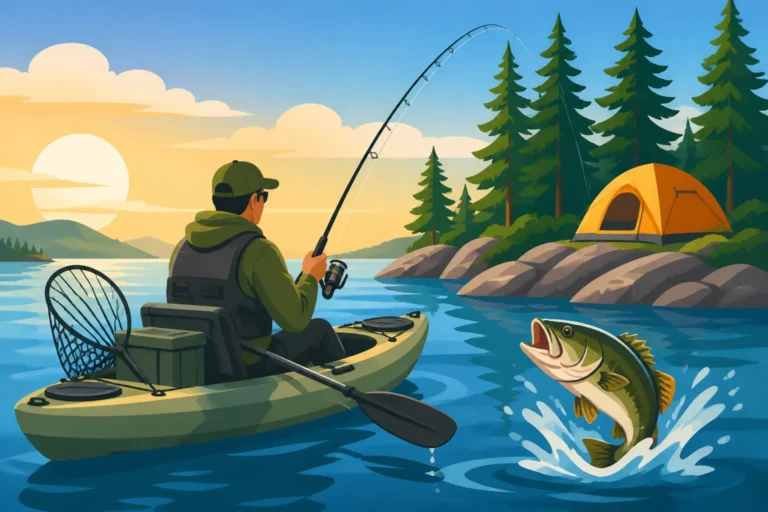
When anyone talks about fishing near Litchfield, Bantam Lake is almost always the first place that comes to mind, and for good reason. As Connecticut's largest natural lake, it offers an expansive and diverse fishery. Anglers often flock here for its healthy populations of largemouth and smallmouth bass. Imagine pitching a worm or jig into the lily pads on a warm summer morning, or working a crankbait along the rocky points – the action can be consistent and exciting. But Bantam isn't just a bass haven; it's also well-known for its impressive northern pike, which often lurk in the lake's weedy depths. If you're looking to target these toothy critters, the spring and fall can be particularly productive. Panfish, like yellow perch and sunfish, are also abundant, making it a great spot for younger anglers or those simply seeking consistent bites.
Public access to Bantam Lake is quite good, with the main state boat launch located right off Route 209 in Morris, near the southern end of the lake. This launch provides ample parking for trailers and cars, along with docks for easy boat deployment. For those without a boat, there are also areas along the shoreline within the state park property where you can cast a line. While some sections of the shoreline are privately owned, the state park ensures that public access is maintained. Before heading out, always check the current Connecticut Boating Laws for Anglers to ensure you're compliant with all regulations. Understanding the nuances of this large water body, from its deep channels to its shallow coves, can significantly enhance your success. Many anglers find detailed maps or even seek insights from local bait shops to pinpoint the most active spots.
West Hill Pond: Serene Waters for Trout and Bass
Nestled partly in Barkhamsted and New Hartford, West Hill Pond offers a completely different vibe than Bantam Lake. It's a spring-fed, exceptionally clear, and deep lake, making it a prime location for cold-water species, particularly trout. The Connecticut Department of Energy and Environmental Protection (DEEP) regularly stocks West Hill Pond with brown trout and rainbow trout, creating excellent opportunities for both shore and boat anglers. If you enjoy trolling small spoons or spinners, or even fly fishing with streamers, the deep, cool waters of West Hill can be incredibly rewarding. The clarity of the water here means fish can be spooky, so a stealthy approach and lighter lines are often key.
Beyond trout, West Hill Pond also boasts a respectable population of smallmouth bass, especially around its rocky ledges and drop-offs. These feisty fish can provide a thrilling fight on light tackle. Largemouth bass are also present, often found near the shallower, weedy areas. Public access to West Hill Pond is primarily through the state boat launch on the northern end, off West Hill Road. This launch is suitable for trailered boats and offers decent parking. Shoreline access is somewhat limited due to private properties, but there are still stretches where you can cast from land, particularly near the launch area. When planning your trip, remember to check the Connecticut Trout Limit and Possession Rules to ensure your catch is within legal limits. For those looking for local guides or even just more information on techniques specific to clear, deep lakes like West Hill, online resources like FishingBooker can sometimes offer insights from experienced local anglers.
Mount Tom Pond: Quiet and Picturesque
For anglers seeking a quieter, more intimate fishing experience, Mount Tom Pond in Litchfield delivers. This smaller, charming pond is part of Mount Tom State Park, offering both fishing and scenic beauty. It's an excellent spot for families or those who prefer a less crowded environment. Mount Tom Pond is regularly stocked with trout by the DEEP, making it a reliable destination for catching rainbows and browns, particularly in the spring and fall. The pond also supports populations of largemouth bass, pickerel, and various panfish like bluegill and crappie. Its relatively shallow nature, compared to West Hill, often means easier fishing for panfish, making it perfect for kids learning to fish.
The beauty of Mount Tom Pond lies in its easy accessibility within the state park. There's a designated swimming beach and picnic areas, but also ample public access for fishing from shore. A gravel boat launch is available for car-top boats, canoes, and kayaks (electric motors only are permitted), allowing anglers to explore the entire pond. This "no gas motor" rule contributes significantly to the peaceful atmosphere. Parking is available within the state park, requiring a small fee during peak season. If you're planning a full day, you might also consider combining your fishing trip with a hike up to the Mount Tom Tower for panoramic views of the surrounding Litchfield Hills. The clear water here also lends itself well to sight-fishing for cruising trout or bass. To help plan your trout excursions, you might want to consult the Connecticut Interactive Trout Stocking Map, Explained for stocking dates specific to Mount Tom Pond.
River and Stream Fishing Opportunities
While the lakes offer broad expanses of water, Litchfield County's rivers and streams provide a dynamic and often challenging environment for anglers. These moving waters demand different techniques and offer a unique sense of adventure. Navigating the currents and understanding fish behavior in a river setting can be incredibly rewarding.
The Shepaug River: A Local Favorite
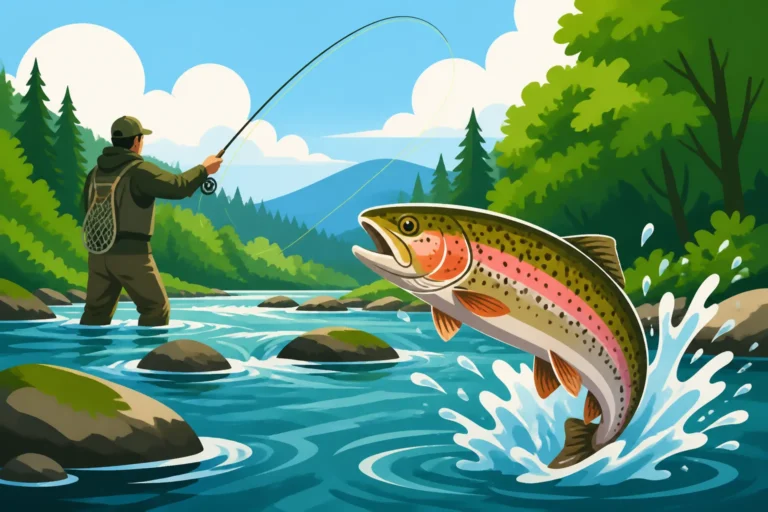
The Shepaug River, winding through Roxbury, Washington, and Southbury, is a hidden gem for river anglers in the Litchfield area. Known for its picturesque stretches and relatively wild feel, the Shepaug is primarily a trout fishery. The river receives regular stockings of brown and rainbow trout, especially in its easily accessible sections. However, sections of the Shepaug also hold a population of wild brown trout, a testament to its healthy ecosystem. Fishing here often involves navigating rocky streambeds and pockets, making it ideal for wade fishing with spinning gear or fly rods. Nymphing and dry-fly presentations can be particularly effective, especially during insect hatches.
Public access along the Shepaug can be a bit more dispersed than at the lakes, often found via bridge crossings or designated state parcels. Popular access points include areas near the town of Roxbury and along River Road in Washington. Be mindful of private property signs and always respect landowners. The river's character changes significantly along its course, from faster riffles to slower, deeper pools, so exploring different sections can yield varied results. Learning How to Catch Largemouth Bass in Connecticut can offer some transferable skills if you encounter warmer water sections, but for the Shepaug, trout are generally the main target. Remember to review the specific regulations for river fishing, as they can sometimes differ from lake regulations, especially concerning tackle or catch-and-release zones. Even for a smaller river, checking online resources like FishingBooker for local guide availability can provide invaluable insights into specific stretches and successful techniques.
Smaller Streams and Tributaries: Hidden Delights
Beyond the larger, more well-known Shepaug, Litchfield County is crisscrossed by countless smaller streams and tributaries that often go overlooked. These smaller waterways can be fantastic for wild brook trout or holdover stocked trout that have adapted to their environment. Streams like the Bantam River (which feeds Bantam Lake), the East Aspetuck River, and numerous unnamed brooks flowing off the hillsides can offer surprising solitude and rewarding fishing for those willing to explore. These waters typically require a more adventurous spirit, often involving bushwhacking or navigating through dense woods to find access.
Fishing these smaller streams usually means light tackle and a stealthy approach. Small spinners, worms, or simple fly patterns are often all you need. Many of these brooks are "walk-in" access, meaning you'll park on a roadside pull-off and hike in. Always be sure you're on public land or have permission from private landowners. These streams are a wonderful place to practice Fly Fishing for Trout in Connecticut, as the tight quarters often demand precise casting and presentation. The reward isn't just the fish, but the immersive experience of being in nature, discovering untouched pockets of the Connecticut wilderness. You might not catch a trophy, but the satisfaction of finding a vibrant brook trout in its natural habitat is unparalleled. Always consult the Connecticut Fishing Regulations Explained for any special rules pertaining to these smaller, often more delicate, ecosystems.
Essential Public Access Points and Facilities
Knowing where to fish is only half the battle; knowing how to access those spots is equally crucial. Public access in Litchfield County varies by location, but the DEEP and state park system do an excellent job of providing maintained access points.
Boat Launches and Shoreline Access
For boaters, whether you're launching a full-sized bass boat or simply a kayak, the official state boat launches are your best bet.
- Bantam Lake Boat Launch (Morris): Located on East Shore Road (Route 209), this is a large, well-maintained paved launch with plenty of parking for trailers. It provides direct access to the state's largest natural lake and is suitable for all types of motorized and non-motorized vessels. This is the prime access point if you're bringing a boat to Bantam.
- West Hill Pond Boat Launch (New Hartford): Situated on West Hill Road, this launch is also paved and offers good parking. It's the primary public access for West Hill Pond and can accommodate trailered boats, though larger vessels might find it a bit tighter than Bantam. Given the clear water, many anglers launch kayaks or canoes to quietly explore the coves and shorelines. If you're into paddle sports, definitely check out some of the Best Kayak Fishing Spots in Connecticut.
- Mount Tom Pond Boat Launch (Litchfield): Within Mount Tom State Park, this is a gravel launch best suited for car-top boats, canoes, and kayaks, as gas motors are prohibited on the pond. Parking is available within the park, with a daily fee during the peak season or with a CT State Park Pass. This is an ideal spot for a relaxing paddle and fish.
For shore anglers, opportunities are often found in designated state parks, alongside boat launches, or at bridge crossings over rivers. Always look for clear signs indicating public access. Many towns also have small municipal parks or conservation areas that may offer limited shoreline access. A quick search on the DEEP website for public fishing areas or state forests in the Litchfield vicinity can reveal additional, less-trafficked spots. Before you even head out, ensure you've secured your Connecticut Fishing License Guide for 2026 – it's a non-negotiable step!
Parking and Amenities
Parking is usually clearly marked at state boat launches and within state parks. For rivers and smaller streams, parking might be limited to roadside pull-offs or small designated parking areas. It's always a good idea to arrive early, especially on weekends during peak fishing seasons, to secure a spot. Remember to leave no trace and park respectfully, ensuring you don't block private driveways or access points.
Amenities at these public fishing spots vary. State parks like Mount Tom and Black Rock (which has a pond but is a bit further from Litchfield center) often offer restrooms, picnic tables, and sometimes even grilling facilities, making them excellent choices for a family outing. The boat launches on larger lakes typically have portable toilets during warmer months. For river access points, amenities are usually minimal or non-existent, so plan accordingly and bring everything you need, including trash bags to pack out all your waste. If you're heading out to any spot, checking the Best Time of Year to Fish in Connecticut can also help you plan for seasonal crowds and optimal fishing conditions. Always consider stopping by a local bait and tackle shop in towns like Litchfield or Bantam for the most up-to-date local conditions, bait availability, and expert advice. Sometimes, even simply searching for local insights on platforms like FishingBooker can give you a better feel for a location before you go.
| Fishing Spot | Primary Species | Access Type | Notable Features |
|---|---|---|---|
| Bantam Lake | Largemouth Bass, Smallmouth Bass, Northern Pike, Panfish | State Boat Launch, Limited Shoreline | CT's largest natural lake, diverse fishery |
| West Hill Pond | Brown Trout, Rainbow Trout, Smallmouth Bass, Largemouth Bass | State Boat Launch, Limited Shoreline | Clear, deep spring-fed water, excellent trout |
| Mount Tom Pond | Rainbow Trout, Brown Trout, Largemouth Bass, Pickerel, Panfish | Car-top Boat Launch, Shoreline | Peaceful, "no gas motor" rule, family-friendly, state park |
| Shepaug River | Brown Trout, Rainbow Trout | Various Public Access Points, Wading | Wild and stocked trout, scenic river, requires exploration |
Final Considerations for Anglers Near Litchfield
No matter which public access point near Litchfield you choose, a few general principles will always enhance your experience. First and foremost, always carry your valid Connecticut fishing license and be familiar with the regulations for the specific waters you are fishing. Rules can change seasonally or for particular species, so staying informed is crucial to avoiding penalties.
Secondly, respect the environment and other users. Pack out everything you pack in, and if you see litter, consider taking a moment to clean it up. Many of these spots are cherished by locals, and maintaining their beauty ensures they remain accessible for generations to come. This also extends to wildlife—observe from a distance and do not disturb nesting birds or other animals.
Finally, while having all the right gear is great, a positive attitude and a willingness to learn are truly your best assets. Talk to local anglers, visit bait shops, and use online resources to gather as much information as possible. The Litchfield area offers a rich and varied fishing landscape just waiting to be explored, and with a little preparation, you're bound to find your next favorite spot.
Disclaimer
The information provided in this guide is for general informational purposes only and is subject to change. Fishing regulations, stocking schedules, and access policies are determined by the Connecticut Department of Energy and Environmental Protection (DEEP) and local authorities and can be updated at any time. Always consult the official Connecticut DEEP website or current Connecticut Angler's Guide for the most accurate and up-to-date information before planning your fishing trip. The author and publisher are not responsible for any inaccuracies or changes in regulations or access.