How to fish for shad right after the spring run starts
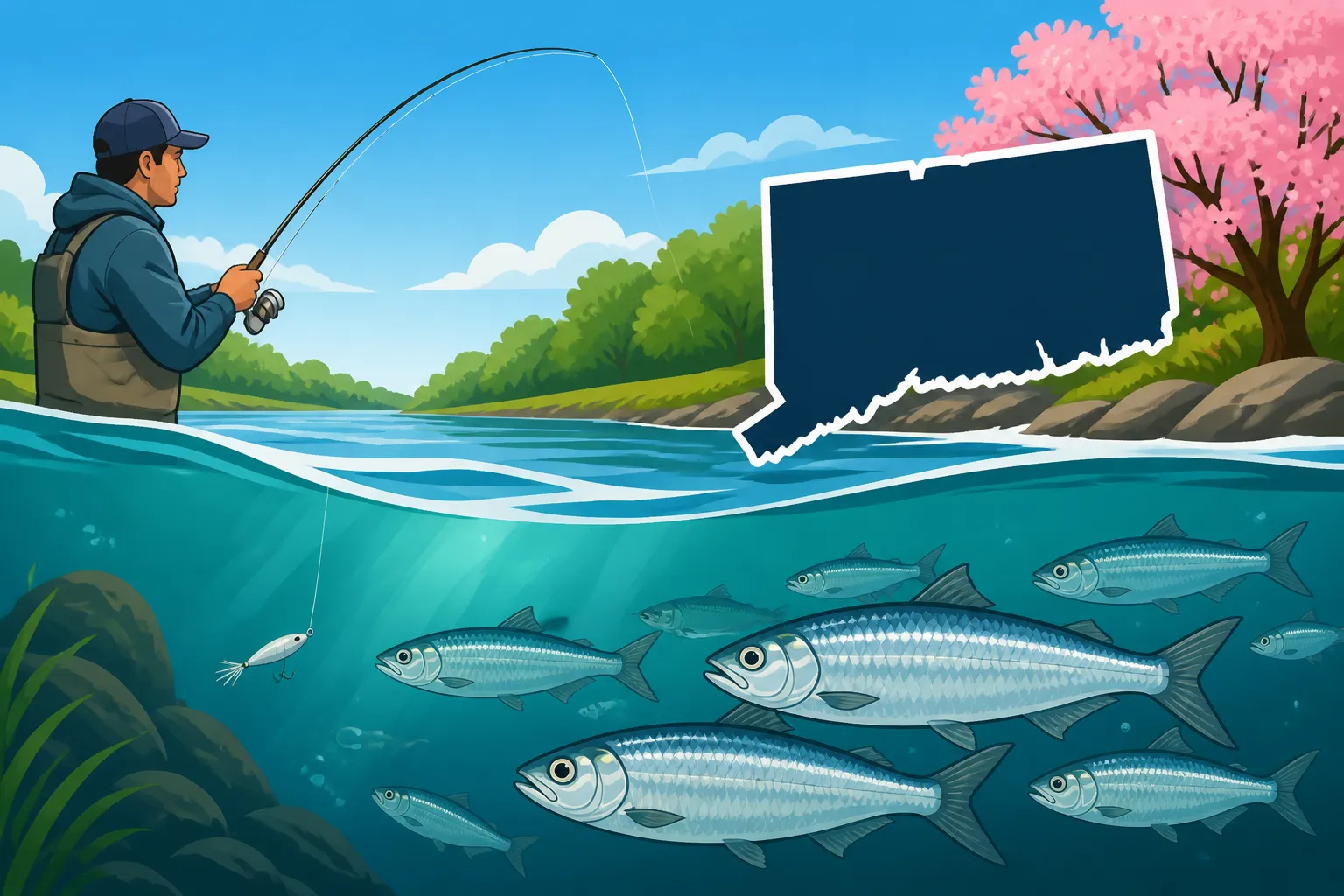
The first whispers of the American shad run hitting Connecticut rivers are always thrilling, but for many anglers, the initial push can feel a bit elusive. You hear the reports, you see others talking about it, but actually getting on fish when they first show up can be tricky. It's a different game than when the run is in full swing, requiring a more nuanced approach. This guide is all about helping you understand those early-season dynamics and giving you the strategies to connect with shad right as they begin their incredible journey upstream.
Understanding the Initial Shad Movement in Connecticut Rivers
When those first few hardy shad decide to make their grand entrance into Connecticut's freshwater systems, it’s not quite a full-blown invasion. They’re explorers, testing the waters, and their behavior is distinctly different from the chaotic abundance you’ll find later in the season. Knowing what drives these early pioneers and where they tend to hold is your first big step to success.
The Triggers for the First Run
The American shad's instinctual drive to spawn is powerful, but it's not a flip-of-a-switch event. Several environmental factors need to align for that initial push to begin, mainly revolving around water temperature and river flow. You might be checking the calendar for "When shad run up the Connecticut River," but the fish are checking the thermometer. Typically, when river temperatures consistently hit the low to mid-40s Fahrenheit, you'll start to see a few fish. As it creeps into the low 50s, the run truly gets underway.
High, turbid water from spring rains can delay the run or make the fish harder to locate. Shad prefer clearer, more stable conditions for their migration. A sudden cold snap can also put the brakes on their movement, causing them to hold in deeper pools until conditions improve. This is why watching real-time river gauges and temperature reports is far more valuable than simply marking a date on your calendar. You’re looking for a sustained period of warming water and stable, manageable flows. If the river is blown out and muddy, those early fish will be hunkered down, likely not moving or feeding much.
Early Season Holding Patterns
Unlike the peak run when shad are seemingly everywhere, right after the spring run starts, these fish are much more concentrated. They haven't spread out through the entire river system yet. Instead, they'll be found in specific areas, often looking for respite from strong currents and slightly warmer pockets of water. Think about the classic river structure: deeper pools just below rapids or riffles, the calmer water in major bends, and current breaks created by large rocks, submerged logs, or bridge pilings.
These early arrivals are still acclimating to the freshwater environment after their saltwater journey. They'll expend less energy by holding in eddies or slower current seams, waiting for the full migration to begin or for water temperatures to become more favorable for a sustained push upstream. The mouth of the Connecticut River, especially around Old Saybrook and Essex, is a common initial staging ground. As they move up, spots like the bends and deeper runs near Hartford, and further up towards Windsor Locks, start to hold these early fish. Keep an eye on reports from other anglers who are keen on American Shad Runs on the Connecticut River to pinpoint these crucial initial holding areas.
Essential Gear and Tackle for Early Season Shad Success
Fishing for shad, especially early in the run, doesn't require a massive investment in specialized gear, but using the right tackle can make a significant difference. It’s about finesse and presenting small offerings effectively, rather than overpowering the fish.
Rods, Reels, and Line Choices
For early-season shad, lighter tackle is generally preferred. These fish are powerful for their size, but they're not huge, and light line makes for a more natural presentation.
- Rods: A light to medium-light spinning rod, typically in the 6 to 7-foot range, with a fast action tip, is ideal. This allows for long, accurate casts of light lures and provides enough backbone to fight a strong-running shad, while still being sensitive enough to detect subtle bites in cold water. Many anglers even opt for ultralight setups, similar to what you might use for panfish or smaller trout, especially if they are targeting individual fish rather than schools.
- Reels: Pair your rod with a small spinning reel (2000 or 2500 series) that has a smooth drag system. Shad are notorious for their strong, unpredictable runs, so a reliable drag is crucial to prevent break-offs. A good quality reel will also allow for consistent casting without tangles, which is key when you’re making repeated casts.
- Line: Opt for 4 to 6-pound test monofilament or fluorocarbon line. Monofilament offers a bit more stretch, which can be forgiving when a shad makes an unexpected surge. Fluorocarbon, being nearly invisible underwater and having less stretch, can be excellent for sensitivity and presentation, especially in clearer water conditions. Some anglers prefer a very thin braided line with a fluorocarbon leader for maximum casting distance and sensitivity, though the lack of stretch in braid means you'll need to be extra careful with your drag settings. I often check "Amazon" for reliable, affordable braided lines like PowerPro or Sufix that come in those lighter test strengths.
Proven Lures for Early Run Shad
Shad are often referred to as "poor man's salmon" due to their fight, but their diet in freshwater is minimal. They strike out of instinct, aggression, or territoriality, rather than hunger. Therefore, your lures need to be flashy, colorful, and present well in the current.
- Shad Darts: These are the quintessential shad lures. Small, weighted jigs with a lead head and often a brightly colored chenille body or plastic tail. Popular colors for early season in Connecticut include chartreuse, pink, white, and bright orange. Sometimes a combination, like a pink head with a chartreuse body, can be irresistible. The key is to have a variety of weights (1/8 oz to 1/4 oz) to match the current speed and depth. You can find excellent multi-packs of shad darts on "Amazon" that offer a good range of colors and weights, which is perfect for experimenting when the bite is finicky.
- Small Spoons: Tiny, flashy spoons in silver, gold, or copper can also be highly effective. Brands like Kastmaster or Acme Little Cleo in sizes 00 or 0 are great choices. The wobbling action of a spoon mimics a small baitfish, which can trigger a strike.
- Jigs with Soft Plastics: Small grub-style jigs (1/16 oz to 1/8 oz) tipped with a small plastic grub, curly tail, or even a tiny Berkley Gulp! Minnow can work wonders. White, chartreuse, or pearl colors are go-to options. The subtle action of the soft plastic tail can be just enough to entice a strike from a wary early-season shad.
- Flies: For fly anglers, small streamers (like Clouser Minnows or patterns mimicking tiny baitfish), brightly colored nymphs, or even specific shad flies with Mylar bodies are effective. Similar to conventional lures, colors like chartreuse, pink, and white tend to get the most attention. Fly fishing for shad on rivers like the Connecticut River requires different techniques, but the visual appeal of the fly is still paramount.
| Lure Type | Best Conditions / Notes | Pros | Cons |
|---|---|---|---|
| Shad Darts | Versatile for various currents; bright colors for visibility. | Highly effective; wide range of colors/weights. | Can be snagged easily in rocky bottoms; not very durable. |
| Small Spoons | Clearer water; aggressive fish; deeper runs. | Excellent flash; good casting distance; durable. | Less subtle presentation; may require faster retrieve. |
| Jigs w/ Plastics | Finesse fishing; slower retrieves; clearer water; finicky fish. | Natural action; variety of tail shapes/colors. | Plastics can be torn off; lighter weights limit casting. |
| Flies (Streamers) | Fly fishing specific; active fish; specific depths. | Superb natural presentation; very light tackle. | Requires fly fishing gear/skill; limited casting range. |
Proven Techniques for Early Run Shad Success
Connecting with those first few shad isn't just about having the right gear; it's about how you use it. Your presentation and understanding of where the fish are holding are critical.
Mastering the Cast and Retrieve
When targeting early-season shad, the name of the game is presentation. You need to get your lure into the strike zone and keep it there for as long as possible.
- Upstream and Across Casts: Instead of casting straight out or downstream, try casting your dart or spoon slightly upstream and across the current. This allows your lure time to sink to the desired depth before it swings downstream through the likely holding areas.
- Controlled Drift and Swing: Once your lure hits the water, allow it to sink naturally with a controlled amount of slack. You want it to drift downstream, maintaining contact, so you can feel for bites. As the current catches your line, the lure will "swing" across the river. Many strikes happen at the very end of this swing, when the lure begins to rise slightly.
- Subtle Retrieve: Don't crank your reel like you're trying to win a race. A slow, steady retrieve is usually best, just fast enough to keep your line taut and impart a subtle action to your lure. Occasionally, a slight twitch or pause can trigger a following fish to strike. Experiment with retrieve speeds until you find what the shad prefer that day. Sometimes a dead-slow drift with just enough retrieve to stay in contact is all it takes.
- Varying Depth: Shad don't always hold at the same depth. Early in the season, they might be deeper, hugging the bottom in colder water. Adjust the weight of your darts or spoons to ensure your lure is getting down to where the fish are. If you're consistently snagging, your lure is too heavy or you're letting it sink too long. If you're not getting bites and feel like you're not getting deep enough, go heavier.
Reading the Water for Shad Hotspots
Understanding river hydrology is paramount for any river fishing, and shad fishing is no exception. This applies to a wide range of species, and learning "How to Fish a River for Smallmouth Bass" shares many principles applicable to shad, especially when it comes to reading currents and structure.
- Current Seams and Eddies: Look for the transition zones where fast water meets slow water. These "current seams" are highways for migrating fish and often hold bait. Eddies, the swirling pockets of water behind obstacles, offer fish a place to rest out of the main current while still being able to dart out and grab passing food or react to a lure. These are prime targets for your casts.
- Deep Pools and Runs: Early season shad, seeking warmer and more stable water, will often congregate in the deepest parts of the river, especially large pools or long, deep runs. Pay attention to changes in bottom contour that indicate deeper water.
- Obstacles and Structure: Any significant structure that breaks the current can hold shad. This includes large boulders, submerged trees, bridge abutments, or even natural contours in the riverbed. Cast your lure so it drifts naturally past these features. Remember, these fish are trying to conserve energy, so they'll use anything that offers a current break.
- The Importance of Flow: Pay attention to the overall flow of the river. If it's a slow flow, lighter darts might be needed to get a natural presentation. If the current is ripping after a rain, you'll need heavier jigs to reach the bottom and present your lure effectively. You might also find fish pushed into the very slowest sections of the river to avoid the strong flow.
Prime Locations and Timing for Early Season Shad
While shad can be found throughout the Connecticut River system during the run, certain spots become hotspots right as the season kicks off. Knowing where and when to focus your efforts can drastically increase your chances of success.
Top Connecticut River Locations for Early Shad
The Connecticut River is, without a doubt, the prime destination for shad fishing in the state. Its sheer size and the length of the shad run make it ideal. However, certain sections light up first.
- Lower Connecticut River (Old Saybrook to Essex): These downstream sections are often the first to see the arrival of American shad. They're literally the gateway for the fish entering freshwater from Long Island Sound. While not always fished with traditional darts, the confluence with tidal creeks and deeper channels here can hold early arrivals. Boat anglers often have an advantage in these wider sections, but shore anglers can still find success by focusing on deeper access points and outflows.
- Hartford Area: As the water warms slightly and the fish push upstream, the stretch of the Connecticut River around Hartford becomes incredibly productive. Public access points and parks along the river offer shore fishing opportunities. Look for deeper channels and current breaks around the city's bridges. You might hear people talking about specific spots, so pay attention to local intel.
- Windsor Locks Canal: This historic canal, running parallel to a section of the Connecticut River, offers some of the most consistent and popular shad fishing in Connecticut. The canal's consistent flow and relatively easier access make it a fantastic early-season destination. Fish stack up here before attempting the fish ladder at the Enfield Dam. The current here is often manageable, making it perfect for drifting shad darts. For more in-depth information, check out resources on Connecticut River Shad Fishing.
Remember that fishing regulations, including daily creel limits and season dates, are in place to manage the fishery. Always check the current Connecticut Fishing Regulations Explained and ensure you have your Connecticut Fishing License Guide for 2026 in order.
Optimal Timing for Early Season Success
Just because the run starts doesn't mean it's an all-day bite from dawn to dusk. Early season shad are often more sensitive to environmental changes, which dictates their activity windows.
- Water Temperature is Key: In the early season, water temperatures are still on the colder side. This often means the fish are less active in the predawn hours when the water is coldest. As the sun rises and has a chance to warm the water even a degree or two, activity can pick up. Mid-morning to late afternoon, especially on sunny days, can often be the most productive periods. Conversely, if there's a warm rain, the fish might become more active at different times as the warm runoff enters the river.
- Tidal Influence: While American shad are anadromous (migrating from salt to freshwater), once they're well into the freshwater river, tidal influence becomes less pronounced. However, in the lower stretches of the Connecticut River, especially below Hartford, understanding the tides can still be beneficial. An incoming tide can sometimes push new fish into an area, while an outgoing tide might concentrate them in certain channels.
- Post-Rain Clarity: A fresh spring rain can be a mixed blessing. While it might bring a pulse of warmer water or encourage fish to move, it can also blow out the river, making it muddy and unfishable for a day or two. After a heavy rain, give the river a day or so to drop and clear slightly. As the water begins to drop and visibility improves, the fishing can be exceptional, as fish that were holding back will start to push upstream. The general principles for Connecticut Fishing Seasons by Month will guide you on the overall window, but these micro-timing decisions are crucial for early-run success.
Final Tips for Maximizing Your Early Shad Haul
Beyond the core techniques and locations, a few extra tips can make your early-season shad fishing even more enjoyable and productive. Patience and persistence are your greatest allies when chasing these incredible fish.
Being Prepared for Variable Conditions
Spring weather in Connecticut can be famously unpredictable. One day it's sunny and mild, the next it's blustery and cold. This variability directly impacts the shad's behavior and your comfort on the water.
- Layer Up: Always dress in layers, even if the morning feels mild. You can always shed layers if it warms up. A good waterproof and windproof outer shell is a must. Check out "Amazon" for highly-rated fishing jackets that can withstand sudden spring showers or chilly breezes.
- Polarized Sunglasses: These are invaluable for spotting subtle changes in water clarity, current seams, and even darting fish in shallower areas. They cut through the glare, allowing you to "read" the water much more effectively.
- Bring Extra Gear: Snags are a part of river fishing, especially when targeting bottom-hugging fish early in the run. Bring plenty of extra darts, spoons, and leader material. There's nothing worse than running out of your hot lure when the bite is on.
- Stay Mobile: If a spot isn't producing after a good 30-45 minutes of varied casting, don't be afraid to move. Early season fish are often concentrated, so a few hundred yards up or downstream could put you right into a school. Having an idea of multiple access points on some of the Best Fishing Rivers in Connecticut can be a game-changer.
Ethical Angling and Conservation
Connecticut's American shad run is a precious resource, and responsible angling ensures it remains strong for future generations. Early season catches, though often fewer, are still important.
- Follow Regulations: Always adhere to the current Connecticut fishing regulations regarding creel limits and season dates. These rules are in place to protect the spawning population.
- Minimize Stress: If you plan to release fish, handle them as little as possible. Use a dehooking tool if needed and get them back into the water quickly. Avoid dragging them on rocks or dry ground.
- Respect Other Anglers: Shad fishing spots, especially popular ones like the Windsor Locks Canal, can get crowded. Be courteous, maintain reasonable distance from other anglers, and be mindful of your casting space.
By understanding the nuanced behavior of shad right after the spring run begins, equipping yourself with the right tackle, and employing smart techniques, you’ll be well on your way to enjoying some fantastic early-season action on Connecticut’s rivers.
Disclaimer
Fishing conditions and regulations in Connecticut can change. Always consult the latest rules and advisories from the Connecticut Department of Energy and Environmental Protection (DEEP) before heading out. This guide is for informational purposes only and does not constitute an endorsement of specific products or locations.