Best time to fish Candlewood Lake in summer
Fishing Candlewood Lake in the summer can feel like a game of hide-and-seek, with scorching sun, heavy boat traffic, and fish that seem to vanish into thin air. Many anglers find themselves frustrated, casting into empty waters or battling pleasure boats more than bass. This guide is here to help you crack the code, revealing the best times to fish Connecticut's largest lake during those challenging summer months, ensuring your lines stay tight and your cooler gets full.
Understanding Candlewood Lake's Summer Mood Swings
Candlewood Lake, a magnificent body of water nestled in Fairfield and Litchfield counties, truly transforms in the summer. It goes from a peaceful angler's paradise in spring and fall to a bustling hub of recreational activity. This shift drastically impacts fish behavior and, consequently, our fishing strategies. It's not just about the heat; it's about the entire ecosystem reacting to higher temperatures, increased human presence, and changing food sources.
The Impact of Warm Water and Thermocline Formation
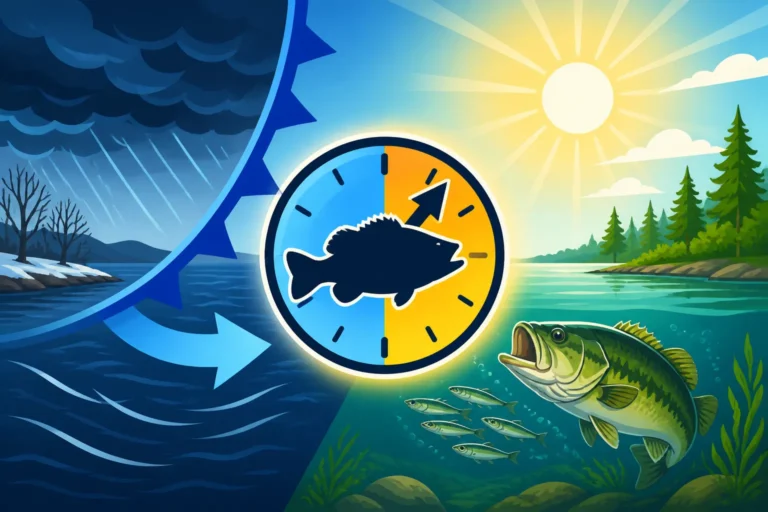
As summer progresses, Candlewood Lake experiences significant thermal stratification, meaning the water separates into distinct temperature layers. The upper layer, known as the epilimnion, becomes very warm, often reaching into the 70s and even 80s Fahrenheit. Beneath this, there's a thermocline – a transitional layer where the temperature drops rapidly – followed by the colder, oxygen-deprived hypolimnion at the bottom.
This stratification is crucial because it dictates where fish can comfortably live and feed. Warm water holds less oxygen, and many of Candlewood's prized game fish, like trout and even bass, will seek out cooler, more oxygenated water. This often means they'll move deeper, congregating around the thermocline or finding areas with cooler spring feeds. What looks like an empty flat from above might actually be a fish highway below the surface, but you need to know where that highway is and when the fish are using it. Understanding this basic science is your first step to success. You'll often find that the Best Time of Year to Fish in Connecticut usually involves understanding these seasonal changes.
Dealing with Heavy Boat Traffic and Recreational Pressure
Let's be real: Candlewood Lake is a playground in the summer. Jet skis, wakeboard boats, pontoon boats, and recreational swimmers dominate the main lake during daylight hours, especially on weekends. This isn't just an annoyance; it creates noise, prop wash, and disturbance that can scatter fish and make it incredibly difficult to fish effectively. The constant roar of engines and churning water puts fish on high alert, often pushing them into deeper cover or tight to shorelines where fewer boats venture.
For us anglers, this means adapting. Trying to fish the main lake in broad daylight on a Saturday afternoon is often a recipe for frustration. The fish are there, but they're stressed, tucked away, and less likely to bite. Your best bet is to avoid these peak hours in high-traffic areas. Think about the quieter corners of the lake, the coves, or the early morning and late evening windows when the recreational fleet is still docked or has returned home. For a more general overview of fishing here, check out our full Candlewood Lake Fishing Guide.
Prime Fishing Windows: Timing is Everything on Candlewood
When the summer sun beats down on Candlewood Lake, the old adage "early bird gets the worm" couldn't be more true. The most productive fishing often occurs outside the typical 9-to-5 workday. Targeting these specific windows dramatically increases your chances of success, even when the rest of the lake is buzzing with activity.
Dawn Patrol: The First Light Bite
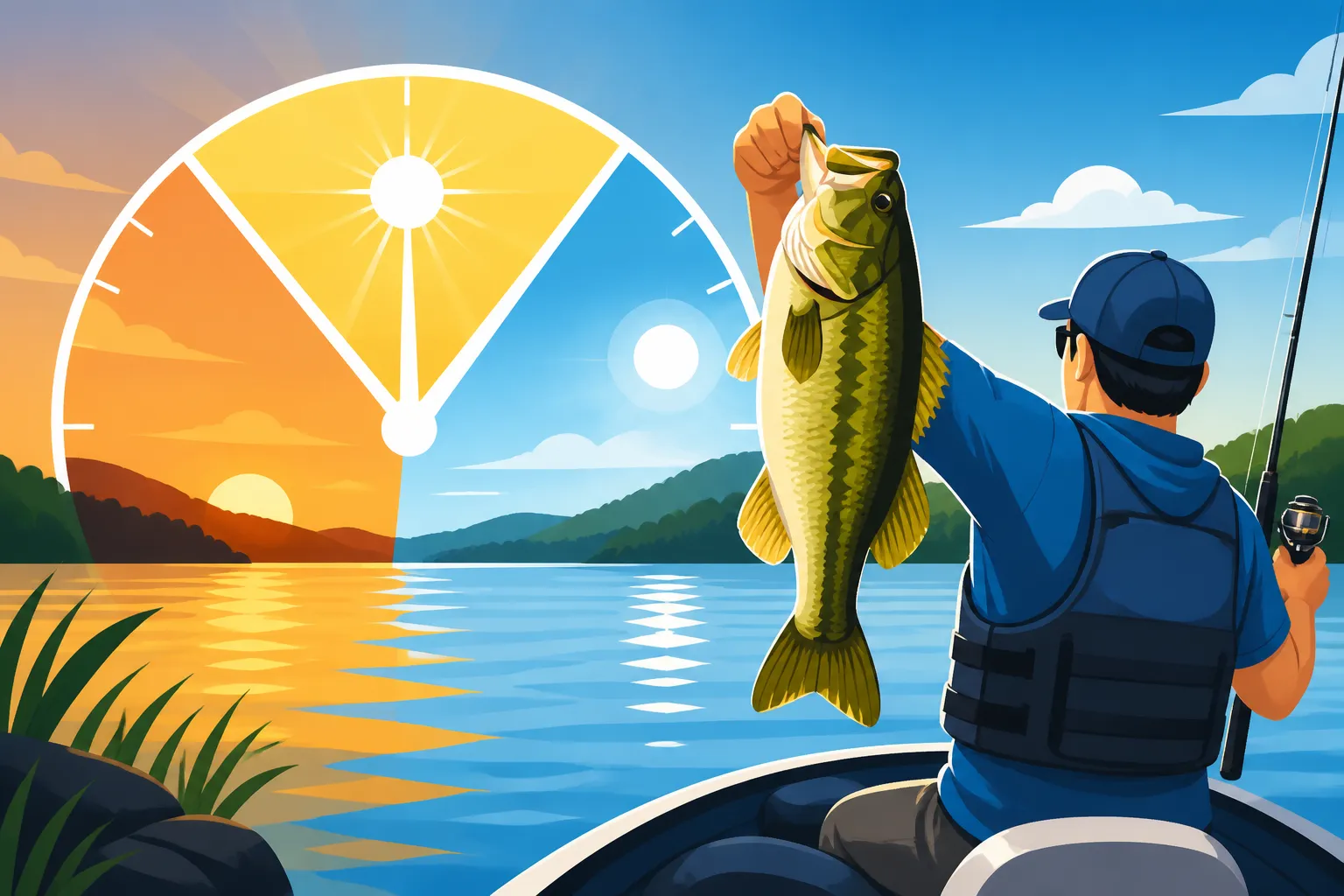
Hands down, the absolute best time to fish Candlewood Lake in summer is during the first two to three hours after sunrise. This is your prime window. The air is cooler, the water surface is calm, and, most importantly, the recreational boat traffic is minimal to non-existent. Fish that have been hiding deep or tucked under cover during the midday heat start to become more active, moving into shallower feeding areas.
During this "dawn patrol" window, bass, trout, and even panfish will often move up onto ledges, points, and along weed lines to ambush baitfish. Topwater lures can be incredibly effective for largemouth and smallmouth bass as they chase bait near the surface. You'll also find trout rising in specific areas, especially in the northern parts of the lake or over deeper humps. This is when the fish feel safest and most inclined to feed aggressively. If you're looking to target specific species, our guide on Candlewood Lake Bass Fishing or Candlewood Lake Trout Fishing can provide even more tailored advice for these early hours.
Dusk Delight: The Evening Feed
Similar to the early morning, the last two to three hours before sunset and into twilight offer another fantastic opportunity. As the sun begins to drop and the heat dissipates, the lake starts to calm down. The recreational boaters head back to shore, and the fish sense the reduced pressure. They'll often move out of their deeper, midday haunts and into shallower zones to feed.
This evening bite can be just as, if not more, explosive than the morning bite for certain species. Bass will often patrol shorelines, structure, and weed edges, looking for a final meal before nightfall. You might hear the tell-tale splash of a largemouth exploding on a topwater frog near lily pads or a smallmouth smashing a spinnerbait off a rocky point. The dimming light also makes fish less wary, meaning they might be more inclined to hit a broader range of lures. Consider using darker colored baits that create a good silhouette against the twilight sky.
The Cover of Darkness: Night Fishing
While not for everyone, night fishing on Candlewood Lake during the summer can be incredibly rewarding, especially for trophy-sized bass. Under the cloak of darkness, the lake transforms into a peaceful, quiet environment. The water surface cools, and the big fish, often too wary to feed during daylight, become bold hunters.
Targeting docks with lights, deeper weed lines, and rock piles can be highly productive. Large jigs, slow-rolled spinnerbaits, and even topwater lures that create a strong commotion can draw savage strikes. The key here is patience and stealth. Use a black light with fluorescent line to detect subtle bites, and bring a good headlamp (but use it sparingly to avoid spooking fish). The feeling of a big bass hitting your bait in the pitch black is an adrenaline rush unlike any other, making it a truly unique summer fishing experience. For more insights on techniques, delve into our Best Bass Fishing Techniques for Candlewood Lake.
Species-Specific Summer Strategies
Different fish species on Candlewood Lake react to summer conditions in unique ways. What works for bass might not work for trout, and vice-versa. Tailoring your approach to your target species is essential for consistent success.
Chasing Largemouth Bass in the Heat
Largemouth bass are often associated with shallow, weedy cover, but in summer, they often retreat to deeper, cooler areas during the day. However, they don't abandon the shallows entirely. They become more nocturnal or crepuscular (active at dawn and dusk).
Early Morning & Late Evening: Focus on areas with dense cover: thick weed beds, lily pads, fallen trees, and docks. Topwater frogs, poppers, and walking baits thrown into these areas can trigger aggressive strikes. As the sun gets higher, pitch jigs or Texas-rigged plastics into the shaded pockets under docks or into the thickest parts of the weeds. The key is to get your bait right into their living room.
Midday Tactics: When the sun is high and bright, largemouth will often pull off the shallow cover and suspend over deeper structure, or hug the bottom near ledges and humps in 15-30 feet of water. This is when deep cranking, drop-shotting, or slow-dragging heavy jigs can be effective. Look for submerged brush piles or rock outcroppings on your fishfinder. These can be goldmines for larger, less active fish. If you're really committed, exploring How to Catch Largemouth Bass in Connecticut will give you even more insights.
Hooking Smallmouth Bass in the Deeps
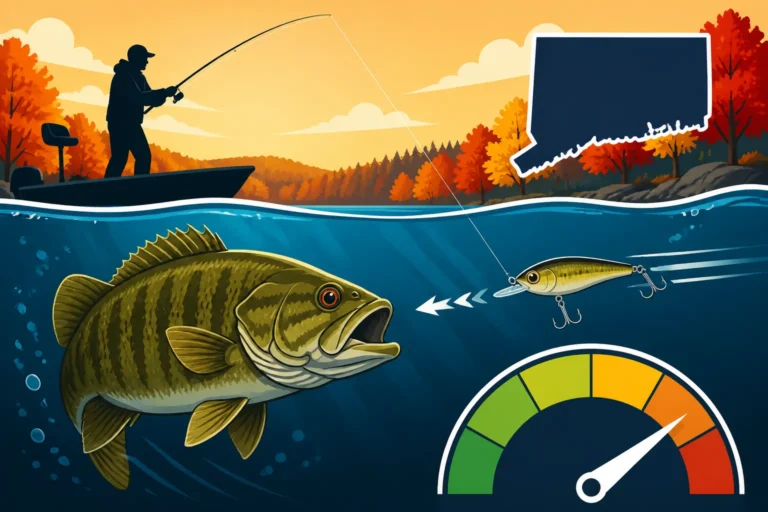
Candlewood Lake is renowned for its hard-fighting smallmouth bass. In summer, these bronze backs often prefer cooler, deeper, rocky structures. They're less likely to be found in the thickest weeds that largemouth favor.
Primary Locations: Focus on rocky points, humps, ledges, and drop-offs, especially those that quickly transition from shallow to deep water. Look for areas with current or deep water access near main lake channels. These fish love clean, cool water and rock structure. On a fish finder, you'll often see schools of baitfish suspended around these features, with larger arches (smallmouth) nearby.
Best Techniques: Drop-shotting finesse worms or small tubes is incredibly effective for vertical presentations in deep water. Blade baits and jigging spoons can also entice reaction strikes from suspended smallmouth. Early morning and late evening can see smallmouth move shallower onto rocky flats, where they might hit jerkbaits, spinnerbaits, or even topwater lures like a Heddon Super Spook. For a more river-focused approach that still offers applicable insights for rocky lake structures, consider reading about How to Catch Smallmouth Bass in Connecticut Rivers.
Trolling for Trout and Panfish
Candlewood Lake is home to a robust population of trout, including brown trout and rainbow trout, many of which are stocked. While some might be caught incidentally by bass anglers, dedicated trout fishing in summer typically involves different tactics. Panfish like yellow perch, sunfish, and crappie are also abundant and provide excellent action, especially for families or beginners.
Trout Tactics: In summer, Candlewood's trout move deep, seeking colder water. Trolling with downriggers or lead core line is often the most effective method to get spoons (like a small Sutton spoon or Mooselook Wobbler) or stickbaits (like a Rapala Countdown) down to the thermocline. Focus on the deeper sections of the lake, especially the main basin or areas near deeper humps. Early morning or late evening can also see some trout come shallower to feed, particularly in areas where spring-fed creeks enter the lake. For a comprehensive guide to targeting these elusive beauties, our Trout Fishing in Connecticut article is a must-read.
Panfish Fun: Panfish are a fantastic summer target, especially for a relaxed outing or fishing with kids. They congregate around docks, submerged brush, and weed edges. A simple bobber setup with a small hook, a piece of worm, or a tiny jig tipped with a Berkley Gulp! Alive! Waxworm can provide non-stop action. These fish are less affected by boat traffic and can be caught throughout the day, though shaded areas will often hold the biggest concentrations. For small jigging spoons or soft plastics, you can find a wide variety of options on Amazon to match local baitfish.
Overcoming Summer Challenges
Candlewood Lake in summer presents more than just hot weather; it's a whole different ballgame compared to other seasons. To consistently catch fish, you need strategies to mitigate the specific challenges this time of year throws at you.
Navigating the Midday Heat and Sun
The sun on Candlewood in July and August can be brutal. Not only is it uncomfortable for you, but it also pushes fish deep and makes them sluggish.
Angler Comfort: Prioritize your own comfort and safety. Wear light-colored, breathable clothing with UPF sun protection. A wide-brimmed hat, polarized sunglasses (essential for spotting structure and fish), and plenty of water are non-negotiable. Many anglers even invest in portable fans or misters for their boats. Staying cool and hydrated allows you to focus on fishing rather than fighting the heat.
Fish Behavior: During peak sun, fish will seek shade and cover. Target areas with overhead cover like docks, submerged trees, or overhanging banks. Position your boat to cast into these shaded pockets. Fish will often hold tight to the darkest parts of the shade, waiting for conditions to improve. This is a time for precision casting and slow, deliberate presentations.
Beating the Boat Traffic
As mentioned earlier, recreational boat traffic is a major hurdle. You can't make it disappear, but you can plan around it.
Weekday Advantage: If your schedule allows, fish on weekdays. The difference in boat traffic between a Tuesday and a Saturday is monumental. You'll have much more water to yourself, and the fish will be less stressed.
Seek Out the Quieter Zones: Candlewood has numerous coves and fingers that see less main-lake boat traffic. While these areas might be shallower, they can be excellent spots for largemouth bass, particularly if they have good weed cover or docks. The northern sections of the lake near Sherman can sometimes offer slightly calmer conditions, but it really depends on the day.
Stealth is Key: When you are fishing during busier times, minimize your own boat noise. Use your trolling motor judiciously, and avoid dropping heavy objects in the boat. A stealthy approach can make a big difference in getting fish to bite in pressured waters.
Essential Gear for Summer Fishing on Candlewood
Having the right tools for the job can make your summer fishing experience on Candlewood Lake much more enjoyable and successful. It’s not just about the rod and reel; it’s about being prepared for the conditions.
Rods, Reels, and Line Selection
For bass, consider a medium-heavy baitcasting setup for throwing jigs and plastics, and a medium-action spinning rod for finesse techniques like drop-shotting. For trout, a lighter spinning rod is perfect for trolling smaller spoons or casting ultralight jigs.
Line: Fluorocarbon line is an excellent choice for its low visibility and sensitivity, especially for finesse presentations in clear water. For topwater fishing, monofilament can be advantageous due to its buoyancy. Braid offers incredible strength and sensitivity, and many anglers use it as a main line with a fluorocarbon leader for versatile applications. You can find quality fishing line from brands like Seaguar, Berkley, or even value packs on Amazon.
Lures and Baits for Summer Success
Your tackle box should be stocked with a variety of options to match the diverse summer conditions.
For Bass:
- Topwater: Frogs (like a Spro Bronzeye Frog), poppers, walking baits (like a Zara Spook).
- Soft Plastics: Texas-rigged worms and creature baits (dark colors for night/low light, natural colors for clear water), drop-shot worms, senkos.
- Jigs: Flipping jigs for heavy cover, football jigs for deeper structure.
- Crankbaits: Deep-diving crankbaits to reach suspended fish.
- Spinnerbaits/Chatterbaits: For covering water and fishing weed edges.
For Trout:
- Trolling Spoons: Small, flashy spoons in silver, gold, or brass.
- Stickbaits: Jointed or unjointed minnow imitations.
- Small Jigs: White, olive, or black marabou jigs for casting.
For Panfish:
- Live Bait: Worms, crickets, small minnows.
- Small Jigs: Tiny soft plastic grubs or feather jigs.
- Bobbers: Traditional round or slip bobbers.
Remember, fish can be picky, so having a selection allows you to "match the hatch" or experiment until you find what they want. It’s always a good idea to check out the Connecticut Fishing Seasons by Month guide to see what's active and biting.
Electronics and Accessories
A good fishfinder with side imaging or down imaging is almost a necessity for summer fishing on Candlewood. It allows you to locate the thermocline, identify deep structure, and spot schools of baitfish and suspended game fish.
Other essential accessories:
- Anchor or Spot-Lock Trolling Motor: Crucial for holding position over deep structure or in windy conditions.
- Net: A good landing net is essential, especially for larger bass or trout.
- Pliers/Forceps: For hook removal and cutting line.
- Tackle Management System: Keep your lures organized; a tackle bag with multiple trays can be a lifesaver. You can find a vast selection of tackle boxes and storage solutions on Amazon.
- Cooler: For your drinks, snacks, and, hopefully, your catch!
Summer fishing on Candlewood Lake requires a blend of knowledge, patience, and adaptability. By understanding the lake's unique summer characteristics and adjusting your approach, you can turn a potentially frustrating experience into a highly productive and enjoyable one.
Summer Fishing Summary for Candlewood Lake
| Time of Day | Target Species | Recommended Techniques | Key Considerations |
|---|---|---|---|
| Dawn (Sunrise – 9 AM) | Largemouth Bass, Smallmouth Bass, Trout | Topwater, Jerkbaits, Spinnerbaits, Trolling (Trout), Drop-shotting | Minimal boat traffic, active feeding, cooler temps |
| Midday (9 AM – 4 PM) | Largemouth Bass, Smallmouth Bass, Panfish | Deep Jigs, Drop-shotting, Deep Cranking, Finesse (Shade), Bobber fishing (Panfish) | Heavy boat traffic, high sun, fish deeper or in dense cover |
| Dusk (4 PM – Sunset) | Largemouth Bass, Smallmouth Bass, Panfish | Topwater, Spinnerbaits, Jigs, Wacky Rigs, Bobber fishing | Decreasing boat traffic, fish moving shallower, evening feed |
| Night (After Dark) | Largemouth Bass, Smallmouth Bass | Large Jigs, Slow-rolled Spinnerbaits, Topwater (noise-makers), Worms | Minimal traffic, trophy potential, requires stealth & specific gear |
Final Thoughts on Summer Fishing at Candlewood
Fishing Candlewood Lake in the summer isn't about giving up your favorite spots entirely, but rather about rethinking when and how you approach them. Embrace the early mornings and late evenings, or even the serenity of night fishing. Scout out those quieter coves and focus on deep-water structures when the sun is high.
Don't let the heat or the pleasure boaters deter you from enjoying this incredible fishery. With a bit of planning, the right gear, and a willingness to adapt, you can still have some truly memorable days on the water. Remember, every time you head out, you're not just fishing; you're learning the lake's secrets, one cast at a time. Good luck out there, and tight lines!
Disclaimer
Please note that fishing regulations, seasons, and licensing requirements in Connecticut are subject to change. Always consult the latest official Connecticut Department of Energy and Environmental Protection (DEEP) fishing guide or website before heading out on the water to ensure you are compliant with all current rules and regulations.