How to euro nymph a freestone stream
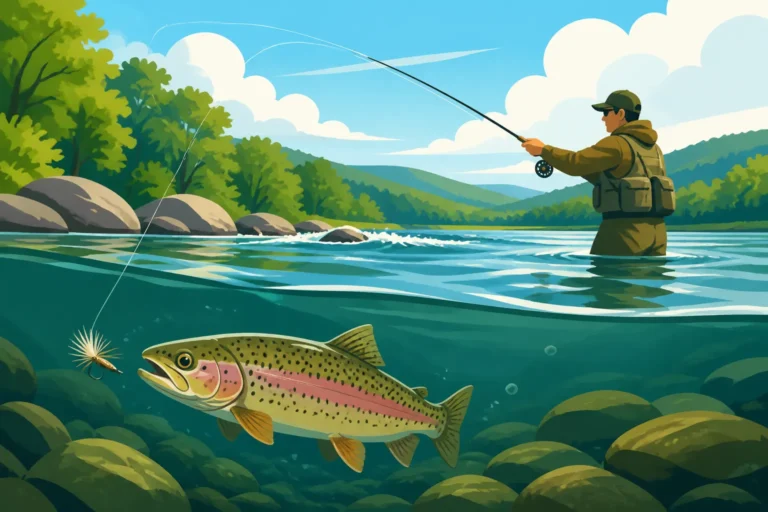
It's incredibly frustrating, isn't it, when you're standing on the banks of a beautiful Connecticut freestone stream, watching fish rise or seeing promising seams, but your traditional nymphing setup just isn't getting bites? Those wild, often clear, and always challenging waters can make you feel like you're speaking a different language than the trout. This comprehensive guide will walk you through the subtle art of Euro nymphing, a highly effective technique designed to overcome these very challenges, helping you unlock the secrets of freestone streams and consistently catch more trout.
Understanding Freestone Streams and Euro Nymphing
When we talk about freestone streams here in Connecticut, we're talking about those dynamic waterways that truly march to the beat of Mother Nature. They're not heavily dam-controlled like some of our bigger rivers, meaning their flows can fluctuate dramatically with rain and seasonal melt. And it's precisely these characteristics that make Euro nymphing such a game-changer.
What Makes a Freestone Stream Different?
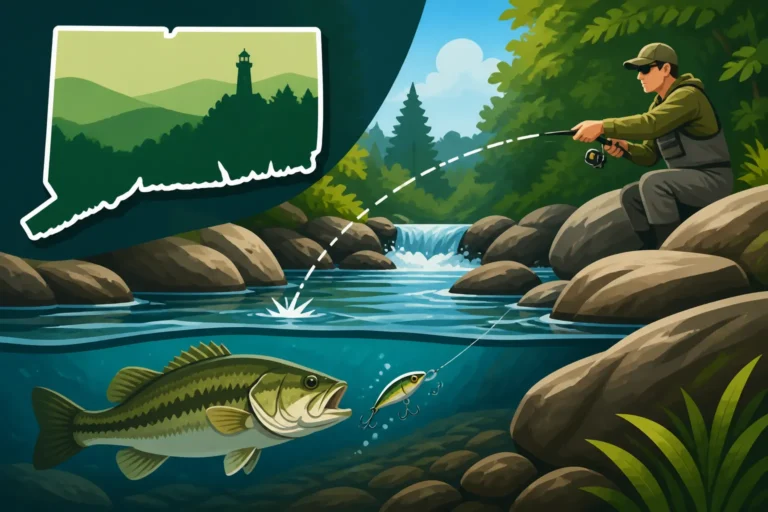
Think about a typical Connecticut freestone stream, like many of the smaller tributaries feeding into the Farmington River or the more rugged sections of the Housatonic River before it gets too big. What do you see? You'll likely encounter a rocky bottom, interspersed with gravel and boulders, creating a chaotic yet beautiful mosaic of pockets, riffles, and runs. The water often runs clear, especially during dry spells, but can turn swift and turbid after a good rain.
Unlike tailwater fisheries, which benefit from more stable temperatures and flows below dams, freestones are dictated by natural runoff and groundwater. This means water temperatures can swing more wildly, affecting insect hatches and fish activity. The trout in these streams, especially wild brook trout and holdover browns, are often wary due to clearer water and the constant need to conserve energy in variable currents. Their food source is primarily aquatic insects — nymphs clinging to rocks, caddis larvae, and stoneflies — all swept along by the current. Traditional indicator nymphing, with its heavier lines and splashier indicators, can easily spook these sensitive fish or fail to get your flies down quickly and naturally enough in the complex currents.
The Core Principles of Euro Nymphing
Euro nymphing, sometimes called contact nymphing, French nymphing, or Czech nymphing, strips away the visual bobber of traditional indicator setups and replaces it with direct contact. The entire philosophy revolves around maximizing sensitivity and control to present small, weighted nymphs precisely and detect the most subtle takes.
Imagine a direct line from your hand, through your rod, leader, and right down to your fly. That's the feeling you're aiming for. There's no bulky fly line on the water to create drag, and no bobber to pull your flies unnaturally. Instead, you're relying on a specialized, thin leader and often a brightly colored "sighter" section that acts as your visual cue, but more importantly, as a highly sensitive extension of your rod tip. The goal is a perfect, drag-free drift that mimics a natural insect tumbling downstream. This technique allows you to fish deep, in complex currents, with incredible precision, making it ideal for the ever-changing conditions of Connecticut's freestone waters.
Essential Gear for Euro Nymphing Connecticut Freestone Streams
Getting set up correctly for Euro nymphing isn't about buying the most expensive gear, but rather investing in tools designed for sensitivity and direct connection. The right setup makes all the difference in being able to detect those nearly imperceptible takes that you'd otherwise miss.
Rod, Reel, and Line Setup
When you walk into a fly shop or browse online at places like Amazon, you'll quickly notice that Euro nymphing rods look a bit different. They're typically longer than traditional trout rods, often ranging from 10 to 11.5 feet, and usually lighter in weight (think 2, 3, or 4-weight). This extra length isn't just for casting distance; it gives you superior reach to keep as much line off the water as possible, maximizing your drift control and preventing drag. The tips of these rods are often incredibly soft and sensitive, designed to absorb subtle headshakes and protect light tippets, while still having enough backbone to fight larger fish. Brands like Orvis, Echo, and Redington offer excellent Euro nymphing rod options that are popular among Connecticut anglers.
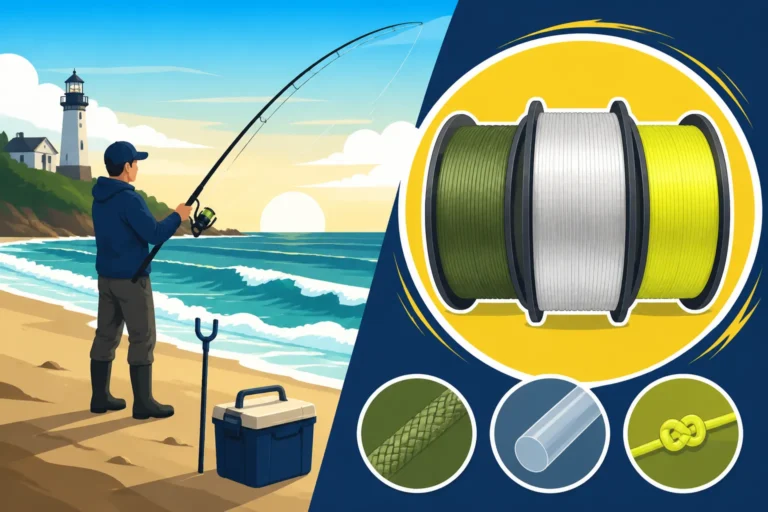
Your reel doesn't need to be fancy; a lightweight, disc-drag reel that balances your long rod is perfect. Its primary job is to hold your line and provide a smooth drag for fighting fish. The fly line itself is usually a specialized Euro nymphing line – extremely thin, level, and designed to minimize sag and weight. This line is often barely used in the actual fishing technique, as you're mostly casting with just your leader. Attached to this is your specialized Euro nymphing leader. This isn't your standard tapered leader; it's typically much longer, with a built-in sighter section. A sighter is a section of brightly colored monofilament (often bi-color, like pink and chartreuse) that helps you detect strikes and track your drift. Below the sighter, you'll have several feet of fine monofilament or fluorocarbon tippet, usually 5x to 7x, where you attach your flies. The lighter the tippet, the more natural the drift and the less visible it is to wary trout. You can find pre-made Euro nymphing leaders, or you can tie your own, which many experienced anglers prefer for customizability.
Nymph Selection for Connecticut Waters
Choosing the right nymphs is crucial, and for Connecticut freestone streams, it often boils down to matching the general profile, size, and weight, rather than an exact scientific imitation. Trout in these environments are opportunistic feeders, often keying into whatever is readily available and easy to catch in the current.
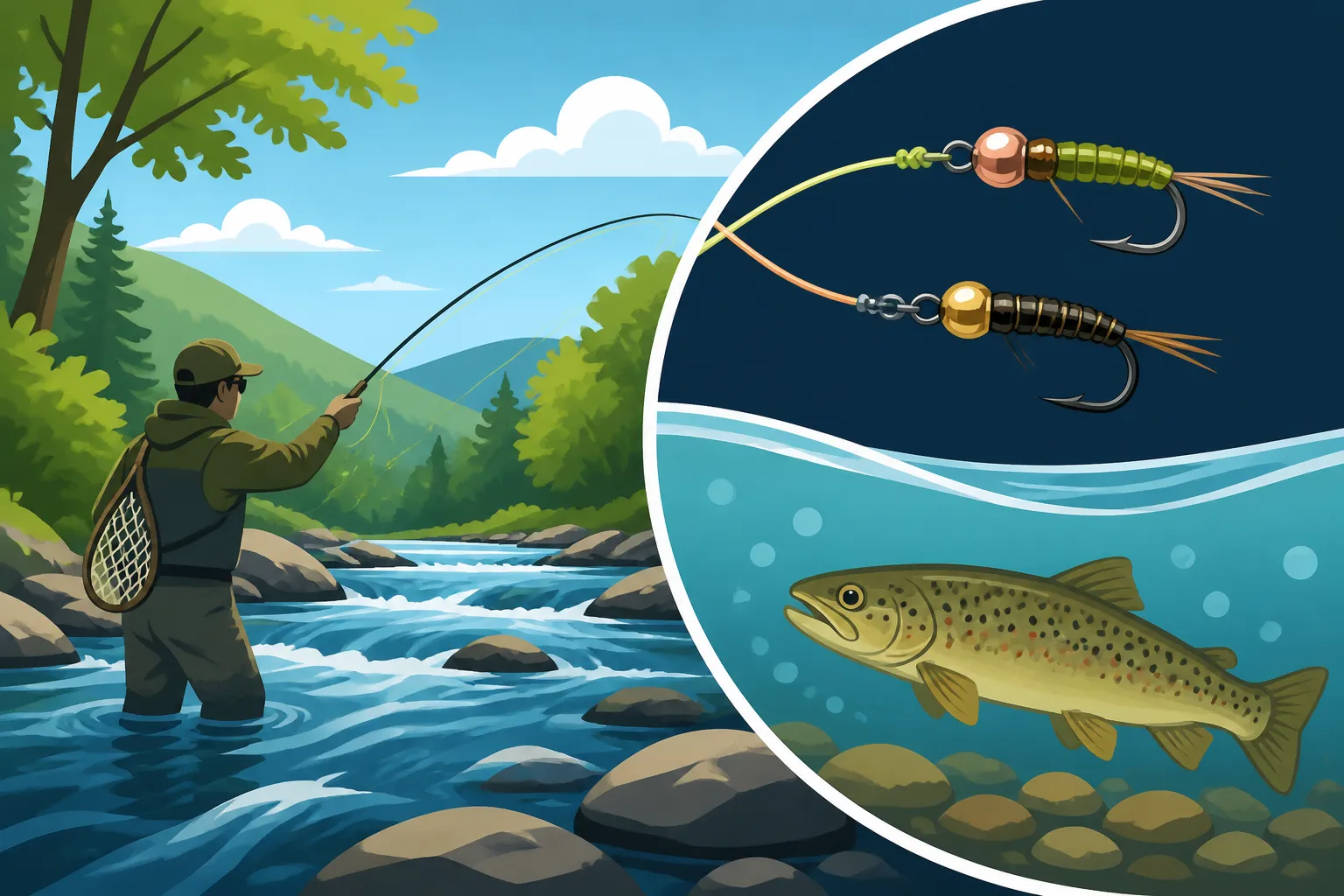
You'll want a selection of weighted nymphs that can sink quickly to the fish's feeding zone. Common patterns like Perdigons, Frenchies, and Pheasant Tails are excellent choices. Perdigons, with their slim profile and often tungsten bead heads, cut through the water column rapidly. Frenchies, a variant of the Pheasant Tail, often incorporate a hot spot of color that can trigger strikes. Squirmy Wormies, while controversial in some fly-fishing circles, are undeniably effective, especially for freshly stocked trout or after a rain. When fishing freestone streams, having a range of weights is key – from lightly weighted to heavily weighted flies. You can achieve this by varying the size of the bead head (e.g., 2.0mm, 2.5mm, 3.0mm, 3.5mm tungsten beads), or by adding lead-free weight to your leader above your flies.
Consider carrying a fly box specifically for your Euro nymphs, organized by weight and size. A good starting point for Connecticut freestones would be nymphs in sizes #12 to #18. During the spring, when the water is higher and colder, larger, heavier nymphs might be more effective, imitating larger stoneflies or caddis larvae. As the water warms and clears in summer, smaller, more imitative patterns become important. It's a good idea to research common insect hatches in specific Connecticut streams, such as the Mayflies and Caddis found on the Farmington River, to help guide your selections. You can often find a wide variety of these patterns, or the materials to tie them, on sites like Amazon, making it easy to stock up for your next trip.
Mastering the Technique on the Water
Euro nymphing is incredibly effective, but it does require a different mindset and set of skills than traditional fly fishing. The beauty of it lies in its active nature, always keeping you engaged with your flies.
Reading the Water and Approach
Before you even make a cast, take a moment to really read the water. Freestone streams offer a smorgasbord of potential fish lies. Look for classic trout holding water: current seams where fast water meets slow, allowing trout to conserve energy while food drifts by; plunge pools below rapids where fish can hide and ambush prey; deep pockets behind large boulders; and riffles and runs that tumble over gravel. In Connecticut, sections of the Housatonic River or even the smaller Saugatuck River are excellent places to practice identifying these features. Trout in these environments are often opportunistic and will sit in places where food is concentrated.
Your approach is paramount. Since you're typically fishing with a short line and often at a relatively close distance, stealth is critical. Wade slowly and deliberately, keeping a low profile. Avoid disturbing the water unnecessarily. Remember, trout are incredibly sensitive to vibrations and shadows. Plan your route upstream, as fishing against the current is usually the most effective way to present nymphs naturally and minimize spooking fish. This upstream approach allows your flies to drift into pockets and runs before your presence becomes apparent to the fish. Think about how you'd stalk a wary deer, and apply that same patient, quiet approach to the stream.
The "S" Cast and Dead Drift
Unlike a traditional overhead cast that uses the weight of the fly line, Euro nymphing often relies on a different technique known as the "S" cast, or sometimes a lob cast, which utilizes the weight of your flies and leader. The goal isn't distance, but rather a precise, soft presentation upstream that allows your flies to immediately begin a drag-free drift. You'll typically cast just your leader and flies, keeping your fly line off the water entirely or barely touching the surface. As your flies land, you raise your rod tip high, forming an "S" shape with your sighter or leader, and follow your flies downstream with the rod tip. This high-sticking technique is vital, as it keeps your main line out of the current, preventing drag and ensuring your nymphs drift at the same speed as the natural food.
The "dead drift" is the holy grail of nymphing. It means your flies are moving at precisely the same speed as the surrounding water, with no unnatural pulling or hesitation. This is where the long rod and sensitive leader truly shine. As your flies tumble downstream, you constantly adjust your rod tip, leading them slightly, trying to maintain that perfect "S" or slight bow in your sighter. If your sighter straightens out or moves unnaturally fast or slow, you know you have drag. This constant engagement with the drift is what makes Euro nymphing so active and rewarding. You're not just casting and waiting; you're actively guiding your flies through the current.
Detecting Strikes and Setting the Hook
This is arguably the most challenging, yet most rewarding, aspect of Euro nymphing. Without an indicator, you're relying on two main cues: your sighter and the feel through your rod. The sighter is your primary visual aid. Any hesitation, tic, stop, or unnatural movement of that sighter as it drifts downstream is a potential strike. It might be as subtle as a slight twitch or a brief pause in the drift. Don't wait for a dramatic pull; if anything looks or feels "off," assume it's a fish.
Beyond the visual, you'll feel takes through the rod tip. This is where the sensitivity of a good Euro nymphing rod comes into play. You might feel a subtle tap, a spongy resistance, or even just a slight pressure increase. It takes practice, but with experience, your hands become an extension of your fly, feeling the gentle tug of a curious trout.
When you detect a strike, setting the hook is swift and decisive. A quick, short, upward, or sideways flick of the wrist is usually all it takes. Don't wind up for a huge trout-set; you're already in direct contact, so minimal movement is required. A big, sweeping hook set with light tippet in fast water will likely break you off. Remember, these strikes are often incredibly subtle, so staying focused and being ready to react instantly is key to success on a challenging stream. This direct connection also ensures that you feel even the softest takes from wary fish. For more comprehensive insights into how fish react, consider reading up on Trout Species Identification Guide for Connecticut or even checking out Best Time of Year to Fish in Connecticut to understand when fish might be most active.
Advanced Tips for Tricky Connecticut Conditions
Fishing in Connecticut means dealing with a variety of conditions. From the unpredictable spring runoff to the low, clear waters of late summer, a successful Euro nympher knows how to adapt.
Adjusting to Water Levels and Clarity
Connecticut's freestone streams are dynamic. After a heavy rain, waters can rise, become turbid, and swift. In these conditions, you'll want to increase the weight of your nymphs and often go with larger, darker patterns that create a stronger silhouette against the murky water. Think bigger stoneflies or Perdigons with heavy tungsten beads. Don't be afraid to add split shot above your lead fly if needed, ensuring your flies get down quickly to where the fish are holding, often tucked tight against banks or behind large structure to avoid the main current. Your Connecticut Fishing Seasons by Month guide can give you an idea of typical water conditions throughout the year.
Conversely, during periods of drought or late summer, freestone streams can become incredibly low and clear. This demands a much more delicate approach. Downsize your nymphs to #16 or #18, use finer tippet (7x or even 8x), and focus on more natural, muted colors. Your stealth becomes even more critical; fish in clear, low water are extremely wary. Longer casts, careful wading, and precise drifts are paramount. You might find success in fishing faster, more oxygenated riffles where trout feel safer, or in the deeper, shaded pockets during the heat of the day. Sometimes, even the smallest pocket in a seemingly barren stretch of river can hold a surprisingly large trout in these conditions.
Overcoming Obstacles and Snags
Freestone streams are inherently "snaggy" environments. Those beautiful boulders, fallen trees, and gravel beds that provide prime trout habitat are also magnets for your flies. It's a frustrating but unavoidable part of the game. To minimize snags, start by using a "point-fly-down" approach. Your heaviest fly should be on the bottom, followed by lighter flies on droppers above it. This helps pull your entire rig quickly to the bottom where the fish are, but if the point fly snags, you have a better chance of pulling it free without losing your entire rig.
When you feel a snag, resist the urge to violently yank. Often, a gentle, sustained pull or wiggling your rod tip can dislodge the fly. If that doesn't work, try changing your angle of pull. Sometimes moving downstream or upstream a bit can free it. If all else fails, a sharp, quick snap can sometimes break the tippet at the fly rather than higher up, allowing you to re-tie just that one fly. It's also smart to carry a tippet spool caddy with various strengths. While snags are inevitable, practicing your "S" cast to avoid over-casting into known snag zones and actively guiding your flies with your rod tip can significantly reduce lost flies. For challenging wading and snag-prone areas, checking out Wading Techniques for Connecticut Trout Streams can provide valuable insights on staying safe and minimizing equipment loss.
Integrating Other Techniques
While Euro nymphing is incredibly effective, no single technique is a silver bullet for all conditions or all fish. Sometimes, especially in our Connecticut freestone streams, the trout will tell you they want something different. If you're consistently seeing fish rise to insects on the surface, it might be time to switch to a dry fly rig. Many Euro nymphing rods, particularly 3-weights, are versatile enough to cast a dry fly and a light dropper.
Similarly, if you're targeting larger, predatory brown trout in deeper pools or during colder months, streamers can be incredibly effective. Consider having a second rod rigged, or at least be prepared to quickly switch your leader to a streamer-specific setup. For example, if you're fishing the upper Farmington River and the Euro nymphing isn't producing, but you know there are large brown trout lurking, tying on a sparsely dressed olive or black woolly bugger might entice a strike. The ability to pivot between techniques is a hallmark of a truly skilled angler. Mastering fly selection and presentation can be further enhanced by understanding Fly Patterns for Connecticut Trout Streams.
Remember, freestone streams offer a diverse habitat for many species. While this guide focuses on trout, you might also find smallmouth bass in the warmer sections of some freestones, which also respond well to weighted nymphs and streamers. Being adaptable to what the river and the fish are presenting is key to consistent success.
| Nymph Pattern | Key Characteristics | Common Sizes | Best Conditions / Uses |
|---|---|---|---|
| Perdigon Nymph | Slim profile, tungsten bead, often epoxy-coated | #14 – #18 | Fast water, deep pockets, quick sink, clear water |
| Frenchie Nymph | Pheasant tail variant, hot spot collar/tail | #12 – #16 | All-around, slightly slower currents, versatile |
| Pheasant Tail Nymph | Classic Mayfly imitation, natural look | #12 – #20 | Medium currents, discerning trout, imitating various Mayflies |
| Squirmy Wormy | Soft, flexible material, often bright colors | #10 – #16 | After rain, high water, stocked trout, highly visible |
| Stonefly Nymph | Larger profile, often dark colors, weighted | #8 – #14 | High water, early season, imitating larger insects |
| Caddis Larva Nymph | Green/tan body, often with a bead head | #12 – #18 | Year-round, especially in caddis-rich streams |
Disclaimer
Fishing conditions and regulations in Connecticut can change. Always consult the latest Connecticut Department of Energy and Environmental Protection (DEEP) fishing guide before heading out. This article is for informational purposes only and should not replace official regulations or professional advice. Tight lines and stay safe out there!