How to catch pickerel through thick weeds
We've all been there: you're out on a beautiful Connecticut pond or lake, you spot some promising looking cover – a dense mat of lily pads, a submerged weed bed reaching for the surface – and you just know there's a hungry chain pickerel lurking beneath, waiting to ambush its next meal. But how do you get your lure to that toothy predator without snagging up every other cast, turning your fishing trip into a frustrating weed-pulling exercise? This guide is going to dive deep into the specific tactics and gear you need to confidently fish through the thickest vegetation and successfully catch pickerel, transforming those seemingly impenetrable spots into your secret honey holes.
Understanding Pickerel in Their Weedy Domain
Chain pickerel are absolutely incredible ambush predators, and they have a serious affinity for thick cover. If you understand why they hang out in the green stuff, you'll be much better equipped to catch them. They're not just hiding; they're strategically positioning themselves for a strike.
The Pickerel's Weedy Kingdom
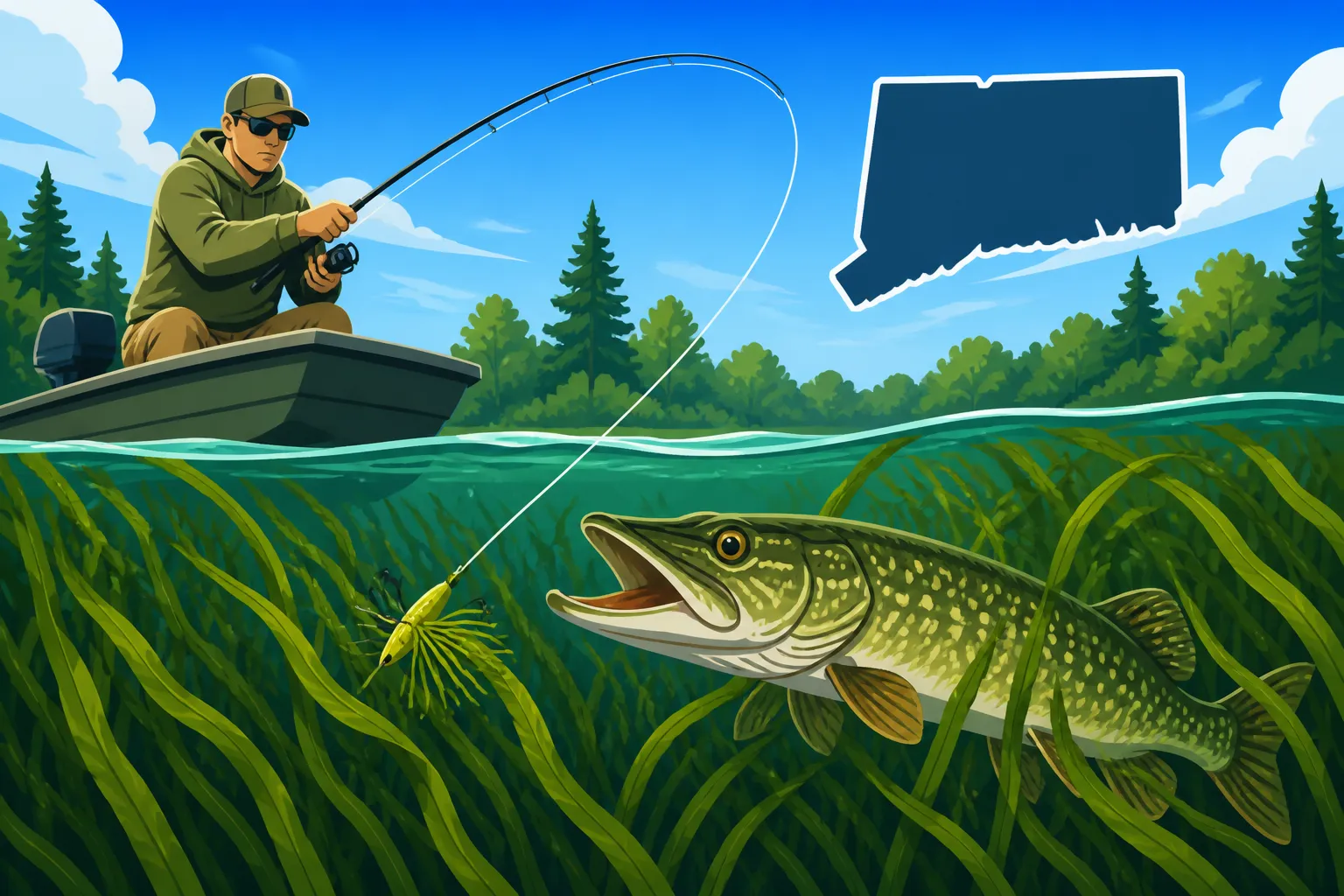
Think about it from a pickerel's perspective. A dense bed of weeds, be it hydrilla, milfoil, or lily pads, offers everything a solitary predator could want. First, it's an incredible camouflage. Their mottled green and yellow patterns blend perfectly with the vegetation, allowing them to disappear into the background as they wait for unsuspecting prey. Second, it provides endless ambush points. They can sit just inside the edge of a weed line, tucked into a pocket, or hidden deep within a thick mat, waiting for a minnow, frog, or even a smaller panfish to swim by. They explode from cover with lightning speed, often giving their prey no chance to escape. These weeds also offer thermal refuge, keeping them cooler in the summer and potentially warmer in the shoulder seasons. Knowing that they prioritize stealth and ambush means your presentations need to be focused on triggering that instinct. You'll often find that some of the best Chain Pickerel Habits in Connecticut Ponds revolve around these dense, oxygen-rich environments.
Identifying Prime Pickerel Ambush Points
While pickerel love weeds generally, not all weed beds are created equal. You need to look for specific features that suggest a prime ambush location. Think about the edges: where a dense weed mat meets open water, a channel, or a drop-off. These are natural highways for baitfish, making them high-traffic areas for pickerel. Look for pockets within the weeds, small openings or lanes that create an easier path for your lure and a clearer strike zone for the fish. Overhangs, submerged timber mixed with weeds, or even a subtle point extending from a weed bed into deeper water are also prime real estate. Don't be afraid to experiment with different parts of the weed bed – sometimes the thickest, most intimidating sections hold the biggest, most aggressive fish. Pay attention to how the weeds grow; a consistent height or a sudden change can indicate something beneath the surface that pickerel are using as cover.
Essential Gear for Weedy Pickerel Fishing
Fishing through thick weeds demands a specific setup. You can't just use your finesse gear and expect to pull out a feisty pickerel from a tangled mess. This is where your tackle selection really comes into play. Having the right tools will make the difference between a successful outing and a day spent frustrated by snags.
Rods and Reels for Punching Through Greenery
When you're dealing with thick weeds, power is your friend. You'll want a medium-heavy to heavy power rod, typically in the 6'6" to 7'6" range. The extra backbone is crucial for two reasons: it allows you to cast heavier, weedless lures accurately, and more importantly, it gives you the leverage to muscle a pickerel out of dense vegetation before it can bury itself even deeper. A fast action tip is still desirable for sensitivity and accurate casting, but the overall power is key. For reels, a baitcasting setup is often preferred, especially if you're throwing heavier lures or need to make precise casts into small weed pockets. A baitcaster with a high gear ratio (7.1:1 or higher) will help you pick up slack line quickly and keep constant pressure on a fish, preventing it from digging in. For those who prefer spinning gear, opt for a larger spinning reel (3000-4000 series) with a robust drag system, paired with a heavy power spinning rod. Remember, you're not just fighting the fish; you're often fighting the weeds too. You can find a good selection of durable rods and reels suitable for this kind of fishing on Amazon, often with reviews from other anglers who tackle similar challenges.
Line Choices to Tame the Weeds
Your fishing line is perhaps the most critical component when fishing through thick weeds. Forget about monofilament or fluorocarbon as your main line here – they just don't cut it. Braided line is the undisputed champion for this application. Its extreme strength-to-diameter ratio, zero stretch, and incredible abrasion resistance make it ideal. A 30 to 50 lb test braided line is a good starting point. The lack of stretch means you'll feel every tap and, more importantly, you'll get a solid hookset even through heavy cover. When a pickerel grabs your lure and bolts into a weed bed, that braid allows you to cut through the vegetation and maintain control.
While braid is essential, you might consider a short fluorocarbon leader (12-20 lb test) if the water is exceptionally clear and the fish are skittish. However, in many weedy scenarios, the pickerel aren't overly line-shy, and the braid's durability directly tied to your lure is often more beneficial. If you do use a leader, ensure your knot strength is impeccable; a strong uni-to-uni or FG knot is a must. The primary goal is strength and weed-cutting ability, and braid delivers on both fronts.
Lures Designed for the Jungle
The key to lure selection for thick weeds is weedlessness. If your lure isn't designed to shed weeds, you'll spend more time cleaning than fishing. Here are some of the best options:
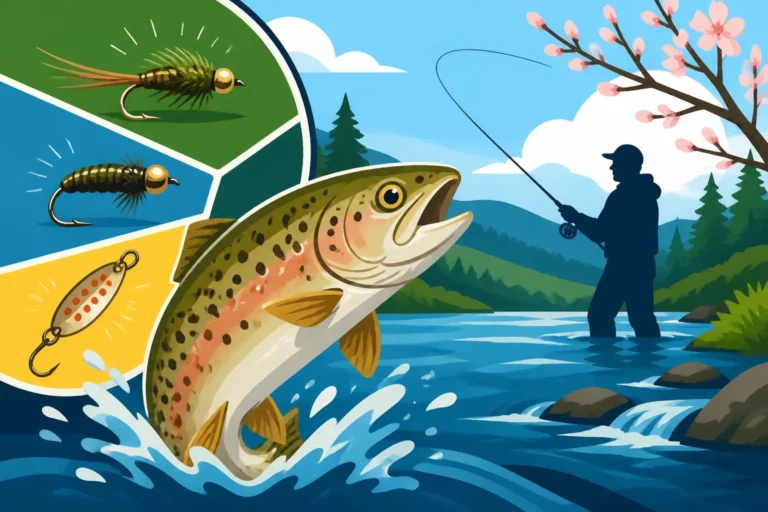
- Weedless Spoons: These are classics for a reason. Spoons like the Johnson Silver Minnow are iconic. Their single, upturned hook, often with a weed guard, allows them to slide over and through dense vegetation without snagging. They wobble and flash, mimicking a dying baitfish, which is irresistible to pickerel. Cast them over lily pads or dense submerged weeds and retrieve them with a steady pace, occasionally twitching them.
- Soft Plastic Frogs/Toads: When the weeds are thick on the surface, topwater frogs are a blast. Brands like Livetarget or Zoom offer excellent hollow-bodied frogs that walk right over the green mat. When a pickerel strikes, it's often explosive! Make sure your hookset is delayed just a moment to ensure the fish has the frog fully in its mouth.
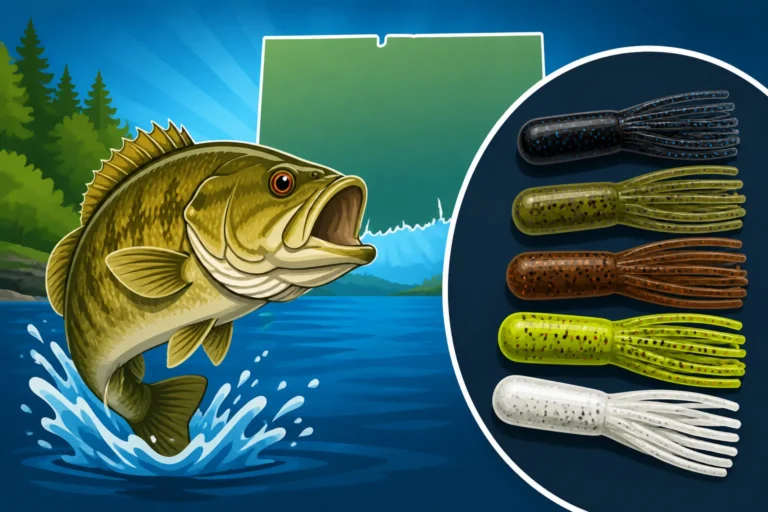
- Soft Plastic Stickbaits/Senkos (Weightless/Wacky Rigged): A simple, weedless rigged stickbait can be deadly. Rigged Texas-style with an offset worm hook, it's incredibly weedless. Cast it into pockets or along weed edges and let it slowly sink. The subtle wiggle on the fall can be just what a pickerel needs to trigger a strike.
- Swim Jigs with Brush Guards: A swim jig with a good brush guard can be worked through medium-density weeds. Pair it with a soft plastic trailer (like a paddle-tail or craw) for added bulk and action. This allows you to present a bait lower in the water column within the weed lines.
- Bladed Jigs (Chatterbaits) with Weedless Hooks: Some bladed jigs are designed with weedless hooks and can be surprisingly effective in moderately thick weeds. The vibration and flash are excellent for attracting pickerel. However, they can still pick up some weeds, so they are best for slightly sparser areas or working alongside denser mats.
When you're looking for these specific types of lures, check out the fishing sections on Amazon; you'll find a vast array of weedless options from various manufacturers, allowing you to stock up on different colors and sizes to match your local conditions.
Here's a quick comparison of popular weedless lure types for pickerel:
| Lure Type | Weedlessness Level | Best for | Action/Presentation | Pros | Cons |
|---|---|---|---|---|---|
| Weedless Spoons | High | Over submerged weeds, lily pads | Steady retrieve, occasional twitch | Extremely weedless, good flash, easy to use | Can be less versatile in open water |
| Hollow-Body Frogs | High | Thick surface mats, lily pads | Walk-the-dog, twitch-pause | Exciting topwater strikes, very weedless | Requires good timing for hookset |
| Texas-Rigged Plastics | Very High | Pockets, weed edges, submerged growth | Pitching, slow retrieve, jigging | Versatile, natural presentation, highly weedless | Slower retrieve, less flash |
| Swim Jigs | Medium-High | Weed lines, sparse mats | Steady retrieve, slow roll, lift-fall | Good vibration/flash, can be worked deeper | Can still snag in very dense weeds |
| Bladed Jigs | Medium | Weed edges, open lanes within weeds | Steady retrieve, rip-pause | Strong vibration, broad appeal | Less weedless than spoons/frogs for extreme cover |
Techniques for Penetrating the Green Veil
Once you have the right gear, it's all about how you present your lure. Getting your bait into the pickerel's strike zone without becoming a weed magnet is an art form, but with these techniques, you'll be well on your way.
Topwater Tactics Over the Mat
Fishing topwater over thick weed mats is not only incredibly effective but also one of the most exciting ways to catch pickerel. When the pickerel are looking up, nothing beats the thrill of a surface strike. As mentioned earlier, hollow-bodied frogs or weedless soft plastic toads are your best friends here. Cast your chosen topwater lure directly onto the thickest weed mats. Don't be shy; you want it sitting right on top of the vegetation. The key is to work it slowly and methodically. Use a "walk-the-dog" retrieve for frogs, making them zigzag enticingly across the surface. For toads, a steady retrieve with their kicking legs churning water is often all it takes. The goal is to imitate a frog or a mouse struggling across the cover. When a pickerel strikes, it's often a violent explosion. The natural instinct is to set the hook immediately, but resist! Wait a second or two for the fish to fully engulf the lure before setting the hook hard. This improves your hookup ratio significantly. These techniques are often also great for bass, so if you're out for Largemouth Bass Fishing in Connecticut, you might find similar success.
Subsurface Strategies for the Depths
Sometimes, pickerel aren't looking up. They might be deeper in the weeds, or the surface activity isn't as prevalent. This is where subsurface weedless presentations shine. Texas-rigged soft plastics, especially stickbaits or creature baits, are fantastic. Pitch or flip these into open pockets within the weed mat, along the edges of weed lines, or into any noticeable lanes or breaks. Let them sink slowly, imparting subtle twitches as they descend. The slow, natural fall is often what triggers a hesitant pickerel.
Weedless spoons are another excellent choice for subsurface work. You can cast them over thinner submerged weed beds, letting them flutter down briefly before starting a retrieve. A steady retrieve with occasional pauses or lifts often works best, mimicking a wounded baitfish. If you're encountering particularly dense submerged patches, a heavy weedless jig (like a punching jig) with a compact plastic trailer can be punched directly through the mat, creating a disturbance that can draw a strike as it falls into the open water beneath. Remember, the goal is to get your lure to the fish, not just on top of the weeds. Experiment with retrieve speeds and depths until you find what the pickerel are reacting to. For further insights on how these fish behave, consult our guide on What chain pickerel eat in Connecticut ponds.
Jerkbaits and Paddle-tails for Edges
While not strictly for through thick weeds, jerkbaits and paddle-tail swimbaits are incredibly effective for pickerel lurking on the edges of weed beds. These lures excel at covering water and triggering aggressive reaction strikes. Cast a suspending jerkbait parallel to a weed line, working it with a "twitch, twitch, pause" retrieve. The pause is critical; pickerel will often hit the lure as it hangs motionless in the water, appearing vulnerable.
For paddle-tail swimbaits, rig them weedless on an appropriate offset worm hook or a weedless jig head. These can be retrieved with a steady swim, mimicking a cruising baitfish, or slowly hopped along the bottom near weed edges. The vibration from the paddle tail can draw fish out of cover. These lures are particularly good for pickerel that are a bit more active and willing to chase, rather than just waiting for an ambush right in their living room. Pay close attention to current and structure around these weed edges, as pickerel will use any advantage to position themselves. Our article on Best Techniques for Chain Pickerel can offer more nuanced strategies for various scenarios.
Dealing with Weed Fouling and Snags
Fishing through thick weeds inevitably means dealing with some level of weed fouling and the occasional snag. It's part of the game, but having a plan can save you a lot of frustration and lost lures.
Clearing Weeds from Your Lure
Even with weedless lures, a stray leaf or a clump of vegetation can sometimes cling to your bait. The first sign is usually a change in the lure's action or resistance during retrieve. When this happens, it's often best to stop your retrieve, give your rod tip a sharp, upward snap, or a hard side sweep. This sudden jolt can often dislodge the weeds. If it doesn't, a few quick jerks of the rod, combined with reeling in slack, might clear it. In more stubborn cases, or if you feel the lure is completely balled up, it's usually best to reel in, clean your lure, and recast. Trying to fish with a weed-fouled lure is largely unproductive, as its action will be compromised, and pickerel are unlikely to strike it. Remember, consistency in presentation is key, so take the moment to clean up rather than fish poorly.
Retrieving Snagged Lures Safely
A true snag is different from simply having weeds on your lure. A snag means your hook is firmly embedded in something solid—a submerged branch, a rock, or a dense root ball within the weed bed. When you feel a solid snag, the worst thing you can do is just yank. This often just buries the hook deeper. First, keep your line taut and try to approach the snag from different angles. Sometimes, pulling from a different direction can free the hook. If you're in a boat or kayak, moving around the snag can be very effective.
If you can't move to a different angle, try a technique often called "bowstringing." Keep tension on your line, then use your other hand to pluck the line like a bowstring. The vibration and sudden snap can sometimes jar the hook loose. If all else fails, and you're sure it's a solid snag and not a fish, you'll have to break your line. To minimize risk, point your rod directly at the snag, engage your reel's drag fully, and pull steadily until the line breaks. This protects your rod from snapping. This is why using strong braided line is so beneficial; it often allows you to pull out entire clumps of weeds or straighten hooks before breaking, saving your lure. For some general rules that apply to all fishing in the state, be sure to check out Connecticut Fishing Regulations Explained.
Safety and Conservation When Targeting Pickerel
Catching pickerel, especially in thick weeds, can be a blast, but it's important to keep safety and conservation in mind. Their sharp teeth and challenging habitat require a thoughtful approach.
Handling Pickerel Safely
Pickerel have mouths full of sharp, needle-like teeth. They're not going to bite off your finger like a pirahna, but they can inflict nasty cuts if you're not careful. Always carry a pair of long-nosed pliers or a jaw gripper tool with you. Never stick your fingers into a pickerel's mouth. If you plan to release the fish (which is often the case with pickerel, though they are fine table fare), handle them as little as possible. Use wet hands if you must touch their body to protect their slime coat. When removing the hook, use your pliers to quickly and carefully dislodge it. If the hook is deeply set, consider cutting the line close to the hook to minimize damage to the fish, especially if it's a small one. A quick, efficient release ensures the fish has the best chance of survival. Knowing Connecticut Trout Limit and Possession Rules is important for other species, but for pickerel, it's often about the sport and safe release.
Practicing Catch and Release in Weedy Areas
Many anglers practice catch and release for pickerel, especially the larger specimens that are important for maintaining a healthy population. When releasing a pickerel, especially one caught in thick weeds, ensure it's revived properly. If the fight was long or the fish looks stressed, hold it gently in the water, facing into any current if possible, until it swims away on its own. Don't just toss it back. In weedy areas, this might mean clearing a small patch of open water to ensure it has a clear path to recover. Be mindful of the surrounding environment; avoid leaving behind any tangled line or trash. Take care of the waters and the fish, and they'll continue to provide great sport for years to come. If you're looking for more general information about where to find these fish and other species, our guide on Where chain pickerel live in Connecticut is a great resource.
Disclaimer
This article is for general informational purposes only and does not constitute professional advice. Laws, prices and regulations vary by location and change over time. Consult a qualified professional for guidance on your specific situation.