Best charters for anglers with mobility limitations
For many passionate anglers, the dream of casting a line on Connecticut's beautiful waters can be overshadowed by the practical challenges of physical mobility. Navigating boats, docks, and even tackle can feel daunting, making a seemingly simple fishing trip feel out of reach. This guide is here to help you cut through those frustrations and connect you with the best fishing charters in Connecticut that are genuinely accommodating for anglers with mobility limitations, ensuring you can enjoy a safe, comfortable, and successful day on the water.
Understanding Accessibility in Fishing Charters
When we talk about "accessible" fishing, it’s about more than just having a ramp. It encompasses a whole range of considerations, from the physical design of the vessel to the mindset and training of the crew. For someone with limited mobility, a fishing charter needs to be thoughtfully designed and operated to truly deliver an enjoyable experience.
What "Accessible" Truly Means on a Boat
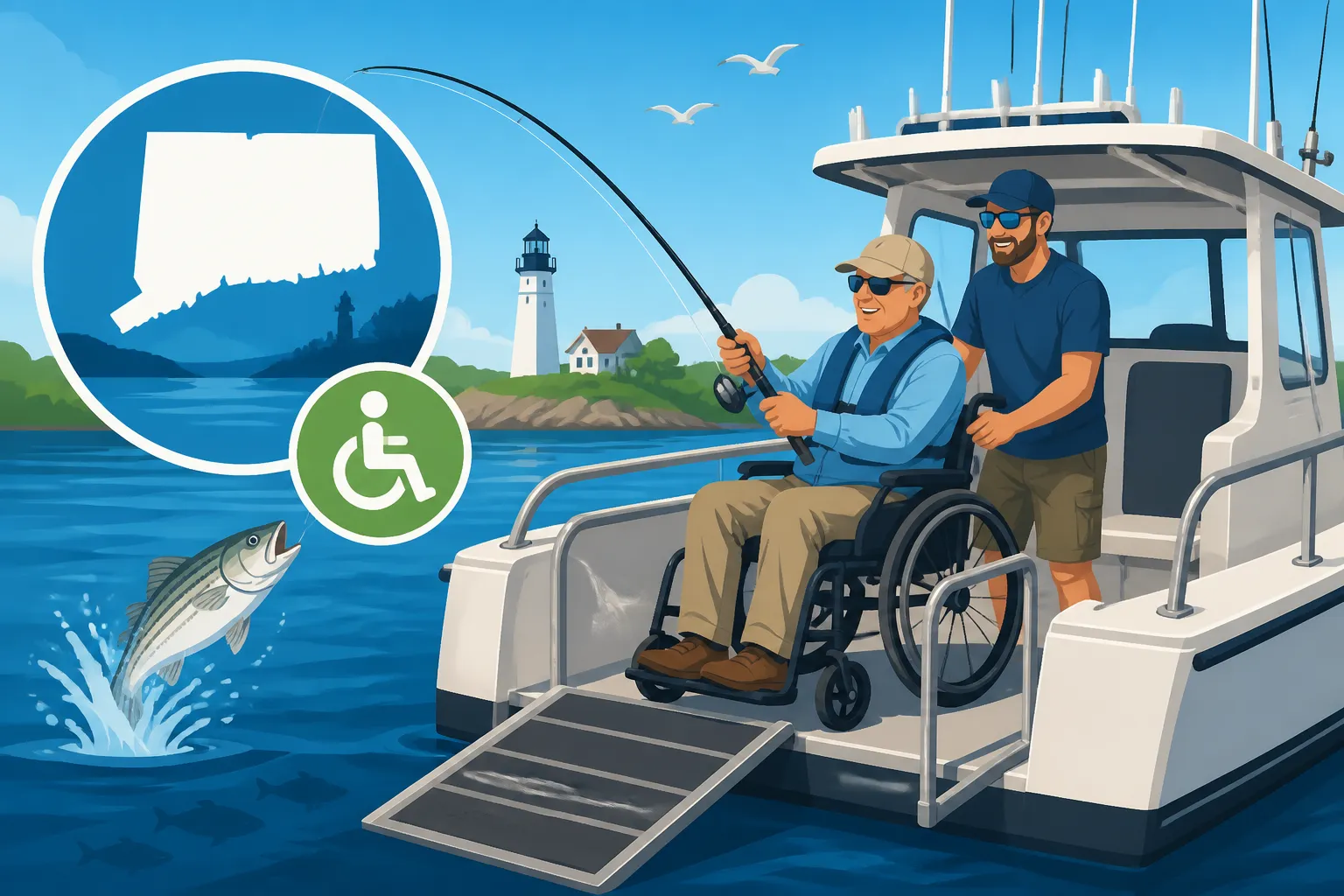
Think about getting onto the boat itself. Is there a stable gangplank, or do you have to step over a wide gap from a potentially rocking dock? Once aboard, is the deck level and free of tripping hazards, or are there steps and narrow passageways that are difficult to navigate with a walker, cane, or wheelchair? These details make a world of difference. An accessible boat often means wider-than-average walkways, minimal thresholds, and ample open space in key areas where you'll be fishing or moving about. It's about freedom of movement and reducing potential obstacles.
It also extends to the practicalities of a full day out. Can you easily reach a comfortable seating area, or do you have to perch on a cooler? What about using the head (restroom)? Is it large enough to maneuver in, or is it a cramped space that requires significant contortion? These aren't minor comforts; they're essential elements that determine whether a trip is truly relaxing or a source of constant stress. The goal is to make the entire experience, from boarding to fishing to returning to shore, as seamless and dignified as possible.
Common Challenges for Anglers with Mobility Issues
Anglers with mobility limitations face a unique set of challenges that can dampen even the most anticipated fishing trip. One of the most common issues is simply getting on and off the boat safely. High gunwales (the upper edge of the boat's side) can be a significant barrier, requiring a large step up or down that might be impossible without substantial assistance or a proper ramp. Couple this with a moving dock or a rocking boat, and it becomes a real hazard.
Once onboard, the typical layout of many fishing boats presents further hurdles. Narrow passages between the console and the gunwales, steps leading to different deck levels, and the general clutter of fishing gear can all impede movement. Slippery decks, especially when wet, pose a fall risk, and a lack of secure grab bars or railings means there's nothing to steady oneself. Even simple actions like baiting a hook or reeling in a fish can be difficult if there isn't a stable place to sit or brace oneself, or if rod holders aren't positioned correctly. Many standard boat heads are tiny, making them virtually unusable for someone in a wheelchair or with difficulty bending and twisting. These everyday frustrations are what accessible charters aim to solve.
Key Features to Look for in an Accessible Charter
Finding the right accessible charter is all about knowing what specific features and accommodations to prioritize. It's not just about finding any boat; it's about finding one that genuinely understands and caters to your individual needs.
Boat Design and Layout Considerations
When you're looking for an accessible charter, the boat's physical design is paramount. Look for vessels with stable, wide platforms, often found on larger center consoles, pontoon boats, or even some specialized head boats (party boats). The wider the beam, the more stable the boat tends to be, which is crucial for balance. Minimal steps or changes in deck level are ideal. Any ramps or transitions should be gradual, non-slip, and secure. Ample open cockpit space means more room to maneuver a wheelchair or walker, and allows for multiple fishing positions without feeling cramped.
Consider the presence of sturdy grab bars or railings strategically placed along walkways and around the fishing areas. These provide critical support for balance and movement. Some charters might even feature adjustable or permanent seating options that are stable and comfortable, rather than relying on portable coolers. Remember, a thoughtful layout isnudes a clear path from the boarding area to the main fishing spots and the head, free from obstacles like coolers, bait wells, or excessive fishing tackle.
Crew Experience and Accommodations
Beyond the boat itself, the crew's experience and willingness to accommodate are perhaps the most important factors. A captain and mate who are genuinely empathetic, patient, and trained in assisting anglers with diverse needs can make or break your trip. Don't be afraid to ask about their specific experience. Have they had guests with similar mobility challenges before? What kind of assistance can they provide? Can they help with baiting hooks, casting, or even just steadying you while you reel in a fish?
A good crew will anticipate needs, offer help proactively, and ensure your safety and comfort without making you feel like a burden. This might involve adjusting their fishing spots to calmer waters, slowing down movements, or providing extra time for transitions. Their attitude and willingness to go the extra mile are invaluable. When you're talking to potential charters, pay close attention to their tone and responsiveness; it often gives a good indication of their overall approach to customer service and inclusivity. They should sound confident and experienced in providing a safe and enjoyable outing for all.
Equipment and Amenities
Certain equipment and amenities can significantly enhance an accessible fishing experience. For instance, specialized rod holders that allow for hands-free fishing or can be easily adjusted to different heights and angles are a huge benefit. These free up your hands for balance or other tasks, and reduce strain. Some charters might even have adaptive fishing equipment available, such as electric reels for those with limited arm strength, though this is less common and usually needs to be specifically requested.
Accessible restrooms are a crucial, yet often overlooked, amenity. A boat's head should ideally be spacious enough to allow a wheelchair to enter or for a person to maneuver with assistance. While full ADA compliance is rare on fishing vessels, a charter that has a larger-than-average head and a clear path to it shows a commitment to accessibility. Finally, comfortable, stable seating with backrests is important for reducing fatigue during a long day on the water. These small details, when combined, create a much more inclusive and enjoyable environment for anglers with mobility limitations.
How to Find and Book an Accessible Charter in Connecticut
Finding the perfect accessible charter takes a bit of research and clear communication. It's not always advertised front and center, but with the right approach, you can connect with captains who are truly equipped and eager to welcome you aboard.
Starting Your Search: Online Platforms and Direct Contact
When you begin your search for an accessible fishing charter in Connecticut, online platforms like FishingBooker can be a great starting point. Many charter listings will provide details about the boat type, size, and amenities. While they might not always explicitly state "wheelchair accessible," you can often get a sense of the boat's layout by looking at photos. Some platforms even have filters or sections dedicated to accessibility. However, this is just the first step. The most crucial part of finding an truly accessible charter is direct communication.
Once you've identified a few potential charters through an online search or even local recommendations, pick up the phone or send a detailed email. Explain your specific mobility needs clearly and concisely. Don't assume anything. Be prepared to describe what kind of assistance you might require and what features are non-negotiable for your comfort and safety. This direct conversation allows the captain to honestly assess if their vessel and crew can meet your expectations, preventing disappointment on the day of your trip. Don't be shy about asking questions; a good captain will appreciate your thoroughness. You can also explore options for Best Family-Friendly Fishing Charters in Connecticut, as these often prioritize comfort and ease for all ages and abilities.
Critical Questions to Ask Before Booking
Before you commit to a charter, arm yourself with a list of specific questions. This isn't about being demanding; it's about ensuring a safe and enjoyable experience tailored to your needs. Here’s a checklist of things to ask:
- Boat Access: "What is the typical boarding process? Is there a ramp, or do guests need to step over a gunwale? How wide is the gangplank or boarding area?"
- Deck Layout: "Are there any steps or significant thresholds on the main deck? How much clear floor space is there in the fishing area? Are there any narrow passages?"
- Support & Seating: "Are there sturdy grab rails or points of support throughout the boat? Are there comfortable, stable seating options with backrests, or is it mostly bench seating/coolers?"
- Restroom Facilities: "How spacious is the head (restroom)? Is it easily accessible from the main deck without navigating steps or tight turns?"
- Crew Assistance: "What is the crew's experience with assisting anglers with mobility limitations? Are they able to provide physical support for boarding, moving around, or reeling in fish if needed?"
- Fishing Equipment: "Do you have any specialized rod holders or adaptive equipment? Can rod holders be positioned at a comfortable height?"
- Type of Fishing: "What kind of fishing will we be doing, and how much movement is typically required for that?" (e.g., trolling might be less demanding than jigging).
Asking these questions directly will help you gauge the captain's understanding and willingness to accommodate. A truly accessible charter will have clear answers and solutions for most of these points. You might also want to consult a general guide on How to Choose a Connecticut Fishing Charter for other important considerations.
Port Considerations for Easy Boarding
The accessibility of the boat itself is crucial, but don't forget about the port and dock where you'll be boarding. Some marinas have floating docks that maintain a consistent height relative to the boat, making boarding easier, while others have fixed docks where the height can vary significantly with the tide. A high dock relative to the boat can create a large step, even if the boat itself is well-designed. Inquire about the specific dock conditions and how they might impact boarding on the day of your trip.
Consider parking accessibility as well. Is there handicap parking close to the slip? Is the path from the parking lot to the boat free of obstacles, steep ramps, or long distances? Some larger marinas in areas like Old Saybrook or Niantic might have more developed infrastructure, but it's always worth confirming. Knowing these details upfront, along with a good understanding of What to Expect on a Connecticut Fishing Charter, will ensure your arrival and departure are as smooth and stress-free as your time on the water.
Maximizing Your Accessible Fishing Experience
Once you've found and booked your ideal accessible charter, a little preparation and thoughtful communication can go a long way in ensuring your trip is not just successful, but truly enjoyable and memorable.
Preparing for Your Trip
Preparation is key to a smooth and enjoyable accessible fishing trip. First and foremost, communicate thoroughly with your captain in the days leading up to your trip. Reconfirm any specific needs or assistance you discussed during booking. It's always a good idea to remind them of your mobility considerations so they can have everything ready. Be realistic about your own capabilities and communicate any limitations you might have. For instance, if standing for long periods is difficult, let them know you'll need regular opportunities to sit.
Think about what personal items might enhance your comfort and safety. This could include a comfortable cushion, a non-slip mat for your feet, or any personal assistive devices you rely on. Dress in layers, as conditions on the water can change quickly, and ensure you have appropriate footwear – non-slip, closed-toe shoes are a must. Don't forget sun protection, snacks, and any medications you might need. A detailed packing list, perhaps informed by a guide like What to Bring on a Connecticut Fishing Charter, can be invaluable. The more prepared you are, the more you can relax and focus on the fishing itself.
Onboard Strategies for Comfort and Safety
Once you're on the boat, having a few strategies in mind can help you stay comfortable and safe. Always let the crew know if you need assistance moving around, especially when the boat is in motion. Take advantage of any available grab bars and move slowly and deliberately. If you use a wheelchair, ensure it is securely braked and positioned in a stable spot. Don't hesitate to ask for a break if you feel fatigued or uncomfortable; a good crew will be understanding and accommodating.
When fishing, position yourself in a spot that offers good stability and accessibility to your rod. If specialized rod holders are available, use them to reduce strain. If you plan to keep any fish, confirm with the captain where they prefer fish to be stored and if they can assist with cleaning the catch. Remember that Connecticut Fishing Regulations Explained are in place for everyone's safety and the health of the fishery, so be mindful of limits and seasons. The goal is to make the most of your time, and that means prioritizing your well-being throughout the outing.
Enjoying the Experience
Ultimately, fishing is about relaxation, connection with nature, and the thrill of the catch. Don't let your mobility limitations overshadow the joy of the experience. Embrace the beautiful Connecticut scenery, whether you're cruising Long Island Sound Fishing Guide or exploring one of our many Best Fishing Lakes in Connecticut. Focus on the moments: the feel of the rod, the excitement of a bite, the camaraderie with the crew and fellow anglers. Some of the most memorable fishing trips aren't about landing the biggest fish, but about the quality of the experience.
Remember, you've taken the steps to find a charter that can accommodate you, so lean into that support. Allow yourself to be assisted when needed, and celebrate every small victory, from a successful cast to a fish in the net. Whether you're targeting Striped Bass Fishing in Long Island Sound or Trout Fishing in Connecticut, the opportunity to be out on the water, pursuing your passion, is a gift. Pay attention to Tipping Etiquette for Connecticut Fishing Charters to show your appreciation for the crew's hard work and accommodation, and leave feeling refreshed, accomplished, and ready to plan your next adventure.
Disclaimer
This article is for general informational purposes only and does not constitute professional advice. Laws, prices and regulations vary by location and change over time. Consult a qualified professional for guidance on your specific situation.