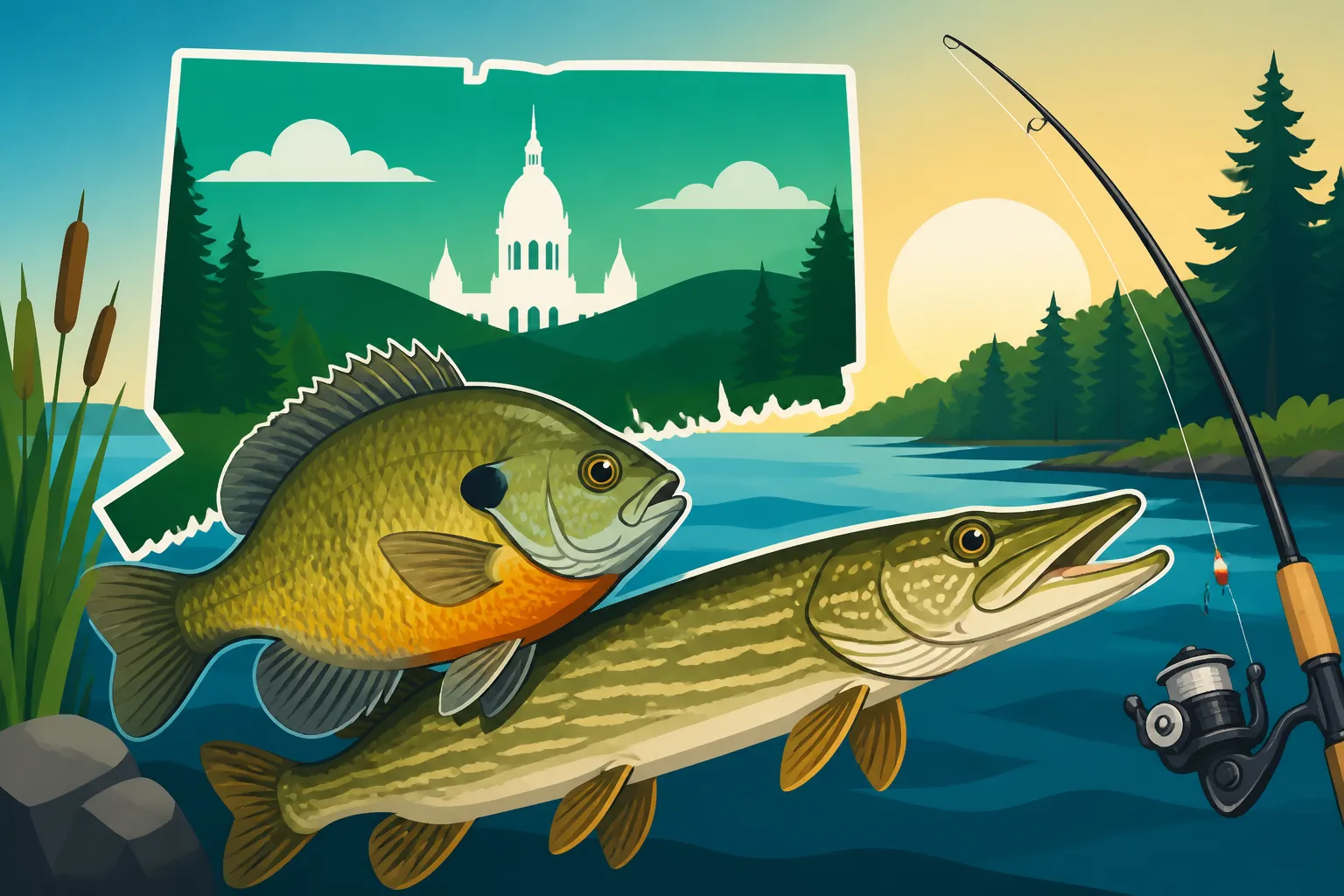
Best guides for panfish and pickerel trips
It can feel like a real challenge to find specialized fishing guides in Connecticut when you’re not chasing after the big-name species like striped bass or trout. Many anglers, myself included, often assume that panfish and pickerel are "easy" to catch on our own, or that guides wouldn't bother with them. But let me tell you, targeting these incredibly fun and often feisty fish with a knowledgeable guide can totally transform your experience. This guide is all about helping you understand the immense value a dedicated guide brings to panfish and pickerel trips and how to find the perfect one for your next adventure.
Why Hire a Guide for Panfish and Pickerel?
You might be thinking, "Panfish and pickerel? Why would I need a guide for those?" It's a fair question, especially when many associate guided trips with trophy trout streams or offshore battles. However, underestimating the value a guide can bring to a panfish and pickerel trip is a common mistake. These seemingly simpler fish often hold surprising challenges and offer incredible learning opportunities, especially for beginners or those looking to deepen their understanding of local waters. A great guide isn't just about catching fish; it's about connecting with the ecosystem and refining your angling skills.
Unlocking Hidden Gems and Local Waters
One of the biggest hurdles for any angler, regardless of experience, is finding truly productive spots. Connecticut is blessed with countless ponds, lakes, and slow-moving rivers, but not all of them hold robust populations of panfish or pickerel, and even fewer offer consistent action. A local guide has spent years, often decades, exploring these waters, understanding seasonal patterns, and identifying those honey holes that are often overlooked by the casual angler. They know the subtle weed lines, the specific submerged timber, or the quiet coves where a big pickerel might ambush its prey.
Imagine showing up to a new lake, spending hours casting aimlessly, only to leave with little to show for it. Now, picture yourself with a guide who takes you directly to a brush pile teeming with sunfish, or a lily pad field where hefty chain pickerel lurk. This local expertise saves you immense time and frustration, ensuring your precious fishing hours are spent productively. They know exactly when the panfish are active in a certain spot, or where the Chain Pickerel Habits in Connecticut Ponds lead them during different seasons, providing an experience you simply can't replicate without extensive personal scouting.
Master Specific Techniques and Gear
While panfish and pickerel might not require the same finesse as, say, dry fly fishing for wild trout, there are still specific techniques, baits, and lures that dramatically increase your success rate. A guide specializing in these species will have a deep arsenal of knowledge on what works best, when, and where. They can teach you the subtle art of jigging for crappie, the best retrieves for enticing a pickerel out of cover, or how to present a worm effectively to a picky bluegill. They understand the nuances that differentiate a good day from a great one.
Furthermore, guides often have specialized gear tailored to these specific fisheries. They might have ultralight setups perfect for feeling the lightest panfish bite, or stronger rods and leaders designed to handle the razor-sharp teeth of a pickerel. They can show you how to rig a bobber correctly, tie specific knots, or choose the right color jig for murky water conditions. This hands-on instruction is invaluable. You're not just fishing; you're receiving a masterclass in Best Techniques for Panfish in Connecticut or Best Techniques for Chain Pickerel that you can then apply to your future solo trips.
Education for Future Solo Trips
Perhaps the most enduring value of a guided trip, especially for species like panfish and pickerel, is the educational aspect. A good guide doesn't just put you on fish; they teach you how to find them yourself. They explain why they're choosing a particular spot, what depth to target, how to read the water for signs of activity, and what environmental factors (like water temperature or time of day) are influencing the fish. It's like getting a personalized fishing seminar right there on the water.
This knowledge empowers you to become a more independent and successful angler. You'll learn about different types of habitat, forage, and how to adapt your approach as conditions change. Whether it's understanding what water temperature pickerel prefer or recognizing the subtle feeding habits of crappie, a guided trip provides insights that textbooks or online videos simply can't. Think of it as an investment in your long-term angling skill set.
What to Look for in a Connecticut Panfish and Pickerel Guide
Okay, so you're convinced a guide is a smart move for your panfish and pickerel ambitions. Great! Now comes the crucial step: finding the right guide. Connecticut has many excellent fishing guides, but their specialties can vary widely. Just like you wouldn't hire a deep-sea tuna captain to teach you fly fishing, you need someone whose passion and expertise align with your target species.
Specialization in Panfish and Pickerel
This might seem obvious, but it's the most critical factor. Many guides focus on more "glamorous" species like trout, salmon, or striped bass, and while they might occasionally catch panfish or pickerel, it's not their primary expertise. You need a guide who genuinely loves targeting panfish (bluegill, crappie, perch, sunfish) and pickerel, who knows their habits inside and out, and who is equipped with the right gear and spots specifically for these species. Don't be shy about asking potential guides about their experience and passion for these particular fish.
A guide who specializes will often have a boat or access points designed for smaller, shallower waters where these fish thrive. They'll know the subtle differences between panfish species and where each species tends to congregate. They won't treat your panfish request as an afterthought; they'll treat it with the same dedication they would a trophy bass hunt. This specialization ensures you get the most out of your trip and truly benefit from their in-depth knowledge of these species.
Knowledge of Diverse Connecticut Waters
Connecticut offers an incredible variety of freshwater environments, from small ponds and state park lakes to larger reservoirs and slow-moving rivers. A top-notch panfish and pickerel guide should have extensive knowledge of many different types of these waters. This versatility is key because certain species thrive in different habitats, and conditions can vary wildly from one body of water to another. For example, the techniques for catching crappie in a large reservoir might be very different from targeting sunfish in a small, weedy pond.
Ask guides about the range of waters they fish. Do they stick to just one or two lakes, or do they have a broader understanding of various locations across the state? This might include popular spots like those found in the Connecticut State Park Fishing Guide, or lesser-known local ponds. A guide with a wider understanding can offer a more flexible experience, perhaps suggesting a different location if conditions aren't ideal at your initial choice, or recommending a trip that focuses on a particular type of water you're interested in, such as Best pond fishing near Storrs Connecticut.
Patience and Teaching Skills
Beyond fish-finding abilities, a truly great guide possesses excellent communication skills, a patient demeanor, and a genuine desire to teach. This is especially important for panfish and pickerel trips, which are often popular choices for families, beginners, or those looking to relax and learn without the intense pressure of trophy hunting. A guide who can explain techniques clearly, offer constructive feedback without judgment, and keep the atmosphere light and fun will make your trip far more enjoyable.
Look for a guide who is happy to answer questions, demonstrate techniques, and celebrate every catch, no matter how small. They should be passionate about sharing their knowledge and fostering a love for fishing. If you're bringing kids, inquire about their experience with younger anglers – some guides are particularly adept at making fishing fun and educational for all ages. A guide's teaching style can make or break the experience, transforming a simple fishing trip into a memorable learning adventure.
Preparing for Your Panfish and Pickerel Guided Trip
You've found a promising guide specializing in panfish and pickerel – fantastic! Now it's time to prepare for your trip. A little foresight and clear communication can go a long way in ensuring a smooth and successful day on the water. Remember, this is your trip, and a good guide wants to tailor the experience to your preferences.
Communicating Your Expectations
Before you even step foot on the boat, have a clear conversation with your guide about your goals for the day. Are you hoping to catch a lot of fish, regardless of size? Are you targeting a specific species, like a big crappie or a feisty pickerel? Are you more interested in learning new techniques or simply enjoying a relaxing day outdoors? Your guide needs to know what success looks like to you. Don't assume they'll read your mind.
Discuss your experience level – are you a seasoned angler looking to hone skills, or a complete novice? If you're bringing children, mention their ages and any specific needs they might have. This upfront communication allows the guide to plan the best locations, gear, and teaching approach to match your expectations. For instance, if your goal is primarily to learn about Panfish Fishing in Connecticut for future trips, they might spend more time explaining ecological factors and less on simply putting baits in the water.
Essential Gear and What to Bring
Most guides will provide all the necessary fishing gear, including rods, reels, tackle, and bait. However, it’s always a good idea to confirm this ahead of time. You'll likely be responsible for your own personal items, which typically include:
- Connecticut Fishing License: This is non-negotiable. Make sure you have the appropriate Connecticut Fishing License Guide for 2026 for the waters you'll be fishing, whether inland or all-waters. You can often purchase these online before your trip. The guide generally won't be able to provide one for you.
- Weather-Appropriate Clothing: Dress in layers! Connecticut weather can be unpredictable. Even on a warm day, a morning boat ride can be chilly. Bring rain gear if there's any chance of showers.
- Sun Protection: Sunscreen, a wide-brimmed hat, and polarized sunglasses are crucial, even on cloudy days. The glare off the water can be intense.
- Food and Drink: Pack snacks, lunch, and plenty of water or other beverages. Staying hydrated is important for enjoying your day.
- Cooler (Optional): If you plan on keeping fish (and they meet Connecticut Fishing Regulations Explained), bring a small cooler with ice to transport your catch home.
- Camera: To capture those memorable moments and proud catches!
Always ask your guide if there’s anything specific they recommend bringing or not bringing. They might have preferences for certain types of footwear or personal items due to space on the boat or safety considerations. This information is key to ensuring you're comfortable and prepared, as outlined in guides like What to Expect on a Connecticut Fishing Charter.
Understanding Costs and Tipping Etiquette
Before booking, make sure you clearly understand the total cost of the trip, what's included (e.g., bait, tackle, fish cleaning), and the payment method. While I can't provide specific figures, expect guide services to vary based on duration (half-day vs. full-day), number of anglers, and the type of fishing. Always clarify if a deposit is required and the cancellation policy.
Tipping your guide is standard practice and greatly appreciated, especially for a job well done. A general guideline is to tip 15-20% of the trip's total cost if you were happy with the service. This isn't just about catching fish; it's about the guide's effort, teaching, local knowledge, and overall professionalism. If they worked hard, provided a great learning experience, and made your day enjoyable, a generous tip reflects that appreciation. Think of it as a gesture for their dedication to their craft.
Finding Your Ideal Connecticut Panfish and Pickerel Guide
Now for the actionable part: how do you actually locate these specialized guides? It can sometimes feel like a treasure hunt, as guides focusing on panfish and pickerel might not always have the flashiest online presence compared to those targeting more "trophy" species. But with a bit of digging, you'll find them.
Online Platforms and Local Forums
One of the most efficient ways to start your search is through online booking platforms. Websites like FishingBooker specifically list fishing charters and guides, allowing you to filter by location, species, and even type of trip. You can often find detailed profiles of captains, read reviews from previous clients, and see photos of their catches. When using a platform like FishingBooker, make sure to specifically search for keywords like "panfish," "crappie," "bluegill," "perch," or "pickerel" in their descriptions or specialty sections.
While these platforms are fantastic, don't stop there. Local online fishing forums, Facebook groups dedicated to Connecticut fishing, and even Reddit communities can be goldmines of information. Post a question asking for recommendations for guides specializing in panfish and pickerel. Anglers are often passionate about sharing their positive experiences and can point you toward highly regarded local professionals who might not have a huge advertising budget but offer exceptional service. Just be prepared to vet any recommendations thoroughly.
Word-of-Mouth and Tackle Shop Recommendations
Sometimes, the old-fashioned way is still the best. Visit local bait and tackle shops in areas known for good panfish and pickerel fishing, such as those near the Best Fishing Lakes in Connecticut or the Best Fishing Rivers in Connecticut. The folks working there are often lifelong anglers themselves and have their pulse on the local guiding scene. They know who the reputable guides are, who specializes in what, and can often provide direct contact information or vouch for a guide's expertise.
When you're in the shop, don't just ask for "a fishing guide." Be specific: "Do you know any guides who really focus on panfish, like crappie or bluegill, or maybe someone who's excellent at putting people on pickerel?" These shop owners and employees are often personal friends with guides and can give you an honest assessment of their skills and personality. They might even know of guides who offer unique experiences, like kayak fishing for these species, which could tie into something like Best Kayak Fishing Spots in Connecticut.
Questions to Ask Before Booking
Once you've identified a few potential guides, it's time for a conversation. Don't hesitate to ask specific questions to ensure they're the right fit for your panfish and pickerel adventure. Here's a handy table of questions to get you started:
| Question Category | Specific Questions to Ask | Why It Matters |
|---|---|---|
| Specialization | Do you specifically guide for panfish and pickerel? What species within that group do you target most often? | Confirms their expertise and passion for your desired fish. |
| Experience | How long have you been guiding in Connecticut? What local waters do you typically fish for these species? | Assesses their familiarity with local conditions and productive areas. |
| Trip Details | What does a typical panfish/pickerel trip with you entail? What techniques do you usually employ? | Helps set expectations for the day and ensures their approach aligns with your learning goals. |
| Inclusions | What is included in the trip cost (e.g., gear, bait, drinks, fish cleaning)? | Avoids surprises and confirms you have all necessary equipment. |
| Teaching Style | Are you comfortable teaching beginners or kids? How do you approach teaching new techniques? | Important for learning anglers and families, ensuring a patient and educational experience. |
| Flexibility | What happens if the weather is bad? What's your cancellation or reschedule policy? | Understands logistics and ensures you're prepared for unforeseen circumstances. |
| License/Permits | Do I need my own fishing license? (Always yes for CT!) Are there any special stamps needed for certain waters? | Confirms you have the correct legal documentation, especially for specific species like trout or salmon, though panfish/pickerel generally don't require special stamps beyond a basic license. |
Don't be afraid to take your time, compare different options, and choose the guide who feels like the best fit for your ideal panfish and pickerel fishing experience. With platforms like FishingBooker and local resources, finding that perfect guide is more accessible than ever.
Disclaimer
This article is for general informational purposes only and does not constitute professional advice. Laws, prices and regulations vary by location and change over time. Consult a qualified professional for guidance on your specific situation.