Difference between an inshore guide and an offshore charter
It's easy to feel a bit overwhelmed when you're first diving into the world of guided fishing trips in Connecticut. You hear terms like "inshore guide" and "offshore charter" tossed around, and honestly, for someone just looking to get out on the water, it can all sound like a confusing jumble of jargon. But don't worry, you're not alone in wondering what the real difference is and which one is the right fit for your next angling adventure. This guide is here to clear up that confusion, breaking down exactly what separates these two distinct types of fishing excursions so you can choose with confidence.
Understanding Inshore Fishing Guides in Connecticut
When we talk about "inshore fishing" in Connecticut, we're generally referring to angling in waters relatively close to the coastline. This means you're typically within sight of land, exploring the nooks and crannies of our beautiful bays, estuaries, and the shallower, protected areas of Long Island Sound. It’s a completely different vibe than heading out into the vast open ocean, and it offers a unique set of experiences and target species.
What Defines "Inshore" Fishing?
Inshore fishing primarily takes place in waters ranging from just a few feet deep to maybe 20 or 30 feet, sometimes a bit more in deeper channels or near the mouth of a river. Think about the winding creeks and tidal flats of the Mystic River, the calmer sections of the Housatonic River before it meets the Sound, or the protected coves around Norwalk and Stamford. These areas are often characterized by diverse structures like oyster reefs, mussel beds, jetties, dock pilings, and various types of submerged vegetation. The relatively calm conditions in these waters mean less susceptibility to large waves and strong currents compared to offshore environments, making for a more comfortable ride.
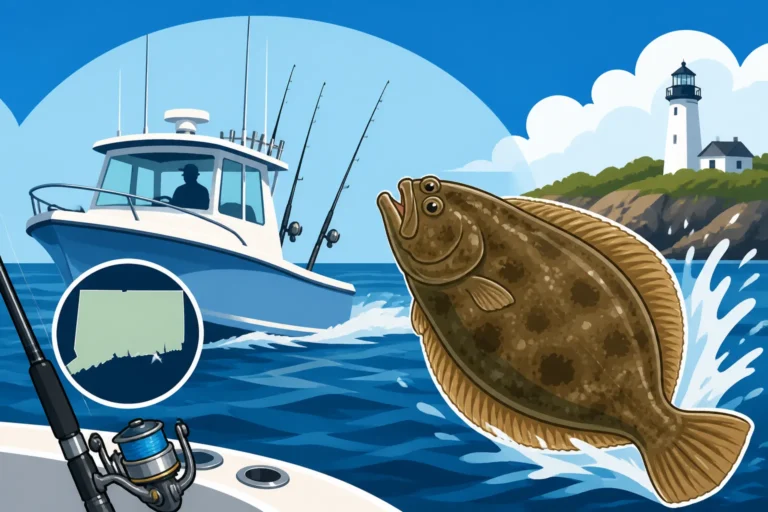
The fish species you'll encounter inshore are typically those that thrive in shallower, nutrient-rich environments. In Connecticut, this often includes schoolie striped bass, bluefish, tautog (blackfish) around rocky structures, fluke (summer flounder) in sandy or muddy bottoms, and various panfish. These species are often highly migratory within the Sound or estuary systems, following baitfish and seasonal patterns. Understanding these local movements is precisely where a good inshore guide shines, knowing exactly where to find the action on any given day.
The Role and Approach of an Inshore Guide
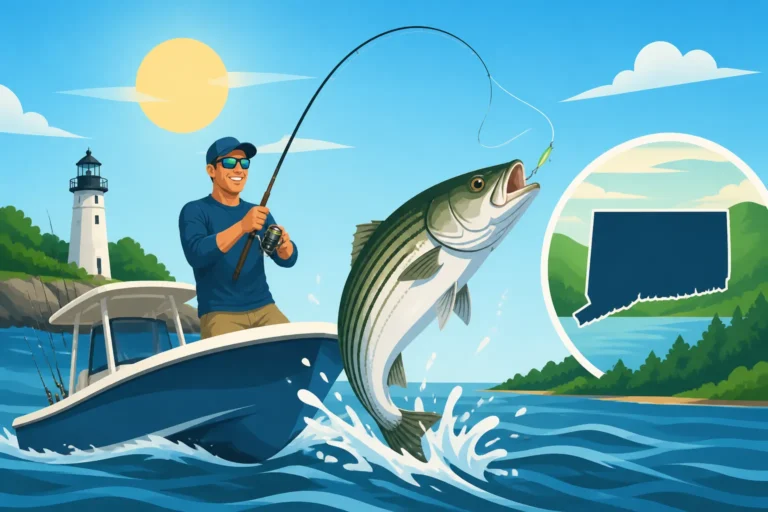
An inshore guide is often a local expert with an encyclopedic knowledge of their specific fishing grounds. They usually operate smaller, more agile boats – think center consoles or bay boats ranging from 18 to 25 feet. These vessels are perfectly suited for navigating shallow channels, sneaking into tight coves, and getting you right on top of the fish in areas larger boats simply can't reach. The focus is almost always on light tackle fishing, using spinning rods or even fly rods, which makes the fight with a smaller striped bass or bluefish incredibly exciting. You can learn more about specific techniques in our guide to How to Catch Striped Bass in Long Island Sound.
The experience with an inshore guide tends to be very personalized. You might spend the day casting artificial lures at visible structure, jigging over a specific patch of bottom, or drifting live bait along a current seam. Because the waters are calmer and the runs to fishing spots shorter, there's more actual fishing time. Guides often provide all the necessary gear, bait, and local insight, teaching you techniques and helping you understand the subtle nuances of the inshore environment. It's an excellent option for those who enjoy a hands-on approach and want to learn how to read the water themselves.
Pros and Cons of Inshore Guided Trips
There's a lot to love about an inshore guided trip. For starters, it's generally more accessible and often more affordable than an offshore charter. The shorter travel distances and smaller boats typically translate to lower fuel costs and maintenance, which can pass savings on to you. Secondly, seasickness is far less common on inshore trips due to the calmer waters. This makes it a fantastic choice for families with children or anyone prone to motion sickness. You're also likely to see a greater variety of shoreline scenery, wildlife, and have more constant action with numerous fish, even if they aren't always "trophy" size. If you're looking for a good time with plenty of bites and less travel, an inshore guide might be your ideal match. You can explore Best Shore Fishing Spots in Connecticut for more localized experiences.
However, inshore trips do have their limitations. If your dream is to battle a massive tuna or hook into a shark, inshore waters simply won't deliver those opportunities. The fish species are generally smaller, and while you can certainly catch respectable striped bass or large fluke, they typically won't compare to the sheer size of the pelagic species found offshore. For hardcore anglers seeking the thrill of deep-sea monsters, inshore fishing might feel a bit too subdued. Also, while the calm waters are a plus for comfort, they can also mean less "adventure" for those seeking a true open-ocean challenge.
Exploring Offshore Fishing Charters in Connecticut
Now, let's cast our lines further out and talk about offshore fishing charters. When you book an offshore trip, you're signing up for a true deep-sea adventure, venturing miles away from the Connecticut coastline into the vast expanses of the Atlantic Ocean and the deeper, more exposed parts of Long Island Sound.
What Defines "Offshore" Fishing?
Offshore fishing in Connecticut begins where inshore fishing ends, often beyond the major navigational buoys and into waters that can be hundreds, or even thousands, of feet deep. We're talking about distances of 20, 30, 50 miles, or even more, from shore. Think about heading towards Block Island, Montauk, or out to the canyon areas. These trips require significant travel time, often several hours each way, to reach productive fishing grounds. The conditions can be dramatically different out here; rough seas, strong winds, and powerful currents are common, providing a challenging environment that demands a robust vessel and an experienced crew.
The target species in offshore environments are the giants of the sea – pelagic fish that roam the open ocean. In Connecticut, this can include species like tuna (bluefin, yellowfin), shark (mako, thresher), mahi-mahi (dorado), swordfish, and sometimes even billfish further south. These are the fish that provide epic, arm-wrenching battles and make for unforgettable stories. The hunt for these species often involves tracking temperature breaks, underwater structure far offshore, and bait concentrations, which can be a complex and highly technical endeavor.
The Role and Approach of an Offshore Charter
Offshore charters are typically run by seasoned captains who command larger, heavier-duty boats specifically designed for open ocean travel. These vessels, often sportfishing yachts or large center consoles, range from 30 to 60 feet or more. They are equipped with powerful engines, advanced navigation systems, sophisticated sonar, and extensive safety equipment to handle offshore conditions. The crew often includes a mate or two who are integral to the operation, helping with rigging, baiting, gaffing, and providing all-around assistance during the trip.
The fishing techniques are often scaled up to match the size and power of the target species. Trolling with multiple lines out, deep dropping with electric reels, chumming for sharks, and sight-casting to breaking fish are common methods. These trips are less about constant action with smaller fish and more about the pursuit of a few, often much larger, trophy-sized catches. The captain's knowledge extends beyond local spots to broader oceanic patterns, weather systems, and the migratory habits of big game fish. You can also explore Best Striped Bass Charters on Long Island Sound for some exciting experiences.
Pros and Cons of Offshore Chartered Trips
The allure of offshore charters is undeniable for many anglers. The chance to catch a true trophy fish – a tuna that could feed a small army, or a powerful shark – is a huge draw. The feeling of being miles out at sea, with nothing but the ocean stretching to the horizon, offers a sense of adventure and wildness that inshore fishing can't quite replicate. Larger boats often come with more amenities like cabins, heads (restrooms), and comfortable seating, which can be a welcome relief on long journeys. For those who dream of big game fishing, an offshore charter is the only way to go. Consider reading What to Expect on a Connecticut Fishing Charter to prepare for your trip.
However, offshore charters come with their own set of challenges. The cost is significantly higher due to the larger boat, more fuel, and specialized equipment and crew. Trips are much longer, often full-day or even multi-day excursions. Seasickness can be a real concern, as the open ocean can get rough very quickly, leading to an uncomfortable experience for some. The fishing can also be less consistent; you might spend hours without a bite, only to have a flurry of intense action. It requires patience and a willingness to brave the elements for the potential reward of a lifetime catch.
Key Differences: A Side-by-Side Comparison
To really nail down the distinctions, let's look at the core differences between hiring an inshore guide and booking an offshore charter. These aren't just subtle nuances; they fundamentally alter the entire fishing experience.
Vessel Size, Equipment, and Crew
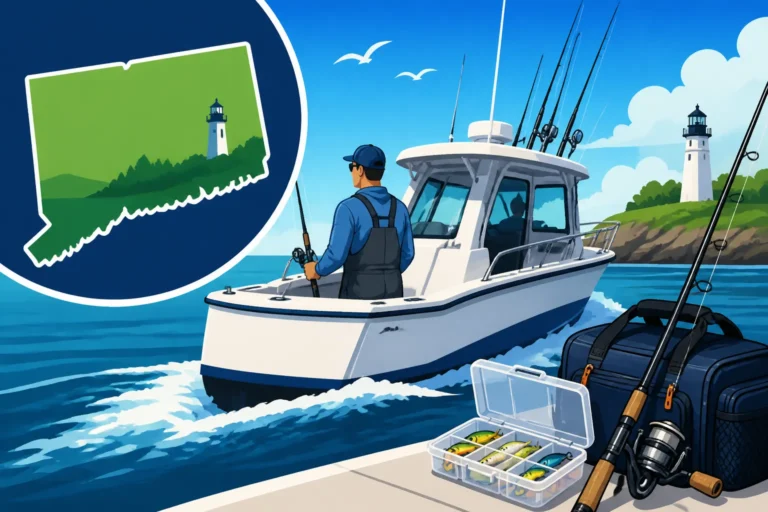
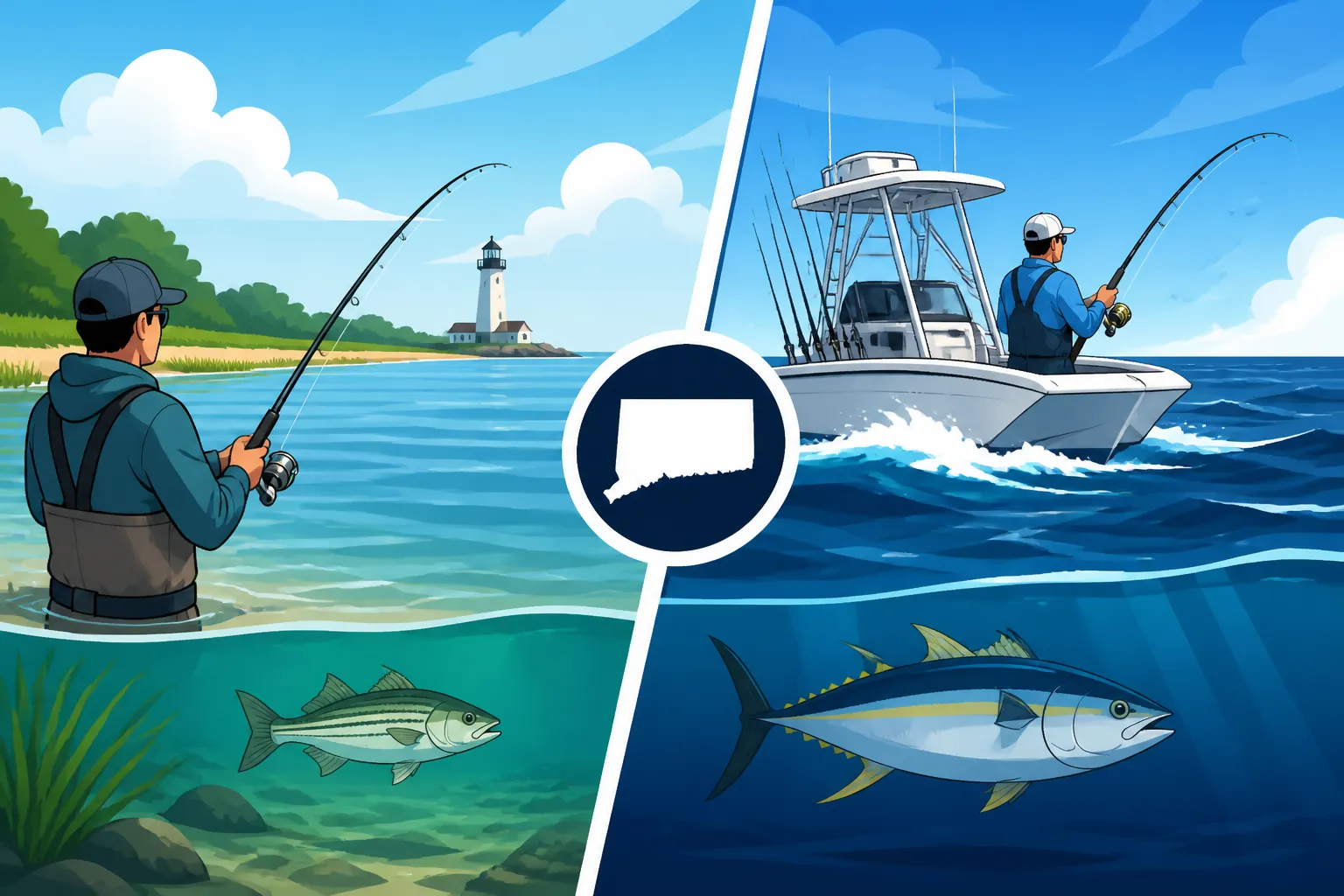
This is perhaps the most visually striking difference. An inshore guide typically runs a smaller, faster boat, usually a center console or bay boat in the 18-25 foot range. These boats are designed for maneuverability in shallow water, and they're quick to get on plane for short runs. Their equipment focuses on light-to-medium tackle, suitable for species like striped bass, bluefish, and fluke. A single guide usually operates the boat and assists anglers, providing a very hands-on, instructional atmosphere.
Offshore charters, by contrast, utilize much larger, heavier, and more powerful vessels, often 30-60+ foot sportfishers or large cabin cruisers. These boats are built to handle rough seas and long runs comfortably. They come loaded with heavy-duty trolling gear, deep-dropping setups, outriggers, livewells for copious bait, and advanced electronics like radar and multiple fish finders. The crew usually consists of a captain and at least one mate, sometimes more, who work together to manage the boat, rig baits, deploy lines, gaff fish, and ensure a smooth operation.
Target Species and Fishing Techniques
The choice between inshore and offshore heavily dictates what's likely to end up on the end of your line. Inshore, you'll be primarily targeting species that live in coastal estuaries, bays, and nearshore reefs. This means the bread and butter of Connecticut fishing: striped bass, bluefish, fluke, scup, blackfish, and perhaps some weakfish. Techniques are varied and often involve casting lures, jigging, or bottom fishing with bait. It’s a versatile environment where you can try many different approaches in a single trip. If you're keen on trout, a fly fishing guide for Fly Fishing for Trout in Connecticut would also fall under a specialized inshore experience, though typically on rivers.
Offshore fishing is all about big game. Your targets are migratory pelagic species that patrol the open ocean. Think bluefin tuna, yellowfin tuna, mako sharks, thresher sharks, mahi-mahi, and potentially swordfish. The techniques are often geared towards covering large expanses of water (trolling) or targeting deep-water aggregations (deep dropping). There's a certain thrill in the chase for these powerful fish that is unparalleled in inshore waters, a true test of strength and endurance for both angler and tackle.
Cost, Duration, and Group Size
Inshore trips tend to be more budget-friendly. A half-day or full-day trip with an inshore guide might cost less than a full-day offshore trip, primarily due to lower operating expenses. These trips are typically shorter, often lasting 4-6 hours for a half-day and 8 hours for a full-day, which is great for fitting into a busy schedule or for younger anglers. Most inshore guide boats comfortably accommodate 1-4 anglers, making for an intimate and focused experience.
Offshore charters are a bigger investment. The sheer cost of operating a large sportfishing vessel for 10-12+ hours, sometimes even overnight for multi-day trips, means a higher price tag. Trips typically last anywhere from 8-16 hours for a single day, depending on how far out you go, and multi-day trips are also common for serious big game pursuits. While larger, offshore boats can accommodate more anglers, often 4-6 comfortably, and sometimes more, the per-person cost usually remains higher than inshore options. For more details, you can refer to our Connecticut Fishing Charter Cost Guide.
| Feature | Inshore Fishing Guide | Offshore Fishing Charter |
|---|---|---|
| Water Type | Bays, estuaries, rivers, nearshore Long Island Sound | Open ocean, deeper Long Island Sound, canyons, offshore banks |
| Distance from Shore | Within sight of land, 1-10 miles (approx.) | Miles offshore, 20-100+ miles from land |
| Typical Depth | 5-50 feet (approx.) | 50 feet to thousands of feet (canyons) |
| Vessel Size | Smaller (18-25 ft) center consoles, bay boats | Larger (30-60+ ft) sportfishers, cabin cruisers |
| Crew | Typically 1 Captain/Guide | Captain + 1-2 Mates |
| Target Species | Striped Bass, Bluefish, Fluke, Tautog, Scup, Sea Bass | Tuna (Bluefin, Yellowfin), Shark (Mako, Thresher), Mahi-Mahi |
| Techniques | Casting, jigging, bottom fishing, light tackle | Trolling, deep dropping, chumming, heavy tackle |
| Trip Duration | Half-day (4-6 hrs), Full-day (8 hrs) | Full-day (8-16 hrs), Multi-day trips |
| Avg. Group Size | 1-4 anglers | 4-6+ anglers |
| Seasickness Risk | Low to Moderate | Moderate to High |
| Cost | Generally lower | Generally higher |
| Experience Focus | Hands-on, varied action, learning local techniques | Big game hunt, challenge, deep-sea adventure |
Which One Is Right for Your Connecticut Fishing Adventure?
The million-dollar question, right? Deciding between an inshore guide and an offshore charter isn't about one being "better" than the other; it's about finding the perfect match for your angling goals, experience level, and what kind of day you envision on the water.
Considerations for Beginners and Families
If you're new to fishing, or planning a trip with young children or family members who aren't seasoned anglers, an inshore guided trip is almost always the superior choice. The calmer waters greatly reduce the risk of seasickness, which can quickly ruin a day for anyone, especially kids. Shorter travel times mean less waiting and more actual fishing, keeping everyone engaged. The constant action with various species, even if smaller, provides plenty of excitement and helps build confidence. An inshore guide can also offer more personalized instruction, teaching casting techniques, knot tying, and fish handling in a relaxed environment. It’s an ideal way to introduce someone to the joys of fishing without the potential discomfort or intense demands of offshore adventures. For family-friendly options, consider our article on Best Family-Friendly Fishing Charters in Connecticut.
Matching Your Expectations to the Trip
Before you even start looking at boats, sit down and honestly ask yourself: What do I really want out of this fishing trip?
- Do you want to catch a lot of fish, regardless of size? Inshore is likely your best bet for consistent action.
- Are you dreaming of battling a massive tuna or shark? You absolutely need an offshore charter. There's no inshore equivalent for these leviathans.
- Is comfort and avoiding seasickness a top priority? Lean heavily towards inshore.
- Do you crave a true deep-sea adventure, the thrill of the open ocean, and don't mind long travel or potential rough conditions? Offshore is calling your name.
- Are you on a tighter budget? Inshore trips generally offer more bang for your buck.
- Do you want a highly instructional experience where you learn hands-on? Both can provide this, but inshore guides often have more time for it given shorter travel.
- Are you an experienced angler looking for a new challenge? Offshore offers that in spades, but many seasoned anglers also appreciate the technical finesse required for inshore species.
Think about your group as well. A corporate outing might prefer the amenities and larger space of an offshore charter, while a casual friends' trip could be perfect for an inshore guide.
How to Find and Book Your Trip
Once you've decided whether an inshore guide or offshore charter aligns with your vision, the next step is finding the right captain. Start by researching captains who specialize in your chosen type of fishing and the species you want to target. Look for reviews and testimonials, and don't hesitate to call potential captains to discuss your expectations and ask questions about their experience, the boat, and what's included. A great resource for this, allowing you to filter by location, trip type (inshore, offshore, nearshore), and even target species, is a booking platform like FishingBooker. It can help you compare different operations, see what types of boats they run, and read reviews from other anglers, giving you a good overview of options.
When browsing, be sure to confirm what's included in the price – gear, bait, tackle, fish cleaning, and if a fishing license is covered (though usually you'll need your own, so check Connecticut Fishing License Age Requirements). Also, inquire about their cancellation policy, especially for offshore trips where weather can be a major factor. For example, some captains listed on platforms like FishingBooker have flexible rebooking options if the weather turns sour. Make sure your chosen captain is properly licensed and insured, which is a given for reputable operations found on a platform like FishingBooker, but always good to verify. A little homework upfront ensures you have the fantastic Connecticut fishing experience you're truly looking for! You can also find useful information on How to Choose a Connecticut Fishing Charter.
Disclaimer
This article is for general informational purposes only and does not constitute professional advice. Laws, prices and regulations vary by location and change over time. Consult a qualified professional for guidance on your specific situation.