What weakfish are and where they live in Long Island Sound
Have you ever been out on Long Island Sound, reeling in what you thought was a striped bass, only to pull up a shimmering, silver-gold fish with a strikingly soft mouth, leaving you wondering, "What is that?" You're not alone! Many anglers in Connecticut have encountered the beautiful and often elusive weakfish, a unique species that adds an exciting challenge to our local fishing scene. This guide is here to unravel the mystery, diving deep into what weakfish are, where they typically live in our abundant Long Island Sound, and why they're such a cherished, albeit sometimes fragile, part of the Connecticut fishing experience.
The Enigmatic Weakfish: A Closer Look at Cynoscion regalis
Let's be honest, the name "weakfish" doesn't exactly conjure images of a mighty game fish, does it? But don't let the moniker fool you. While they do have a delicate mouth that can make landing them a challenge, these fish are absolute beauties, known for their iridescent flanks and delicious taste. Understanding their characteristics is the first step to appreciating this fascinating species.
What Exactly Makes a Weakfish a Weakfish?
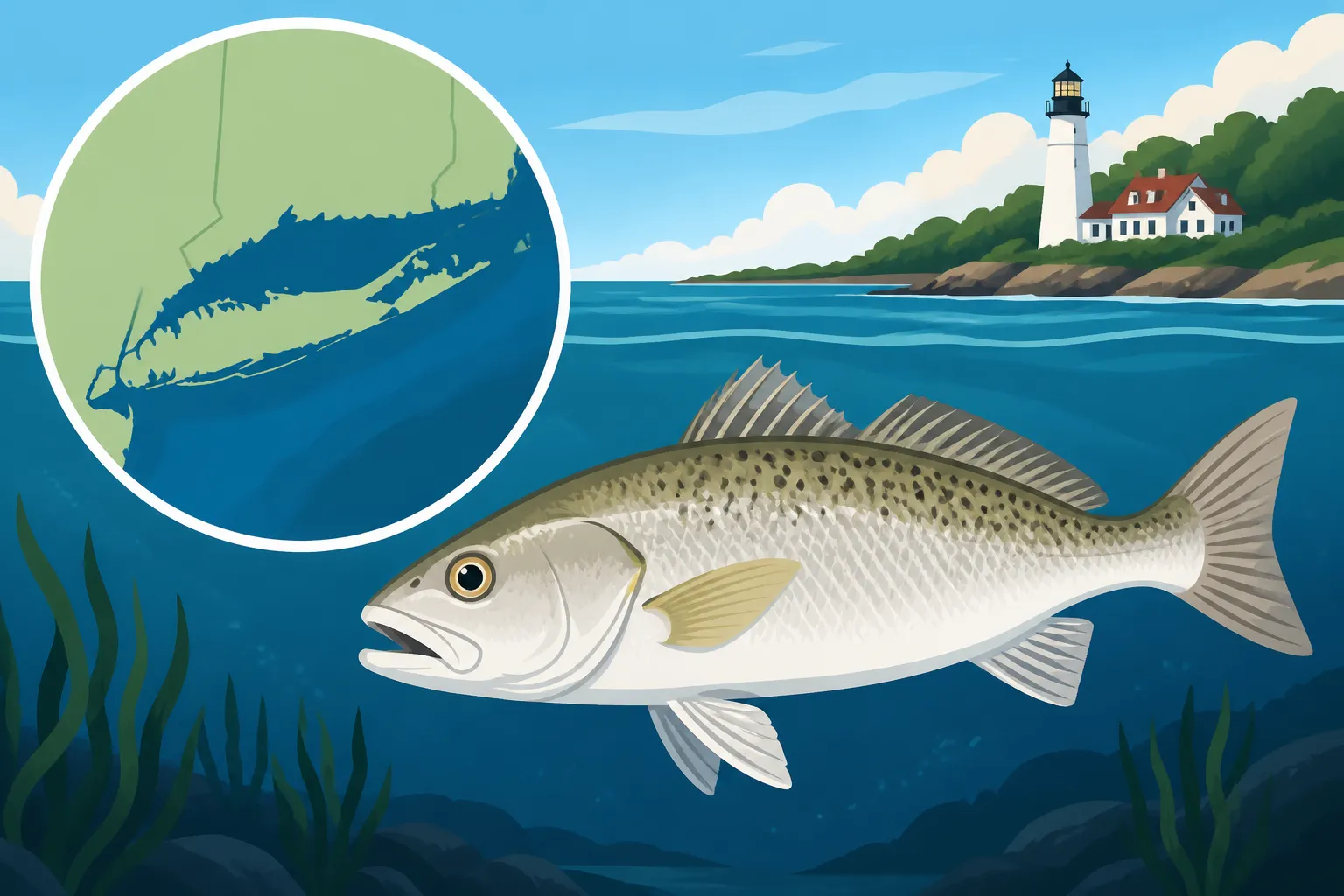
Weakfish, scientifically known as Cynoscion regalis, belong to the drum family, just like their cousins the red drum and spotted seatrout. But unlike some of their more robust relatives, weakfish have a sleek, elongated body that's a marvel to behold. Imagine a fish that shimmers with a spectrum of colors – shades of silver, green, gold, and even hints of pink and purple, especially along their backs and fins. Their sides are often speckled with small, dark spots that can form faint wavy lines.
Perhaps their most distinctive feature, beyond the shimmering scales, is their prominent canine teeth in the upper jaw. These aren't just for show; they're perfectly adapted for grabbing and holding onto baitfish, small crustaceans, and squid. When you're fishing for them, those teeth are part of why a good leader is so important, even with their "weak" mouth. They typically range from 1 to 5 pounds, but larger "tiderunner" weakfish, especially in the spring, can easily push into the double digits, making for a truly memorable fight. It's often debated if the "weak" in their name refers to their tender mouth that can tear easily from a hook, or perhaps their relatively fragile fighting style compared to, say, a bluefish, though they certainly put up a respectable battle!
Common Names and Confusions
Over the years, weakfish have accumulated quite a few nicknames, which can sometimes add to the confusion for new anglers. You might hear them called "sea trout" (especially in other regions, which can be confusing in Connecticut where we primarily associate "trout" with freshwater species), "squeteague," "yellowfin trout," or even just "weakies." The "yellowfin" refers to the yellowish tinge often seen on their fins, particularly the caudal (tail) fin.
It's common for inexperienced anglers, or even those just having an "off day," to confuse a weakfish with a small striped bass or even a bluefish, especially when they're young. However, a quick look at their teeth and the lack of distinct, unbroken lateral lines (like you'd see on a striper) will usually clear things up. Bluefish have a much more aggressive, razor-sharp set of teeth, and a much blunter head. Weakfish truly stand apart with their iridescent coloring and those tell-tale canines. They are a unique species that, once you've caught one, you'll instantly recognize in the future.
Where Weakfish Live in Long Island Sound: Habitat and Migration
Understanding where weakfish hang out is key to finding them. Long Island Sound is a dynamic estuary, offering a diverse range of habitats that weakfish utilize throughout their life cycle and seasonal migrations. They are primarily a coastal, inshore species, preferring shallower, warmer waters during certain times of the year, but they will venture into deeper channels and structured areas too.
Preferred Habitats and Structure
Weakfish are often found congregating around areas that offer a combination of shelter, ambush points, and a ready food supply. Think about places where baitfish and crustaceans naturally gather.
- Grassy Flats and Salt Marshes: These are prime weakfish real estate, especially during warmer months. The grass provides cover for both weakfish and their prey, and the shallow, often muddy bottoms are rich in invertebrates. Creek mouths emptying into larger bays within the Sound are particularly hot spots.
- Sandy and Muddy Bottoms: Unlike some fish that are strictly structure-oriented, weakfish also cruise open sandy and muddy bottoms, often near channels or drop-offs, especially when they're foraging for bottom-dwelling organisms.
- Channel Edges and Drop-offs: As the tide moves, weakfish will position themselves along the edges of channels or where the depth dramatically changes, waiting to ambush baitfish being swept by the current. This is a classic "fishing smart" move – finding where the food is naturally funneled.
- Inshore Structure: While not as tightly bound to hard structure as, say, blackfish, weakfish will use reefs, wrecks, rock piles, and even bridge pilings as current breaks and ambush points. These areas often hold dense schools of bait, making them attractive to weakfish. You might find them in the same general areas as Black Sea Bass Fishing in Connecticut or Fluke Fishing in Long Island Sound, as these species often share similar forage and habitat preferences.
Seasonal Movements in Connecticut Waters
Weakfish are migratory, and their presence in Long Island Sound is very much tied to the calendar and water temperature.
- Spring Arrival: As water temperatures in Long Island Sound begin to warm up, typically in late April and May, weakfish start to move into the Sound from their overwintering grounds further south. These early arrivals are often the larger "tiderunner" fish, actively feeding after their long journey and preparing to spawn. This is a fantastic time for targeting them, as they're hungry and aggressive.
- Summer Residency: Throughout the summer months, weakfish disperse throughout the Sound. They'll inhabit the areas mentioned above, cruising tidal rivers, estuaries, and inshore waters. They thrive in the warmer summer temperatures and continue to feed heavily. You'll find them active during both day and night, though night fishing can be particularly effective.
- Fall Departure: As the days shorten and water temperatures begin to drop in late September and October, weakfish start their migration south again. They'll move out of the shallow bays and estuaries and head towards deeper ocean waters to overwinter. Targeting them during this fall run can be excellent, as they feed aggressively to build up fat reserves for their journey.
Understanding these seasonal patterns is crucial for any angler hoping to consistently find weakfish. Knowing the Best Time of Year to Fish in Connecticut means knowing when these species are most likely to be present and active in the Sound.
Why Weakfish are Important and What Their Status Is
Weakfish are more than just a target for anglers; they play a significant role in the Long Island Sound ecosystem and have a storied history in coastal fisheries. However, their populations have seen some dramatic shifts, making their conservation an ongoing concern.
Ecological Role in Long Island Sound
As a mid-level predator, weakfish are vital to the food web of Long Island Sound. They feed on a wide variety of prey, including:
- Small Baitfish: Species like Atlantic menhaden, silversides, and bay anchovies are common items in their diet.
- Crustaceans: Shrimp, crabs, and juvenile lobsters are also on the menu.
- Squid: Especially during certain seasons, squid can be a significant food source.
By consuming these smaller organisms, weakfish help control their populations, and in turn, they become a food source for larger predators. Larger weakfish can be prey for sharks, tuna (further offshore), and even larger striped bass or bluefish. Their presence indicates a healthy and functioning estuarine ecosystem, one that supports a diversity of life.
Historical Perspective and Population Trends
Historically, weakfish were incredibly abundant along the Atlantic coast, including Long Island Sound. They supported significant commercial and recreational fisheries for decades. Anglers would fill coolers with "yellowfins," and commercial nets would bring in tons of them.
However, starting in the late 1980s and continuing through the 1990s and early 2000s, weakfish populations experienced a severe decline. The exact reasons are complex and likely multifactorial, including:
- Overfishing: Past fishing pressure, both recreational and commercial, certainly contributed.
- Habitat Degradation: Loss of critical estuarine and marsh habitats, especially spawning grounds, has had an impact.
- Environmental Factors: Changes in water quality, temperature, and prey availability could also play a role.
- Predation: Increased predation pressure from a recovering striped bass population has also been cited as a potential factor.
The good news is that management efforts, including stricter regulations and conservation measures, have led to some signs of recovery in recent years. Anglers in Connecticut are increasingly encountering Weakfish in Long Island Sound, a welcome sight after years of scarcity. Still, it's a species that fisheries managers watch closely, and responsible angling practices are more important than ever.
Conservation and Regulations
Due to their vulnerable population history, weakfish are subject to strict management and regulations. These rules are put in place to ensure the species can continue to rebound and thrive for future generations. It's absolutely crucial for every angler to be familiar with the current Connecticut Saltwater Fishing Regulations by Species. These regulations typically include:
- Minimum Size Limits: Ensuring fish have a chance to mature and spawn before being harvested.
- Daily Possession Limits: Restricting the number of fish an angler can keep per day.
- Season Dates: While weakfish generally have open seasons through much of their residency in the Sound, it's always wise to double-check.
These regulations can change, so consulting the official Connecticut Department of Energy and Environmental Protection (DEEP) website or the annual Reading the Connecticut Fishing Guide is always the best practice before heading out. Practicing catch and release, especially for larger breeding-size fish, is also a fantastic way to contribute to their recovery.
Targeting Weakfish in Long Island Sound: Tips for Success
Now that we know what weakfish are and where they live, let's talk about how to catch them! They can be a fantastic sportfish, offering a delicate but spirited fight. The key is often a light touch and understanding their preferences.
Baits, Lures, and Techniques That Work
Weakfish aren't overly picky, but they do have their favorites. The approach often depends on whether you're fishing from shore, a kayak, or a boat, and the specific conditions.
Natural Baits
Weakfish are opportunistic feeders, so natural baits that mimic their prey are incredibly effective.
- Squid Strips: Fresh or frozen squid, cut into strips, is a classic weakfish bait. It's tough, stays on the hook well, and weakfish absolutely love it. You can fish it on the bottom with a simple sinker rig or under a float.
- Shrimp: Live or fresh dead shrimp are irresistible. They're a natural food source for weakfish, especially in grassy areas. Just be aware that smaller panfish might find them first.
- Clams: Surf clams or sandworms can also be effective, particularly when fished on sandy or muddy bottoms.
- Small Baitfish: Live or fresh dead silversides, spearing, or peanut bunker, if you can get them, are excellent options. Present them on a small hook with a light leader.
Artificial Lures
Weakfish respond very well to a variety of artificial lures, especially those with some flash and action.
- Soft Plastics: This is arguably the most popular and effective category. Long, slender soft plastic jigs, particularly those imitating baitfish like a "pink worm" or a soft plastic paddletail swimbait, are weakfish magnets. Sizes typically range from 4 to 6 inches. You can fish them on a jig head, slowly bounced along the bottom, or retrieved with a twitch-pause action. Many anglers stock up on a variety of colors and sizes from online retailers like Amazon.
- Jigs: Bucktail jigs in white, chartreuse, or pink, tipped with a strip of squid or a soft plastic trailer, are also highly effective. Vary your retrieve, from a slow hop to a quicker jigging motion, to see what the fish prefer.
- Spoons: Small, flashy spoons, like those used for How to Catch Fluke in Long Island Sound, can work, especially when weakfish are actively chasing bait near the surface or in shallower water.
- Small Plugs/Minnows: During twilight hours or at night, small, slow-sinking or suspending plugs that mimic slender baitfish can entice larger weakfish.
Fishing Techniques
- Drifting: From a boat or kayak, drifting over likely weakfish habitat (grassy flats, channel edges) while bouncing jigs or baits along the bottom is a very effective method. This allows you to cover ground and find active fish. Best Kayak Fishing Spots in Connecticut often offer excellent opportunities for drifting.
- Casting and Retrieving: From shore or boat, casting soft plastics or jigs and retrieving them with varying speeds and actions can trigger strikes. This is especially good when you suspect fish are scattered or actively feeding on moving bait. For Best Shore Fishing Spots in Connecticut, casting lightweight lures can be highly productive.
- Bottom Fishing: A simple bottom rig with a sinker and a single hook, baited with squid or shrimp, is a reliable way to catch weakfish, especially when they're holding tight to structure or deep channels.
- Night Fishing: Weakfish are often very active after dark. They'll move into shallower areas to feed under the cover of darkness. Glow-in-the-dark soft plastics or slow-moving baits can be deadly.
Tackle Recommendations
Because of their delicate mouths, lighter tackle is generally preferred for weakfish. It allows for better presentation, feels subtle bites, and puts less direct pressure on the fish's mouth during the fight.
- Rod: A 7 to 7'6" medium-light to medium action spinning rod is ideal. This gives you enough backbone to cast lures but enough tip sensitivity to detect light bites and absorb headshakes.
- Reel: A 2500 to 3000 size spinning reel, spooled with 10-20 lb braided line, is a great choice. Braided line offers excellent sensitivity and casting distance.
- Leader: A fluorocarbon leader of 15-20 lb test is recommended. It's nearly invisible underwater and offers good abrasion resistance, which is important with those weakfish canines. The length of the leader can vary, but 2-4 feet is a good starting point.
- Hooks: Use sharp, appropriate-sized hooks (often 1/0 to 3/0) that match your bait or lure. Consider using circle hooks with natural baits, as they significantly reduce gut-hooking, improving catch-and-release survival.
It's a good idea to bring a variety of tackle, and many of the rods, reels, and lines suitable for How to Catch Striped Bass in Long Island Sound (especially lighter setups for schoolies) or Best Lures for Striped Bass in Long Island Sound will cross over nicely for weakfish.
Best Times to Fish
Weakfish can be caught throughout the day, but certain times often prove more productive:
- Dawn and Dusk: These low-light periods are prime feeding times for many predatory fish, including weakfish. They often move into shallower areas to hunt during these hours.
- Night: As mentioned, night fishing for weakfish can be incredibly effective, especially in calm, clear conditions.
- Tide: Weakfish often prefer moving water, so fishing around the incoming or outgoing tides, especially where currents are funneled, can be very productive. Slack tide can be slower, but sometimes a sudden bite can occur as the current just starts to pick up.
Weakfish Identification and Handling for Responsible Angling
Correctly identifying weakfish and handling them carefully once caught is crucial for their well-being and the sustainability of the fishery.
Quick Identification Guide
While we've covered their characteristics, here’s a quick checklist to help you distinguish a weakfish from other species you might encounter in Long Island Sound:
| Feature | Weakfish (Cynoscion regalis) | Striped Bass (Morone saxatilis) | Bluefish (Pomatomus saltatrix) |
|---|---|---|---|
| Body Shape | Sleek, elongated, laterally compressed | Robust, elongated, more rounded | Torpedo-shaped, powerful |
| Coloration | Shimmering silver, green-gold, iridescent, often with small spots forming faint wavy lines. Yellowish fins. | Silver-white belly, olive green/dark gray back, 7-8 prominent dark horizontal stripes. | Blue-green back, silver belly, no stripes or spots. |
| Teeth | Prominent canine teeth in upper jaw; smaller teeth below. | Small, sandpaper-like teeth. | Very sharp, razor-like teeth, capable of cutting. |
| Mouth | Delicate, relatively soft (hence "weakfish") | Firm, robust | Large, strong, powerful jaws |
| Lateral Line | Faint, sometimes discontinuous spots or wavy lines | 7-8 distinct, unbroken dark lateral lines | Continuous, not particularly prominent. |
| Tail Fin | Slightly forked or truncated, often yellowish | Moderately forked | Deeply forked |
If you're ever in doubt, it's best to take a quick photo and safely release the fish. You can always check with a local tackle shop or the DEEP for clarification.
Careful Handling for Release
Because of their "weak" mouths, proper handling of weakfish, especially if you intend to release them, is paramount to their survival.
- Use Circle Hooks: When bait fishing, circle hooks are a game-changer. They greatly reduce the chance of gut-hooking, leading to more lip-hooked fish that are easier to release unharmed.
- Minimize Handling Time: Get the fish unhooked and back into the water as quickly as possible. Avoid keeping them out of the water longer than necessary for a quick photo.
- Support Their Body: If you must lift the fish, support its entire body horizontally, especially larger fish. Avoid holding them vertically by the jaw or tail, which can cause internal damage. A landing net can be very helpful for bringing them aboard and keeping them wet.
- Wet Hands: Always wet your hands before touching the fish to protect its delicate slime coat, which is crucial for its health and disease resistance.
- Careful Hook Removal: Use pliers or a de-hooking tool to gently remove the hook. If the hook is deeply set, consider cutting the line as close to the hook as possible; hooks often corrode and fall out.
By being mindful of their biology and practicing responsible angling, we can all contribute to the continued recovery and enjoyment of weakfish in Long Island Sound. So next time you're out on the water, keep an eye out for that iridescent flash – you might just have a beautiful weakfish on the line!
Disclaimer
This article is for general informational purposes only and does not constitute professional advice. Laws, prices and regulations vary by location and change over time. Consult a qualified professional for guidance on your specific situation.