Brook Trout: Connecticut’s Native Trout
It’s easy to get caught up in the excitement of a new fishing season, perhaps dreaming of casting for big brown trout in the Farmington River or chasing rainbows after a fresh stocking. But sometimes, we overlook a true treasure that has called Connecticut home for millennia: the brook trout. These stunning, often elusive fish are more than just a beautiful catch; they are a living piece of our state's natural history, and understanding their unique place here is crucial for anyone who appreciates the quieter, wilder side of our waters. This guide aims to take you deep into the world of Connecticut's native brook trout, from their ancient lineage to how we can best protect and respectfully pursue them.
What Makes Brook Trout Connecticut's True Native?
When we talk about "native" fish, it's not just a fancy term; it speaks to a species that has evolved in a specific ecosystem over geological timescales, perfectly adapted to its environment. For Connecticut, the brook trout holds this esteemed title. Unlike the popular rainbow and brown trout, which were introduced from other regions, brook trout have been here since the glaciers receded, long before any European settlers ever cast a line.
Tracing Their Ancestry in the Nutmeg State
Imagine a time when Connecticut was wilder, the forests untouched, and countless pristine streams flowed cold and clear year-round. This was the original domain of the brook trout. Their ancestors navigated these waterways, establishing populations that have persisted through countless generations. These fish are a testament to the resilience of nature and a living link to Connecticut’s past, embodying the pristine conditions that once defined much of our landscape. They are a true biological indicator of stream health, thriving only where water quality is exceptional.
Their presence signifies an unbroken chain of life, adapting to natural changes, floods, droughts, and the slow creep of environmental shifts. It's a heritage that demands respect and understanding, pushing us to consider the long-term impacts of our actions on these delicate ecosystems. When you see a brook trout, you're looking at a fish whose lineage stretches back thousands of years in that very watershed, a profound thought that elevates the angling experience beyond just the catch itself.
Differentiating True Natives from Stocked Cousins
It can be a bit confusing for new anglers, or even experienced ones, to tell the difference between a wild brook trout, a stocked brook trout, a rainbow trout, and a brown trout. But knowing the distinction is critical, especially when you're fishing in special regulation areas designed to protect wild populations. Trout Species Identification Guide for Connecticut can certainly help with the visual cues, but beyond appearance, it’s about understanding their origin.
Stocked brook trout, while still beautiful, are typically hatchery-raised and released to provide recreational angling opportunities. They often look robust and may show signs of fin wear from hatchery life. Wild brook trout, on the other hand, are born and bred in the stream, exhibiting more vibrant, defined colors, and pristine fins. Their survival depends on natural reproduction, making them far more vulnerable to habitat degradation. When you catch a wild brook trout, you’re connecting with a truly self-sustaining population, a rare and precious find.
The challenge lies in the fact that stocked brook trout can sometimes interbreed with wild populations, which can dilute the genetic integrity of native fish. This is why conservation efforts often focus on protecting isolated headwater streams where pure wild brook trout populations still thrive, ensuring their unique genetic makeup continues. It’s a delicate balance, and recognizing the difference on the hook is the first step in appreciating what you've found.
Where to Find Wild Brook Trout in Connecticut
Finding wild brook trout in Connecticut isn't like casting into a stocked pond; it requires a bit more adventure, a keen eye, and a willingness to explore. These fish prefer very specific, often challenging, environments. They are the shy inhabitants of the upstream reaches, the unsung heroes of countless small, cold tributaries that feed our larger rivers.
The Unseen Gems: Coldwater Streams and Headwaters
Wild brook trout cling to existence in the smallest, coldest, and often steepest headwater streams that cascade down from Connecticut's hills. These are typically places shaded by dense forest canopies, where the water temperature rarely climbs above 68 degrees Fahrenheit, even in the peak of summer. Think of those tiny trickles you step over on a hike – often, these are the nurseries and havens for our native brookies. They need continuous flow and good oxygen levels, which these smaller, higher-elevation streams provide. What water temperature trout need to survive is a critical factor for their habitat.
These streams are often characterized by a mix of riffles, small pools, and plenty of woody debris (fallen logs, branches) that create shelter and feeding lies. Overhanging vegetation is also key, keeping the water cool and providing insect life. You won't find wild brook trout in the wide, slow-moving sections of major rivers or in most large lakes. They are the guardians of the pristine, hidden corners of our state. Locating these spots usually means consulting topographical maps, exploring state forests and parks, and sometimes just a bit of old-fashioned bushwhacking.
Identifying Prime Brookie Habitat
When you're out exploring, look for specific cues that signal potential brook trout habitat. The most obvious is water temperature; if the water feels noticeably cold even on a hot day, you're on the right track. Crystal clear water is another excellent indicator, as brook trout are highly sensitive to pollution and turbidity. The presence of dense forest cover, especially conifers, is a huge plus because it shades the stream, preventing thermal pollution from direct sunlight.
Substrate also matters. Brook trout thrive in streams with rocky bottoms, gravel patches for spawning, and plenty of cobble and boulders that create oxygen-rich pockets and hiding spots. Avoid streams with heavy siltation or those that flow through heavily developed areas, as these conditions are generally detrimental to native populations. If you find a stream that fits this description, especially one with a good gradient and plenty of small plunge pools, you've likely stumbled upon a wild brook trout haven. It's often in these unassuming, wilder stretches that you’ll find the most vibrant, naturally reproducing fish, a testament to Brook Trout Native Range in Connecticut.
Key Characteristics of Connecticut Brook Trout
There’s something undeniably special about the appearance of a brook trout, especially a wild one. They possess a beauty that speaks of wild places and clean water, setting them apart from other trout species. Understanding these characteristics not only helps with identification but deepens your appreciation for this unique fish.
The Art of Spotting a Brookie
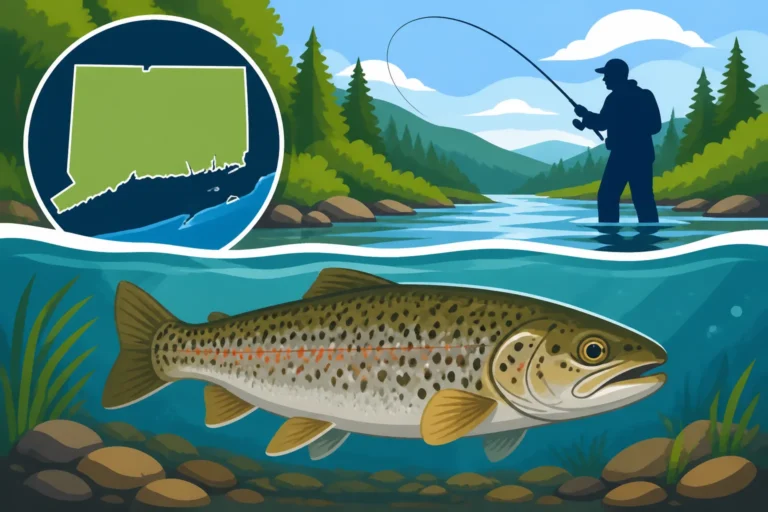
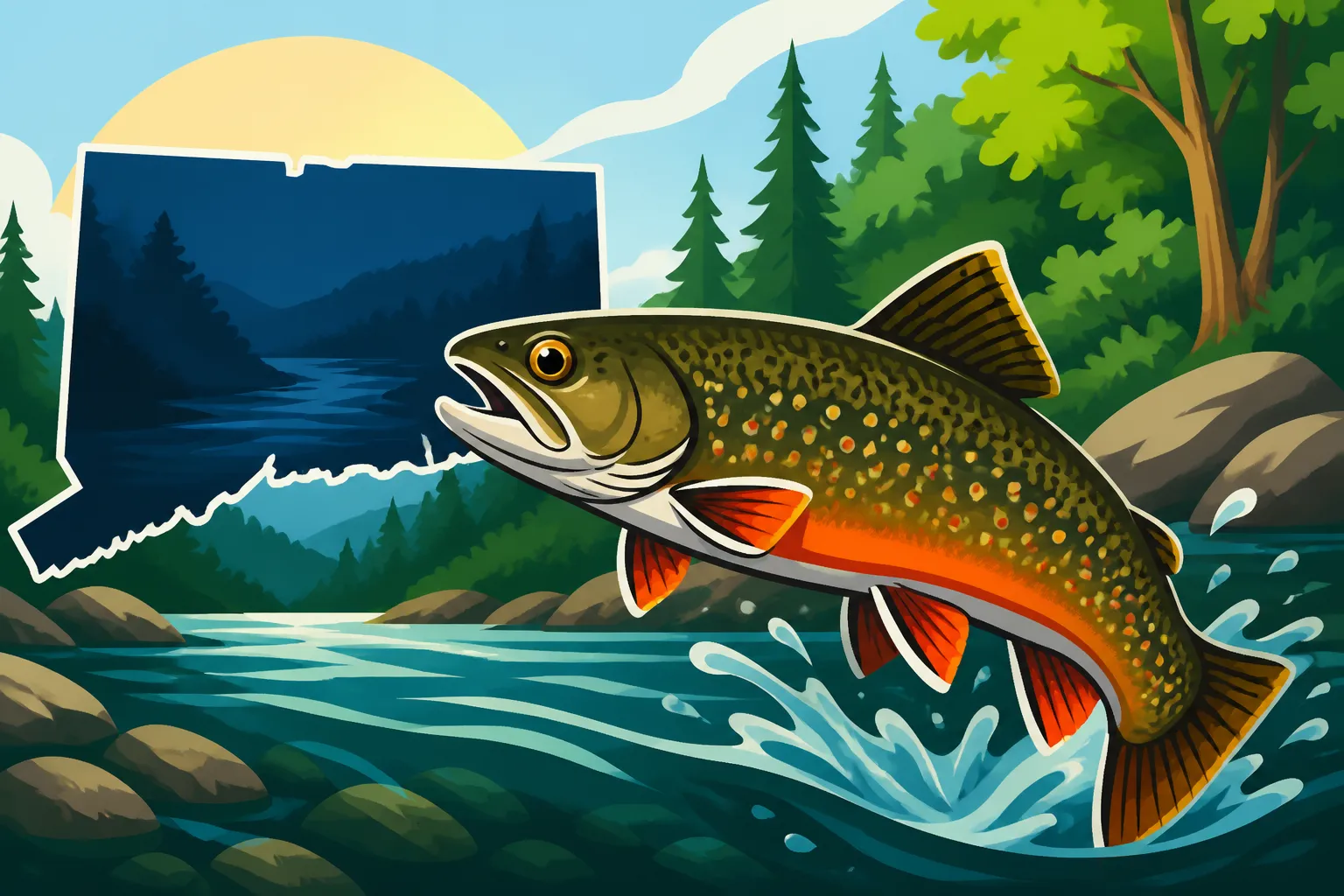
Connecticut brook trout are truly a sight to behold. Their most distinguishing feature is the worm-like (vermiculation) pattern on their backs, often a beautiful mosaic of olive green, brown, and black. Their sides are usually olive to dark green, dotted with vibrant red spots, often surrounded by halos of blue or purple. The lower fins – pelvic, anal, and caudal (tail) – are perhaps their most striking feature, sporting a bright white leading edge, followed by a black stripe, and then a reddish or orange hue. This "white-tipped fin" is often the easiest way to confirm you’ve caught a brook trout.
Their overall body shape is sleek and streamlined, perfectly adapted for darting through swift, cold currents and hiding among rocks and undercuts. The intensity of their colors can vary depending on their specific habitat, diet, and spawning phase, but that unmistakable vermiculation and white-tipped fins remain constant. Comparing them to the more uniformly spotted brown trout or the iridescent stripe of a rainbow trout makes their unique beauty even more apparent. It's truly a distinctive fish, and one you won't soon forget once you've seen it in its natural glory.
Life Cycle and Ecological Role
The life cycle of a wild brook trout is intimately tied to the health of its stream ecosystem. They typically spawn in the fall, from late September through November, in gravelly stream bottoms where cold, oxygenated water flows through the "redds" (nests) that the females create. The eggs overwinter in the gravel, hatching into "fry" in early spring. These tiny fish then spend their first year growing rapidly, feeding on aquatic insects and other small invertebrates.
Brook trout are opportunistic feeders, consuming a wide variety of prey, from aquatic insect larvae and nymphs to terrestrial insects that fall into the water, and even small fish or crustaceans if available. This diverse diet makes them an integral part of the food web in their native streams, acting as both predator and prey. They play a vital ecological role as an indicator species; their health and presence are a direct reflection of the overall health of the coldwater ecosystem. A decline in brook trout populations often signals broader environmental issues, such as habitat degradation, pollution, or rising water temperatures. Their survival truly underscores the delicate balance of nature.
The Challenges and Triumphs of Brook Trout Conservation
Despite their resilience, Connecticut's brook trout face numerous challenges in our increasingly developed world. Their survival is a constant battle against human impacts, but dedicated conservation efforts offer hope for their future.
Threats to Their Survival: Past and Present
Historically, brook trout populations suffered immensely from deforestation, industrial pollution, and the construction of dams that fragmented their habitats. Early logging practices often stripped stream banks, leading to increased water temperatures and sedimentation. In the 20th century, many streams were impacted by agricultural runoff, road salt, and urban development, further degrading water quality and habitat. These historical wounds are still felt today, having eliminated brook trout from many of their original homes.
Currently, the most significant threats include climate change, which leads to rising water temperatures and more frequent extreme weather events (droughts and intense floods), and continued habitat fragmentation. Urban sprawl encroaches on headwater streams, and impervious surfaces increase runoff, bringing pollutants and thermal shock. Competition from introduced species like brown trout, which are more tolerant of warmer, degraded conditions, also poses a threat to native brookies. Protecting them means addressing these complex and interconnected issues on multiple fronts.
Protecting Connecticut's Precious Native
Thankfully, many dedicated individuals and organizations in Connecticut are working tirelessly to protect and restore wild brook trout populations. Efforts focus on habitat restoration, which includes planting riparian buffers to shade streams, removing old dams to restore fish passage, and stabilizing eroded stream banks. Organizations like Trout Unlimited chapters are often at the forefront, organizing volunteer days to improve habitat.
Monitoring programs track brook trout populations and stream health, providing crucial data for conservation strategies. Additionally, the establishment of Special Regulation Waters in Connecticut and catch-and-release-only sections helps protect existing wild populations from overfishing. Educational initiatives are also key, raising public awareness about the importance of native fish and responsible angling practices. These combined efforts represent a triumph of community and scientific dedication, ensuring that future generations can also experience the magic of catching a wild Connecticut brook trout.
Responsible Angling for Connecticut's Brook Trout
If you're lucky enough to find yourself in a stream holding native brook trout, the way you approach your fishing can make all the difference in their survival and the preservation of the fishery. Responsible angling isn't just a suggestion; it's a moral imperative.
Gear and Techniques for a Successful, Ethical Catch
When targeting brook trout, think light and subtle. These are often small fish in small waters, easily spooked. A lightweight fly rod (2 to 4-weight) or an ultralight spinning rod with light line (2-4 lb test) is ideal. For fly fishing, small dry flies, nymphs, and wet flies that imitate native insects are often effective. Look for gear on platforms like Amazon that offers options for delicate presentations. Fly patterns like an Adams, Elk Hair Caddis, or a small Pheasant Tail nymph are often productive. Fly Fishing for Trout in Connecticut has more on this.
For spinning gear, tiny spinners (like Rooster Tails or Mepps Aglias), micro jigs, or even a simple worm on a small hook can work. Stealth is paramount: approach the stream quietly, stay low, and cast accurately. Avoid heavy boots that might disturb the stream bed unnecessarily. Focus on casting to areas with cover – undercut banks, fallen logs, and plunge pools – where brookies feel safe. Remember, these fish are often in remote areas, so carrying a water filter, a small first-aid kit, and an extra layer of clothing is always a good idea.
Catch and Release Best Practices
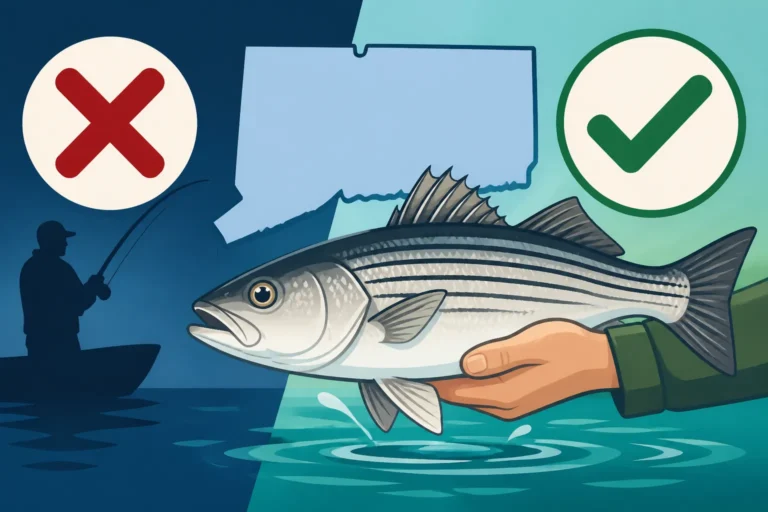
Because wild brook trout populations are so precious and vulnerable, catch and release is highly encouraged, if not outright mandated in certain areas. Here are the golden rules for proper catch and release:
- Minimize Fight Time: Bring the fish in quickly to reduce stress.
- Keep it Wet: Never remove the fish from the water. If you must, do so for the briefest moment possible for a photo, ensuring your hands are wet.
- Use Barbless Hooks: Barbless hooks, or hooks with barbs crimped down, cause less damage and are easier to remove.
- Handle Gently: Support the fish with two wet hands, avoiding squeezing.
- Remove Hook Quickly: Use forceps or pliers to remove the hook as gently and quickly as possible.
- Revive Properly: Hold the fish upright in the water, facing upstream in a gentle current, until it can swim away under its own power. Don't simply toss it back; give it time to recover.
These practices not only ensure the fish's survival but also maintain the health of the entire ecosystem. It's about respecting the fish and the wild places they call home. When you practice good catch and release, you contribute directly to the longevity of these beautiful, native populations.
Understanding Regulations for Native Brook Trout
Navigating fishing regulations can sometimes feel like trying to untangle a bird's nest of fishing line, but for brook trout, it's absolutely essential. The rules are designed to protect these vulnerable fish, and understanding them is part of being a responsible angler.
Navigating Connecticut's Fishing Regulations
Connecticut's Department of Energy and Environmental Protection (DEEP) sets specific regulations to manage brook trout populations. These regulations can vary significantly depending on the water body. For instance, many smaller streams, especially those in state forests and parks known to harbor wild brook trout, may have stricter rules regarding creel limits, size limits, and even tackle restrictions. Some areas might be designated as "Trout Management Areas" or Connecticut Catch and Release Fly Fishing Only Waters, which often apply specifically to native trout, emphasizing their protection.
It’s crucial to always check the most current Connecticut Angler's Guide before heading out. This guide, usually available online or at license vendors, outlines all the specific rules for different bodies of water. Don't assume that a general trout regulation applies to a known brook trout stream; always verify. Penalties for violating these rules can be significant, but more importantly, disregarding them can have a devastating impact on sensitive wild populations. Think of the regulations not as hurdles, but as safeguards for a precious resource.
Special Regulation Waters and Brookie Preservation
Connecticut has several designated areas with special regulations aimed at protecting wild trout, and brook trout often benefit significantly from these. These can include:
- Trout Management Areas (TMAs): While many TMAs are managed for brown and rainbow trout, some sections of streams may have specific rules to enhance wild brook trout survival, such as reduced harvest limits or single-hook artificial lure-only rules. Connecticut Trout Management Area Regulations are key to understanding these nuanced rules.
- Wild Trout Management Areas: These are specifically designated to protect and enhance naturally reproducing wild trout populations, which frequently include brook trout. Rules here are often the most restrictive, focusing on catch-and-release to ensure maximum survival.
- Seasonal Closures: Certain stream sections might have seasonal closures, particularly during spawning periods, to protect trout when they are most vulnerable.
These special regulations are often a testament to successful conservation efforts, providing a buffer against overfishing and allowing wild populations to thrive and reproduce naturally. By understanding and adhering to these specific rules, anglers become active participants in the preservation of Connecticut's native brook trout. It’s a collective effort that helps ensure these beautiful fish continue to grace our hidden headwaters.
The Future of Brook Trout Fishing in Connecticut
The future of brook trout fishing in Connecticut hinges on a delicate balance of conservation, education, and responsible angling. It's not just about what the state agencies do, but what each of us, as anglers and outdoor enthusiasts, contributes.
Citizen Science and Stream Restoration Efforts
One of the most exciting aspects of brook trout conservation is the increasing involvement of citizen scientists. Groups like local Trout Unlimited chapters and watershed associations often organize volunteer days for stream cleanups, riparian planting projects, and even macroinvertebrate sampling, which is a great indicator of water quality. These efforts directly contribute to improving brook trout habitat by reducing erosion, providing shade, and filtering pollutants.
Anglers themselves can contribute by reporting observations of unusual fish behavior, water quality issues, or even confirming the presence of brook trout in undocumented streams. Participating in these community-led initiatives is incredibly rewarding and offers a hands-on way to make a difference. It turns a solitary hobby into a collective effort to safeguard our natural heritage. Imagine spending a Saturday planting trees along a stream, knowing you’re directly helping create cooler, cleaner homes for these native fish – it’s a powerful feeling.
Passing on the Legacy of Native Trout
Perhaps the most important aspect of ensuring the future of brook trout is passing on an appreciation for them to the next generation. Teaching children about the unique history and ecological importance of native fish, rather than just the act of catching, instills a deeper sense of stewardship. Taking a child to a remote brook trout stream, teaching them how to identify these stunning fish, and emphasizing the importance of careful catch and release, creates memories and values that last a lifetime. Connecticut Youth Fishing Passport, Explained is a great resource for introducing young anglers to these concepts.
By sharing the knowledge of their habitats, their vulnerabilities, and the joy of finding them in the wild, we cultivate a new generation of conservationists. Whether it's through buying educational books about stream ecology from Amazon or simply spending time together exploring our state's wild places, every effort to educate and inspire matters. The legacy of Connecticut's native brook trout depends on all of us embracing our role as custodians of these precious ecosystems, ensuring their vibrant presence for countless years to come.
Disclaimer
This article is for general informational purposes only and does not constitute professional advice. Laws, prices and regulations vary by location and change over time. Consult a qualified professional for guidance on your specific situation.