Connecticut state record striped bass weight
There's nothing quite like the thrill of a massive fish pulling line off your reel, making your heart pound and your arms ache. For many Connecticut anglers, that dream fish is the elusive, powerful striped bass. We've all heard the whispers of monster stripers caught in Long Island Sound, but what's the actual, official benchmark for a true Connecticut leviathan? This guide dives deep into the legendary weight of the state record striped bass, what it takes to even get close, and how one might, just might, etch their name into the angling history books.
The Connecticut State Record Striped Bass: The Legend of a Lifetime Catch
Every angler dreams of landing "the big one," and in Connecticut, the striped bass holds a special place in the hearts of those who chase trophy fish. The sheer power, the fight, and the impressive size these fish can attain make them a prime target. But what exactly is the weight that defines the ultimate achievement in Connecticut striped bass fishing? It's a question that sparks conversations around campfires, on charter boats, and at tackle shops across the state.
Unveiling the Record: The Weight That Made History
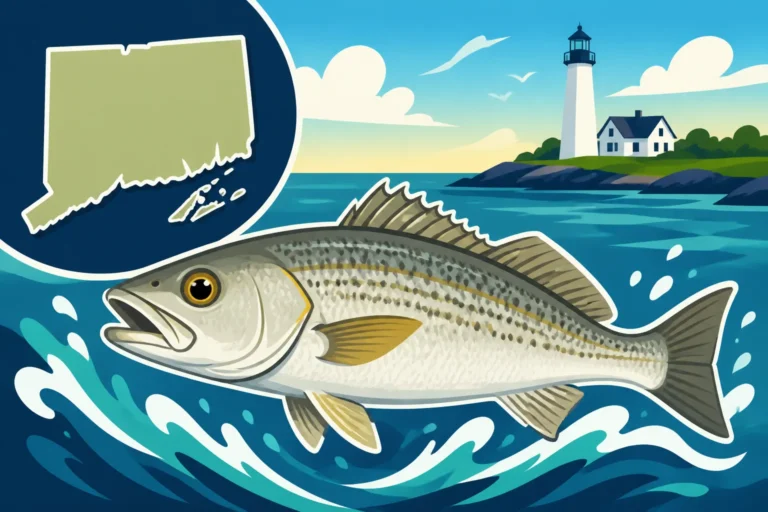
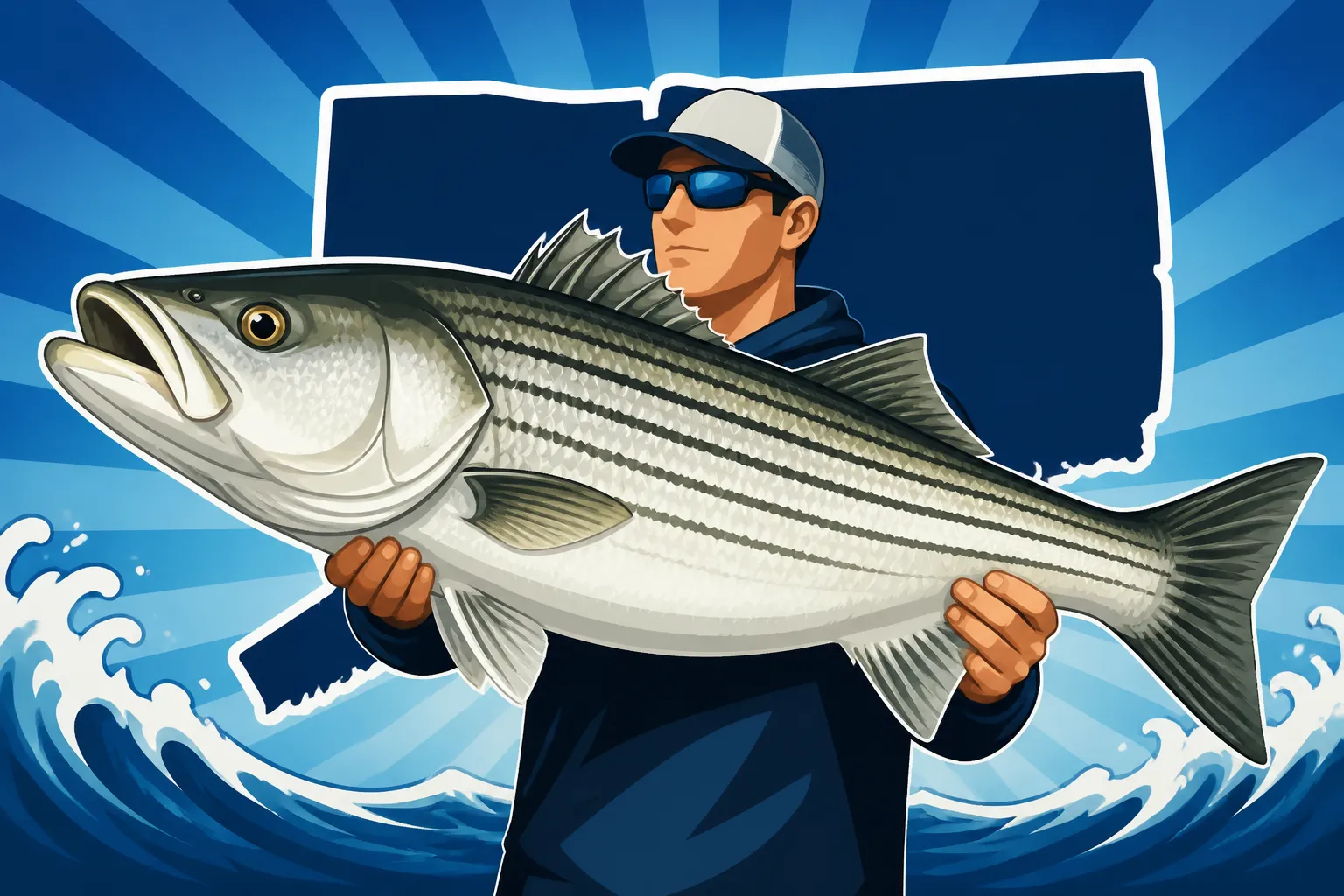
The official Connecticut state record striped bass stands at a truly impressive 81 pounds, 8 ounces. Imagine that beast! It's a weight that represents countless hours of dedication, a deep understanding of these magnificent fish, and a fair bit of luck. This particular fish was caught in the waters of Long Island Sound, which has long been known as a formidable hunting ground for trophy stripers. When you hook into a fish even half that size, you know you're in for a battle, so to think of an 81-pounder is to picture a true sea monster. The record isn't just a number; it's a testament to the potential of Connecticut's waters and the angling skill required to subdue such a powerful creature. It inspires awe and keeps many of us casting, hoping to one day feel that kind of pull on the line.
The Allure of Trophy Stripers in Connecticut
Why do anglers spend so much time and effort chasing these enormous striped bass? It's more than just the pursuit of a record. Trophy stripers represent the pinnacle of sport fishing. They are often older, wiser fish that have survived countless encounters with predators and anglers alike. Landing one requires not only skill but also patience, perseverance, and often, an intimate knowledge of local tides, structure, and bait movements. The feeling of bringing a fish that large boatside, or even just seeing it in the water, is an unforgettable experience. It's a moment of connection with the wild, a testament to the health of our marine ecosystems, and a story that will be told for generations. Many anglers specifically target these giants, not just for the potential record, but for the sheer challenge and the bragging rights that come with it. You'll hear tales about these fish in every tackle shop, stories of the one that got away or the truly epic battle won. For more on these elusive fish, check out our guide on Striped Bass Fishing in Long Island Sound.
Beyond the Record: What Makes a Striped Bass a True Giant
To understand what goes into an 81-pound striped bass, we need to look at the life cycle and habits of these incredible fish. They don't just spring into existence at that size; it takes years, even decades, of growth and survival in the wild. Connecticut's waters, especially Long Island Sound and the lower reaches of its major rivers, provide an ideal environment for stripers to thrive and reach these monumental sizes.
Factors Contributing to Immense Striper Size
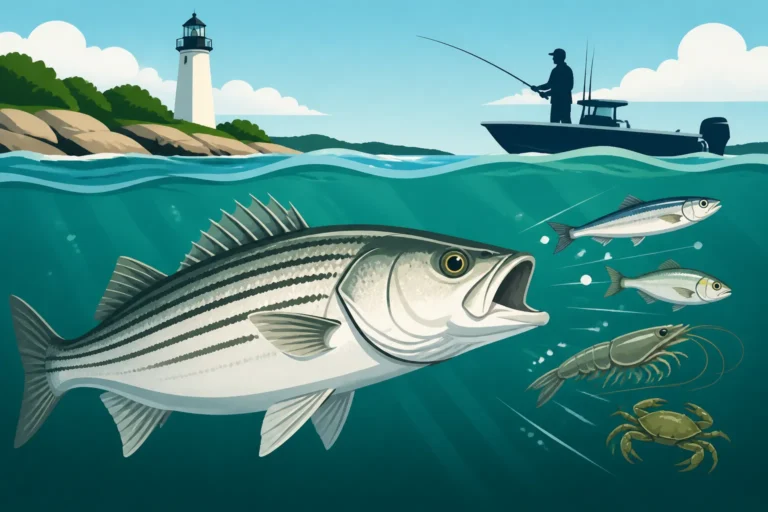
Several key factors contribute to a striped bass reaching such immense proportions. First and foremost is age. Record-setting stripers are typically very old fish, having spent many years growing and feeding. Secondly, an abundant food supply is crucial. Long Island Sound is a rich ecosystem, teeming with various baitfish like Atlantic menhaden, herring, and mackerel, providing the necessary calories for exponential growth. These larger fish are apex predators, consuming a significant amount of forage to sustain their massive bodies.
Another factor is genetics; just like in any species, some individual fish simply have the genetic predisposition to grow larger and live longer. Habitat also plays a vital role. Deep pockets, rocky structure, and strong current areas offer both feeding opportunities and protection from predators and environmental stressors. Understanding these elements is key for any angler hoping to connect with a trophy fish. Learning about What striped bass eat in Long Island Sound can give you an edge in targeting these larger individuals.
Understanding Striped Bass Growth and Longevity
Striped bass are relatively long-lived fish, with some individuals reaching well over 20 years old. Their growth rate can be quite impressive, especially in their early years, but it slows down as they mature. A 30-pound striper is already an old fish, likely well over a decade in age, so an 80-pounder is a true veteran of the sea. These older, larger fish are often female, as females tend to grow larger and live longer than males. They are also vital for the spawning population, producing millions of eggs each year.
The journey of a striped bass from a tiny larva to an 81-pound giant involves navigating migratory paths, surviving harsh winters, and evading countless dangers. Their migratory patterns often bring larger fish into and through Connecticut waters, especially during the spring and fall runs. Understanding their Striped Bass Migration Along the Connecticut Coast can help anglers predict when and where these giants might appear, increasing the odds of encountering one. This long lifespan and sustained growth are what make the pursuit of a record striper such an enduring quest.
Chasing Giants: How Anglers Pursue Record-Breaking Stripers in Connecticut
Catching an 81-pound striped bass isn't something that happens by accident for most anglers. While there's always an element of luck, those who consistently catch truly massive stripers employ specific strategies, target particular areas, and arm themselves with the right knowledge and gear. It's a dedicated pursuit that goes beyond casual fishing.
Prime Locations and Seasons for Trophy Stripers
For the aspiring record-breaker, focusing on specific locations and seasons is paramount. Long Island Sound is, without a doubt, the prime battleground. Areas with strong currents, deep channels, and abundant baitfish concentrations are hotbeds for large stripers. River mouths, particularly the Connecticut River, during their seasonal runs, can also hold immense fish. Spots with prominent underwater structure, like reefs, wrecks, and rock piles, serve as ambush points for these powerful predators.
Timing is everything. The spring and fall migrations are often considered the best times to encounter truly trophy-sized fish, as they move along the coast, feeding heavily. During the summer, some of the largest stripers will retreat to deeper, cooler waters, often found offshore or in the deepest parts of the Sound, but they can still be caught by anglers willing to put in the effort. For a deeper dive into timing, you might want to read Best Time of Year to Fish in Connecticut. Understanding these seasonal movements and where the largest fish are likely to be staging is a fundamental step in the hunt for a record.
Gear and Techniques for Targeting Massive Striped Bass
Targeting an 80-pound striped bass requires specialized gear that can withstand immense pressure. Forget your lightweight freshwater setup; this is heavy-duty angling. Anglers typically use stout conventional or spinning rods paired with reels capable of holding hundreds of yards of heavy braided line, often with a fluorocarbon leader. Terminal tackle includes robust hooks and swivels designed not to fail under the strain of a prolonged fight. Lures and baits are often large, mimicking the substantial prey that trophy stripers feed on. Think large swimming plugs, big soft plastics, or live bait like adult bunker (menhaden) or eels. Many serious trophy hunters opt for Best Night Fishing Charters for Striped Bass as large stripers are often more active under the cover of darkness.
Here's a look at some essential gear for trophy striper hunting:
| Gear Category | Recommended Features | Why It Matters |
|---|---|---|
| Rod | Heavy action, 7-10 feet, fast taper | Provides backbone for fighting large fish and casting heavy lures/baits. |
| Reel | High-capacity conventional or large spinning, robust drag | Holds enough line for long runs and provides smooth stopping power. |
| Line | 50-80 lb braided mainline | High strength-to-diameter ratio, no stretch for solid hooksets, sensitive. |
| Leader | 60-100 lb fluorocarbon | Abrasion resistance against teeth/structure, low visibility in water. |
| Hooks | Heavy-duty, large (e.g., 7/0-10/0 circle or J-hooks) | Essential for strong hooksets and preventing straightening under pressure. |
| Lures/Baits | Large plugs (8"+), live bunker/eels, large soft plastics | Mimic big prey, attract aggressive strikes from large fish. |
| Net/Gaff | Large, heavy-duty landing net or long gaff | Securely land the fish without losing it boatside. |
| Scale | Certified, accurate digital scale (for record attempts) | Crucial for official weight verification. |
You can find a wide array of specialized gear, from heavy-duty rods and reels to specific lures and measuring tapes, often available on platforms like Amazon, making it easier to prepare for your trophy hunt. Techniques vary from live-lining large baits, chunking on anchor, to trolling large plugs or umbrella rigs. Many also turn to specialized lures; if you're looking for ideas, check out Best Lures for Striped Bass in Long Island Sound. The key is to be prepared for a fish that could potentially pull you right out of the boat if you're not careful.
Reporting and Verifying a Potential State Record Catch
So, you've done it. You've battled a monster, and it's on board. You suspect it might be the new state record. What now? The process for officially recognizing a state record is quite rigorous, designed to ensure accuracy and prevent false claims. It's not enough to simply weigh it at home; there's a strict protocol that must be followed.
The Strict Process for Official Recognition
If you believe you've caught a potential state record striped bass, the first thing to do, after ensuring the fish is handled properly, is to find a certified scale. This usually means a scale at a reputable marina, tackle shop, or even a supermarket that is officially certified and calibrated. The weighing must be done in the presence of witnesses. It's also critical to keep the fish in the best possible condition, preferably alive, if possible, for verification purposes, though a record striper is often a mortality event due to the fight. You'll need to contact the Connecticut Department of Energy and Environmental Protection (DEEP) Fisheries Division as soon as possible. They will provide the official forms and guide you through the process, which typically includes:
- Immediate Notification: Contacting DEEP quickly.
- Certified Weighing: Weighing the fish on a certified scale, with witnesses.
- Photographic Evidence: Taking clear photos of the fish, the measuring, and the weighing process.
- Species Verification: A DEEP biologist will need to confirm the species.
- Angler Information: Providing detailed information about the catch, including location, date, time, tackle used, and witnesses.
This meticulous process ensures that any new record is legitimate and stands the test of time, just like the current 81-pound, 8-ounce giant. It's a lot of work after an exhausting fight, but it's essential for official recognition.
Ethical Angling and Conservation for Future Records
While the pursuit of a state record is thrilling, it's crucial to remember our responsibility as anglers to practice ethical fishing and conservation. Many trophy anglers choose to release their largest fish, especially during periods like the Connecticut Striped Bass Slot Limit and Season when specific size limits encourage the protection of breeder fish. While a potential state record might necessitate keeping a fish for verification, responsible catch-and-release practices for other large stripers help ensure that these magnificent fish continue to thrive and grow, providing future generations with the opportunity to chase their own giants.
Using circle hooks when fishing with natural bait, minimizing fight time, and handling fish gently if you intend to release them are all vital practices. Learning Striped bass catch and release survival tips is incredibly important for the health of the fishery. Every angler plays a role in sustaining the striped bass population, ensuring that the legacy of trophy fishing in Connecticut continues for years to come.
Disclaimer
This article is for general informational purposes only and does not constitute professional advice. Laws, prices and regulations vary by location and change over time. Consult a qualified professional for guidance on your specific situation.