Connecticut state record rainbow trout weight
The thrill of landing a truly exceptional fish is something every angler chases, and for many in our beautiful state, that pursuit leads to the elusive, magnificent rainbow trout. There's a special kind of excitement that comes with wondering if the fish on your line could be the one that etched its name into the history books. This guide isn't just about the number itself; it's about understanding the journey, the dedication, and the potential that lies in Connecticut's waters for those who dream of catching a record-breaking rainbow.
Unveiling Connecticut's Rainbow Trout Record
Every state has its legends, and in the world of Connecticut fishing, the state record rainbow trout holds a revered spot. It represents the pinnacle of size and the ultimate angling achievement for this particular species. Knowing this benchmark can fuel your own aspirations and give you a tangible goal as you explore our local waters.
The Current State Record Holder
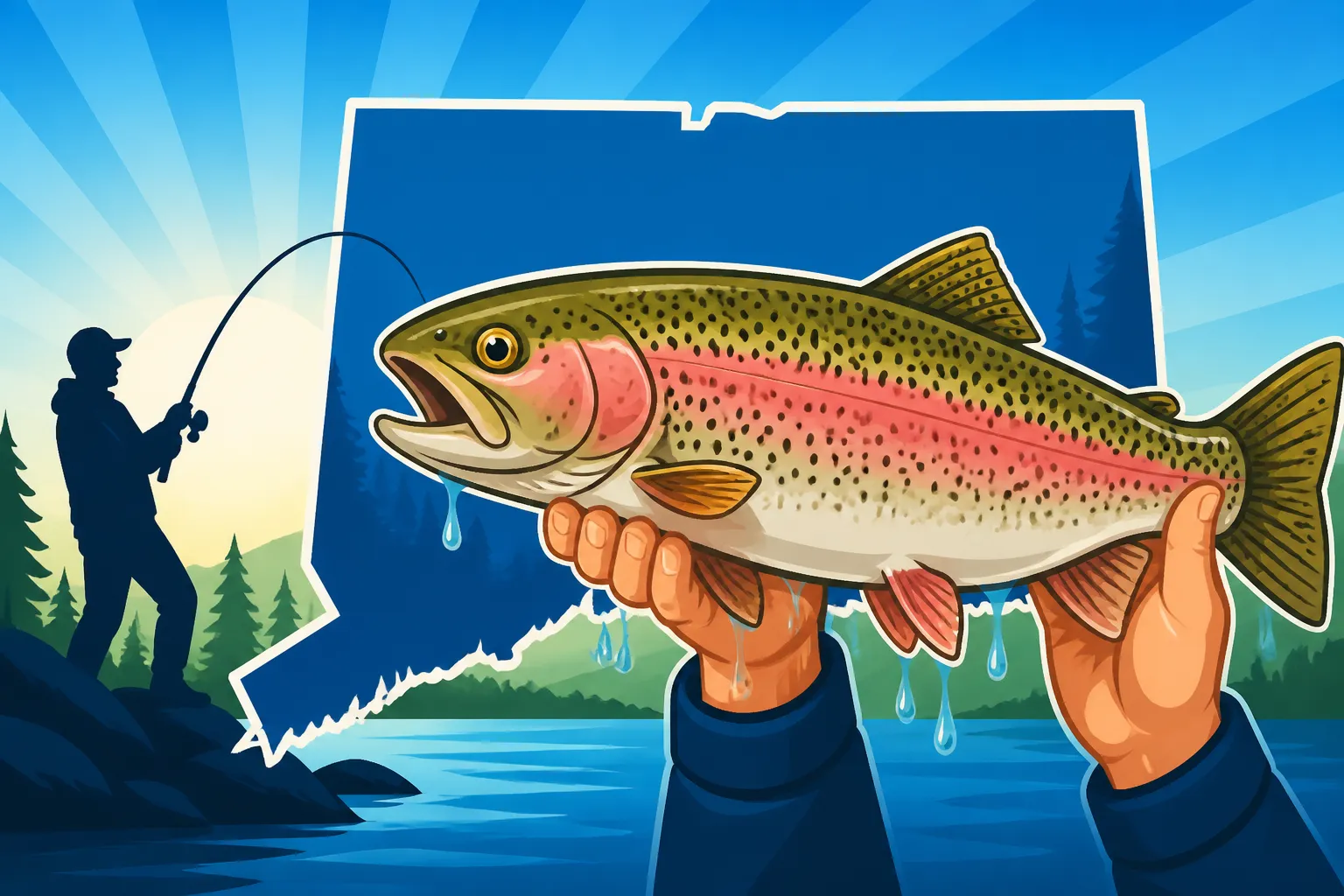
Let's cut right to the chase, because I know that's why many of you are here! The official Connecticut state record rainbow trout stands at a truly impressive 14 pounds, 10 ounces. This colossal fish was caught in Saugatuck Reservoir, a testament to the big fish potential hidden within some of our larger water bodies. Imagine the fight, the sheer power of a trout that size! It's the kind of catch that becomes a lifetime memory, a story told around campfires for years to come. This record isn't just a number; it's a beacon for what's possible when conditions, angler skill, and a little bit of luck align perfectly. It underscores that while many rainbows we encounter are stocked for consistent action, there are true giants lurking for those with the patience to pursue them.
Understanding Rainbow Trout Potential in Connecticut
Rainbow trout are undoubtedly one of Connecticut's most beloved fish species, cherished for their vibrant colors, spirited fights, and adaptability. Our state's Department of Energy and Environmental Protection (DEEP) does an incredible job Rainbow Trout Stocking in Connecticut across countless rivers, streams, and lakes, ensuring there's always a good population for anglers to enjoy. However, a state record isn't usually born from a freshly stocked fingerling. These behemoths often come from environments where they've had years to grow, feeding on abundant forage and thriving in stable, cool waters.
Think about the life of a 14-pound fish. That's a trout that has survived numerous seasons, outsmarted countless anglers, and had access to a consistent, high-quality food source. While many of our stocked fish offer fantastic sport, those that reach record proportions are typically holdovers, or even wild-spawned fish, that have had the perfect combination of genetics and habitat to reach such an impressive size. Understanding this helps shape your approach; you're not just looking for "any" stocked trout, but rather the rare, exceptional individual that has defied the odds and grown to truly magnificent dimensions.
Identifying and Verifying a Potential Record Fish
So, you've hooked into what feels like the fish of a lifetime. Your heart is pounding, your rod is bent, and after a thrilling battle, you've landed a rainbow trout that seems unbelievably huge. Now what? Knowing the steps to properly identify and verify a potential state record is crucial – you don't want to miss your chance because of a technicality!
Rainbow Trout Characteristics for Proper Identification
First things first, let's make sure it's actually a rainbow trout. While this might seem obvious, in the heat of the moment, or for newer anglers, it can be easy to misidentify a fish. Connecticut is home to Trout Species Identification Guide for Connecticut, including brown trout and brook trout, and sometimes even a tiger trout (a sterile hybrid of a brown and brook trout).
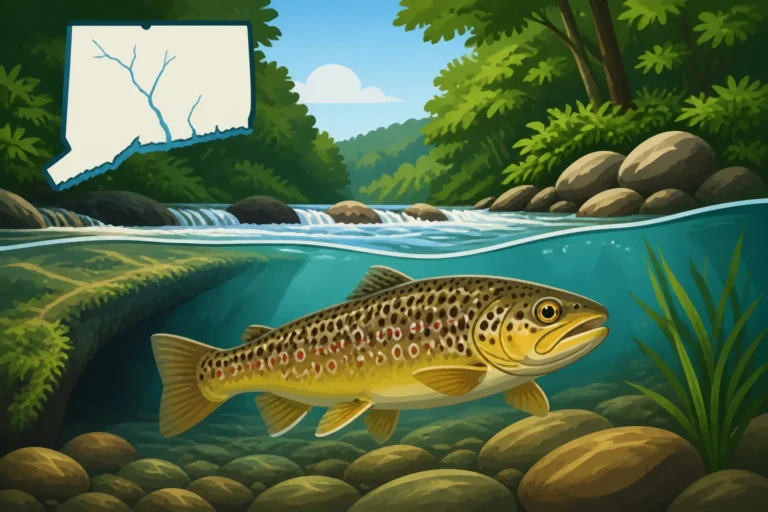
Rainbow trout, as their name suggests, often display a prominent pinkish-red stripe along their lateral line, though this can vary in intensity depending on the fish's diet, habitat, and even spawning phase. Their bodies are typically covered in small black spots, which extend into their dorsal fin, adipose fin, and tail. The tail is usually square or slightly forked. Brown trout, for instance, have fewer spots, often with a halo, and usually a more yellowish-brown hue with reddish spots. Brook trout, our native char, have distinctive worm-like markings (vermiculations) on their backs and dorsal fins, and leading white edges on their lower fins. If you think you have a record, take clear photos from multiple angles, especially of the head, body, and fins, to help with identification.
The Official Record Application Process in Connecticut
So, you're confident you've got a true rainbow trout, and it feels absolutely massive. The next step is the official process. The Connecticut DEEP maintains specific guidelines for submitting potential state records. This isn't just a casual weigh-in; it requires careful documentation and adherence to their rules.
Here's a general overview of what you'll typically need to do:
- Official Weighing: This is paramount. The fish must be weighed on a state-certified scale by a licensed merchant or an official DEEP agent. You can't just use your personal fishing scale, no matter how accurate you think it is. These official scales are regularly calibrated, ensuring precision and impartiality.
- Witnesses: Having witnesses present during the weighing process is often a requirement. These individuals can attest to the catch and the proper procedure.
- Photographs: High-quality photographs are essential. Take pictures of the fish from different angles, showcasing its full length, width, and any distinguishing features. Include photos of the fish on the scale, with the weight clearly visible, and ideally with the angler who caught it.
- Measurements: Record the total length and girth of the fish. While weight is the primary factor for most record categories, these measurements provide additional verification.
- Species Verification: A DEEP biologist or designated expert will need to confirm the species. This is where those clear photos and, if necessary, the actual fish itself, come into play.
- Application Form: You'll need to complete an official state record application form, providing all the details about the catch: date, time, location, tackle used, and witness information.
It's a process designed to ensure that state records are indisputable and truly represent the largest fish of their kind caught in Connecticut waters. Before you even head out, it's a great idea to review the DEEP's current state record submission guidelines, as they can sometimes change.
The Importance of Accurate Weighing and Documentation
Let's talk about the practicalities of accurate weighing and why it's so important. Imagine catching a fish that might be a record, but you didn't have a certified scale nearby. Or maybe you released it too quickly because you weren't aware of the procedure. It's a heartbreaking scenario that many anglers have faced.
When you're aiming for a state record, preparation is key. While you can't carry a certified scale on your boat or in your tackle box, you can identify local businesses with certified scales. Many marinas, bait shops, and even some grocery stores have scales that are regularly inspected and certified for trade. A quick call ahead can save you a lot of hassle.
Transporting a potential record fish can also be a challenge, especially if you plan to release it after documentation. Keeping the fish alive and healthy is paramount for a successful release, but also for getting an accurate weight. A fish that's lost a lot of fluids might weigh less than it did when it was first caught. For catch-and-release advocates, this is a tough balancing act, but many record applications allow for immediate release after documentation, especially if a DEEP official is present. For those planning to keep the fish (within legal limits, of course, under Connecticut Trout Limit and Possession Rules), having a cooler with ice to preserve its condition is vital. Remember, the goal is to get the most accurate, representative weight possible of the fish as it was caught.
Strategies for Targeting Trophy Rainbow Trout in Connecticut
Catching any rainbow trout in Connecticut is a treat, but actively targeting a state-record contender requires a different mindset and approach. It's about precision, patience, and understanding where these rare giants might be lurking.
Prime Locations for Large Rainbows
While rainbow trout are stocked throughout the state, record-sized fish typically come from specific types of water bodies. Large, deep reservoirs and lakes with ample forage and consistent cold water are prime candidates. The current record from Saugatuck Reservoir is a perfect example of this. Other significant lakes and rivers known to hold big trout (though perhaps not quite record-setting rainbows, depending on the species) include Candlewood Lake, the Housatonic River, and even the larger sections of the Farmington River.
Consider spots where fish have room to grow and consistent food sources like alewives, shiners, or insect hatches. These larger water bodies often have deeper thermoclines that provide cold, oxygenated water throughout the year, allowing trout to survive and thrive through warmer months. Look for areas with significant structure—submerged timber, deep rock piles, sharp drop-offs, and feeder streams that bring in cold, oxygenated water and additional food. These are the places where a rainbow trout can grow old and big, avoiding predators and anglers alike. Exploring Best Fishing Lakes in Connecticut and Best Trout Streams in Connecticut will give you a good starting point, but always think about the unique characteristics that would allow a trout to reach truly exceptional size.
Baits and Techniques for Record Contenders
Targeting a trophy rainbow isn't typically about drifting a small worm under a bobber, though that certainly catches plenty of trout! For truly massive fish, you often need to think bigger and deeper.
- Larger Baits: Trophy trout often feed on larger forage. Consider using larger shiners, alewives, or even small suckers if legal and available as live bait. For artificials, big spoons, crankbaits, or swimbaits that imitate larger baitfish can be effective.
- Trolling: In large lakes and reservoirs, trolling can be one of the most effective ways to cover water and present baits at specific depths where big rainbows are holding. Using downriggers or lead core line to get your lure into the cold, deep water is often crucial, especially during warmer months.
- Jigging: Vertical jigging with heavy spoons or bucktails over deep structure can also entice a strike from a massive trout. This is particularly effective when fish are concentrated around specific underwater features.
- Fly Fishing with Streamers: For serious fly anglers, large streamer patterns that mimic baitfish can be incredibly effective, especially in rivers like the Farmington or Housatonic where big trout are known to reside. This requires skill, but the reward can be immense. For those looking to upgrade their fly fishing arsenal, quality fly lines and reels can be found on platforms like Amazon.
- Patience and Persistence: This is arguably the most important "technique." Record fish aren't caught every day. You might spend countless hours casting, trolling, or drifting without a single strike from a giant. The angler who eventually lands a record is usually one who has put in the time, studied the water, and remained persistent through many empty outings.
Remember, techniques often vary with the Best Time of Year to Fish in Connecticut. For instance, Spring Trout Fishing Techniques for Connecticut Streams might involve different approaches than summer or fall fishing in deep lakes.
The Role of Patience and Persistence
Let's be real: catching a state record rainbow trout isn't something you plan for and accomplish in a single afternoon. It's often the culmination of years of fishing, learning, and developing a deep understanding of trout behavior and habitat. The angler who landed the current state record likely spent countless hours on the water, honing their skills and exploring various locations.
Persistence means going out even when the conditions aren't perfect, trying new spots, and experimenting with different presentations. It means meticulously reading the water, understanding currents, depths, and potential holding lies. It also means accepting that most days, you'll catch smaller fish, or perhaps nothing at all. But it's those days, those quiet moments of observation and learning, that ultimately lead to the incredible moment when a true trophy finally bites. This kind of fishing isn't for the faint of heart, but for those who embrace the challenge, the rewards can be truly unforgettable.
Beyond the Record: The Joy of Trophy Trout Fishing
While the pursuit of a state record is an exciting goal, the true joy of trophy trout fishing extends far beyond the numbers on a scale. It's about the experience, the connection to nature, and the incredible challenge these magnificent fish present.
Catch and Release for Future Generations
For many dedicated trophy anglers, especially those targeting species like rainbow trout, catch and release is a deeply ingrained ethic. A 14-pound rainbow trout has likely survived many years, and allowing it to return to the water can help ensure strong genetics and healthy populations for future generations of anglers. If you do catch a potential record and decide to release it, minimizing its time out of water is critical. Have your camera ready, weigh the fish quickly and carefully, and release it gently.
Techniques like using barbless hooks, minimizing handling, and reviving the fish in the water before release are all part of responsible trophy fishing. It's a way to appreciate these incredible creatures without removing them from the ecosystem. This also aligns with the spirit of preserving our fisheries, something that Connecticut Trout Season and Stocking Rules and Connecticut Fishing Regulations Explained work hard to maintain.
Essential Gear for Serious Trout Anglers
To consistently target larger trout, you'll need gear that's up to the task. Light tackle might be fun for smaller fish, but a record contender demands strength and reliability.
| Gear Category | Key Considerations for Trophy Trout | Why It Matters |
|---|---|---|
| Rod | Medium-heavy to Heavy Power, Fast Action, 7-9 feet | Provides backbone for setting hooks on large fish and controlling powerful runs. |
| Reel | High-quality Spinning or Baitcasting, smooth drag system | A reliable drag is crucial to prevent line breaks during intense fights. |
| Line | Braided mainline (15-30 lb test) with Fluorocarbon leader (8-15 lb test) | Braid offers strength and sensitivity; fluoro leader provides invisibility and abrasion resistance. |
| Lures/Baits | Larger spoons, crankbaits, swimbaits, live bait rigs | Mimics larger forage, appealing to bigger, hungrier trout. |
| Landing Net | Large, rubberized net (knotless or rubber mesh) | Protects the fish's slime coat and fins during landing, especially for catch and release. |
| Pliers/Forceps | Long-nose, sturdy pliers or forceps | Essential for quickly and safely removing hooks, minimizing stress on the fish. |
| Cooler/Livewell | For preserving or transporting a potential record fish | Keeps fish fresh or alive for official weighing, if you decide to keep it. |
Investing in quality gear isn't just about catching more fish; it's about being prepared for that moment when the fish of a lifetime strikes. From durable rods and reels to reliable line and a proper landing net, each piece plays a role in successfully landing, documenting, and potentially releasing a record-setting rainbow. For specific items or to upgrade your current setup, checking out gear available on Amazon can offer a wide selection to match your needs. Remember, sometimes that extra bit of confidence in your equipment can make all the difference when you're battling a true giant.
The quest for the Connecticut state record rainbow trout is a testament to the passion and dedication of anglers across our state. Whether you eventually land a record-breaker or not, the journey itself—the hours spent on the water, the knowledge gained, and the sheer thrill of the chase—is what truly makes fishing so rewarding. Tight lines, and may your next cast be the one!
Disclaimer
This article is for general informational purposes only and does not constitute professional advice. Laws, prices and regulations vary by location and change over time. Consult a qualified professional for guidance on your specific situation.