Is the Brook Trout Connecticut’s State Fish?
It’s a question that pops up in conversations among Connecticut anglers more often than you might think: "Is the brook trout our state fish?" Given its iconic status, stunning beauty, and the fact that it’s our only native trout, it feels like it should be. However, the truth is a little more nuanced, and understanding Connecticut's state symbols can sometimes feel like trying to untangle a particularly stubborn fishing knot. This guide will clarify the official state designations, celebrate the brook trout's undeniable importance, and delve into why this vibrant fish holds such a special place in the hearts of those who love to cast a line in our state's beautiful waters.
The Official State Fish of Connecticut: A Clear Answer
Many of us grew up with an innate feeling that certain animals just belong to our state, embodying its natural beauty and heritage. For anglers in Connecticut, the brook trout often tops that list. Its delicate colors, feisty fight, and preference for pristine, clear streams make it a quintessential symbol of wild, unspoiled Connecticut. But is it, officially, our state fish?
Dispelling the Common Misconception
Let's get straight to it: The brook trout is not Connecticut's official state fish. I know, it's a bit of a shocker for many, especially those of us who spend countless hours chasing them in our hidden creeks. The reason for this common misconception is simple: the brook trout is truly special here. It's Connecticut's sole native trout species, meaning it was here long before any browns or rainbows were introduced. It represents the very essence of our freshwater angling traditions and is often the target of purists and fly fishermen alike. Its wild beauty, the way it thrives in cold, clean water, and the challenge of finding healthy populations make it a natural fit for a state symbol in many people's minds. It’s understandable why so many people assume it holds this top honor.
A Look at the Eastern Oyster's Role
So, if it's not the brook trout, what is Connecticut's official state shell or fishery product? That honor belongs to the Eastern Oyster. Now, before you scratch your head wondering how an oyster, a bivalve mollusk, can be considered a "fish," let's clarify the designation. The Eastern Oyster (Crassostrea virginica) isn't technically a fish in the swimming-and-finning sense, but it was designated as the state's "State Shellfish" in 1989. This might not be what you envisioned when thinking of a "state fish," but the oyster’s selection speaks to a deep, rich history in Connecticut.
The Eastern Oyster has played a colossal role in the economic and cultural development of Connecticut, particularly along our coastal communities. For centuries, oyster farming and harvesting were vital industries, shaping the livelihoods of countless families in towns like Norwalk, Milford, and New Haven. The oyster beds of Long Island Sound have provided sustenance and economic prosperity, making it a truly deserving symbol of the state's marine heritage. While it doesn't offer the thrill of a bending rod, the Eastern Oyster represents a different, equally important facet of Connecticut's aquatic identity – its historical connection to the sea and its sustainable fisheries. It's a reminder that "state symbols" can come in many forms, each reflecting a unique aspect of our natural and economic landscape.
Why the Brook Trout Holds a Special Place in Connecticut Hearts Even Without the Title
Despite not holding the official "state fish" title, the brook trout unequivocally owns a prime spot in the collective heart of Connecticut's angling community. It's more than just a fish; it's a symbol of wilderness, purity, and the simple joy of discovery.
The Brook Trout's Native Status and Ecological Importance
What truly sets the brook trout apart in Connecticut is its native status. This isn't a species introduced from other regions; Salvelinus fontinalis has been swimming in our clear, cold streams for millennia. It's a resilient, beautiful creature, adorned with a mosaic of crimson spots and striking vermiculations that fade into a cream-colored belly. Finding a wild brook trout, especially one with vibrant colors, is a truly special experience, a connection to the untouched past of our waterways. You can learn more about its unique characteristics and habitats in Brook Trout: Connecticut's Native Trout.
Ecologically, brook trout are incredibly important as an "indicator species." Their survival depends on pristine conditions: exceptionally cold, clean, and highly oxygenated water. If you find a thriving population of wild brook trout in a stream, it's a strong sign that the water quality is excellent and the surrounding ecosystem is healthy. Conversely, a decline in brook trout numbers can signal environmental issues like rising water temperatures, increased sedimentation, or pollution. This makes them crucial sentinels of environmental health, urging us to protect the precious, often small, streams they call home. These fish are often found nestled in remote headwater streams, tumbling down from the hills of places like the Litchfield Hills or some of the hidden gems in northeastern Connecticut.
Angling and Cultural Significance
For many anglers, particularly those who gravitate towards fly fishing, the pursuit of brook trout is almost a spiritual endeavor. It's not about the size of the catch, but the beauty of the fish, the solitude of the surroundings, and the challenge of delicate presentation in tight, brushy streams. Imagine hiking deep into a state forest, the sound of the babbling brook your only companion, searching for those small pockets of clear water where a wild brook trout might be hiding. It's an experience that rejuvenates the soul.
The gear for brook trout fishing often reflects this pursuit of simplicity and connection. Light fly rods, delicate leaders, and small, imitation insect patterns are typical. Anglers spend hours tying tiny dry flies or nymphs, sometimes even purchasing specialized fly-tying materials or pre-tied flies from online retailers like Amazon, hoping to fool these wary natives. There's a certain reverence for the brook trout, a quiet pride in catching and carefully releasing one back to its native waters. Their vibrant colors — often deepest during their fall spawning season — are unforgettable. It’s this deep cultural connection, this respect for a wild and native species, that keeps the brook trout at the forefront of Connecticut's fishing identity, even without an official designation.
Understanding Connecticut's Fisheries and Conservation Efforts
The presence of brook trout, alongside other popular species, paints a vivid picture of Connecticut's diverse fisheries. However, the health and future of these fish depend heavily on our understanding and commitment to conservation.
Stocked Trout vs. Wild Trout
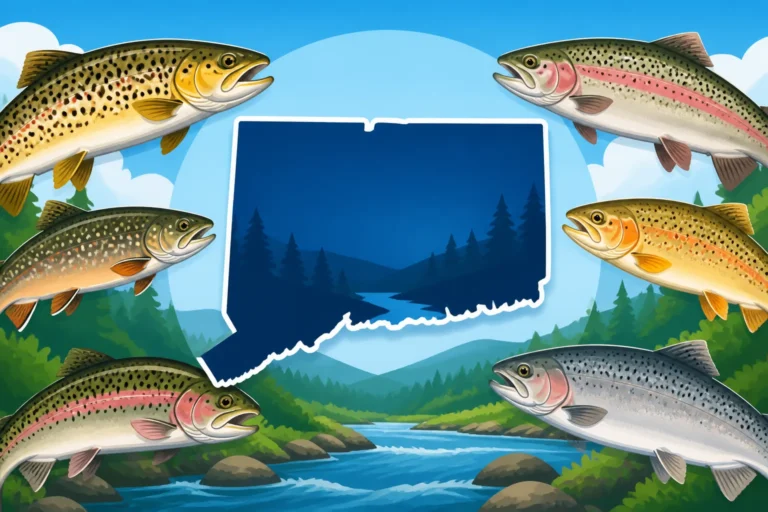
When we talk about trout fishing in Connecticut, it's crucial to distinguish between hatchery-stocked fish and wild populations. The Connecticut Department of Energy and Environmental Protection (DEEP) maintains an extensive trout stocking program, releasing hundreds of thousands of brown, rainbow, and even some brook trout into our lakes, ponds, and rivers each year. These stocked fish provide incredible angling opportunities for a wide range of fishermen, particularly for families and those looking for more accessible fishing experiences. Places like the Farmington River and many state park ponds receive regular stockings, creating a vibrant "put-and-take" fishery. You can often find details on these programs, and even track where fish have been released, using the Connecticut Interactive Trout Stocking Map, Explained.
Wild trout, on the other hand, are fish that have reproduced naturally in our streams. While most of our larger rivers and lakes have wild populations of brown and rainbow trout (often descendants of stocked fish that have adapted and begun to reproduce), the brook trout is unique as our only native wild trout. These wild populations tend to be smaller, more delicate, and require specific environmental conditions to thrive. Anglers pursuing wild fish often practice catch-and-release to ensure the sustainability of these precious populations. It's a different kind of fishing, often focusing on the experience and the beauty of the fish rather than filling a cooler. Understanding the difference helps us appreciate the diverse management strategies in place, from regulations protecting wild populations to programs boosting recreational opportunities through stocking.
Protecting Our Native Brook Trout Habitats
The existence of wild brook trout in Connecticut is a testament to the pockets of healthy, unspoiled habitat that still remain. However, these habitats are constantly under threat. Development, pollution, increased water temperatures due to climate change, and habitat fragmentation all chip away at the delicate ecosystems brook trout rely on. Cold, clear water is paramount, and anything that warms streams, introduces sediment, or reduces oxygen levels poses a direct threat.
Because of their vulnerability, significant conservation efforts are underway to protect and restore brook trout habitats. State agencies and local conservation groups work tirelessly to manage watersheds, remove barriers to fish passage, plant streamside vegetation to provide shade and reduce erosion, and monitor water quality. Anglers play a vital role in these efforts too, by advocating for clean water, participating in stream cleanups, and practicing responsible angling techniques like catch-and-release, especially in known wild brook trout streams. Using barbless hooks, minimizing handling time, and keeping fish in the water as much as possible are simple ways we can all contribute to the survival of these beautiful native fish. It’s about ensuring that future generations can also experience the magic of finding a wild, jewel-toned brook trout in a pristine Connecticut stream.
Other Important Fish Species in Connecticut's Waters
While the brook trout holds a unique distinction, Connecticut is blessed with an incredible diversity of fish species, offering fantastic angling opportunities in both freshwater and saltwater environments.
A Glimpse at Freshwater Favorites
Beyond our beloved trout, Connecticut's freshwater lakes, ponds, and rivers teem with other popular game fish that draw anglers from all walks of life. Largemouth bass are arguably king in many of our warmer, weedier lakes and ponds. These aggressive fighters provide thrilling action, whether you're tossing topwater frogs or flipping jigs into thick cover. Largemouth Bass Fishing in Connecticut is a popular pursuit for many. In contrast, smallmouth bass thrive in cooler, rocky rivers and lakes, such as the Housatonic River, where they offer a powerful fight on light tackle. Many anglers specifically target these bronze bombers. Smallmouth Bass Fishing in Connecticut provides a different challenge.
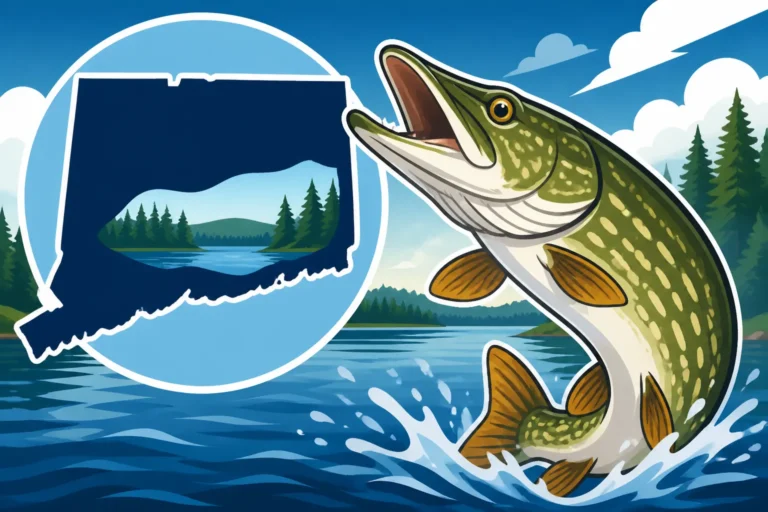
Northern pike, found in some of our larger lakes like Bantam Lake and Mansfield Hollow, offer the chance at a true freshwater trophy, known for their predatory nature and sharp teeth. Panfish, including bluegill, perch, and crappie, are abundant and provide endless fun for families and beginner anglers, requiring little more than a simple worm and bobber. Each species contributes to a rich tapestry of freshwater fishing experiences, making Connecticut a fantastic destination for inland anglers.
The Riches of Long Island Sound
Stepping into our saltwater realm, Long Island Sound offers an entirely different, but equally exciting, array of fishing opportunities. The Sound is a dynamic estuary, a mixing bowl of fresh and saltwater, creating ideal conditions for a wide variety of marine species.
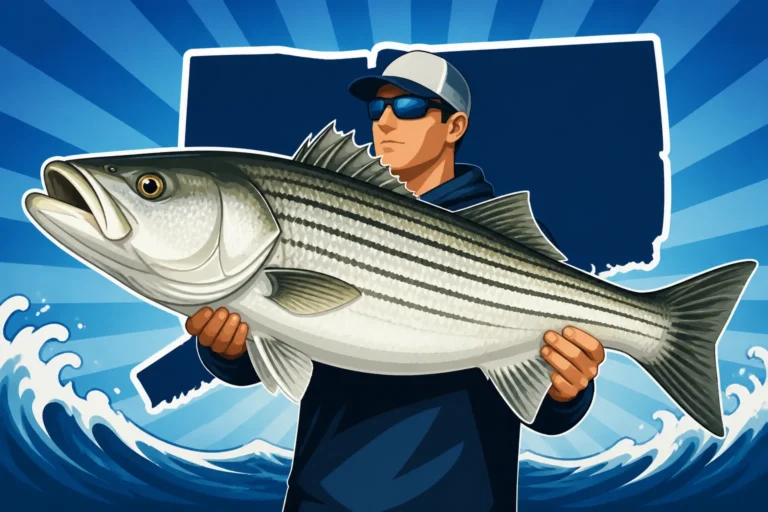
Striped bass are the undisputed superstars of Long Island Sound, attracting thousands of anglers each year. These powerful, migratory fish can be caught from shore or boat, on everything from live bait to artificial lures. Their annual migration brings them close to our shores, creating frenzied action. You can explore Striped Bass Fishing in Long Island Sound for more details. Fluke, or summer flounder, are another prized catch, known for their delicious white meat and challenging bottom-dwelling habits. Drifting baits or bucktail jigs over sandy bottoms is a popular technique for these flatfish. Fluke Fishing in Long Island Sound is very popular during the warmer months.
Blackfish, also known as tautog, are masters of rocky structure and wrecks, providing a challenging and rewarding fight. Black sea bass have seen a strong comeback in recent years, offering excellent fishing over reefs and deeper structure. Species like bluefish, scup (porgy), and even occasional weakfish also add to the vibrant saltwater fishery. This diversity provides endless excitement for those who venture out onto the Sound, highlighting the incredible natural resources our state possesses.
Here's a quick look at some key fish species and their importance in Connecticut:
| Species | Type | Native Status | Angling Popularity | Ecological Significance |
|---|---|---|---|---|
| Eastern Oyster | Shellfish | Native | Commercial/Cultural | Historical economic driver, water filter, habitat creator |
| Brook Trout | Freshwater Fish | Native | High (esp. fly) | Indicator of pristine coldwater habitat, iconic native fish |
| Brown Trout | Freshwater Fish | Introduced | High | Popular stocked and wild game fish, adaptable |
| Rainbow Trout | Freshwater Fish | Introduced | High | Popular stocked game fish, strong fighters |
| Largemouth Bass | Freshwater Fish | Native | Very High | Top predator in warmwater lakes/ponds, recreational favorite |
| Smallmouth Bass | Freshwater Fish | Native | High | Popular river/lake game fish, strong fighters |
| Striped Bass | Saltwater Fish | Native | Extremely High | Highly migratory, top marine predator, major recreational fishery |
| Fluke | Saltwater Fish | Native | High | Popular table fare, bottom dweller in Long Island Sound |
| Blackfish | Saltwater Fish | Native | High | Structure-oriented, challenging fight, popular fall fishery |
| Black Sea Bass | Saltwater Fish | Native | Growing High | Reef dweller, good eating, increasing populations |
Disclaimer
This article is for general informational purposes only and does not constitute professional advice. Laws, prices and regulations vary by location and change over time. Consult a qualified professional for guidance on your specific situation.