Common carp size and habits in Connecticut lakes
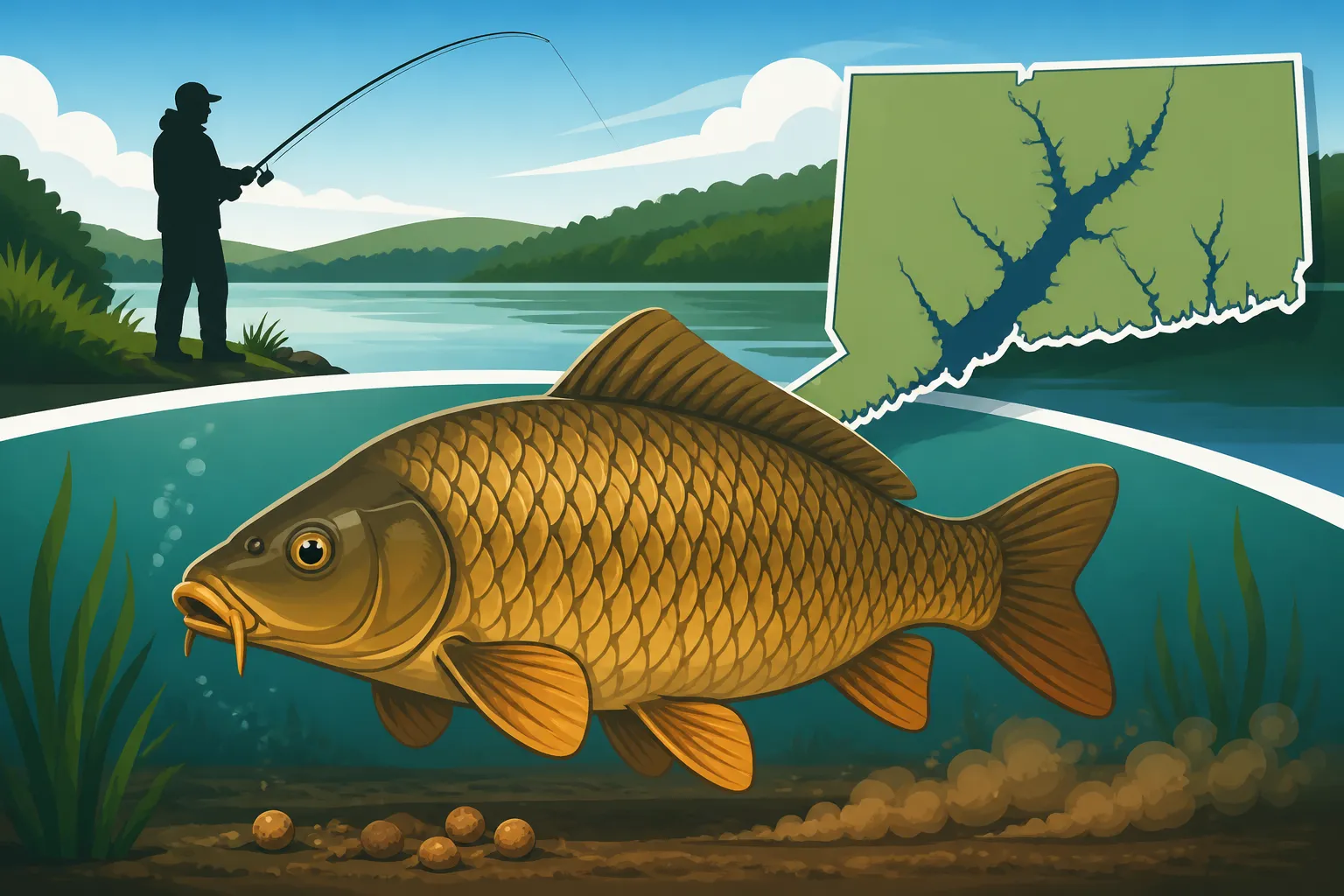
There's a certain fish in Connecticut's freshwater lakes that often gets a bad rap, sometimes even overlooked by anglers chasing bass or trout, but it offers some of the most exciting, line-peeling fights you can imagine: the common carp. Many anglers are curious about just how big these fish get in our local waters and what makes them tick throughout the seasons. This guide is here to shed light on the impressive sizes these often-underestimated fish can reach and delve deep into their fascinating habits across Connecticut's diverse lake environments.
Understanding the Common Carp: A Connecticut Perspective
The common carp (Cyprinus carpio) has a long and somewhat controversial history in North America, and Connecticut is no exception. While not native, these robust fish have certainly made themselves at home, thriving in a wide range of aquatic conditions that might be less hospitable to some of our more delicate native species. Far from being a nuisance, carp present a unique challenge and a rewarding experience for those who learn to appreciate them.
The Carp's Place in Connecticut's Ecosystem
In Connecticut, common carp are found in many of our larger lakes, ponds, and slower-moving rivers. They are bottom-feeders, often seen rooting around in the soft sediments, stirring up mud as they search for food. This feeding behavior can sometimes affect water clarity, which is why they sometimes get a bad rap. However, they also play a role in the aquatic food web, consuming detritus, small invertebrates, and plant matter. While they can compete with native species for resources, their presence is now a well-established part of many freshwater ecosystems across the state. Understanding their habits is key to coexisting with them and, for many, learning to target them successfully. They're definitely a fish of interest when discussing Invasive Fish Species in Connecticut Waters, but also a formidable sport fish.
What Makes Carp So Resilient?
One of the most remarkable things about common carp is their incredible resilience. They can tolerate a wide range of water temperatures, from near-freezing in winter to quite warm in summer, and they aren't nearly as sensitive to water quality fluctuations as some other game fish. This adaptability is precisely why they've spread so widely and become such a common sight in Connecticut's lakes. They can survive in waters with low oxygen levels for periods, and their omnivorous diet means they can find sustenance almost anywhere. This makes them accessible to many anglers, even in waters that might not hold thriving populations of other species. Their ability to adapt truly sets them apart.
Average and Trophy Sizes of Common Carp in Connecticut
When people think of carp, they might picture small, muddy fish, but that image couldn't be further from the truth when it comes to the common carp in Connecticut. These fish can grow to genuinely impressive sizes, providing a fight that will test your tackle and your stamina.
Typical Weight and Length Ranges
In many of Connecticut's fertile lakes, it's not uncommon to encounter common carp in the 10 to 20-pound range. These are solid, powerful fish that will make your reel sing. A carp of this size can put a significant bend in your rod and require careful handling, especially if you're aiming for a clean release. Their broad, muscular bodies and strong tails are built for power, not finesse. If you're fishing a popular carp spot, landing several fish in this size class over a day is definitely within the realm of possibility.
However, many anglers don't realize just how much bigger they can get. It's not rare for dedicated carp anglers to pull fish weighing over 30 pounds from some of our larger lakes. Imagine battling a fish that size—it's an unforgettable experience. These larger specimens are often older, wiser fish that have learned to avoid hooks, making them even more prized.
Chasing Connecticut's Trophy Carp
For those truly looking to push the limits, Connecticut waters hold some absolute giants. Fish exceeding 40 pounds are caught annually by skilled anglers, and there are whispers of even larger specimens swimming in our deepest lakes. These are the true trophies, the fish that have seen it all and require exceptional patience, presentation, and angling skill to entice. Landing one of these leviathans is a moment of pure angling triumph, a testament to the fact that you don't always need to travel far to catch a truly monumental freshwater fish. The Connecticut State Fish Records by Species will show you just how big they can get!
To target these bigger fish, you often need to consider heavier tackle than you might for typical freshwater fishing. A medium-heavy rod, a strong reel with a smooth drag, and line in the 15-20 lb test range (or even heavier braided line) are highly recommended. You can find robust carp fishing gear, including specialized rods, bite alarms, and baitcasting reels, readily available on platforms like Amazon, making it easier than ever to get properly equipped for the pursuit of these freshwater titans.
| Weight Range (lbs) | Length Range (inches) | Description | Fight Difficulty | Tackle Recommendation |
|---|---|---|---|---|
| 5-10 | 18-24 | Average | Moderate | Medium action spinning, 8-12 lb mono |
| 10-20 | 24-30 | Good | Strong | Medium-heavy spinning/baitcasting, 12-17 lb mono/braid |
| 20-30 | 30-36 | Very Good | Very Strong | Heavy action baitcasting, 17-25 lb mono/braid |
| 30+ | 36+ | Trophy | Extreme | Dedicated carp rod, heavy braid, strong reel |
Habitats and Behavior of Common Carp in Connecticut Lakes
Understanding where common carp live and what drives their behavior is paramount to consistently finding and catching them in Connecticut's diverse lake environments. These are not random wanderers; they have preferences and patterns just like any other species.
Where to Find Carp in Lake Environments
Common carp generally prefer still or slow-moving waters with soft, muddy bottoms where they can easily root around for food. This means you'll find them in many of Connecticut's larger lakes, reservoirs, and even some of the deeper, wider sections of our rivers. Think about areas with:
- Shallow Bays and Coves: Especially those with abundant aquatic vegetation. Carp love to patrol these areas, particularly in warmer months, as they offer both food and shelter.
- Weed Beds and Lily Pads: These provide cover from predators and are prime feeding grounds for small invertebrates. You'll often see them tailing or rolling in these areas.
- Inflows and Outflows: Areas where streams or rivers enter or exit a lake can concentrate food, especially after a rain event. Carp will congregate in these richer feeding zones.
- Deep Holes and Drop-offs: While they love the shallows, carp will retreat to deeper, cooler water during the hottest parts of summer or throughout the winter. Structure, like submerged timber or rock piles near these deeper areas, can also hold fish.
- Man-made Structures: Docks, bridge pilings, and rip-rap shorelines can attract carp, offering both cover and a source of scraped-off algae and invertebrates. Best Bank Fishing Techniques for Connecticut Lakes often involve targeting these accessible structures.
The key is to look for signs of their activity – muddy water, bubbles rising from the bottom as they feed, or even the distinctive "carp roll" on the surface. Don't be shy about exploring different types of water bodies; some of the best carp fishing spots might be right under your nose in lakes you already visit for other species. Many of the Best Fishing Lakes in Connecticut will hold strong carp populations.
What's on a Carp's Menu in Connecticut Waters?
Carp are omnivores, which means they're not too picky, a habit that contributes greatly to their widespread success. Their diet mostly consists of:
- Invertebrates: This is a big one. They'll root out insect larvae, worms, small crustaceans, and mollusks from the lake bottom.
- Plant Matter: Algae, aquatic weeds, and even fallen seeds or berries contribute to their diet, especially when other food sources are scarce.
- Detritus: Decaying organic matter on the lakebed is a constant food source for carp.
For anglers, this varied diet opens up a world of bait possibilities. Tried-and-true carp baits include corn, dough balls, bread, and worms. Boiles (boiled bait balls made from a mix of ingredients) are also incredibly effective and popular among dedicated carp anglers. These can be purchased from specialty tackle shops or even made at home. Preparing your own bait can be a fun project, or you can find ready-made options, including flavored corn or boilies, from retailers like Amazon for convenience.
Seasonal and Daily Activity Patterns
Carp activity in Connecticut lakes isn't constant; it changes with the seasons and even throughout the day.
- Spring: As water temperatures rise, carp become incredibly active. This is often one of the best times to target them as they move into shallower areas to feed heavily before spawning. You'll find them in bays and coves. Best Time of Year to Fish in Connecticut definitely includes spring for carp.
- Summer: During the hottest summer months, carp can be found early mornings and late evenings in shallower water, retreating to deeper, cooler sections during the midday heat. Night fishing can also be highly productive. Look for them feeding in weed beds or around structure.
- Fall: As water temperatures cool down, carp again become very active, feeding heavily to build up reserves for winter. They can be found in similar locations to spring, but might be slightly deeper as fall progresses.
- Winter: Carp become much less active in winter. They'll typically move to deeper holes and congregate in large schools, feeding sparingly. Ice fishing for carp is less common but certainly possible for the patient angler.
On a daily basis, carp are often most active during dawn and dusk, much like many other fish species. However, on overcast days or during mild weather, they can feed actively throughout the day. Observing the water for signs of activity is your best indicator of when and where they're biting. For those looking to target them from a small boat, exploring Best Kayak Fishing Spots in Connecticut can be incredibly effective, allowing you to quietly access areas shore anglers can't reach.
Fishing for Common Carp in Connecticut
Fishing for common carp is a specialized pursuit that requires patience, the right gear, and an understanding of their subtle habits. It's an incredibly rewarding experience, though, delivering some of the most powerful freshwater fights you'll ever encounter.
Essential Gear and Tactics
To effectively target carp, you'll want to move beyond your basic panfish setup. Here's a breakdown of what you'll need:
- Rods and Reels: As mentioned earlier, medium-heavy to heavy action rods are ideal. A dedicated carp rod, typically 9-12 feet long, offers the leverage needed for long casts and battling large fish. Pair this with a robust spinning reel or a baitcasting reel spooled with 15-20 lb monofilament or braided line. The smooth drag system on your reel is crucial for preventing break-offs during a carp's powerful runs.
- Line: Monofilament offers good stretch and shock absorption, while braid offers superior sensitivity and strength. Many carp anglers use braided main line with a monofilament or fluorocarbon leader.
- Hooks: Strong, sharp hooks in sizes 4-8 are generally suitable. Circle hooks are popular among carp anglers for their effectiveness and ability to minimize gut hooking, promoting healthy releases.
- Rigs: The hair rig is a staple in carp fishing. This rig presents the bait next to the hook, rather than on it, allowing the fish to suck in the bait freely before the hook catches in its lip. Other simple bottom rigs with an egg sinker or a method feeder are also effective.
- Bait: Beyond the standard corn and bread, consider pack baits or method feeder mixes, which create a cloud of attractive scent and particles around your hook bait. These can be homemade or purchased. You can often find pre-packaged carp fishing bait kits and specialized carp scents on Amazon, which can give you an edge.
When it comes to tactics, stealth and patience are key. Carp are wary fish, and loud noises or heavy footsteps on the bank can easily spook them. Cast your lines carefully, often into areas you've pre-baited, and then settle in for a wait. Bite alarms, which clip to your rod and signal visually and audibly when a fish takes the bait, are invaluable tools for detecting subtle carp bites, especially if you're fishing multiple rods.
The Thrill of the Fight
Once a carp takes your bait, be ready! Their initial runs are incredibly powerful and often long, testing your tackle and your reflexes. They will often try to dive into weed beds or submerged structures, so you need to be assertive to steer them away from snags. Unlike some fish that make short, explosive bursts, a large carp will often sustain its powerful runs, gradually wearing you down.
Bringing a large carp to the net is a true test of skill and often requires several minutes of intense back-and-forth. The satisfaction of finally sliding a massive, bronze-sided common carp into your net, knowing the battle you just waged, is unparalleled. And remember, these fish, especially the larger ones, are often released back into the water to grow even bigger and fight another day. While some anglers ask Are Carp Good to Eat from Connecticut Waters?, many choose to practice catch and release due to their fighting prowess.
Fishing for common carp might not be for everyone, but for those who embrace the challenge, Connecticut's lakes offer some phenomenal opportunities to connect with truly powerful freshwater fish.
Disclaimer
This article is for general informational purposes only and does not constitute professional advice. Laws, prices and regulations vary by location and change over time. Consult a qualified professional for guidance on your specific situation.