Is Striped Bass Good to Eat?
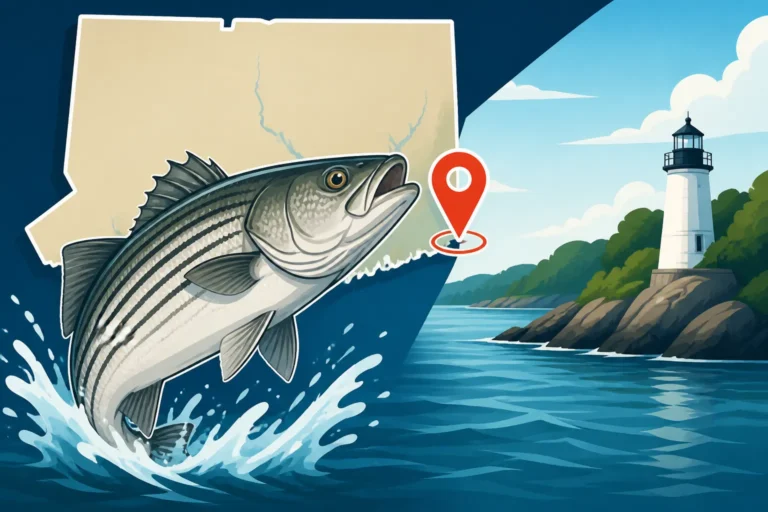
It's a question that many anglers ponder after a successful day on the water, especially when you've reeled in a beautiful striped bass from the rich waters of Connecticut: is this fish good to eat? There's a lot of excitement around bringing home dinner, but also a healthy dose of caution about wild-caught fish. This guide will dive deep into everything you need to know about preparing, consuming, and enjoying striped bass, addressing common concerns and giving you the full picture.
The Appeal of Striped Bass as Table Fare
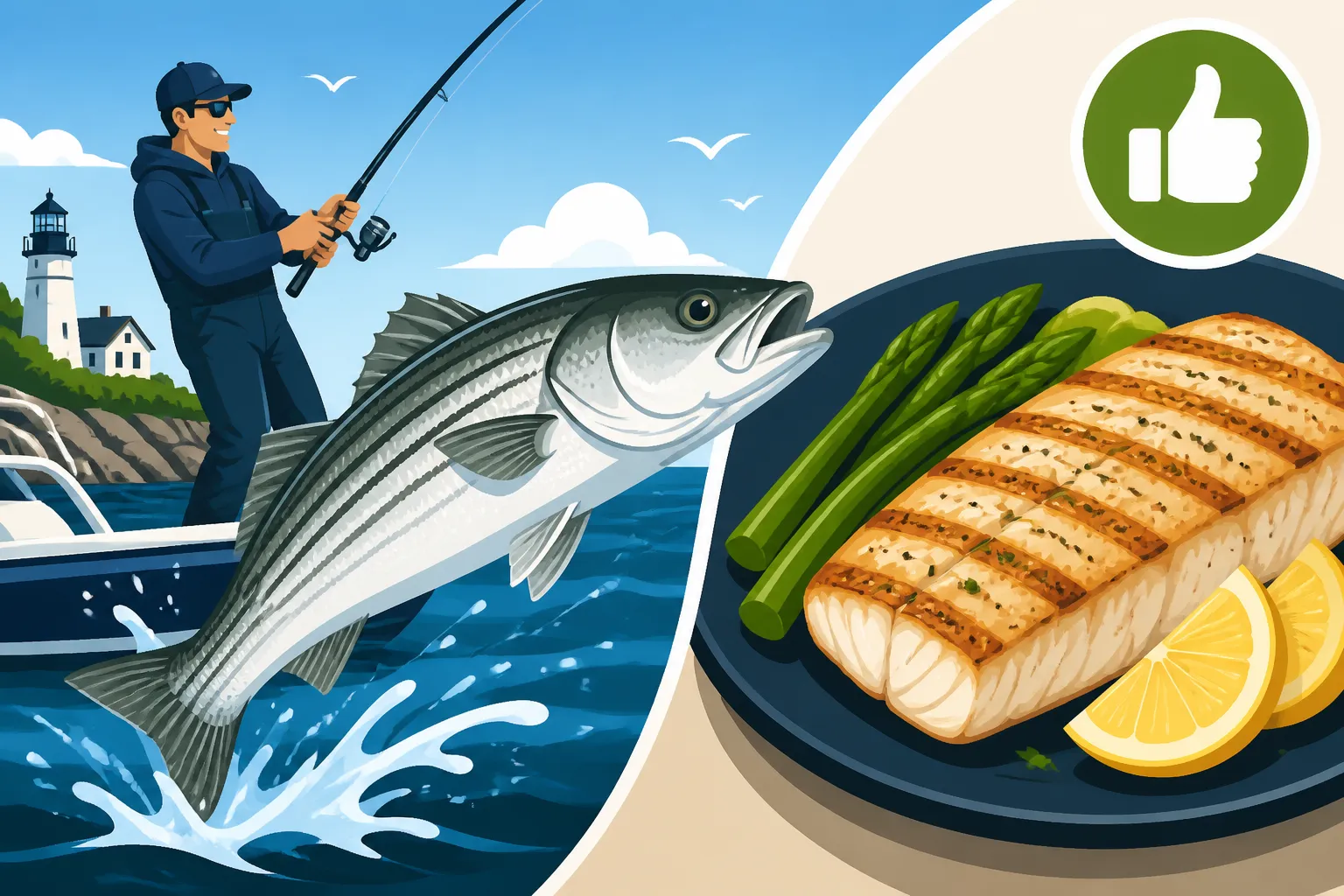
For many, the idea of fresh-caught striped bass sizzling on the grill is the ultimate reward after a long day of fishing. There's a certain satisfaction that comes from harvesting your own food, and striped bass certainly holds a prominent place in the culinary world, especially among coastal communities. Their substantial size often means a generous yield of fillets, making them an attractive target for anglers looking to fill their freezer.
Flavor Profile and Texture
When you ask seasoned anglers about the taste of striped bass, you'll often hear high praise. Generally, striped bass offers a mild, slightly sweet flavor that isn't overly "fishy." It's a clean taste that can stand on its own or serve as an excellent canvas for various marinades and seasonings. The flesh is firm, flaky, and moist when cooked properly, falling apart easily with a fork but holding together well enough for grilling or pan-searing.
Compared to some other popular fish, like a strong-flavored bluefish or a delicate flounder, striped bass often strikes a perfect balance. It's more robust than cod or haddock, but not as oily as mackerel. This makes it a really versatile option for a wide range of palates. You might notice subtle differences in flavor depending on where the fish was caught – a striper from a salt pond might taste slightly different than one from the open waters of Long Island Sound Fishing Guide, reflecting the diversity of their diet and habitat.
Versatility in the Kitchen
One of the great joys of catching striped bass is its adaptability in the kitchen. This isn't a fish that demands one specific cooking method; it truly shines in many preparations. You can bake it whole with herbs and lemon, grill thick fillets over an open flame, pan-sear it to a beautiful golden brown, or even use it in fish tacos or ceviche.
For grilling, a simple brush of olive oil, salt, pepper, and a squeeze of lemon is often all you need to highlight its natural flavor. If you're looking for something a bit more adventurous, you can marinate the fillets in a blend of soy sauce, ginger, and garlic, or a Mediterranean-inspired mix of herbs and white wine. It holds up well to different sauces, from a creamy beurre blanc to a vibrant salsa. Many people also enjoy smoking striped bass, which imparts a rich, savory depth that's fantastic in dips or on crackers. The possibilities are truly endless, allowing you to experiment and find your favorite way to enjoy your catch.
Factors Influencing Striped Bass Quality
While striped bass is generally considered good to eat, not all stripers are created equal when it comes to table quality. Several crucial factors can significantly impact the taste, texture, and even the safety of your catch. Understanding these can help you maximize your culinary enjoyment and make informed decisions about which fish to keep.
Water Quality and Environment
This is perhaps one of the most significant factors influencing the edibility and safety of any wild-caught fish. Striped bass, being apex predators, can accumulate contaminants from their environment and their diet. The cleaner the water, the less likely the fish will have an undesirable taste or unsafe levels of pollutants. In Connecticut, we're fortunate to have many beautiful, productive waters, but it's always wise to be aware of the specific areas you're fishing.
For instance, a striper caught in a pristine, free-flowing river mouth or offshore in Long Island Sound Fishing Guide might taste cleaner than one taken from a harbor known for industrial runoff or a stagnant estuary. Over time, pollutants like PCBs or mercury can accumulate in a fish's tissues. While authorities do their best to monitor these levels, staying informed about Which Connecticut waters have fish consumption advisories is crucial. These advisories exist to protect us, and they often differentiate recommendations based on the water body and the size of the fish.
Size and Age of the Fish
Here's a tip many veteran anglers will share: smaller, younger striped bass generally make for better eating than their massive, older counterparts. There's a sweet spot, typically for fish in the 28-35 inch range (always check current slot limits and Connecticut Striped Bass Slot Limit and Season before keeping any fish). Larger, older stripers can have a coarser texture, and their flesh might be tougher or more sinewy. They also tend to accumulate more contaminants over their longer lifespans.
Additionally, older fish sometimes develop a stronger, more pronounced "fishy" flavor that some people find less appealing. Younger fish often have a delicate flavor and a tender, flaky texture that's highly sought after. This is one reason why many anglers practice Striped bass catch and release survival tips for those truly enormous, trophy-sized stripers, saving the smaller, tastier ones for the dinner plate.
Handling After the Catch
You could catch the cleanest, perfectly sized striped bass, but if you don't handle it correctly after it comes out of the water, its table quality will plummet. This is where the difference between a good meal and a disappointing one often lies. The moment a fish is caught, its internal processes begin to change, and if not managed, bacteria can start to degrade the flesh.
The absolute best practice is to bleed your fish immediately upon landing it. A quick cut behind the gills allows the blood to pump out, resulting in much cleaner, milder-tasting fillets. After bleeding, get the fish on ice as quickly as possible. A cooler packed with plenty of ice is non-negotiable. This rapid cooling slows bacterial growth and helps preserve the texture and flavor. Don't just toss it in a dry cooler – contact with ice is key. Think about it: you wouldn't leave a steak out in the sun, so why would you treat your fresh fish any differently? For longer trips, having a good quality cooler, perhaps one you picked up from a reputable retailer like Amazon, can make all the difference.
Diet of the Striped Bass
What a fish eats profoundly impacts its flavor. This is true for all species, and striped bass are no exception. Their diet can vary depending on their location and the season. In Long Island Sound, they might be feasting on bunker (menhaden), spearing, or squid. In river systems, they might prey on different baitfish.
Fish that primarily eat smaller, oilier baitfish like bunker might have a slightly richer, more pronounced flavor. Those that consume a more varied diet, including crustaceans or smaller, leaner fish, might have a milder taste. Generally, if the fish has been feeding on a healthy, diverse diet in clean waters, it's going to translate into a better eating experience for you. Understanding What striped bass eat in Long Island Sound can even give you clues about how your catch might taste before you even get it to the kitchen.
Health Considerations and Consumption Advisories
While the thought of enjoying fresh-caught striped bass is undeniably appealing, it's essential to approach it with a realistic understanding of potential health considerations. Wild fish, by their very nature, interact with their environment, and sometimes that environment contains things we'd rather not ingest. Being informed is the best way to ensure your meal is both delicious and safe.
Mercury and Other Contaminants
One of the most widely discussed concerns with consuming wild-caught fish is the presence of mercury, particularly methylmercury. This naturally occurring element can accumulate in fish, especially in longer-lived, predatory species like striped bass. The larger and older the fish, the more mercury it may have accumulated over its lifetime. Other potential contaminants, such as PCBs or dioxins, can also be present, depending on the historical and current pollution levels of specific water bodies.
It's crucial to understand that health agencies worldwide monitor these contaminants. While specific levels can vary, the general advice often revolves around limiting consumption, especially for vulnerable populations like pregnant women, nursing mothers, and young children. This isn't meant to scare you away from eating fish, but rather to encourage moderation and awareness. Always remember that the benefits of eating fish, like omega-3 fatty acids, are well-documented, but a balanced approach is key.
Connecticut's Fish Consumption Guidelines
Thankfully, you don't have to guess about these things! The State of Connecticut, through its Department of Energy and Environmental Protection (DEEP) and Department of Public Health, regularly issues Mercury advisory fish species in Connecticut waters and general fish consumption guidelines. These advisories are based on scientific sampling and analysis of fish caught in various Connecticut lakes, rivers, and coastal waters.
These guidelines are incredibly important because they provide specific recommendations for different fish species and sizes, and often for particular water bodies within the state. For example, the advice for eating a striped bass caught in the lower Connecticut River might be different from one caught far offshore in Long Island Sound. They usually suggest maximum meal frequencies (e.g., "no more than one meal per week") for the general population and stricter limits or complete avoidance for sensitive groups. It's truly your responsibility as an angler to check these resources before you plan your menu. A quick search on the DEEP website for "Connecticut fish consumption advisories" will give you the most up-to-date information, ensuring you and your family can enjoy your catch safely.
Here's a general example of how advisories might look (remember to always check the official DEEP guidelines for current, specific information):
| Fish Species (Size) | General Population Recommendation | Sensitive Population (Pregnant/Nursing Women, Children) |
|---|---|---|
| Small Striped Bass (e.g., <30 inches) | 1-2 meals per week | 1 meal per month or less |
| Large Striped Bass (e.g., >30 inches) | 1 meal per month or less | Avoid consumption |
| Bluefish (all sizes) | 1 meal per week | 1 meal per month or less |
| Northern Pike | 1 meal per month or less | Avoid consumption |
| Trout (stocked) | Unrestricted | Unrestricted |
Note: This table is illustrative. Always consult official Connecticut state resources for current consumption advisories.
Best Practices for Preparing and Cooking Striped Bass
So, you've caught a perfectly sized striped bass, handled it with care, and checked the latest consumption advisories. Now comes the fun part: preparing it for the plate! Even if you're not a seasoned chef, a few key practices will ensure your striped bass goes from a fresh catch to a delicious meal.
Filleting and Skinning
Proper filleting is the first step to a great meal. A sharp fillet knife is your best friend here. If you're new to filleting, there are countless tutorials online that can walk you through the process step-by-step. The goal is to maximize your yield while minimizing bone and waste.
Once you have your fillets, decide whether to leave the skin on or take it off. Many people prefer to remove the skin from striped bass because it can be quite tough and sometimes impart a stronger flavor, especially on larger fish. To skin a fillet, lay it skin-side down, grasp the tail end, and work your knife at a shallow angle between the flesh and the skin, pulling the skin as you go. For smaller fish or if you plan to grill at high heat, leaving the skin on can help keep the fish together and add flavor, but you might want to score it first. After filleting, give your fillets a quick rinse in cold water and pat them dry thoroughly with paper towels. Excess moisture can prevent a good sear.
Simple and Delicious Recipes
The beauty of striped bass is its versatility, but sometimes simple is best, especially for a fresh catch. Here are a few straightforward ways to enjoy it:
- Grilled Striped Bass: This is a classic for a reason. Lightly brush fillets with olive oil, season with salt, black pepper, and a pinch of garlic powder. Grill skin-side down first (if leaving skin on) until crispy, then flip. Cook until the internal temperature reaches 145°F and the flesh is opaque and flakes easily. Serve with lemon wedges and fresh parsley.
- Pan-Seared Striped Bass: Heat a good quality, heavy-bottomed pan (cast iron works wonderfully) with a mix of olive oil and butter until shimmering. Place fillets skin-side down (if desired) or flesh-side down. Cook for 3-5 minutes per side, depending on thickness, until golden brown and cooked through. Finish with a squeeze of lemon and a sprinkle of capers.
- Baked Striped Bass with Vegetables: Lay fillets in a baking dish. Top with sliced lemons, cherry tomatoes, fresh herbs (dill, thyme, or rosemary work well), a drizzle of olive oil, and white wine or chicken broth. Bake at 375°F (190°C) for 15-20 minutes, or until cooked through. This method keeps the fish incredibly moist and infuses it with flavor.
Don't be afraid to experiment with different seasonings. A dash of Old Bay, some Cajun seasoning, or a simple lemon-herb blend all complement striped bass beautifully.
Gear for Optimal Preparation
Having the right tools can make all the difference in preparing your catch. A good set of sharp fillet knives is essential for clean cuts and maximizing your yield. Look for knives with flexible blades in various lengths for different fish sizes. You can often find highly-rated knife sets on Amazon, perfect for anglers.
Beyond knives, a sturdy cutting board that won't slip around is crucial for safety. For preserving your catch, especially if you have a bountiful day of How to Catch Striped Bass in Long Island Sound, consider investing in a vacuum sealer. These devices remove air from bags, drastically extending the freezer life of your fillets and preventing freezer burn. They're widely available, including on Amazon, and are a game-changer for long-term storage. Lastly, a dedicated fish scaler (if you choose to keep the skin on some pieces) and a fish bone tweezer can help remove any stray bones that the filleting process might miss, making for a more pleasant eating experience. All these tools contribute to making the process of enjoying your catch as smooth and satisfying as the fishing itself.
Disclaimer
This article is for general informational purposes only and does not constitute professional advice. Laws, prices and regulations vary by location and change over time. Consult a qualified professional for guidance on your specific situation.