What a tiger trout is and whether they are in Connecticut
Ever heard whispers about "tiger trout" and wondered if these strikingly patterned fish swim in Connecticut's waters? It's easy for anglers, both seasoned and new, to get a little confused with all the different trout species out there, especially when unique hybrids like the tiger trout make headlines in other states. This guide is here to clear up the mystery, explaining exactly what a tiger trout is, how to identify its distinctive markings, and most importantly, whether you're likely to encounter one on your next fishing trip in our beautiful Nutmeg State.
Understanding the Enigma: What Exactly is a Tiger Trout?
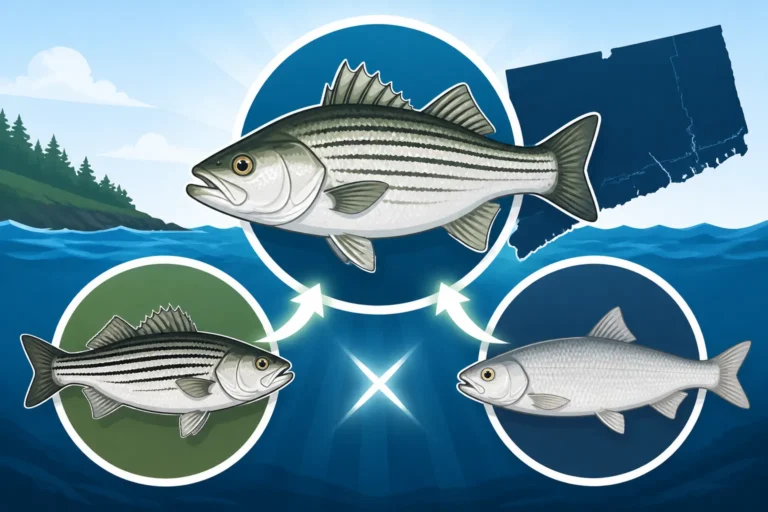
Let's dive right into what makes a tiger trout so fascinating. At its heart, a tiger trout isn't a naturally occurring species in the wild in the same way a brook trout or a brown trout is. Instead, it's a sterile hybrid, meaning it's unable to reproduce on its own. This unique fish is the result of cross-breeding a male brook trout (Salvelinus fontinalis) with a female brown trout (Salmo trutta). It’s a bit like the mule of the fish world – a strong, distinct animal but one that can't have offspring.
The creation of a tiger trout is typically done in a hatchery setting. Fisheries managers or private aquaculture operations intentionally fertilize brown trout eggs with brook trout milt. This isn't a process that happens accidentally in most natural environments, primarily because brook trout and brown trout generally prefer different spawning habitats and times, reducing the chances of their gametes mixing. The resulting fish possess a captivating blend of characteristics from both parents, making them stand out in any water they inhabit.
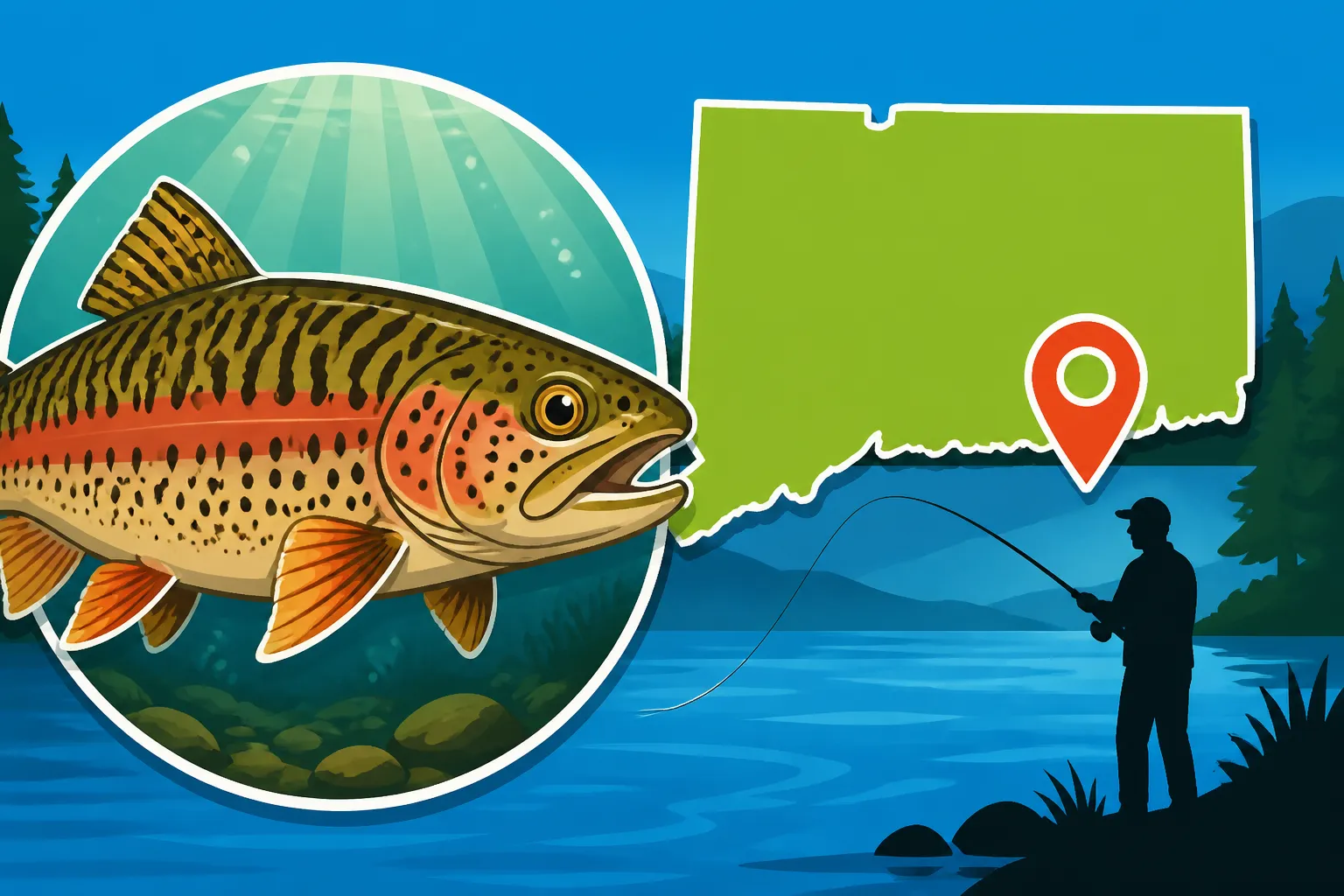
One of the most striking features of the tiger trout, and certainly where it gets its name, is its vermiculated pattern. Imagine the maze-like markings you might see on a brook trout, but amplified and intertwined with the golden-brown hues of a brown trout. This produces a marbled, labyrinthine pattern across its flanks, often described as a "tiger stripe" or "worm-like" appearance. This distinct look, combined with their robust nature and aggressive feeding habits, makes them highly sought after by anglers in areas where they are stocked. They are truly a marvel to behold, a testament to the diverse and sometimes surprising world of fish genetics.
The Connecticut Connection: Are Tiger Trout Stocked Here?
Now, for the burning question that many Connecticut anglers have: Can you actually catch a tiger trout in the Constitution State? The straightforward answer, based on the information provided by the Connecticut Department of Energy and Environmental Protection (DEEP), is generally no. While tiger trout are indeed stocked in some other states across the U.S. and beyond, Connecticut's official trout stocking program has not traditionally included this particular hybrid.
Connecticut DEEP primarily focuses on stocking brook trout, brown trout, and rainbow trout across our state's vast network of rivers, streams, and lakes. You'll find these three species forming the backbone of our recreational trout fisheries, with consistent stocking efforts designed to provide ample opportunities for anglers. The reasons for this focus are multifaceted. These species are well-understood, their stocking programs are established, and they are generally well-adapted to Connecticut's diverse aquatic environments, contributing reliably to the angling experience. You can always learn more about these efforts by checking out resources like Rainbow Trout Stocking in Connecticut or Brown Trout Habits in Connecticut Streams.
While it's highly improbable to encounter a tiger trout through official stocking efforts in Connecticut, it's not entirely impossible for one to exist. There have been extremely rare, isolated reports in some regions of "natural" hybrids occurring where brook and brown trout coexist and conditions somehow align. However, these instances are so exceedingly rare they should be considered anomalies rather than an expectation. For all practical purposes, if you're fishing in Connecticut and targeting trout, you should focus your identification efforts on brook, brown, and rainbow trout, which are the main players here. If you're passionate about expanding your trout knowledge, a good field guide, easily found on Amazon, can be an invaluable tool to help you identify the common species you will find.
Spotting the Stripes: How to Identify a Tiger Trout
Even if they aren't a common sight in Connecticut, understanding how to identify a tiger trout is a valuable skill for any curious angler. Their unique appearance is truly unmistakable once you know what to look for, especially when compared to their parent species.
The most striking feature, as mentioned earlier, is the vermiculated or labyrinthine pattern across their sides. This pattern is often described as resembling the stripes of a tiger or the intricate markings of a worm. It’s not simply spots or speckles, but rather a network of interconnected, wavy lines that extend from their back down to their lateral line, sometimes even further. This pattern is usually dark, often black or deep brown, against a lighter, yellowish to olive-brown body color. It's a blend that really sets them apart from the distinct spots of a brown trout or the more isolated worm-like markings of a brook trout.
Beyond the pattern, consider their overall body shape and fin coloration. Tiger trout tend to have a more streamlined, torpedo-like body, often a bit more robust than a typical brook trout, but perhaps not as deep-bodied as some mature brown trout. Their fins can offer clues too. The lower fins (pelvic, anal) often have white leading edges, similar to a brook trout, but perhaps not as pronounced. Unlike rainbow trout, which typically have a pink or reddish stripe along their side, tiger trout lack this prominent feature. If you ever find yourself wondering about the exact species you've caught, it's good to consult a detailed reference. You might find a comprehensive Trout Species Identification Guide for Connecticut available, and many anglers even carry laminated versions for quick reference on the water, often purchased from retailers like Amazon for convenience.
To really nail down the identification, especially if you think you’ve caught something unusual, it helps to compare it directly to the characteristics of brook and brown trout. Here's a quick comparison to help you differentiate:
| Feature | Tiger Trout | Brown Trout | Brook Trout |
|---|---|---|---|
| Parentage | Male Brook x Female Brown | True species | True species, Native to CT |
| Body Pattern | Distinct dark, worm-like (vermiculated) pattern on a lighter background, resembling tiger stripes. | Dark spots (some with halos), few if any worm-like markings. | Light, worm-like (vermiculated) markings on a darker background. |
| Coloration | Yellowish to olive-brown base, mottled. | Golden brown to olive, often yellowish belly. | Dark olive to green, red spots with blue halos. |
| Tail Fin | Often slightly forked. | Moderately forked. | Slightly forked to square. |
| Lower Fins | Can have white leading edges, less vibrant. | No white leading edges, often yellowish. | Prominent white leading edges. |
| Reproduction | Sterile (cannot reproduce) | Reproduces naturally | Reproduces naturally |
When you're out on the water, having a clear understanding of the subtle differences can make all the difference. For more detailed information on common species, check out posts like Difference between a tiger trout and a brown trout or Brook Trout: Connecticut's Native Trout.
The Allure of the Tiger: Why Anglers (and States) Love Them Elsewhere
So, if Connecticut isn't stocking them, why do other states bother with tiger trout? What's the big appeal that makes them a favored stocking choice in some regions? There are several compelling reasons why fisheries managers and anglers in other parts of the country embrace these unique hybrids.
Firstly, tiger trout are renowned for their aggressive nature and strong fighting ability. They tend to be very eager to strike a variety of lures and flies, offering an exciting challenge for anglers. This makes them a fantastic addition to put-and-take fisheries, where the goal is to provide a thrilling angling experience. Imagine hooking into a fish that strikes hard and fights with all its might – that's often the tiger trout experience, making them a memorable catch for anyone, from novices to seasoned fly fishers. Their aggressive behavior also means they tend to grow relatively quickly when food is plentiful.
Secondly, their sterility is often seen as an advantage. Because they cannot reproduce, they don't compete with native or wild trout populations for spawning habitat or resources. This is a crucial consideration for conservation-minded fisheries management. Stocking sterile fish allows managers to enhance recreational opportunities without introducing potential genetic impacts or overpopulation issues that could arise from non-native, reproducing species. This allows other states to manage specific fishing areas for recreational purposes, knowing the tiger trout won't establish self-sustaining populations that might disrupt the ecosystem in the long term. This contrasts with some other non-native species which require careful management to prevent ecological disruption, a topic discussed in Non-native trout species stocked in Connecticut.
Finally, their stunning appearance plays a huge role. Anglers love catching unique and beautiful fish, and the tiger trout certainly fits that bill. The intricate vermiculated patterns make them a prized catch for trophy photographs and memorable fishing stories. In states where they are stocked, they often generate significant excitement and attract anglers looking for something a little different. While Connecticut may focus on the beauty of our native brook trout or the robust brown trout you can find in places like the Farmington River, the tiger trout truly stands out wherever it swims. For those interested in the broader world of hybrid fish, it's worth noting that other hybrids exist, such as the striped bass hybrid mentioned in What a hybrid striped bass is a cross between, each with its own unique story and role in recreational fishing. If you're planning a trip to a state where tiger trout are stocked, be sure to pick up any necessary fishing gear on Amazon before you go!
Why Connecticut Sticks to the Classics
While the allure of the tiger trout is undeniable, Connecticut's decision to primarily stock brook, brown, and rainbow trout is a well-considered strategy. It aligns with a long-standing commitment to managing and enhancing our state's existing trout fisheries effectively.
One key reason is the established success and familiarity with the current stocking program. Connecticut DEEP has decades of experience raising and releasing brook, brown, and rainbow trout, tailoring their efforts to the specific characteristics of our rivers, streams, and lakes. This includes understanding their survival rates, growth patterns, and how they interact with the local environment. Introducing a new hybrid species would require significant resources for research, hatchery adaptation, and potential monitoring, which might divert resources from already successful programs. After all, the goals of Trout Fishing in Connecticut are already well-met with the current approach.
Furthermore, Connecticut boasts a strong connection to its native trout. The brook trout, our state fish, holds a special place in the hearts of many local anglers. Efforts are continuously made to protect and enhance wild brook trout populations, particularly in the pristine, cold-water streams of the state's more remote areas. Focusing on species that thrive here naturally or have a long history of successful stocking allows for continuity and maximizes the benefits to the angling public within the existing ecological framework. You can delve into the details of our native fish in What is the state fish of Connecticut.
Ultimately, while the tiger trout remains an intriguing hybrid, Connecticut's fisheries management prioritizes a proven approach. Our state offers fantastic fishing for a variety of trout, from the feisty rainbows in our major rivers to the wild brown trout that challenge even the most experienced anglers. If you're curious about different types of trout, even the ones not officially stocked, you can always expand your knowledge with fishing books and guides found on Amazon, which can help you understand all How many trout species live in Connecticut in various places.
Disclaimer
This article is for general informational purposes only and does not constitute professional advice. Laws, prices and regulations vary by location and change over time. Consult a qualified professional for guidance on your specific situation.