Connecticut Youth Fishing Passport, Explained
It can feel a little overwhelming when you’re trying to introduce your kids to the joys of fishing here in Connecticut. Between wondering about licenses, understanding age restrictions, and just figuring out where to even begin, sometimes it feels like there’s a whole lot standing in the way of simply getting a line in the water with your little ones. That’s precisely why the Connecticut Youth Fishing Passport program exists, and this comprehensive guide is here to unravel all the details, helping you get your young angler hooked!
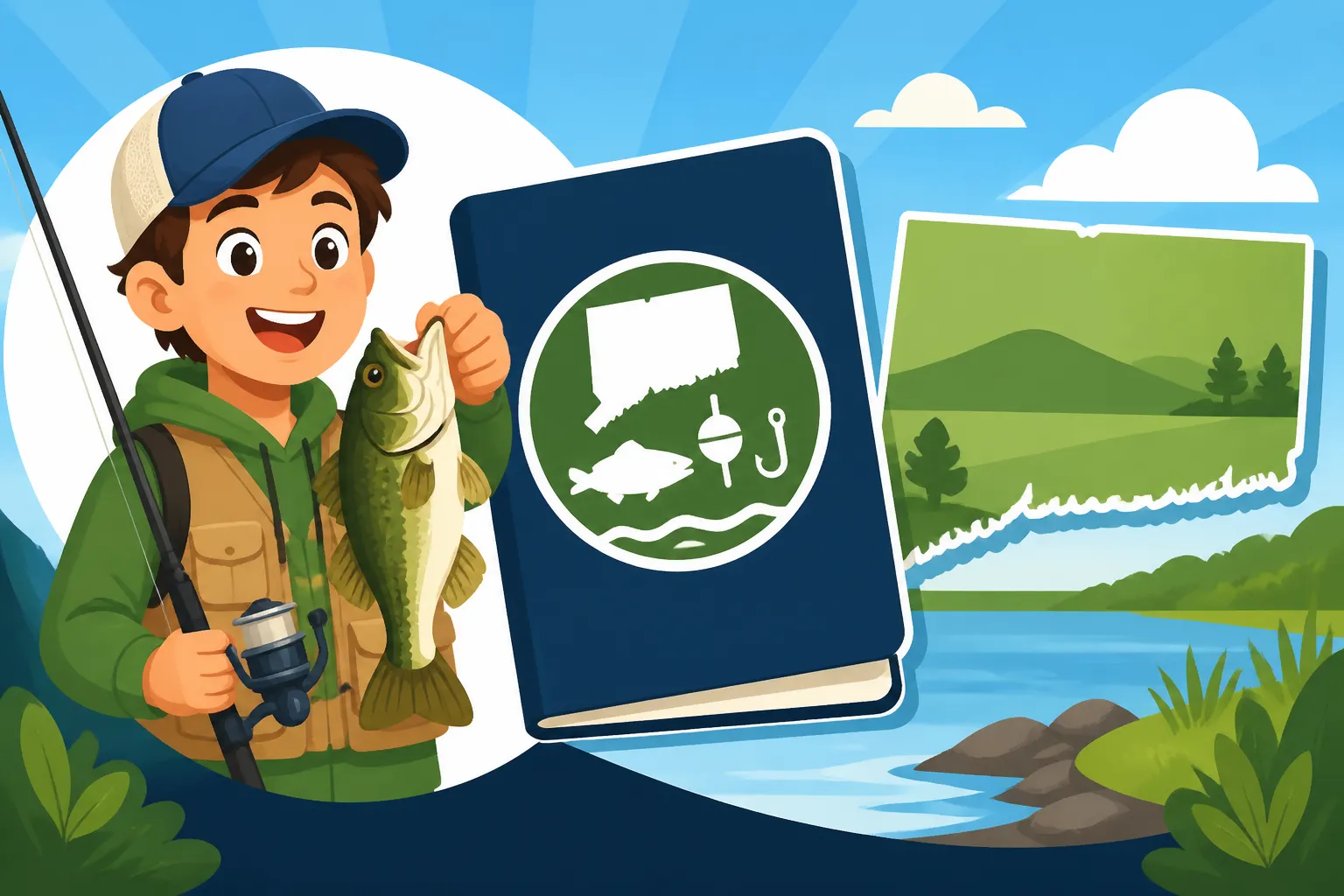
Unpacking the Connecticut Youth Fishing Passport: What Is It Really?
For many of us who grew up with a fishing rod in hand, passing that passion down to the next generation is a huge deal. But let’s be honest, the world of licenses and permits can be a bit of a maze, especially when you’re just trying to enjoy a simple day out with the family. The Connecticut Youth Fishing Passport isn't just another piece of paper; it’s a thoughtfully designed initiative by the Connecticut Department of Energy and Environmental Protection (DEEP) to smooth out that pathway for our younger residents. It's essentially a special no-cost permit that opens up the state's amazing fishing opportunities to kids who might otherwise be hesitant to get started.
More Than Just a Permit: The Program's Purpose
At its heart, the Youth Fishing Passport program is about fostering a love for the outdoors, conservation, and the sport of fishing among young people. The DEEP understands that early exposure to fishing can cultivate lifelong appreciation for our natural resources. By removing the financial barrier and simplifying the process for kids, they’re actively working to ensure the future of fishing in Connecticut. It’s an investment in the next generation of anglers and stewards of our waters. This isn't just about catching fish; it's about making memories, learning patience, and connecting with nature in a hands-on way that a video game simply can’t replicate. It’s about igniting that spark early on, turning a simple outing into a potential passion.
What the Passport Does and Doesn't Cover
So, what exactly does this magical Passport allow? For eligible youth, it essentially grants the same privileges as a standard Connecticut Inland Fishing License. This means your young angler can fish in most of Connecticut’s freshwater lakes, ponds, and rivers without needing to purchase a separate permit. They can target species like trout, bass, panfish, and pickerel, enjoying the diverse aquatic ecosystems our state has to offer. This broad coverage is fantastic for spontaneous trips to local ponds or planned outings to one of the many Best Fishing Lakes in Connecticut.
However, it's crucial to understand its limitations. The Youth Fishing Passport does not cover saltwater fishing in Long Island Sound or its tidal tributaries. If your child wants to try for striped bass, bluefish, or fluke in marine waters, they would still need to purchase a Connecticut Marine Fishing License, or be included on a marine fishing charter that holds the necessary blanket permit. Additionally, it does not include the Connecticut Trout and Salmon Stamp, Explained, which is often required in certain designated trout management areas or for keeping trout. Always double-check the specific regulations for the waterbody you plan to visit, as some special regulation waters may have unique rules even for youth anglers.
The Philosophy Behind Encouraging Young Anglers
The whole philosophy behind the Youth Fishing Passport is quite brilliant: make it easy, make it accessible, and make it fun. DEEP recognizes that when kids are given the chance to experience something positive and engaging like fishing, they’re more likely to embrace it. It’s a proactive step to combat screen time and encourage outdoor activity. By providing this free entry point, they are directly addressing one of the common frustrations parents face – the added cost and complexity of yet another permit. It cultivates a sense of ownership and responsibility from a young age, without the initial hurdle of financial commitment. It’s about building a connection to the environment, understanding ecosystems, and appreciating the delicate balance of nature.
Eligibility and Age Requirements for the Youth Fishing Passport
Understanding who qualifies for the Youth Fishing Passport is key, and thankfully, it’s pretty straightforward. The program is designed to target a specific age group, ensuring that those who are just starting out, or still under parental guidance, can participate without needing to buy a full license.
Who Qualifies for This Fantastic Opportunity?
The Connecticut Youth Fishing Passport is available to Connecticut residents between the ages of 12 and 15, inclusive. This means if your child has celebrated their 12th birthday but hasn’t yet had their 16th, they are in the prime demographic for this program. It's designed for those formative years when kids are developing new hobbies and exploring their interests.
If your child is under 12, they actually don't need any license to fish in Connecticut's inland waters. This is a common misconception! Children under 12 can fish without a license, and once they hit 12, the Youth Fishing Passport steps in to bridge the gap until they reach 16, at which point a full adult license becomes necessary. This structured approach ensures a seamless transition for young anglers as they grow. This progressive system makes it incredibly easy for families to get their kids into fishing without feeling like they need an advanced degree in regulations.
Navigating the Age Cutoffs and When a Regular License Becomes Necessary
The age bracket is pretty firm: 12 through 15 years old. The moment your child turns 16, their Youth Fishing Passport becomes invalid, and they will need to purchase a regular Connecticut resident inland fishing license cost 2026 if they want to continue fishing in freshwater, or a Connecticut resident marine fishing license cost 2026 for saltwater. It’s important to mark this date on your calendar, especially if your child has truly fallen in love with fishing! Transitioning from the free Passport to a paid license is a natural progression, signifying their continued commitment to the sport.
Here’s a simple breakdown of the age requirements for fishing in Connecticut:
| Age Group | Freshwater Fishing Requirement | Saltwater Fishing Requirement (Long Island Sound) |
|---|---|---|
| Under 12 years old | No license required. | No license required. |
| 12-15 years old | Connecticut Youth Fishing Passport (free) or standard Inland Fishing License | Standard Marine Fishing License (Passport does not cover) |
| 16 years and older | Standard Inland Fishing License | Standard Marine Fishing License |
This table provides a clear roadmap, so you’re not left scratching your head about Connecticut Fishing License Age Requirements.
Residency Considerations: Is It Just for Connecticut Kids?
Yes, the Connecticut Youth Fishing Passport is specifically for Connecticut residents. This means your child must live in Connecticut to qualify for this particular program. If you're a non-resident visiting our beautiful state and your child falls within the 12-15 age bracket, they would unfortunately not be eligible for the free Youth Fishing Passport. In that scenario, they would need to purchase a standard non-resident fishing license. Options include a Connecticut nonresident 3-day inland fishing license cost if you're just visiting for a short trip, or a full annual non-resident inland license, depending on your plans. This distinction is common among state-run programs designed to benefit their own tax-paying citizens.
Your Step-by-Step Guide to Obtaining a Youth Fishing Passport
Getting your hands on a Connecticut Youth Fishing Passport for your eligible child is mercifully simple, which is exactly how a program designed to encourage participation should be! Forget complex paperwork or long waits; the process is designed for ease.
Where to Go: Online, In-Person, and Other Avenues
The easiest and most common way to get a Youth Fishing Passport is online through the Connecticut DEEP's online licensing system. This is often the quickest route, allowing you to complete the process from the comfort of your home, at any time of day. Just head to the DEEP website, navigate to their licensing portal, and follow the prompts. The system is pretty intuitive and designed to walk you through each step.
Alternatively, you can also obtain a Passport in person at various participating vendors throughout the state. These are typically bait and tackle shops, town clerks, or other outdoor recreation retailers that are authorized DEEP license agents. This can be a great option if you prefer a face-to-face interaction, have questions, or if you're already at a tackle shop picking up some new gear (maybe even from an Amazon purchase you made for the kids!). You can find a list of these vendors on the DEEP website, often listed under sections like Where and How to Buy a Connecticut Fishing License. Always check their operating hours before you go!
While less common for the free Youth Passport, sometimes DEEP events, such as special "Family Fishing Days," might have staff on hand to assist with applications directly. Keep an eye on the DEEP calendar for such opportunities.
The Application Process: What Information You'll Need
When applying, whether online or in person, you’ll need some basic information for your child. Typically, this includes:
- Your child's full legal name
- Their date of birth (to verify age eligibility)
- Their residential address in Connecticut (to verify residency)
- A contact phone number and email address
Since it's a free permit, you won't need payment information. The online system will guide you to create an account if you don't already have one, or you can log in if you've purchased licenses before. It's a quick process, usually taking only a few minutes from start to finish. Don't worry about any hidden fees or complicated questions; it's designed to be as user-friendly as possible for parents and guardians.
Printing, Carrying, and Displaying Your Digital Passport
Once you've completed the application, you'll typically receive a digital version of the Youth Fishing Passport immediately, usually via email. You have a few options for carrying it:
- Print a physical copy: It's always a good idea to have a paper copy tucked into a tackle box or wallet. Lamination can help protect it from the elements.
- Save it to your smartphone: Most wardens and officials can verify licenses directly from a digital display on your phone. Just make sure your phone is charged!
- The official DEEP app (if available): Some states offer an official app where you can store all your licenses. Check the Connecticut DEEP website for the latest on this feature, or if you prefer a physical card, you can often order one for a small fee.
The key is that your child (or you, as their guardian) must be able to present proof of the Passport if asked by a Connecticut Environmental Conservation Police Officer (EnCon Police). For more details on what's acceptable, you can refer to guidelines on Printing or Carrying a Digital Fishing License in Connecticut. Always ensure your child understands the importance of having their Passport with them, even though it's free. It instills a sense of responsibility and shows respect for the regulations.
The Perks and Practical Limits of the Youth Fishing Passport
The Connecticut Youth Fishing Passport is truly a fantastic program, but like any permit, it comes with a specific set of benefits and a few limitations you need to be aware of. Knowing these details upfront will help you plan your fishing trips effectively and ensure your young angler is always compliant with the rules.
Unlocking Free Fishing: The Major Advantages
The most obvious and significant advantage of the Youth Fishing Passport is, of course, that it's free. This immediately removes a financial barrier that can deter families from getting into fishing. For many parents, budgeting for multiple licenses, especially when unsure if a child will stick with the hobby, can be a deterrent. The Passport eliminates this concern entirely, making it easy to say "yes" to a fishing trip.
Beyond cost, it streamlines access to the majority of Connecticut’s freshwater fishing opportunities. Imagine pulling up to a picturesque pond in a Connecticut State Park Fishing Guide or a local lake, knowing that your 14-year-old can legally cast a line without you having to scramble for a last-minute license purchase. It empowers young anglers to enjoy the sport independently (within age-appropriate supervision, of course) and fosters a sense of belonging within the angling community. It's a gesture from the state that says, "We want you here, and we want you fishing."
Understanding the Regulations and Species Exemptions
While the Passport grants inland fishing privileges, it doesn't exempt your child from following the state's fishing regulations. This is a critical point that sometimes gets overlooked. Your young angler must still adhere to:
- Creel limits: The number of fish of a certain species they can keep in a day.
- Size limits: Minimum or maximum lengths for fish to be legally kept.
- Season dates: Specific times of the year when certain species can be targeted or kept.
- Gear restrictions: Rules about the type of bait, lures, or methods allowed (e.g., no live bait in certain trout waters).
For example, if you're fishing a pond stocked with trout, your child with a Youth Fishing Passport still needs to abide by the Connecticut Trout Limit and Possession Rules. They cannot keep more than the daily limit, nor can they possess fish under a certain size. These regulations are in place to manage fish populations sustainably, and teaching your child to follow them is an invaluable part of becoming a responsible angler. This means it’s still important for you, as the supervising adult, to be familiar with the comprehensive Connecticut Fishing Regulations Explained for the specific waters you’re visiting.
When the Passport Isn't Enough: Specialty Licenses and Stamps
As touched upon earlier, there are specific scenarios where the Youth Fishing Passport won't cover all fishing activities. The most common of these is saltwater fishing. If your family plans to hit the coast for some Striped Bass Fishing in Long Island Sound or Fluke Fishing in Long Island Sound, your child (12-15) will need to purchase a separate Connecticut Marine Fishing License. The Youth Fishing Passport is strictly for inland waters.
Another important consideration is the Connecticut Trout & Salmon Stamp. While the Passport covers the basic privilege to fish for trout, if you intend to harvest trout in designated Trout Management Areas (TMAs) or certain other waters where a stamp is required, your child would still need to purchase this stamp. It’s a small additional cost, but it supports the state’s trout stocking programs. Always consult the current Connecticut Fishing Guide for 2026 to understand specific waterbody rules and stamp requirements. This ensures you’re not caught off guard and can enjoy your fishing trip without any legal hiccups.
Youth Fishing Passport vs. A Standard Youth Fishing License
It’s easy to get a little confused between the Youth Fishing Passport and what might be considered a "standard" youth fishing license, especially since both cater to younger anglers. Let’s clear up the distinctions so you can make the best choice for your family.
Key Differences in Cost, Scope, and Duration
The most obvious difference, as we’ve highlighted, is cost. The Youth Fishing Passport is entirely free for eligible Connecticut residents aged 12-15. A standard youth fishing license, on the other hand, usually refers to what someone aged 16 or older would purchase, which does have a fee. For example, a resident annual inland fishing license for someone 16 or older costs money, whereas the Passport is a no-cost alternative for the specific 12-15 age group.
The scope of coverage also differs slightly. The Youth Fishing Passport specifically covers inland freshwater fishing for Connecticut residents aged 12-15. It does not cover saltwater marine fishing, nor does it include the optional Trout & Salmon Stamp. A standard full license (for those 16 and up) can be purchased as an Inland, Marine, or All-Waters license, giving broader options. The "youth" aspect of a standard license mostly just means it's available to those 16-17 before they move into adult pricing tiers. Essentially, the Passport is a free, limited-scope permit for a very specific age bracket, whereas a standard license is a paid, broader-scope permit for those 16 and older.
In terms of duration, the Youth Fishing Passport is typically valid for the calendar year it is issued. You’ll need to "renew" it (meaning re-apply for a new free one) each year your child remains within the 12-15 age range. A standard annual license, whether inland or marine, also typically expires at the end of the calendar year, regardless of when it was purchased. This means if you get a Passport in July, it's good until December 31st of that year.
Here’s a comparative table for quick reference:
| Feature | Connecticut Youth Fishing Passport | Standard Annual Fishing License (for 16+ anglers) |
|---|---|---|
| Cost | Free | Varies by license type (inland, marine, all-waters) and residency; paid |
| Eligibility | CT Residents, ages 12-15 | Ages 16 and older (resident or non-resident) |
| Coverage | Inland freshwater fishing only | Inland, Marine, or All-Waters (chosen at purchase) |
| Trout Stamp | Not included, must be purchased separately if needed for harvest | Not included, must be purchased separately if needed for harvest |
| Duration | Valid for the calendar year of issuance | Valid for the calendar year of issuance |
| Primary Goal | Encourage youth participation, remove financial barriers | Provide legal fishing access for adults and older youth |
This table clearly illustrates the targeted nature of the Youth Fishing Passport versus the more comprehensive, paid options.
Deciding Which Option is Right for Your Young Angler
For a Connecticut resident aged 12-15 who primarily fishes in freshwater, the Youth Fishing Passport is almost always the best option due to its free cost and ease of acquisition. There’s really no reason not to get it if your child qualifies! It provides all the necessary legal coverage for most family fishing outings.
However, if your 12-15 year old is an avid angler who regularly fishes Long Island Sound for saltwater species, or if they specifically want to target and keep trout in areas requiring a stamp, you would need to supplement the Passport with a Marine Fishing License and/or a Trout & Salmon Stamp. The Passport is a great base, but sometimes additional permits are required for specialized fishing. Consider their primary fishing interests and locations when deciding if supplementary licenses are needed. If they are already deep into saltwater fishing, you might be looking at a Connecticut Inland vs Marine vs All-Waters License, Explained to understand the full range of options.
Potential Transition: From Passport to Full License
As your child approaches their 16th birthday, it's a good time to start thinking about the transition to a full, paid license. This isn't just a legal formality; it's a rite of passage for many anglers. It signifies a move from being a "youth" angler benefiting from a special program to a "young adult" angler taking on the full responsibilities, including supporting conservation through license fees.
The process of buying a full license is similar to obtaining the Passport – it can be done online through the DEEP portal or in person at a license agent. The key difference will be the associated fee. This transition offers a great opportunity to talk with your child about the importance of license fees in funding fisheries management, stocking programs, and habitat restoration. It’s a chance to reinforce the values of conservation and responsible angling that the Youth Fishing Passport program originally aimed to instill. Don't wait until the last minute, especially if their birthday falls in the middle of a prime fishing season!
Making the Most of the Youth Fishing Passport: Tips for Families
Having a Youth Fishing Passport for your child is like having a golden ticket to some fantastic outdoor adventures. But just having it isn't enough; you want to ensure your young angler has the best possible experience and develops a lasting love for the sport. Here are some tips to maximize the benefits of this great program.
Finding Family-Friendly Fishing Spots
Connecticut is absolutely brimming with amazing places to fish, many of which are perfect for young anglers and families. When you’re looking for a spot, prioritize accessibility, safety, and the likelihood of catching something – even if it’s just a small sunfish! Nothing keeps a kid engaged like action on the line.
Look for locations listed on the Connecticut Interactive Trout Stocking Map, Explained if trout fishing is your goal, as these spots are often well-maintained and provide good access. Many state parks and municipal ponds are specifically managed for family fishing and offer amenities like restrooms and picnic areas. Places like Wharton Brook State Park in Wallingford, or Black Rock State Park in Watertown, often have easily accessible ponds that are frequently stocked. These locations are ideal for children learning the ropes. Don't overlook smaller, lesser-known ponds either; a quick search for "local fishing ponds" in your area often reveals hidden gems perfect for panfish. Remember, the goal is fun and engagement, so choose spots that minimize frustration and maximize enjoyment.
Essential Gear for Passport Holders (and Where to Find It)
You don't need a boatload of expensive gear to get started, especially with a Youth Fishing Passport. Simplicity is often best for kids. A basic spinning rod and reel combo (usually 5-6 feet in length, light action) is perfect for most freshwater species. Look for kits that come pre-spooled with line. Beyond that, essential items include:
- Bobbers: Easy for kids to see when they get a bite.
- Hooks: Small sizes (e.g., #8 or #10) for panfish.
- Sinkers: Split shot or small bullet weights to get the bait down.
- Bait: Worms, corn, or small pieces of bread are panfish magnets. You can often find great beginner kits on Amazon that include a basic rod, reel, and tackle box starter pack, making it a convenient one-stop shop.
- Pliers/Forceps: For safely removing hooks.
- Small cooler: To keep drinks, snacks, and any keepers fresh.
- Life jacket: Especially if fishing near deep water or from a boat, safety first!
- Sunscreen and hat: Essential for any outdoor activity.
Encourage your child to help choose some of their gear; it gives them a sense of ownership and excitement for the trip. You don't need to break the bank for the first few outings; many affordable, durable options are available, including many reliable brands that can be found through retailers like Amazon.
Embracing Catch-and-Release and Conservation
While the Passport allows for keeping fish within legal limits, teaching your child about catch-and-release is an invaluable lesson in conservation. Many young anglers find immense joy in simply catching a fish, observing it, and then safely returning it to the water. This practice helps sustain fish populations and ensures there are plenty of fish for future generations.
Discussing the importance of clean water, not leaving trash behind, and respecting wildlife are all crucial components of outdoor ethics. The Youth Fishing Passport isn't just about fishing; it's about raising responsible citizens who care about the environment. Take the opportunity to explain why certain fish have size limits or why a particular area might be "catch-and-release only." This makes the regulations less about arbitrary rules and more about thoughtful management and preservation. For instance, explaining the reasons behind Connecticut Housatonic River Seasonal Closure Explained can be a great way to introduce them to fishery management concepts. Make fishing an educational experience, fostering a deep respect for nature and the fish we pursue.
Disclaimer
Please remember that fishing regulations, license requirements, and local rules can change. While this guide aims to provide accurate and up-to-date information, it is always your responsibility to consult the official Connecticut Department of Energy and Environmental Protection (DEEP) website or the latest Connecticut Angler’s Guide before heading out to fish. The information provided here is for general guidance and informational purposes only.