Best Striped Bass Charters on Long Island Sound
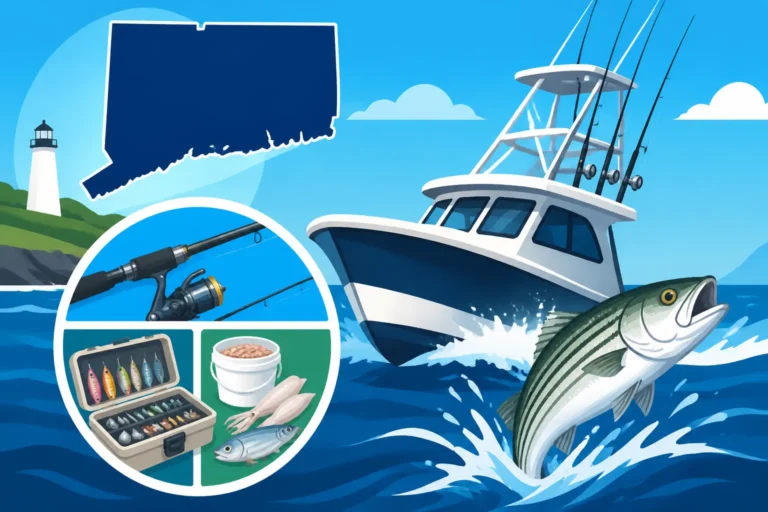
There's nothing quite like the thrill of a striped bass hitting your line, especially when you're out on the majestic Long Island Sound. But let's be honest, trying to navigate the endless options for fishing charters and figure out which one will put you on the fish can feel more complicated than untangling a bird's nest of line. This comprehensive guide is here to untangle all that for you, offering a deep dive into choosing the best striped bass charters in Connecticut, ensuring you spend less time worrying and more time reeling in those magnificent stripers.
Why Long Island Sound is a Striped Bass Hotspot
Long Island Sound isn't just a pretty backdrop; it's a dynamic, productive ecosystem that serves as a vital artery for migratory striped bass, especially during their feeding migrations. Many anglers from across New England and beyond specifically target the Sound for its consistent action and the chance at truly impressive fish.
The Allure of the Striper Run
Every spring, like clockwork, large schools of striped bass migrate from their overwintering grounds to feed heavily along the coastlines, with many making their way into and through Long Island Sound. This annual migration is what dreams are made of for many anglers. The sheer volume of baitfish that enters and resides in the Sound throughout the spring, summer, and fall provides a rich buffet for stripers, drawing them in like a magnet. We're talking about massive schools of bunker (menhaden), spearing, and anchovies, all congregating in certain areas, which in turn attracts the predators.
The striper run isn't just a single event; it's a prolonged season of opportunity. Early in the spring, smaller "schoolie" stripers arrive, eager to feed after the long winter. As the waters warm, larger trophy fish push in, sometimes weighing upwards of 40 or 50 pounds. This sustained activity means that from roughly April through November, there's a strong chance of encountering striped bass in various sizes and quantities, making it one of the most reliable fisheries in the region. Charters specialize in tracking these migrations and knowing precisely where the fish will be at different times of the season.
Prime Feeding Grounds and Structure
Long Island Sound offers an incredible variety of underwater structure that creates perfect ambush points and feeding zones for striped bass. From rocky reefs and submerged humps to mussel beds, drop-offs, and tidal rips, these features break up the current and concentrate baitfish, making them irresistible to stripers. The Sound's many estuaries and river mouths, such as the Connecticut River or the Housatonic River, also serve as critical feeding lanes and nurseries, especially during outgoing tides when baitfish are flushed out.
Experienced charter captains spend years, even decades, mapping out these underwater highways and diners. They know the subtle changes in bottom contour, the hidden rock piles, and the precise timing of the tides and currents that make these spots productive. It’s not just about finding any spot; it’s about finding the right spot at the right time, which is where a local charter's knowledge truly shines. They understand how different conditions, from moon phases to wind direction, influence fish behavior and bait movement, allowing them to adapt quickly and put you on the fish. This local knowledge is invaluable, transforming a hopeful fishing trip into a truly productive day on the water.
What Makes a Great Striped Bass Charter
When you're looking to book a striped bass charter on Long Island Sound, it's not just about finding a boat with an open slot. A truly great charter experience comes down to a few critical factors that ensure not only a successful trip but also a safe and enjoyable one.
Experienced Captains and Crew
The captain is the heart and soul of any fishing charter. An experienced captain specializing in striped bass on Long Island Sound possesses an intimate knowledge of the local waters, including the best fishing spots, tidal patterns, and fish behavior throughout the seasons. They've spent countless hours on the water, honing their craft, and can adapt quickly to changing conditions, whether it's shifting winds, currents, or fish movements. This isn't just a hobby for them; it's their livelihood, and they take immense pride in putting their clients on fish. Their expertise means they can interpret sonar readings, understand baitfish patterns, and even predict where the next bite might come from.
Beyond just finding fish, a great captain also excels at customer service. They're patient teachers, happy to offer advice to beginners, and always prioritize the comfort and enjoyment of their passengers. A good crew, if applicable, works seamlessly with the captain, handling lines, rigging baits, and assisting anglers, all while maintaining a positive and encouraging atmosphere. They're often excellent storytellers too, sharing tales of past catches and local lore, making the downtime between bites just as entertaining as the action itself. When you're spending several hours on the water, the personality and professionalism of the captain and crew can make all the difference.
Boat and Gear Specifics
The vessel itself plays a significant role in your comfort and success. A top-notch striped bass charter will operate a boat that is well-maintained, stable, and appropriately sized for the waters of Long Island Sound. This means having ample deck space for casting, a comfortable ride in choppy conditions, and reliable engines to get you to the fishing grounds and back safely. Most reputable charters will utilize center console or walk-around style boats that offer 360-degree fishability, essential when multiple anglers are hooked up at once.
Equally important is the quality and appropriateness of the fishing gear provided. A professional charter will supply high-quality rods, reels, and tackle specifically chosen for targeting striped bass. This means durable rods with the right backbone, reels spooled with fresh, strong line, and a selection of proven lures and baits. What Gear a Connecticut Charter Provides often varies, but good charters ensure their gear is in excellent condition, minimizing frustrating break-offs and maximizing your chances of landing a big fish. They also have a wide array of specialized equipment, from downriggers for trolling to live wells brimming with fresh bait, ensuring they are prepared for any fishing scenario. You might even find yourself using specific Best Lures for Striped Bass in Long Island Sound that the captain knows are currently working best.
Safety First
Safety should always be the captain's number one priority, and it's a non-negotiable aspect of a great charter. Reputable charters adhere strictly to all Coast Guard regulations, carrying all required safety equipment, including life jackets, flares, first-aid kits, and communication devices. Before leaving the dock, a good captain will conduct a brief but thorough safety talk, outlining emergency procedures and pointing out where safety gear is located.
Beyond the regulatory requirements, an emphasis on safety extends to the captain's judgment. They will closely monitor weather conditions and won't hesitate to cancel or postpone a trip if conditions are deemed unsafe or uncomfortable for passengers. While it's disappointing to miss a trip due to weather, a responsible captain prioritizes your well-being over a day's revenue. They also ensure that the boat is well-maintained and regularly inspected, minimizing the risk of mechanical issues. What to Expect on a Connecticut Fishing Charter should always include a clear demonstration of safety protocols and a captain who instills confidence in their ability to handle any situation that might arise on the water.
Top Considerations When Booking a Charter
Choosing the right striped bass charter is more than just picking a date. It involves understanding the different types of trips available, what's included in the price, and how to time your visit for the best possible experience. Thinking through these details beforehand can significantly impact your satisfaction on the water.
Private vs. Open Boat Trips
One of the first decisions you'll face is whether to book a private charter or join an open boat (also known as a head boat or party boat). A private charter offers exclusivity. You book the entire boat for your group, whether it's family, friends, or colleagues. This means you have the captain's undivided attention, the flexibility to customize the trip (within reason), and the ability to fish exactly how and where your group prefers. It's an ideal choice for a more personalized experience, for beginners who might need extra guidance, or for groups with specific fishing goals, like targeting trophy fish or focusing on a particular technique. The cost per person for a private charter is typically higher, but the experience is tailored entirely to your party.
An open boat trip, on the other hand, allows individual anglers or small groups to book spots on a larger vessel alongside other paying passengers. This is a more budget-friendly option, as the cost of the trip is split among many people. Open boats are great for solo anglers, couples, or small groups who don't mind sharing the rail and enjoy the camaraderie of a larger fishing community. While you'll have less control over the specific fishing grounds or techniques, open boat captains are usually very experienced at putting multiple anglers on fish. Just be aware that space might be more limited, and you'll be fishing alongside people of varying skill levels. Consider what kind of experience you're looking for and your group size when making this choice.
Half-Day vs. Full-Day Adventures
The duration of your trip is another key factor. Half-day charters typically run for 4-5 hours and are a popular choice for families with younger children, beginners, or those with limited time. They offer a taste of the action without the full commitment of a longer day. While you might not venture as far offshore or try as many different spots, a good captain can still put you on plenty of striped bass in a half-day, especially if the fish are plentiful closer to port. They are often a great entry point to see if you enjoy charter fishing before committing to a longer trip.
Full-day charters usually last 7-9 hours, providing ample time to explore diverse fishing grounds, try multiple techniques, and chase larger, more elusive fish. With a full day, you can travel further, fish through different tide cycles, and truly immerse yourself in the pursuit of striped bass. This option is generally preferred by more serious anglers or groups looking for the best chance at a trophy catch. While the cost is higher, the extended time on the water often translates to more fishing opportunities and a more comprehensive experience. Think about your stamina, your group's interest level, and your overall fishing goals when deciding between these two options.
Here's a quick comparison:
| Feature | Half-Day Charter (4-5 hours) | Full-Day Charter (7-9 hours) |
|---|---|---|
| Duration | Shorter, ideal for quick trips | Longer, allows for deeper exploration |
| Cost | Generally lower per trip | Higher per trip, but potentially more value per hour |
| Target Audience | Families, beginners, limited time, casual anglers | Serious anglers, trophy hunters, dedicated groups |
| Fishing Scope | Closer to port, fewer spots, less varied techniques | Wider range of fishing grounds, more varied techniques |
| Fatigue Factor | Less physically demanding | More physically demanding |
| Customization | Limited flexibility | More opportunity for customization and varied fishing |
| Likelihood of Trophy Fish | Possible, but less consistent than full-day | Greater chance due to extended time and range of spots |
Understanding Pricing and Inclusions
Charter pricing can vary significantly based on factors like boat size, trip duration, number of passengers, and the captain's experience. It's crucial to get a clear understanding of what is included in the stated price to avoid any surprises. Most charters will include the boat, captain, fuel, and all necessary fishing tackle (rods, reels, bait, and lures). However, some might charge extra for live bait, particularly premium baits like eels or fresh bunker, or for specialized lures.
Always ask about potential additional costs such as cleaning and filleting your catch, gratuities for the crew (which are customary and appreciated), or any required permits. For instance, Do You Need Your Own Fishing License for a Connecticut Charter? is a common question, and generally, for most saltwater charters, you do not need an individual license as the boat typically operates under a blanket permit. However, always confirm this directly with your chosen charter. Many charters don't include food or drinks, so plan to bring your own cooler with snacks and beverages. Getting clarity on all these points upfront, perhaps by checking out general information on Connecticut Fishing Charter Cost Guide, will ensure a smooth and transparent experience.
Seasonal Timing for Stripers
Timing your trip with the striped bass migration is paramount to success. While stripers are present in Long Island Sound for much of the open water season, certain periods offer peak action. Spring (late April to early June) sees the first wave of migratory stripers arriving, often hungry after their winter fast. This can be a fantastic time for both quantity and quality. The summer months (June to August) provide consistent fishing, though the larger fish might move to deeper, cooler waters during the hottest spells. Dawn and dusk trips, or even night fishing, can be particularly productive during this period.
Fall (September to November) is arguably the most exciting time for trophy striped bass fishing. As water temperatures begin to drop, stripers embark on their southward migration, feeding aggressively to build up fat reserves for winter. This "fall run" often brings epic blitzes where large schools of bass are actively chasing baitfish on the surface. Understanding Best Time of Year to Fish in Connecticut and specifically Best Season to Book a Striped Bass Charter is key to aligning your expectations with the natural patterns of the fish. Websites like FishingBooker can often show you typical catch rates for different times of the year, helping you plan your visit during prime striper season.
Key Regions for Striped Bass Charters in Connecticut
Long Island Sound stretches along the entire southern border of Connecticut, offering distinct fishing opportunities depending on whether you launch from the western, central, or eastern parts of the state. Each region has its own unique characteristics, local fishing hotspots, and an array of excellent charter operations.
Western Long Island Sound Hotspots (e.g., Norwalk, Greenwich)
The western end of Long Island Sound, closer to New York, is characterized by its numerous islands, rocky reefs, and deeper channels. Towns like Norwalk and Greenwich are popular departure points for charters in this region. This area is known for strong tidal currents and an abundance of baitfish, making it a prime hunting ground for striped bass. The Norwalk Islands, for instance, offer a complex network of structure, rips, and shallow flats that attract stripers throughout the season. Charters here often target specific reefs, mussel beds, and the mouths of rivers like the Norwalk River or the Mianus River.
Anglers fishing out of these western ports can expect to encounter a mix of schoolie stripers and larger fish, especially during the spring and fall migrations. The proximity to more populated areas means there's a good selection of charter boats and experienced captains. These charters are well-versed in navigating the often-busy waters and finding less-pressured spots. They often employ a range of techniques, from live-lining bunker to trolling tube and worm rigs, adapting to what the fish are keying on. If you're looking to book Best Charters Out of Greenwich Connecticut or near Norwalk, you'll find plenty of options focusing on the local nuances of this productive section of the Sound.
Central Long Island Sound Hotspots (e.g., New Haven, Old Saybrook)
Moving eastward, the central section of Long Island Sound encompasses a broad expanse of water with significant features, most notably the mouth of the mighty Connecticut River. Major ports like New Haven, Branford, and Old Saybrook serve as excellent bases for striped bass charters. This region benefits from the massive influx of baitfish and nutrients that flow from the Connecticut River, creating a dynamic feeding environment for stripers. The river mouth itself, with its strong currents and numerous sandbars, is a renowned hotspot, particularly during the spring and fall runs when large numbers of fish congregate.
Charters operating out of central Connecticut often focus on the rips and shoals around the river mouth, as well as the deeper channels and offshore reefs. The Thimble Islands off Branford also provide excellent structure and current. This area is known for producing big striped bass, especially during the fall migration when they are actively feeding on bunker schools. Captains here are adept at using various methods, including wire-lining, drift fishing with live bait, and casting big plugs or soft plastics. If you're planning a trip, look into Best Charters Out of Old Saybrook Connecticut for access to the prolific Connecticut River fishery. Websites like FishingBooker can help you sort through captains based in these central locations, allowing you to compare their specialties and reviews.
Eastern Long Island Sound Hotspots (e.g., Niantic, Stonington)
The easternmost stretch of Long Island Sound in Connecticut, bordering Rhode Island, offers a different flavor of striped bass fishing. Ports like Niantic, Waterford, and Stonington provide access to waters that are often deeper, rockier, and more exposed to the open ocean influence. This area is characterized by dramatic ledges, deep reefs, and strong rips, which hold bait and stripers throughout the season. Race Rock, the Southwest Reef, and the many ledges around Fishers Island are legendary striped bass grounds, known for producing enormous fish, especially during the peak migration periods.
Charters in eastern Connecticut are often geared towards more robust fishing, sometimes venturing into rougher waters to target specific offshore structures where giant stripers hold. These captains are experts at interpreting complex bathymetry and current charts. Techniques often involve heavy jigging, live-lining eels or bunker, and trolling large plugs or umbrella rigs. The fishing here can be truly world-class, but it often requires a more dedicated effort and can be more weather-dependent. If your goal is to land a true trophy striped bass, seeking out Best Charters Out of Niantic Connecticut or Stonington might be your best bet. These areas are known for the chance at truly massive fish that are passing through or staging before heading further south.
Techniques and Tackle You'll Encounter
One of the great things about striped bass fishing on a charter is the variety of techniques and tackle employed to target these adaptable fish. A good captain will have a full arsenal and know when and where to deploy each method based on conditions, bait presence, and fish behavior.
Live-Lining and Chunking
Live-lining is a highly effective technique for targeting striped bass, especially the larger, more selective fish. It involves presenting a live baitfish, such as a bunker (menhaden), mackerel, or even a large snapper bluefish, on a hook, allowing it to swim naturally in the water. The idea is to mimic an injured or lost baitfish, which is an irresistible meal for a hungry striper. Charters will often have a large live well onboard to keep a plentiful supply of fresh, lively bait. The captain will typically position the boat over structure or near schools of bait, and anglers will free-spool their live bait or use a light sinker to get it to the desired depth. The strike from a big striper on a live bait can be absolutely brutal!
Chunking, on the other hand, involves cutting fresh baitfish (usually bunker) into pieces and deploying them into the water, creating a chum slick to draw stripers to the boat. Anglers then fish similarly cut pieces of bait on hooks, allowing them to drift naturally in the chum line. This technique is particularly effective when striped bass are feeding on abundant schools of menhaden. It's a fantastic way to target fish that might be holding deeper or are less inclined to chase fast-moving lures. Both live-lining and chunking require patience and a good understanding of current and drift, which charter captains excel at. They know how to rig the baits correctly and how to present them to maximize your chances of a bite.
Trolling and Jigging
Trolling is a popular and efficient method for covering a lot of water and finding actively feeding striped bass, especially when the fish are scattered or holding at specific depths. It involves dragging lures, live baits, or rigged baits behind the boat at a controlled speed. Charters often use multiple rods, deploying different types of lures at varying depths to determine what the fish are keying on. Common trolling setups for striped bass include umbrella rigs, tube and worm combos, Mojo rigs, or large swimming plugs. Downriggers are often used to get lures deep into the water column where big stripers might be holding. This technique is particularly effective in open water or along prominent ledges and channels.
Jigging is a more active and hands-on technique that involves vertically dropping a weighted lure (a jig) to a certain depth and then rhythmically lifting and dropping the rod tip to impart an enticing action to the lure. Metal jigs, soft plastic paddle tails on jig heads, and bucktail jigs are all effective for stripers. This method is excellent when fish are congregated in specific areas, such as over reefs, wrecks, or in strong current rips, where they might be feeding on squid or smaller baitfish holding close to the bottom. It allows for precise targeting of fish seen on the sonar. Both trolling and jigging require specific knowledge of how to work the tackle and interpret bites, and your charter captain and crew will be there to guide you. When it comes to Trolling Techniques for Long Island Sound Striped Bass, a charter offers unparalleled experience.
Light Tackle and Fly Fishing Options
While many striped bass charters focus on heavier gear for bigger fish, a growing number of captains also cater to anglers interested in light tackle or fly fishing. Light tackle fishing for striped bass involves using lighter rods and reels, often with braided line, to cast smaller plugs, soft plastics, or bucktails. This offers a more sporting and engaging fight, allowing you to feel every head shake and run of the fish. It's particularly effective for schoolie stripers in shallower waters, but even larger fish can be landed on appropriately balanced light tackle. Many anglers find the challenge and excitement of light tackle fishing incredibly rewarding.
For the ultimate challenge, some specialized charters offer fly fishing opportunities for striped bass. This is usually a sight-fishing game, targeting stripers that are actively feeding on the surface, pushing bait, or holding in shallow water flats. Fly fishing for stripers requires specific casting skills and a good understanding of fly patterns that imitate local baitfish. Fly Fishing for Trout in Connecticut is popular in freshwater, but saltwater fly fishing for stripers is an entirely different beast! While not all striped bass charters are equipped or specialized for fly fishing, if this is your passion, it's worth seeking out a captain who specifically advertises fly fishing trips. They will have the appropriate shallow-draft boats and knowledge to put you on fish that are accessible with a fly rod. Always clarify your preference for light tackle or fly fishing when booking to ensure the charter can accommodate your request.
Preparing for Your Striped Bass Charter
A successful charter trip isn't just about the captain's skills; it's also about how well you prepare as an angler. A little foresight can make a big difference in your comfort, enjoyment, and overall experience on the water.
What to Bring (and What Not To)
Knowing what to pack is crucial for a comfortable day on Long Island Sound. First and foremost, dress in layers. Even on a sunny day, temperatures can change quickly on the water, especially with sea breezes. A waterproof jacket is always a good idea, as are non-slip shoes with good traction. Sun protection is vital: bring a wide-brimmed hat, sunglasses (polarized are a huge plus for spotting fish and structure), and plenty of high SPF sunscreen. The sun's glare off the water can be intense.
Beyond clothing, pack a small cooler with drinks and snacks. Most charters don't provide food or beverages, and a full day on the water can work up an appetite. Don't forget your camera or phone for capturing those unforgettable moments, but be sure it's protected from water. If you're prone to seasickness, definitely bring preventative medication and take it before you board the boat. On the "what not to bring" side, generally avoid bringing your own fishing rods and tackle unless specifically discussed with the captain – they supply all the necessary gear. And leave the hard alcohol at home; most charters have policies about alcohol consumption, and often prefer beer or wine in moderation. For a more detailed checklist, check out guides like What to Bring on a Connecticut Fishing Charter.
Seasickness Prevention and Comfort
Seasickness can turn a dream fishing trip into a miserable ordeal, but thankfully, there are many ways to prevent or alleviate it. If you're susceptible, the most effective approach is to take preventative medication like Dramamine or Bonine before you get on the boat, giving it time to work. Consulting with your doctor beforehand about prescription options is also a good idea for those with severe motion sickness. On the boat, try to stay on deck in the fresh air, focus on the horizon, and avoid reading or looking at your phone excessively.
Eating a light, non-greasy meal before your trip and avoiding alcohol the night before can also help. Many people find ginger (candies, tea, or capsules) to be a natural remedy. Choose a seat towards the back of the boat (the stern), as the motion tends to be less pronounced there compared to the bow. Communicate with your captain or crew if you start to feel unwell; they are experienced in helping passengers and might be able to suggest a change of position or offer advice. Your comfort is important, and proactive steps can make a huge difference.
Etiquette and Tipping
Understanding proper charter etiquette helps ensure a smooth and enjoyable trip for everyone onboard. Listen carefully to the captain's safety briefing and any instructions they give regarding fishing techniques or boat rules. Charter boats operate on a schedule, so arriving on time (or even a little early) is always appreciated. Be respectful of other anglers' space, especially on open boat trips, and don't cast over someone else's line. If you're unsure about something, just ask the crew – they are there to help!
Tipping is an important part of charter fishing culture and a way to show appreciation for a hard-working captain and crew. While there's no strict rule, a gratuity of 15-20% of the trip's cost is generally customary if you've had a good experience, the crew worked hard, and you were put on fish. This applies whether you caught a limit or not, as the effort and experience of the crew are what you are tipping for. If the crew goes above and beyond, a more generous tip is certainly warranted. Always bring cash for tips, as it's often preferred and easier for the crew. For more specific guidelines, consider reviewing information on Tipping Etiquette for Connecticut Fishing Charters.
Maximizing Your Striped Bass Charter Experience
You've booked your charter, prepped your gear, and are ready to hit the water. Now, how do you make sure you get the absolute most out of your time chasing striped bass on Long Island Sound? It comes down to active participation and thoughtful engagement.
Communication with Your Captain
Open and honest communication with your captain and crew is the key to a successful trip. Before you even set sail, make sure you clearly communicate your expectations and goals for the trip. Are you hoping to catch a limit for dinner? Are you looking for a trophy fish, even if it means fewer bites? Are you a beginner hoping to learn the ropes, or an experienced angler wanting to try a specific technique like fly fishing? The more information you provide, the better the captain can tailor the trip to your desires. Websites like FishingBooker often allow you to send messages to captains before booking, which is a great opportunity to ask specific questions about their approach to targeting striped bass.
During the trip, don't hesitate to ask questions. How deep are we fishing? What bait are we using? How should I work this lure? A good captain loves to share their knowledge and teach. If you're feeling unwell, or need a break, let the crew know immediately. Conversely, if you're having the time of your life, share that feedback too! A positive attitude and active engagement will make the experience more enjoyable for everyone, and often leads to the crew working even harder to ensure your success. Remember, they want you to have a great time and catch fish just as much as you do.
Catch and Release Best Practices
While many anglers enjoy taking home some striped bass for the table, practicing responsible catch and release is vital for the sustainability of the fishery, especially for larger breeding-size fish. Your charter captain will typically be well-versed in best practices for handling fish that are destined to be released. This includes minimizing the time the fish is out of the water, handling it gently with wet hands (or gloves) to protect its slime coat, and supporting its body horizontally.
If you plan to release a fish, inform the crew as soon as it's hooked so they can prepare. Avoid dragging the fish onto the boat or boat deck; instead, try to unhook it quickly while it's still in the water, if safe to do so. If a photo is desired, be swift, support the fish horizontally with two hands, and get it back into the water as quickly as possible. Ensuring the fish is revived before release – holding it gently by the tail and allowing water to flow over its gills until it swims away under its own power – is also critical. Understanding Striped Bass Catch and Release Survival Tips contributes directly to the long-term health of the Long Island Sound striper population.
Documenting Your Trip
A striped bass charter on Long Island Sound is an experience you'll want to remember. Don't forget to document your trip, whether it's through photos, videos, or even a simple journal. Capturing images of your catches, the beautiful Long Island Sound scenery, or candid shots with friends and family will provide lasting memories. Most charter captains are happy to take photos for you, so don't be shy about asking. Just make sure your camera or phone is easily accessible and, as mentioned before, protected from water.
Beyond just photos of fish, consider capturing the full experience: the sunrise over the water, the camaraderie with your fellow anglers, the captain expertly navigating, or the excitement of a bait ball being hammered by stripers. These moments often become the most cherished memories. Sharing your positive experience online, especially with a review for your captain on platforms like FishingBooker, not only helps other anglers find great charters but also supports the hard-working captains and crews who strive to make your trip unforgettable. These reviews can be incredibly helpful for others trying to choose among the Best Fishing Charters in Connecticut.
Disclaimer
This article is for general informational purposes only and does not constitute professional advice. Laws, prices and regulations vary by location and change over time. Consult a qualified professional for guidance on your specific situation.